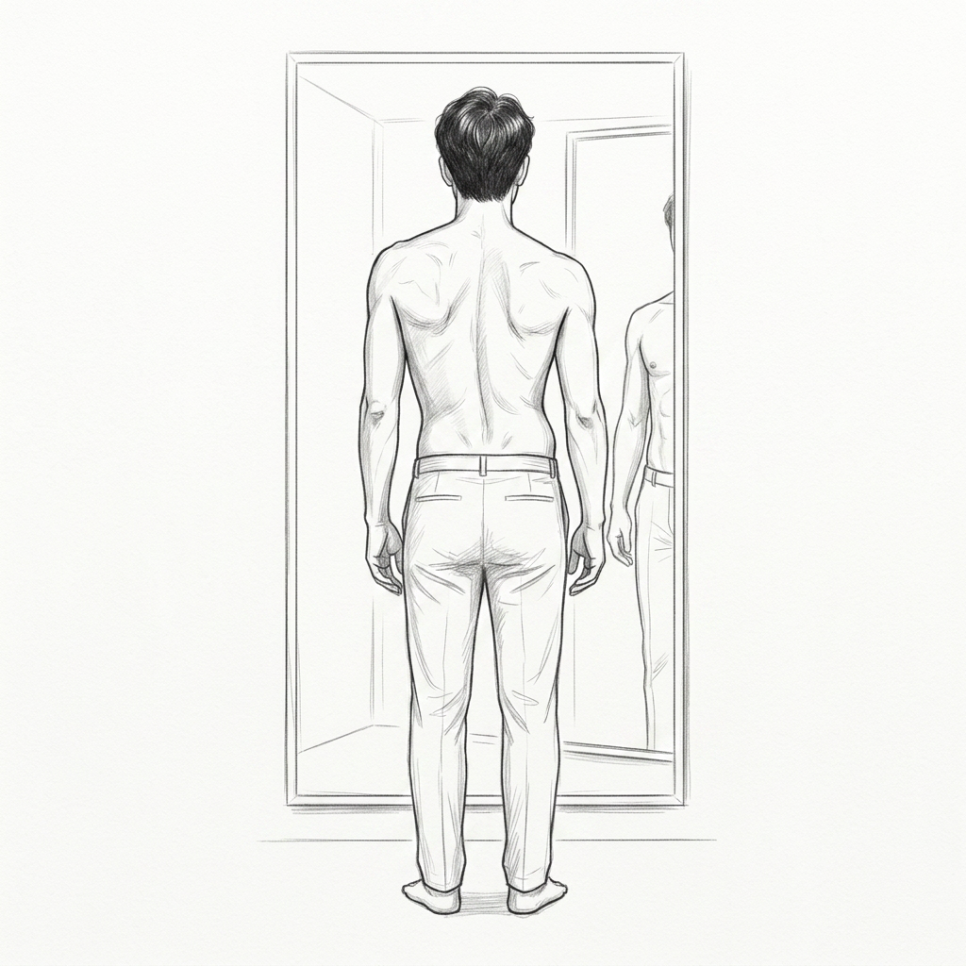
Ever notice one shoulder sitting noticeably higher than the other every time you check the mirror,
and your clothes keep slipping to one side?
Most people chalk it up to posture habits, but it could actually be a scoliosis self-test warning sign.
It might not be simple tech neck — it could be the start of a structural change where the spine curves sideways.
In this article, we’ll cover the definition and causes of scoliosis, a scoliosis self-test checklist you can do at home, diagnosis and treatment criteria by Cobb angle, and recovery timelines with lifestyle management tips.
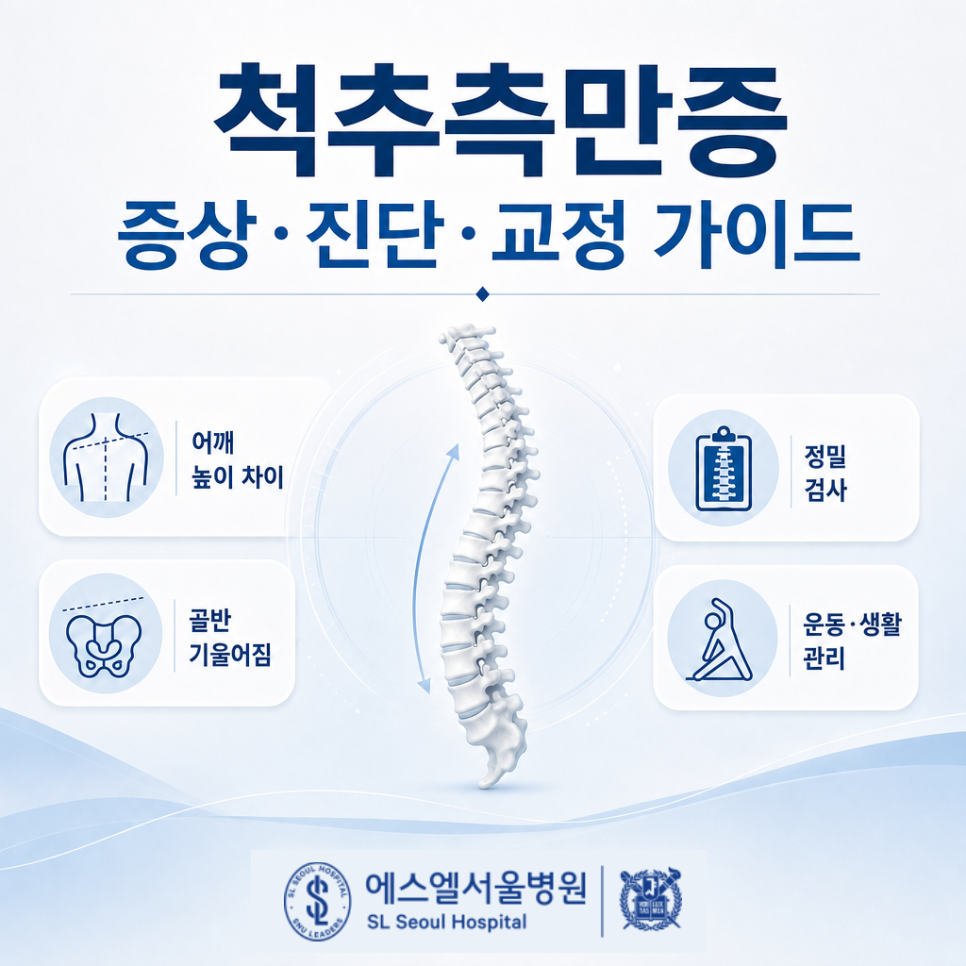
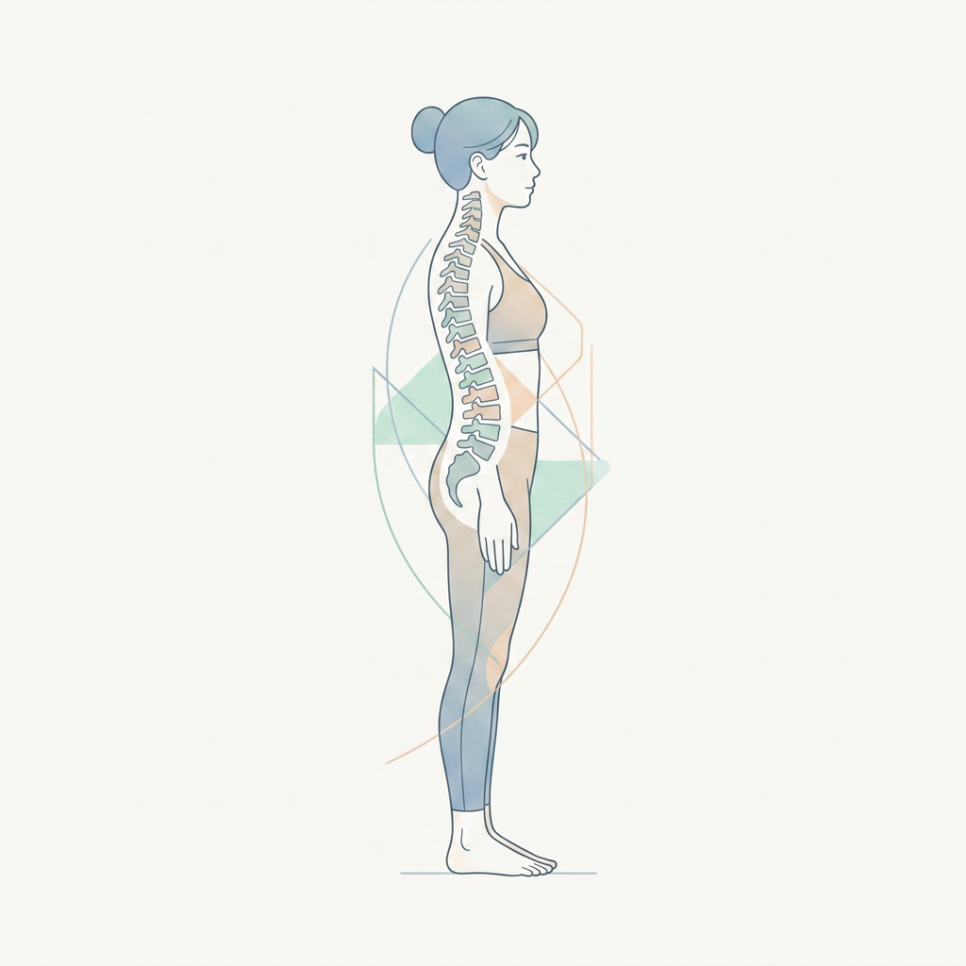
What Is Scoliosis?
To cut to the chase, scoliosis is a three-dimensional spinal condition in which the spine curves into an S or C shape while the vertebrae themselves rotate.
A healthy spine looks straight when viewed from the front and shows a gentle curve when viewed from the side.

But when this balance breaks down,
each spinal segment can twist, throwing off the alignment of the whole body.
According to Korea’s National Health Information Portal, roughly 80–85% of scoliosis cases are classified as idiopathic scoliosis, meaning the exact cause is unknown.
It develops most often during the rapid-growth years of adolescence, though the number of adult cases linked to poor posture or degenerative changes has also been rising.
Scoliosis isn’t just a sideways curve — it also involves a three-dimensional rotation of the vertebrae themselves.
That’s why careful diagnosis matters.
Scoliosis Self-Test: Can Uneven Shoulder Height Reveal It?
Yes — a difference in shoulder or pelvic height is a common scoliosis self-test warning sign.
In the early stages there’s little to no pain, so it’s hard to notice on your own.
That’s why many people don’t see a doctor until the change in body shape becomes noticeable.
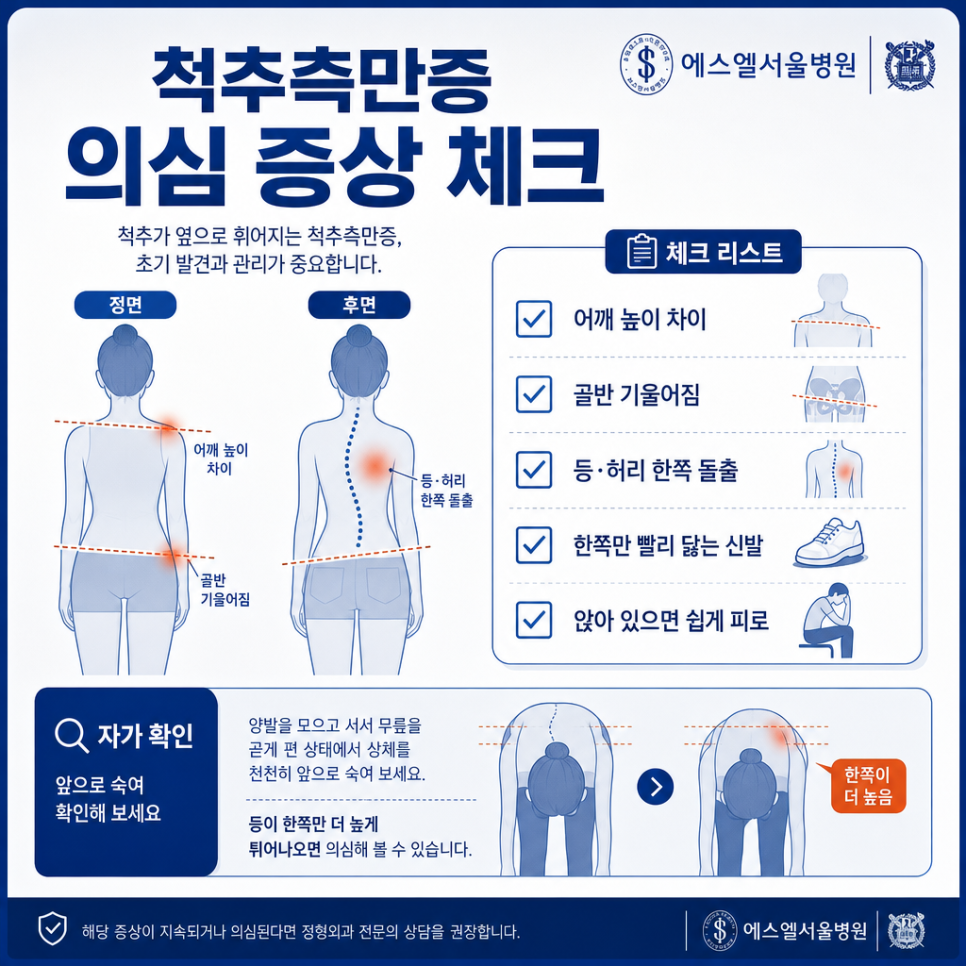
Uneven shoulder height, a pelvis that tilts to one side, and even one shoe sole wearing down faster than the other are all signs worth checking.
✅ One shoulder looks noticeably higher than the other when standing
✅ Pelvis height differs from side to side, or pant legs feel uneven in length
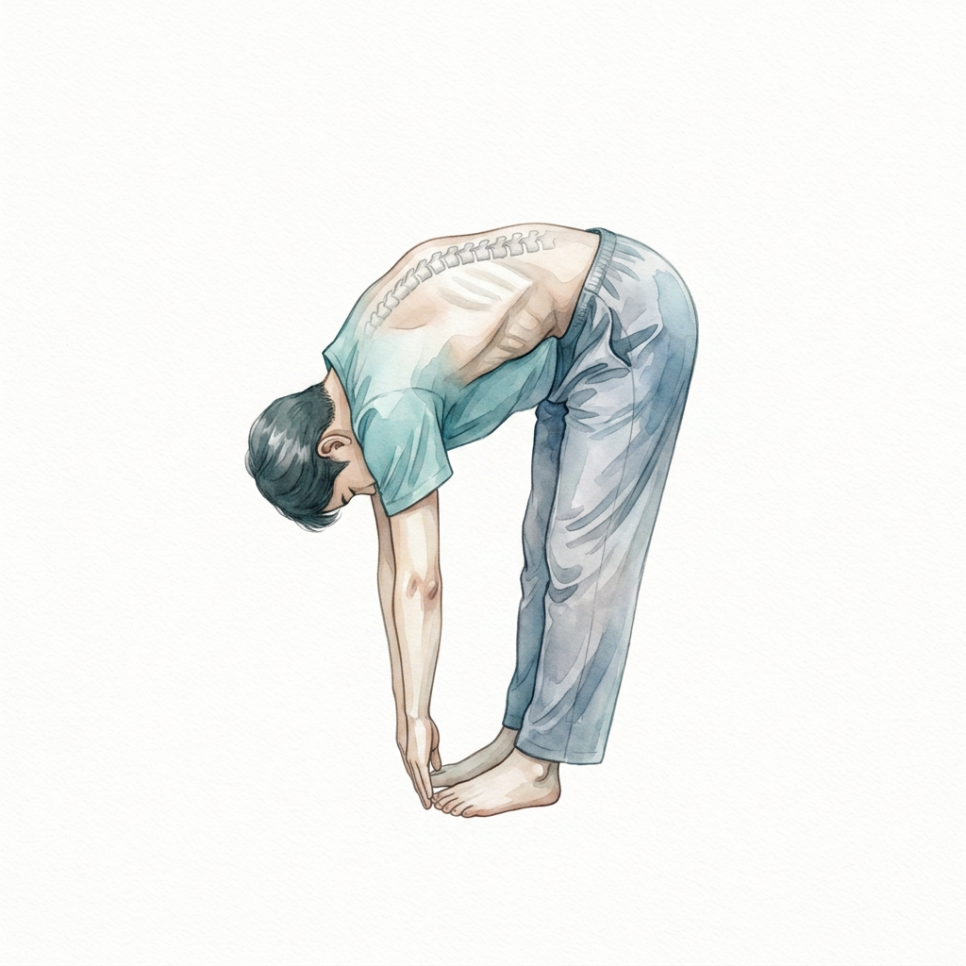
✅ Bending forward, one side of the back or waist rises higher than the other
✅ Even short periods of sitting leave your lower back and upper back feeling fatigued
If any of these sound familiar,
it can help to try the Adam’s forward bend test, where you bend forward at the waist to check for a difference in back height.
That said, a visual check alone can’t confirm a diagnosis, so an accurate diagnosis requires imaging.
How Are Scoliosis Diagnosis and Treatment Done?
In short, scoliosis is diagnosed with a full-spine X-ray that measures the Cobb angle.
According to Seoul Asan Hospital’s medical information, a Cobb angle of 10 degrees or more is what confirms a scoliosis diagnosis.
Management approach depends on the degree of curvature, summarized in the table below.
| Curve Angle | Diagnostic Stage | Main Management Approach |
|---|---|---|
| 10–20 degrees | Mild | Posture correction, monitoring, exercise therapy |
| 20–40 degrees | Moderate | Consider bracing, manual therapy and rehabilitation |
| 40 degrees or more | Severe | Surgical treatment may be considered, close management |
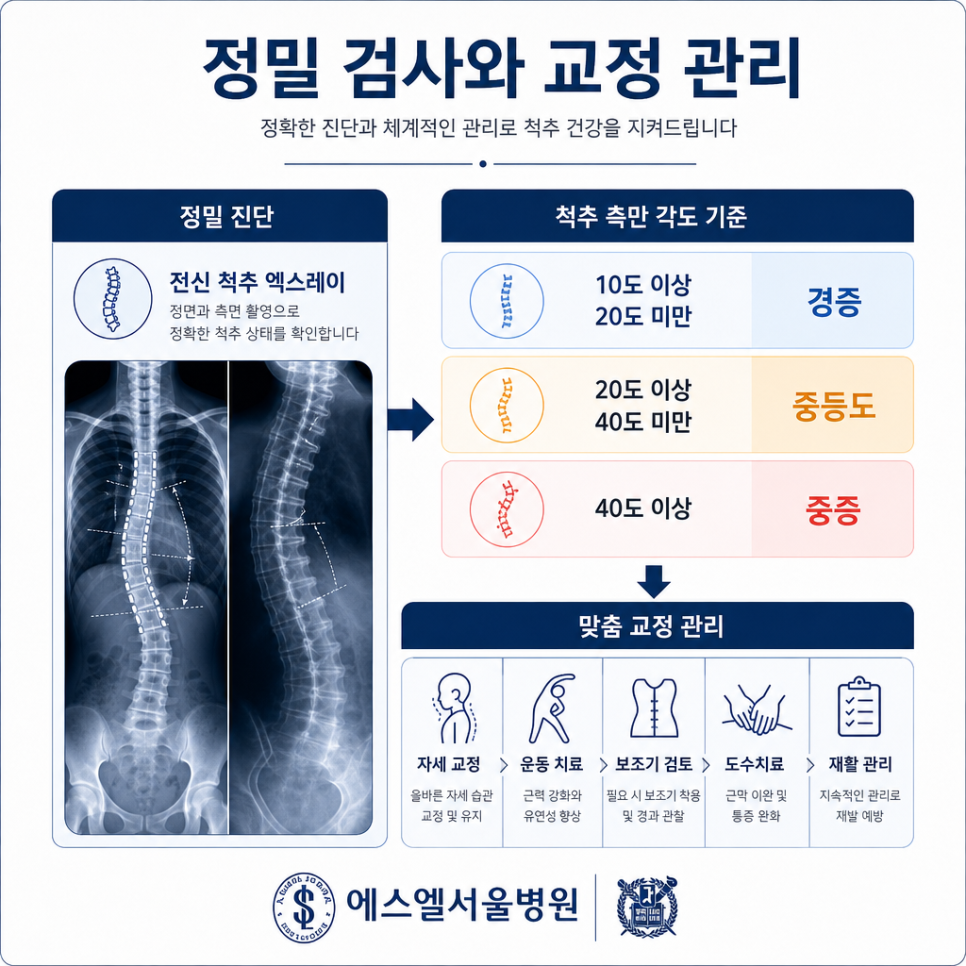
Even at an early stage with a small Cobb angle, the curve can gradually progress year by year if left unmanaged.
That’s why regular follow-up X-rays matter.
In early stages where the angle isn’t large, non-surgical treatment is generally tried before surgery.
Manual therapy, in which a trained therapist works to rebalance a rotated pelvis and spine, is one common option.
Pairing this with core-strengthening exercises such as sling exercises or Schroth method exercises can help strengthened muscles support the spine and reduce the risk of further deformity.
Low-impact, whole-body activities such as swimming (freestyle, backstroke) and core exercises like planks — which place less strain on the spine while engaging muscles evenly — can support healthier body alignment.
How Long Is Recovery, and What Lifestyle Habits Help?
Many people want to know how soon things return to normal once treatment starts.
Spinal changes aren’t corrected in a short time,
so consistent, ongoing management is essential.
In general, combining manual therapy with corrective exercise often calls for consistent management over at least 3 to 6 months, and sometimes longer.
For adolescents who are still growing, an important task is regular monitoring until growth is complete, with the goal of preventing the curve from worsening.
⚠️ Sitting with your legs crossed or always carrying a bag on one shoulder can speed up spinal imbalance.
⚠️ When sitting in a chair, get in the habit of sitting with your hips pushed all the way back and keeping your lower back straight.
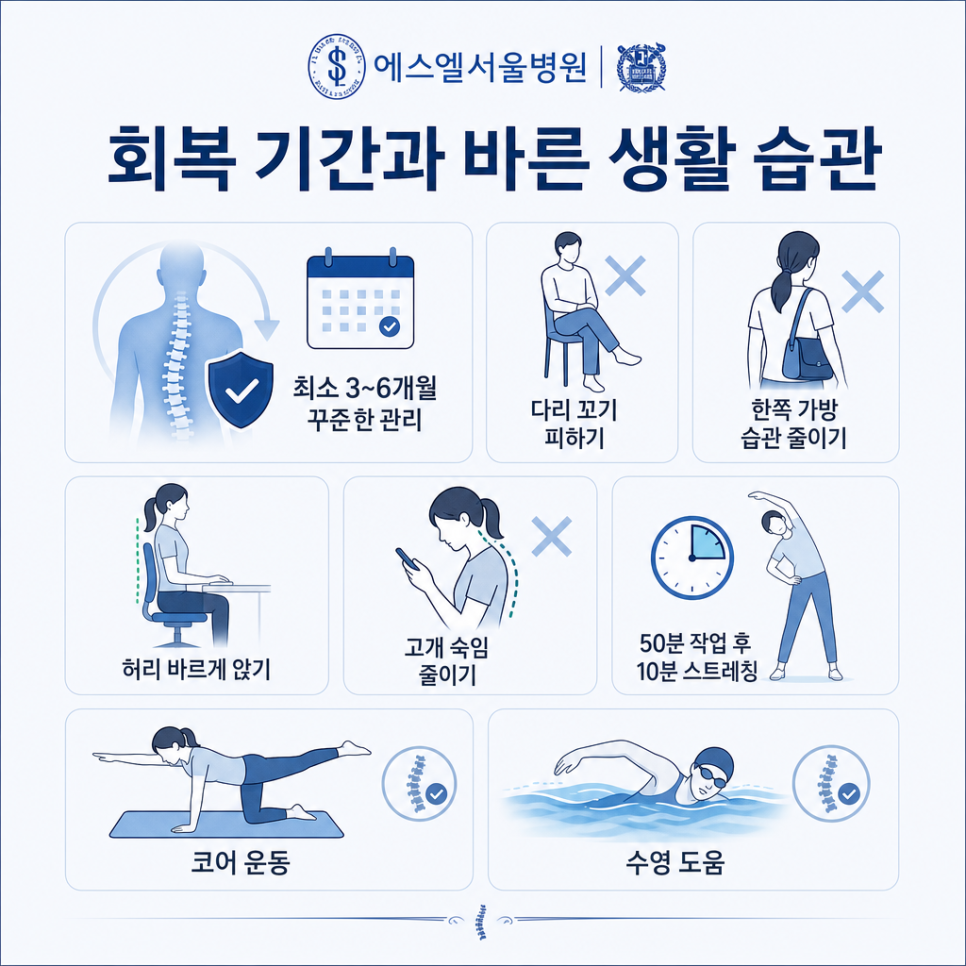
When using a smartphone or computer, try to reduce how far you tilt your head down, and take a 10-minute stretch break after every 50 minutes of work — small habits like these lay the groundwork for long-term spinal health.

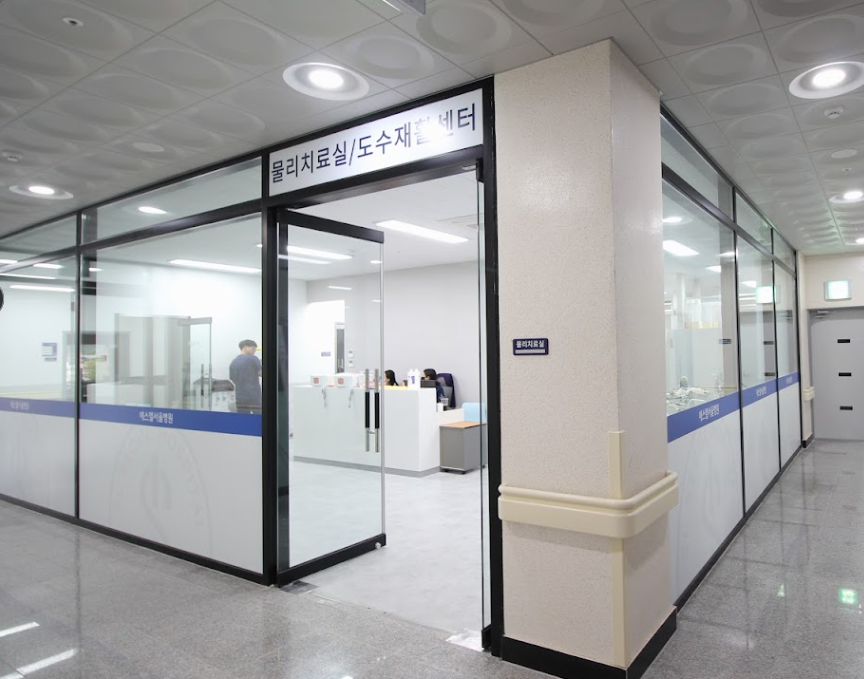
At Uijeongbu Station Orthopedic Clinic, we look at each patient’s degree of spinal curvature, bone density, and growth stage together to discuss a personalized non-surgical management plan.
If a loss of body balance has you concerned, we encourage you to come in for a consultation.
You can find more information on spine and joint health at the SL Seoul Hospital (Spine & Joint) home page.
Frequently Asked Questions
1. Can scoliosis be completely cured?
It’s difficult to fully straighten a spine that has already changed shape, but appropriate non-surgical corrective treatment and exercise can help reduce pain, slow progression, and support daily life.
2. Can exercise alone straighten a curved spine?
Stretching and core exercises help build the strength that supports the spine and may help prevent the angle from worsening, but doing self-guided exercise without a precise diagnosis can sometimes make the imbalance worse, so professional guidance is the safer route.
3. Can the spine keep curving after adulthood?
Once growth is finished, rapid changes are less likely, but poor posture, degenerative changes, or muscle weakness can cause the curve to progress slowly — roughly 1 degree or so per year — so adults benefit from ongoing management too.
4. How often is manual therapy needed?
This depends on the condition of the spine and severity of symptoms, but it’s typically done 2–3 times a week at first, then adjusted to once a week or 1–2 times a month as things improve.
5. How do I start a self-test?
Start in front of a mirror by comparing shoulder and pelvis height on both sides, then try the Adam’s forward bend test to check for a difference in back height when bending forward. If anything feels off, follow up with an X-ray for an accurate diagnosis.
References
· Korea Disease Control and Prevention Agency, “Spinal Deformity (Scoliosis),” National Health Information Portal, 2024. View source
· Seoul Asan Hospital, “Scoliosis,” Disease Encyclopedia, Seoul Asan Hospital Health Information. View source
· Seoul National University Hospital, “Scoliosis,” Medical Information, Seoul National University Hospital Health Information. View source
This article is for general health information purposes only and is not a substitute for individual diagnosis or treatment. If you’re experiencing symptoms, please consult a medical professional.