Tag: Disc Herniation

  • Orthopedic MRI Scan in Dongducheon: 3 Signs You Need One After 2 Weeks of Pain

    Orthopedic MRI Scan in Dongducheon: 3 Signs You Need One After 2 Weeks of Pain

    SummaryWondering when you should get an orthopedic MRI scan in Dongducheon? Here’s a checklist to run through if your pain has lasted more than 2 weeks, plus what the scan involves and how to manage recovery afterward.

    Your X-ray comes back looking completely normal,
    yet the pain in your shoulder or knee just won’t go away after several days.

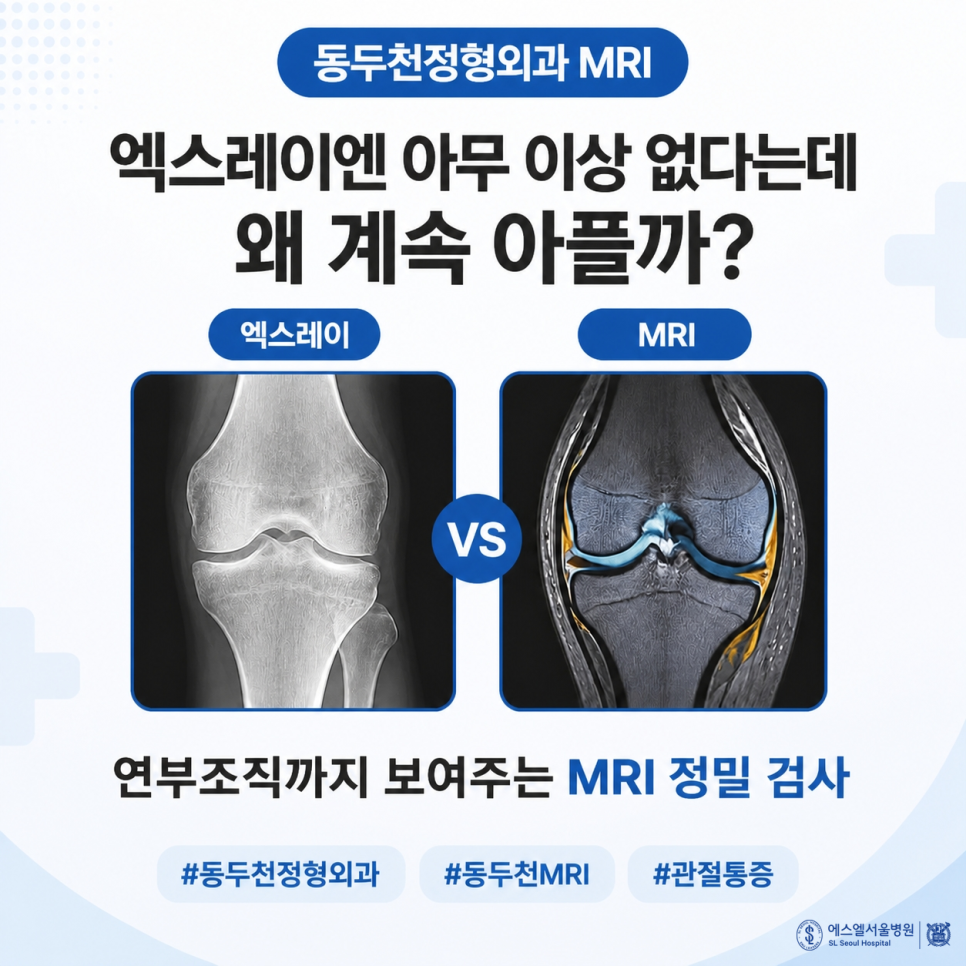
    That’s because a standard X-ray only shows bone in white — it can’t pick up subtle damage to ligaments, cartilage, or nerves.

    For this reason, an orthopedic clinic in Dongducheon will often recommend a more detailed scan to pinpoint the real cause of the pain.

    💡 Quick Preview
    1. Orthopedics identifies the cause of shoulder, knee, and lower back joint pain through detailed imaging such as an MRI scan.
    2. MRI captures ligaments, cartilage, and nerves without radiation exposure, and typically takes about 20–30 minutes depending on the area scanned.
    3. If pain lasts more than 2 weeks, your joint clicks or feels unstable, or the pain disrupts your sleep, it may be time to consider an orthopedic MRI scan.
    orthopedic clinic in Dongducheon

    What Is an MRI Scan?

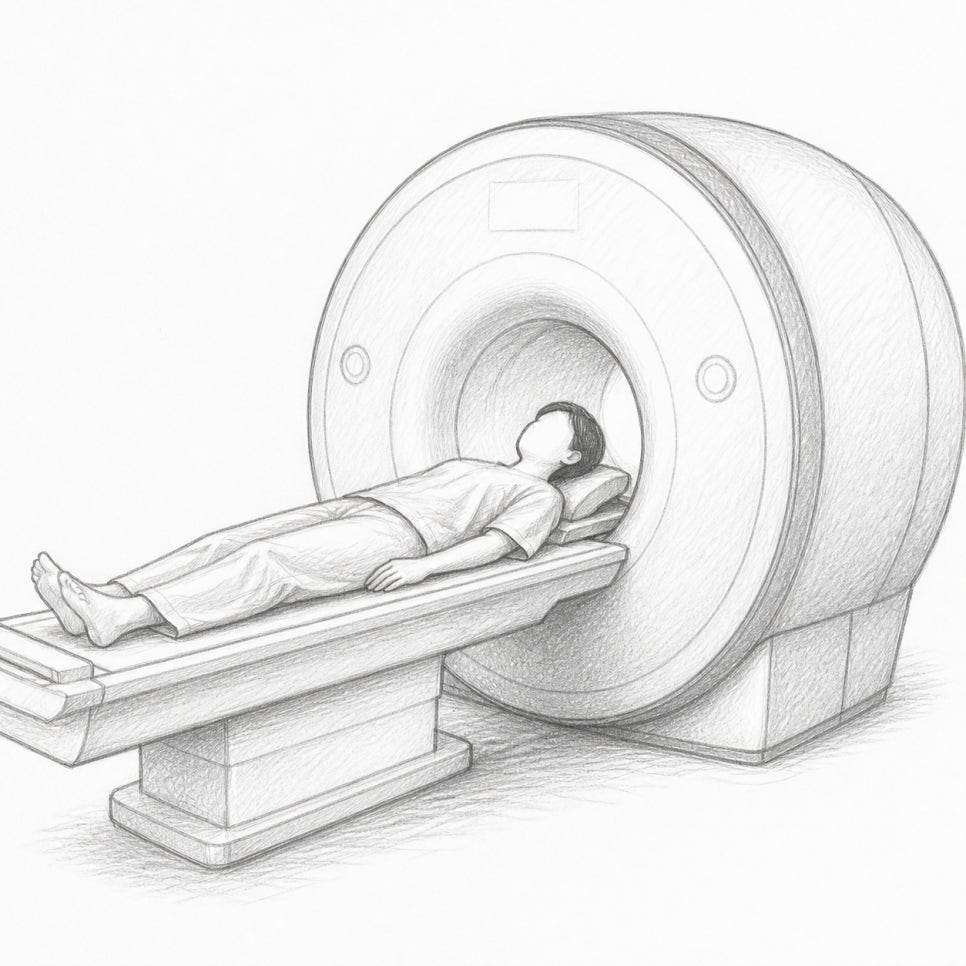
    An MRI (magnetic resonance imaging) scan is a detailed diagnostic exam that uses magnetic fields and radio waves to capture cross-sectional images of the inside of the body.

    Unlike a standard X-ray, which shows only bone in white, MRI can clearly display soft tissue such as muscles, ligaments, cartilage, and nerves.

    According to health information from Asan Medical Center, MRI offers strong contrast between different types of tissue, which is generally considered useful for diagnosing soft-tissue conditions.
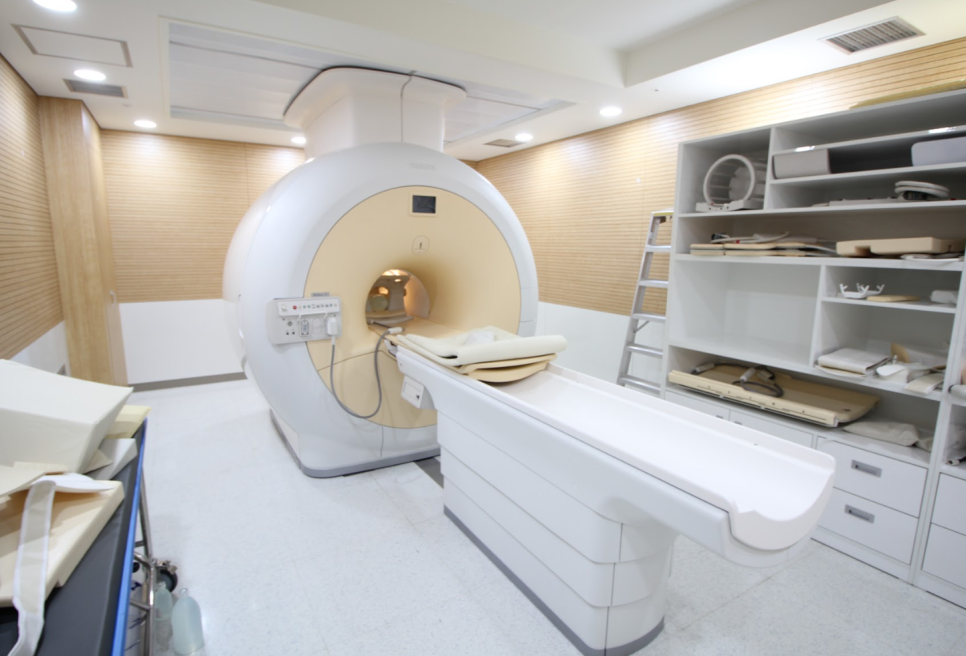
    orthopedic clinic in Dongducheon image 2

    It doesn’t involve radiation exposure, making it a relatively safe option, and it can also help detect conditions in their early stages.

    When the cause of joint pain isn’t clear, an orthopedic MRI scan can help identify what’s actually behind it.

    In that sense, it’s a useful exam for uncovering pain sources that would otherwise stay hidden.
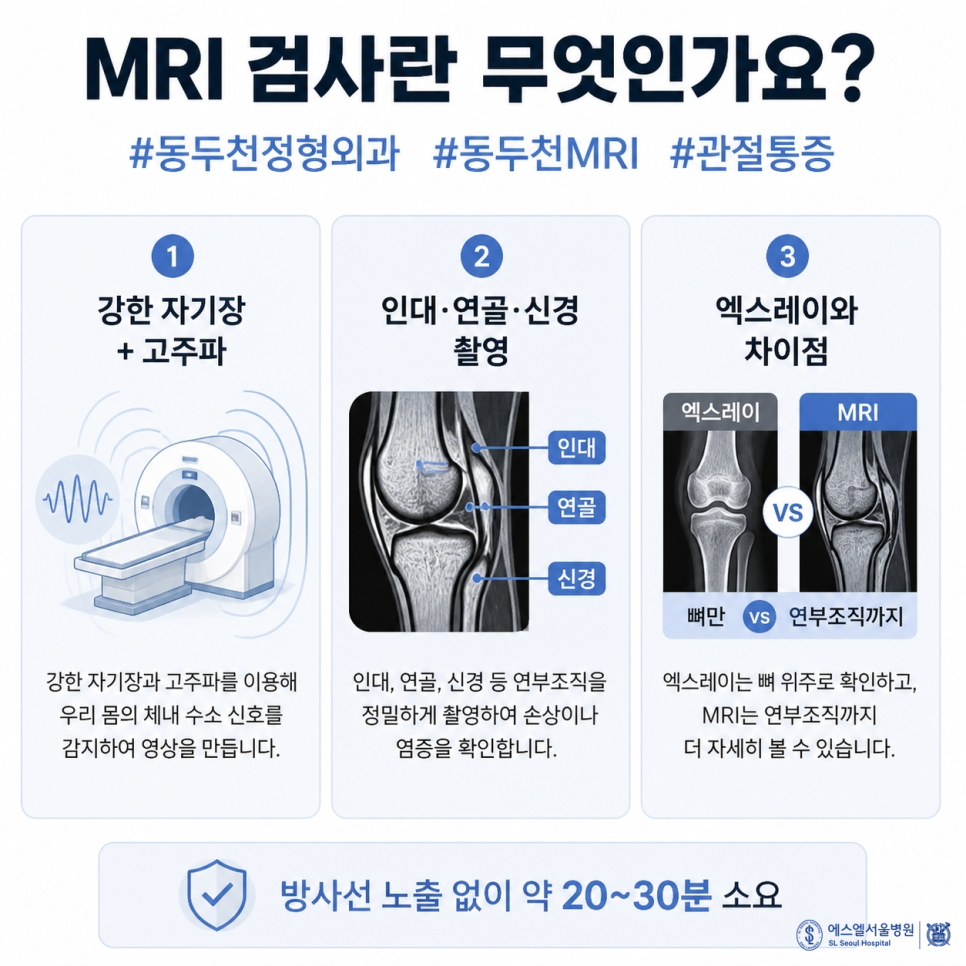
    orthopedic clinic in Dongducheon image 3

    💡 Key Point
    An MRI is a detailed exam that provides a three-dimensional view of not just bone, but fine damage to soft tissue such as ligaments, cartilage, and nerves.
    orthopedic clinic in Dongducheon image 4


    What Symptoms Call for an MRI Scan in Dongducheon?

    A scan is worth considering after a sudden injury or when chronic pain lingers.

    Common symptoms and their likely causes are summarized in the table below.
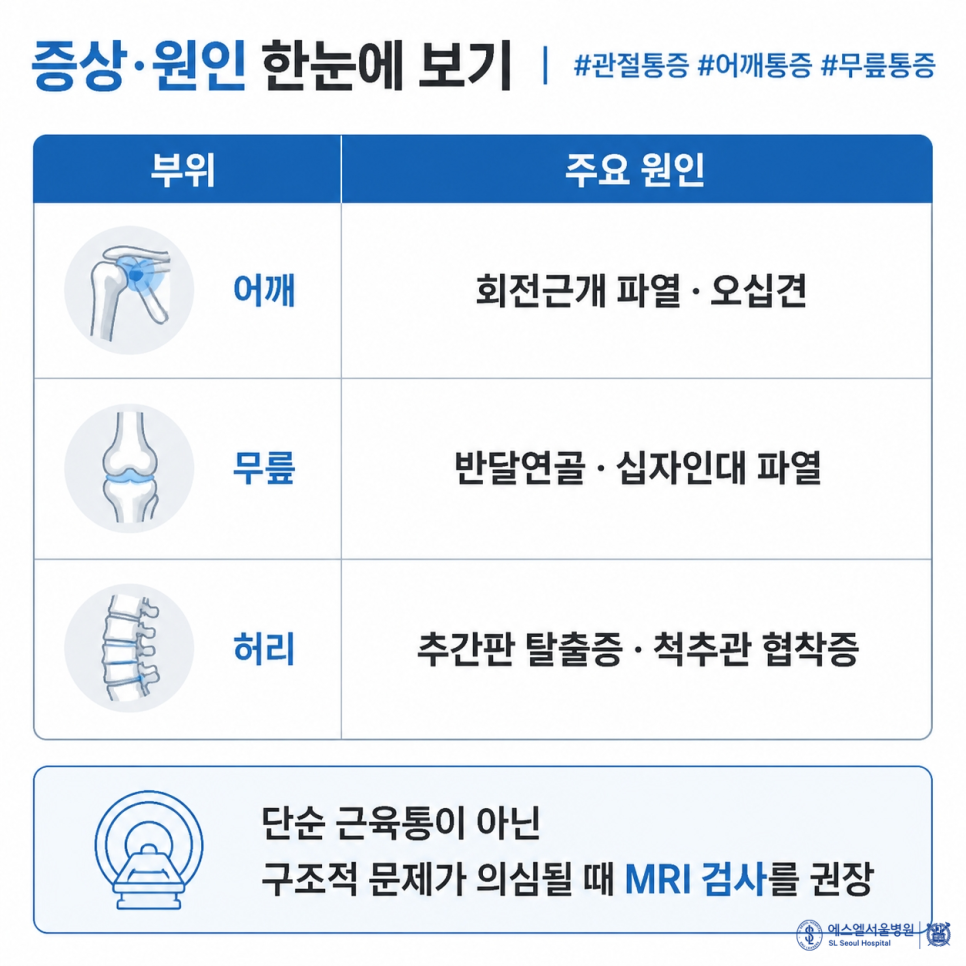
    orthopedic clinic in Dongducheon image 5

    Area & Symptom Likely Cause
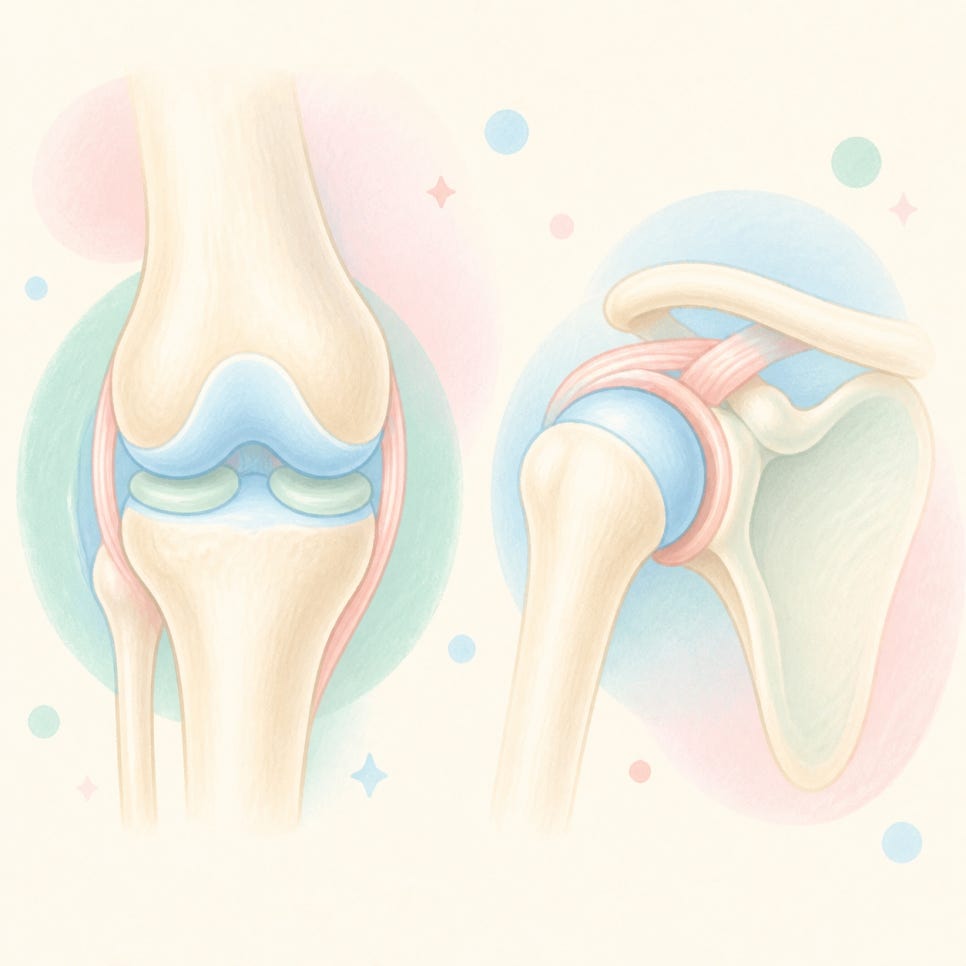
    Shoulder pain, difficulty raising the arm Rotator cuff tear, frozen shoulder, or other damage to tissue around the joint
    Knee swelling or a feeling of the joint giving way Meniscus tear, ACL/PCL tear, or other sports-related injury
    Lower back pain, numbness or tingling in the legs Herniated disc, spinal stenosis

    When a problem goes beyond simple muscle soreness and a structural issue inside the joint is suspected, this kind of exam can help clarify the likely cause.

    Left unaddressed, though, these symptoms can get worse, so it’s worth paying close attention.
    orthopedic clinic in Dongducheon image 6


    What Should You Look for in an Orthopedic Clinic?

    Joint pain sometimes improves on its own, but if a structural tear or injury is involved, professional care becomes necessary.

    That’s why it matters to be seen by an experienced medical team close to home.
    orthopedic clinic in Dongducheon image 7

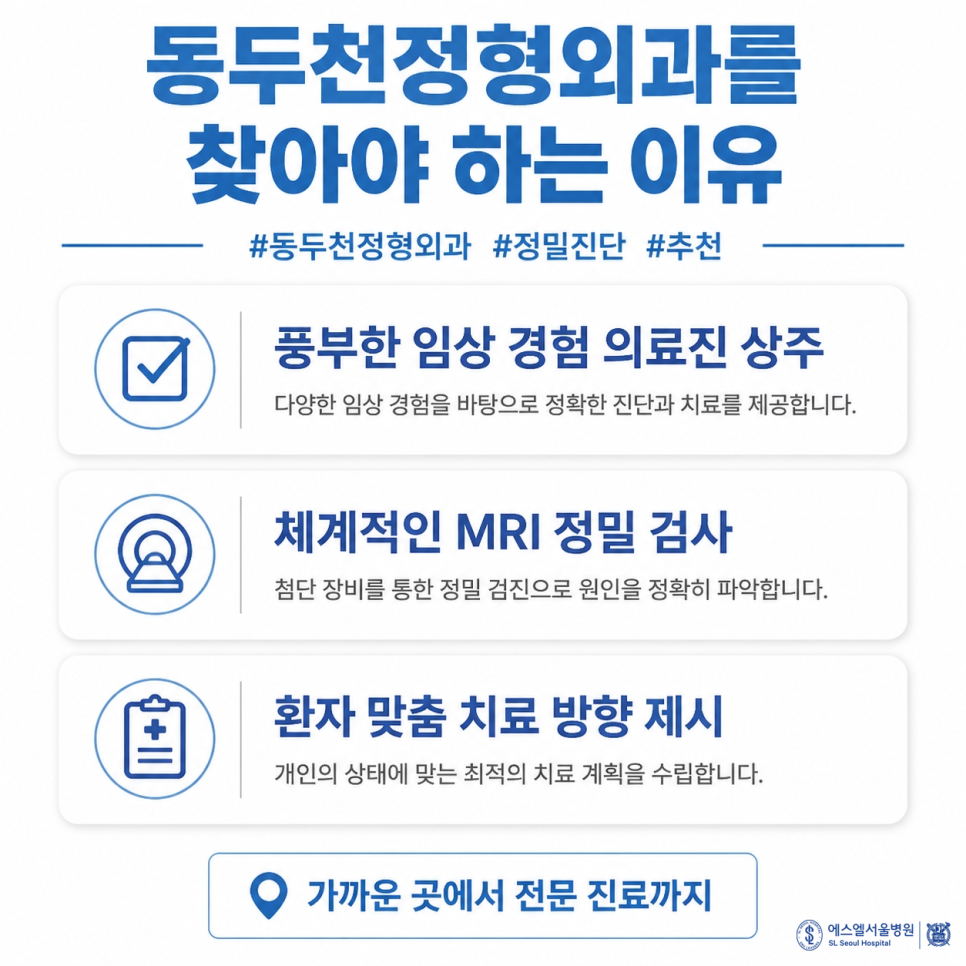
    It’s best to choose a clinic staffed with medical professionals who have substantial clinical experience.

    Every patient’s pain has its own cause and pattern, and experienced clinicians can analyze it carefully and recommend an appropriate course of action.

    Being able to get thorough evaluation and treatment close to home — without traveling far — is one practical consideration when choosing an orthopedic clinic in Dongducheon.

    📋 Checklist
    ✅ Has the pain lasted more than 2 weeks?
    ✅ Does the joint click, pop, or feel unstable when you move it?
    ✅ Is the pain severe enough to disrupt your sleep at night?
    If any of these apply to you, it’s advisable to get an orthopedic MRI scan.

    You can also find general information on spine and joint pain on the SL Seoul Spine & Joint Hospital website.

    The clinic is located at 13 Gosam-ro, Yangju-si, Gyeonggi-do — it’s worth factoring in accessibility as well.
    orthopedic clinic in Dongducheon image 11


    How Does an MRI Scan Work, and What Comes After?

    The exam process is simpler than you might expect.

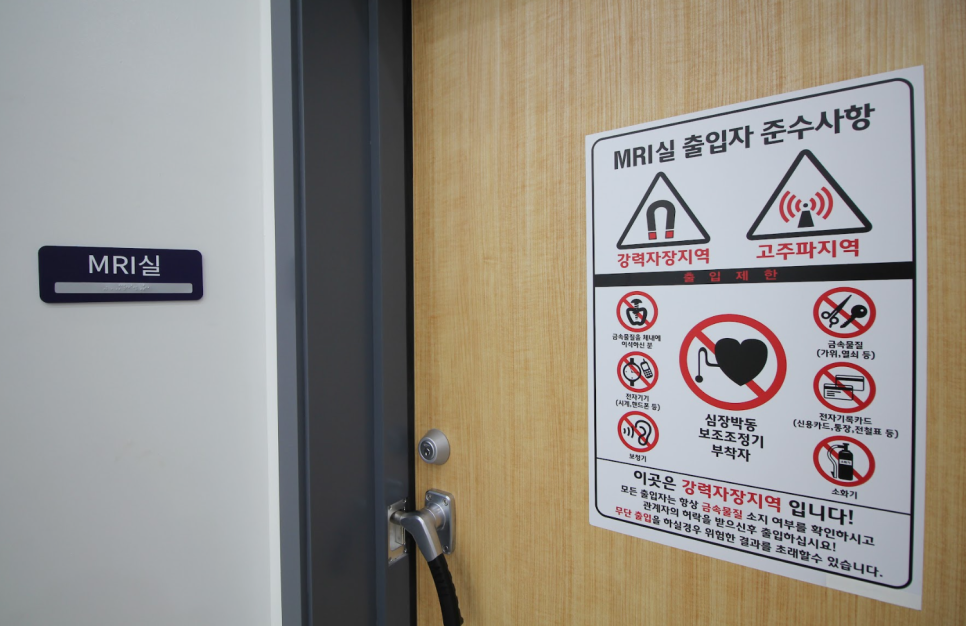
    For safety, you’ll remove all metal objects before entering the exam room.

    1. Lie down inside the scanner and breathe normally.
    2. Stay still while the machine is running.
    3. The machine makes noise, but earplugs are provided so it’s not a major discomfort.
    4. You can return to your normal routine right after the scan.

    orthopedic clinic in Dongducheon image 8

    Depending on the results, it’s important to follow up consistently with tailored care such as physical therapy, manual therapy, or injection treatments.
    Precautions
    If you have a metal implant in your body or are in early pregnancy, be sure to talk with your medical team before the scan.
    orthopedic clinic in Dongducheon image 9


    Frequently Asked Questions

    1. How long does the scan take?
    It varies by area and scope, but an orthopedic MRI scan generally takes about 20 to 30 minutes.

    2. Can pregnant patients get an MRI?
    There’s no radiation exposure, but patients in early pregnancy who haven’t reached the more stable second trimester should consult their medical team carefully beforehand.

    3. Do I need to fast before the scan?
    Standard musculoskeletal MRI scans don’t require fasting, but this may be different if contrast dye is used.

    4. Does regular stretching help prevent joint problems?
    Light stretching can strengthen the muscles around your joints and may help reduce the risk of injury.
    orthopedic clinic in Dongducheon image 10

    orthopedic clinic in Dongducheon image 12

    orthopedic clinic in Dongducheon image 13


    References

    · Asan Medical Center, “Magnetic Resonance Imaging (MRI),” Health Information. View source
    · Severance Hospital, “Rotator Cuff Tear,” Health Information Disease Encyclopedia. View source
    · Seoul National University Hospital, “Spinal MRI,” Medical Information Health Encyclopedia. View source

    This article is intended for general health information purposes only and is not a substitute for individual diagnosis or treatment. If you’re experiencing symptoms, please consult a specialist.
  • Herniated Disc Symptoms: 3 Early Warning Signs You Shouldn’t Ignore

    Herniated Disc Symptoms: 3 Early Warning Signs You Shouldn’t Ignore

    SummaryIf your lower back feels stiff every morning and the discomfort radiates down your legs, these could be herniated disc symptoms. This guide covers the causes, why the pain worsens when sitting, a self-check list, non-surgical treatment options offered at hospitals, and everyday habits that help prevent it.

    We’ve all had mornings when our lower back feels stiff the moment we wake up.

    It’s easy to brush it off as simple fatigue, but if the pain keeps coming back day after day, that’s a different story.

    It may not be ordinary muscle soreness at all — it could actually be a herniated disc symptom.

    herniated disc symptoms

    In this article, we’ll explain why morning back stiffness can be a warning sign, what a herniated disc actually is, and why leg numbness often shows up alongside it.

    You’ll also find a self-check list, the non-surgical treatments hospitals offer, and posture habits you can start changing today.

    Herniated disc symptoms illustration 2

    What Exactly Is a Herniated Disc (Disc Herniation)?

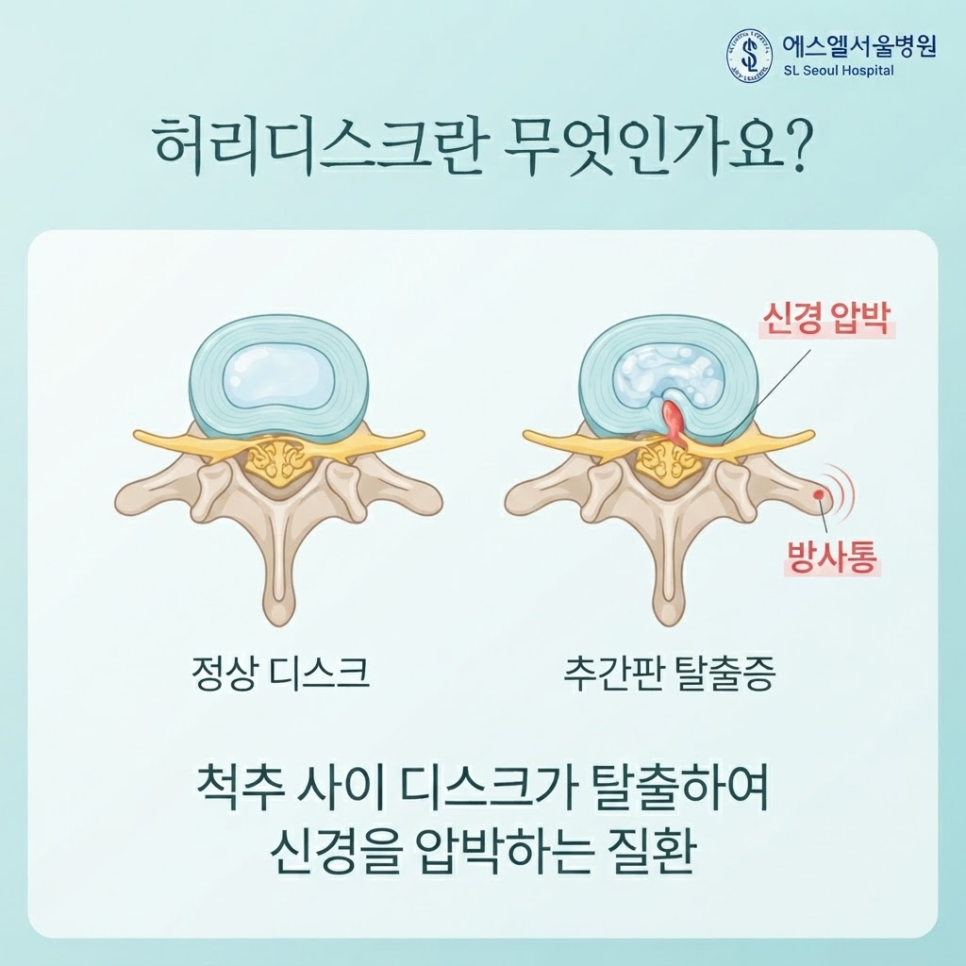
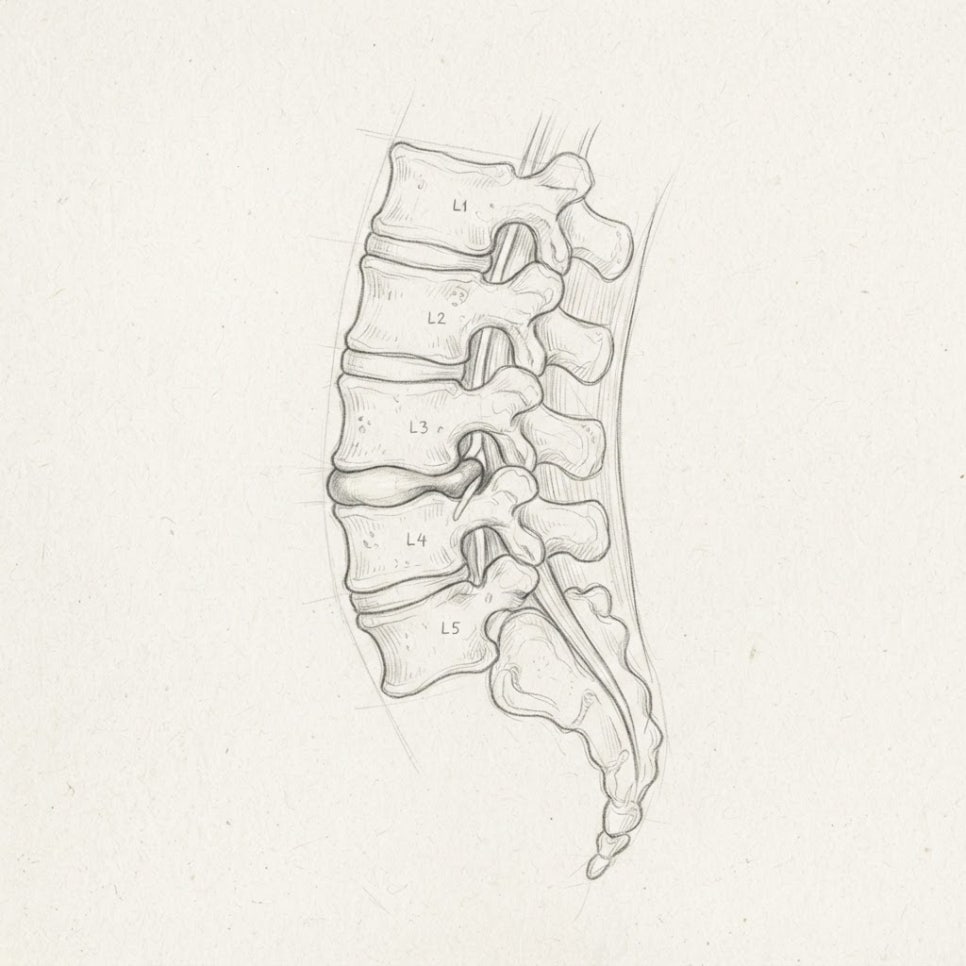
    To put it simply, a herniated disc is a condition in which a spinal disc slips out of place and presses on a nerve, causing pain.

    A herniated disc (disc herniation) occurs when a disc located between the vertebrae moves out of its normal position, compressing a nerve and causing pain.

    According to the Korea Disease Control and Prevention Agency’s National Health Information Portal, most patients improve with non-surgical treatment alone — such as medication, rest, and exercise therapy — and surgery is considered only when severe neurological symptoms, like muscle weakness or bladder and bowel dysfunction, are present.

    So rather than worrying about surgery the moment pain shows up, the first step is to get an accurate exam and find out how advanced the condition is.

    Herniated disc symptoms illustration 3

    Key Points
    ✔ A herniated disc causes pain when a displaced disc presses on a nerve.
    ✔ Early- to mid-stage cases often improve with non-surgical treatment.
    ✔ If pain keeps recurring, get a thorough exam instead of waiting it out.

    Herniated Disc Symptoms: What Early Signs Should You Watch For?

    Herniated disc symptoms generally fall into three main signs.

    The most common are persistent lower back stiffness, numbness radiating down the leg, and pain that worsens while sitting.

    When a disc presses on a nerve, the pain doesn’t stay in the lower back — it can radiate through the hips and down the legs, a pattern known as radiating pain (sciatica).

    Sitting for long periods increases the pressure on the disc in particular, which is why pain often gets worse while seated and eases somewhat after standing up.

    Herniated disc symptoms illustration 4

    Self-Check List
    ✅ I feel persistent stiffness in my lower back
    ✅ Numbness radiates down into my leg
    ✅ The pain gets worse when I sit
    ✅ The pain intensifies when I cough or sneeze

    If two or more of these apply to you, it’s best to get an accurate diagnosis at a hospital rather than brushing it off.


    What Non-Surgical Treatments Do Hospitals Offer?

    When pain persists, orthopedic specialists typically consider non-surgical treatment as the first option, tailored to the stage of the condition.

    Surgery is reserved for a small subset of patients with serious symptoms, such as nerve paralysis or bladder dysfunction.

    Herniated disc symptoms illustration 5

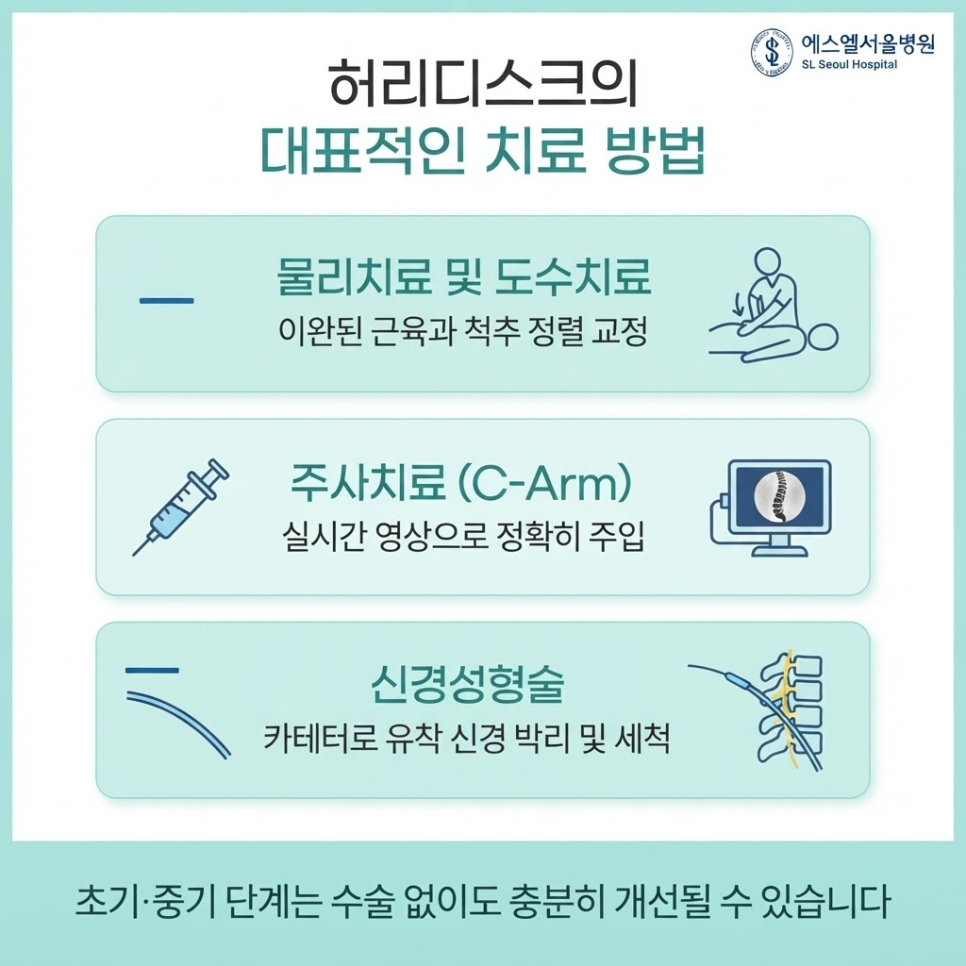
    1. Physical Therapy and Manual Therapy — Relaxes tight muscles around the spine while a therapist uses their hands or specialized tools to help correct spinal alignment and ease pain.
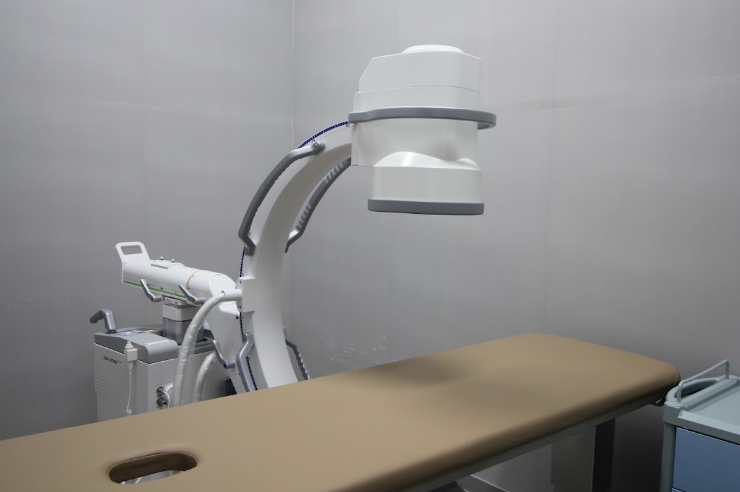
    2. Injection Therapy (C-arm fluoroscopy, etc.) — Uses real-time imaging to locate inflammation near the nerve and deliver medication precisely; the procedure is generally quick and may allow a relatively fast return to daily activities.
    3. Epidural Neuroplasty — A non-surgical procedure that inserts a catheter through the tailbone area to mechanically release adhesions around the nerve and flush out inflammatory substances.

    According to medical information from Asan Medical Center, epidural neuroplasty guides a catheter close to the affected area using imaging equipment, releasing adhesions and delivering medication directly to the site.

    Herniated disc symptoms illustration 6

    Key Points
    ✔ Most early- and mid-stage herniated discs can be managed without surgery.
    ✔ The right treatment depends on the cause and stage of the pain.
    ✔ If pain keeps recurring, don’t put off seeing a doctor for a consultation.

    If you’d like to learn more about the treatment approach that fits your stage of pain, you can find related information on the SL Seoul Spine & Joint Hospital website.


    Why Does a Herniated Disc Happen, and How Can You Prevent It?

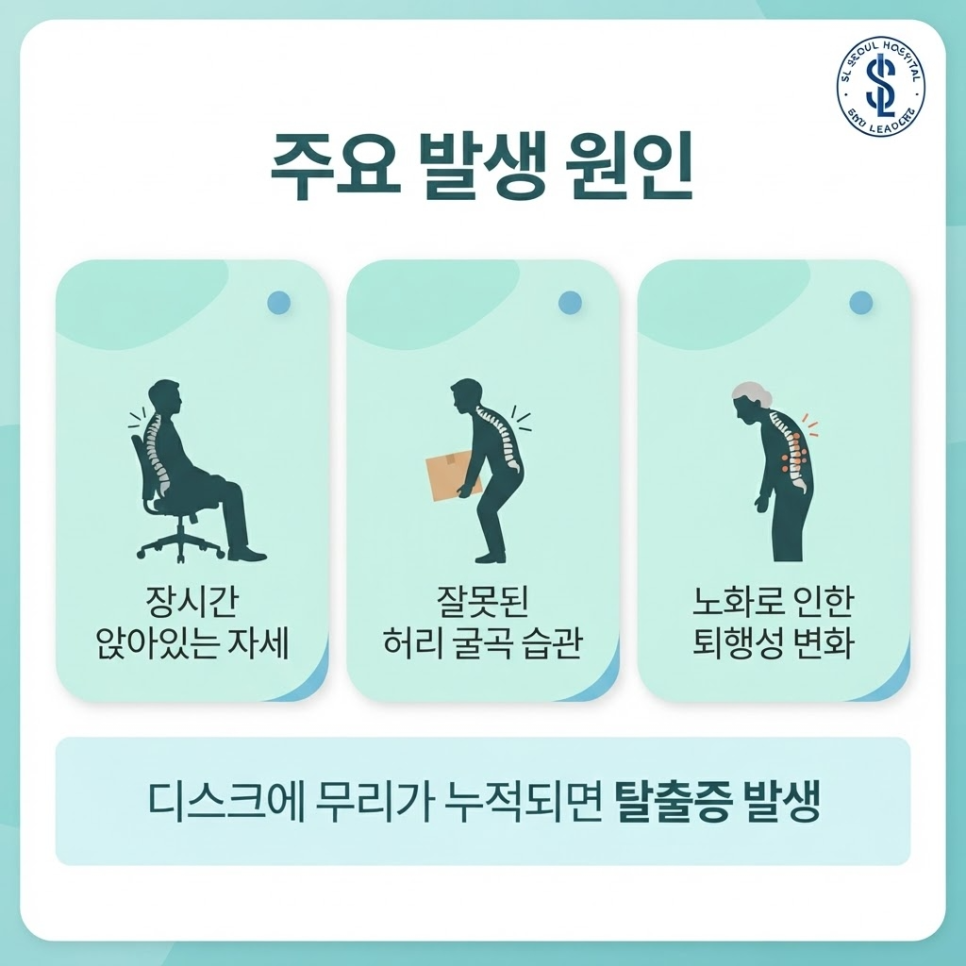
    Poor posture is one of the leading causes of back problems.

    The more time people spend sitting for work, the greater the strain placed on the spine.

    Habits like crossing your legs or slouching forward put repeated stress on the discs over time.

    Herniated disc symptoms illustration 7

    Beyond age-related degenerative changes, poor lifestyle habits are increasingly linked to similar symptoms showing up in younger people as well.

    Fortunately, identifying the cause early and correcting your posture can help reduce the radiating pain caused by nerve compression.

    Herniated disc symptoms illustration 8

    Key Takeaway
    Identifying the cause early and correcting your posture may help reduce the radiating pain caused by nerve compression.

    For prevention, regular stretching to strengthen the muscles around the spine is recommended.

    Avoid staying in one position for too long, and make it a habit to get up and move periodically.

    Light aerobic activities like walking or swimming tend to ease strain on the lower back more than heavy weight training.

    Herniated disc symptoms illustration 9

    A Word of Caution
    When lifting heavy objects, avoid bending at the waist. Instead, bend your knees and keep the object close to your body as you lift — this helps distribute the load away from your lower back.

    A single small posture habit may play a role in whether pain returns.

    We recommend changing your small habits one at a time, starting today.


    Frequently Asked Questions

    1. Does having a herniated disc always require surgery?
    Not necessarily. In the early stages, non-surgical methods such as physical therapy, manual therapy, and injection therapy can help improve symptoms. Surgery is only considered for patients with severe symptoms, such as nerve paralysis.

    2. How can I tell early herniated disc symptoms apart from simple muscle soreness?
    Simple muscle soreness usually fades within a few days, whereas early herniated disc symptoms tend to involve recurring stiffness along with leg numbness or pain that worsens while sitting.

    3. Is leg numbness also related to a herniated disc?
    Yes. When a herniated disc presses on a nerve, it can cause radiating pain and numbness that extends beyond the lower back into the hips and legs.

    4. What’s the best exercise for preventing back pain?
    Rather than strenuous forward-bending exercises, light walking on flat ground and exercises that stabilize the core muscles can be more beneficial for spine health.

    5. Is there a way to protect my back when sitting for long periods?
    Try standing up and stretching lightly every hour, and get in the habit of sitting with your lower back properly supported against the chair’s backrest.

    Herniated disc symptoms illustration 10

    Herniated disc symptoms illustration 11

    Herniated disc symptoms illustration 12

    Herniated disc symptoms illustration 13

    Herniated disc symptoms illustration 14


    References

    · Korea Disease Control and Prevention Agency, “Herniated Disc (Disc Herniation),” National Health Information Portal, 2024. View source
    · Asan Medical Center, “Epidural Adhesiolysis and Neuroplasty,” Medical Information, Asan Medical Center. View source


    This article is intended for general health information purposes only and is not a substitute for individual diagnosis or treatment. If you’re experiencing symptoms, please consult a medical professional.