Tag: Knee Cartilage Damage

  • Knee Surgery: 3 Key Checks Before Choosing an Orthopedic Surgeon

    Knee Surgery: 3 Key Checks Before Choosing an Orthopedic Surgeon

    SummaryBefore agreeing to knee surgery, here’s a checklist for choosing an orthopedic surgeon, the stages from conservative to surgical treatment, and how to protect your knees after surgery.

    What would you think if you went to a doctor for knee pain and, without much discussion, surgery was the first thing mentioned?

    If that happens, it’s worth pausing to reconsider how you’re choosing a provider in the first place.

    Knee surgery is generally considered a last resort once conservative treatment has reached its limits, not the first option on the table.

    This article covers what to check when choosing an orthopedic provider before agreeing to knee surgery, the step-by-step criteria from conservative to surgical treatment, and the joint-protection habits that matter whether or not you end up having surgery.
    knee surgery

    knee surgery related image 2

    Why does knee pain happen, and how should you choose an orthopedic surgeon?

    In short, a trustworthy orthopedic practice is one that presents both surgical and non-surgical options in a balanced way.

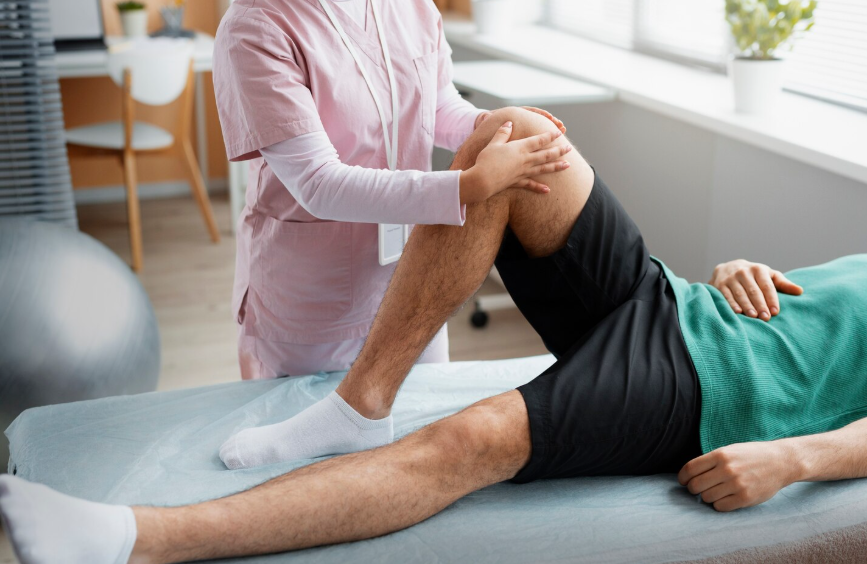
    An orthopedic surgeon is a physician who evaluates and treats musculoskeletal conditions—bones, joints, and ligaments—through detailed diagnostic testing and staged treatment.

    Because the knee bears the body’s full weight with every step, complaints of knee pain are rising not only among middle-aged and older adults but also among physically active younger people.

    Many people dismiss early knee pain as ordinary muscle soreness and only see a doctor once symptoms have lingered for a long time.

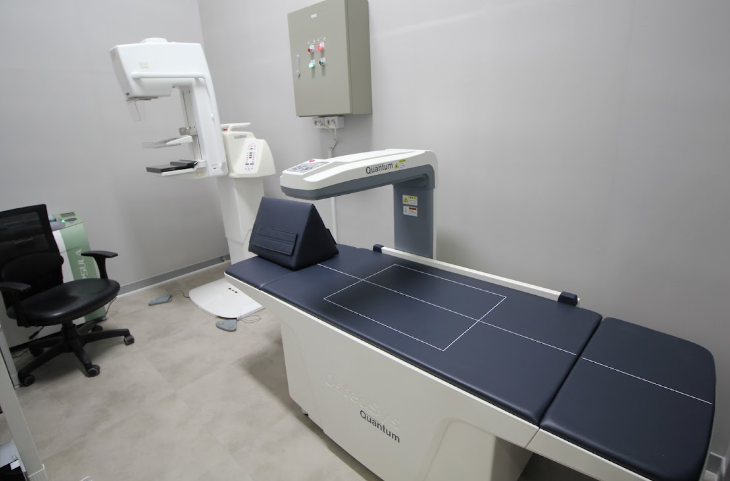
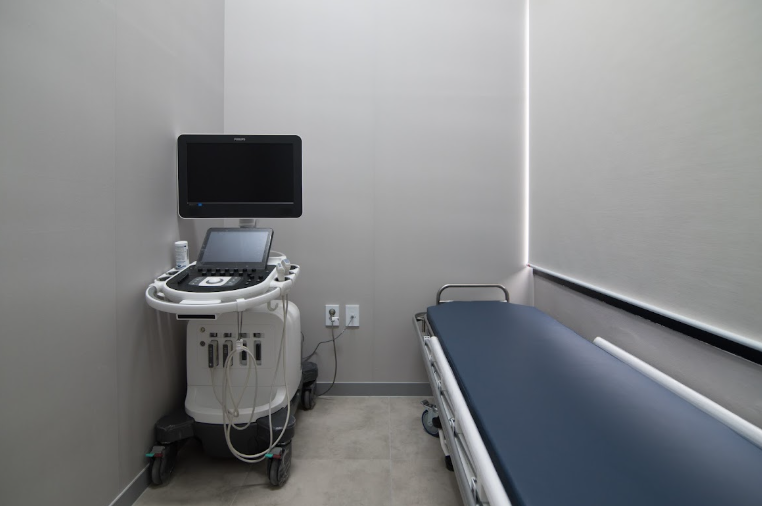
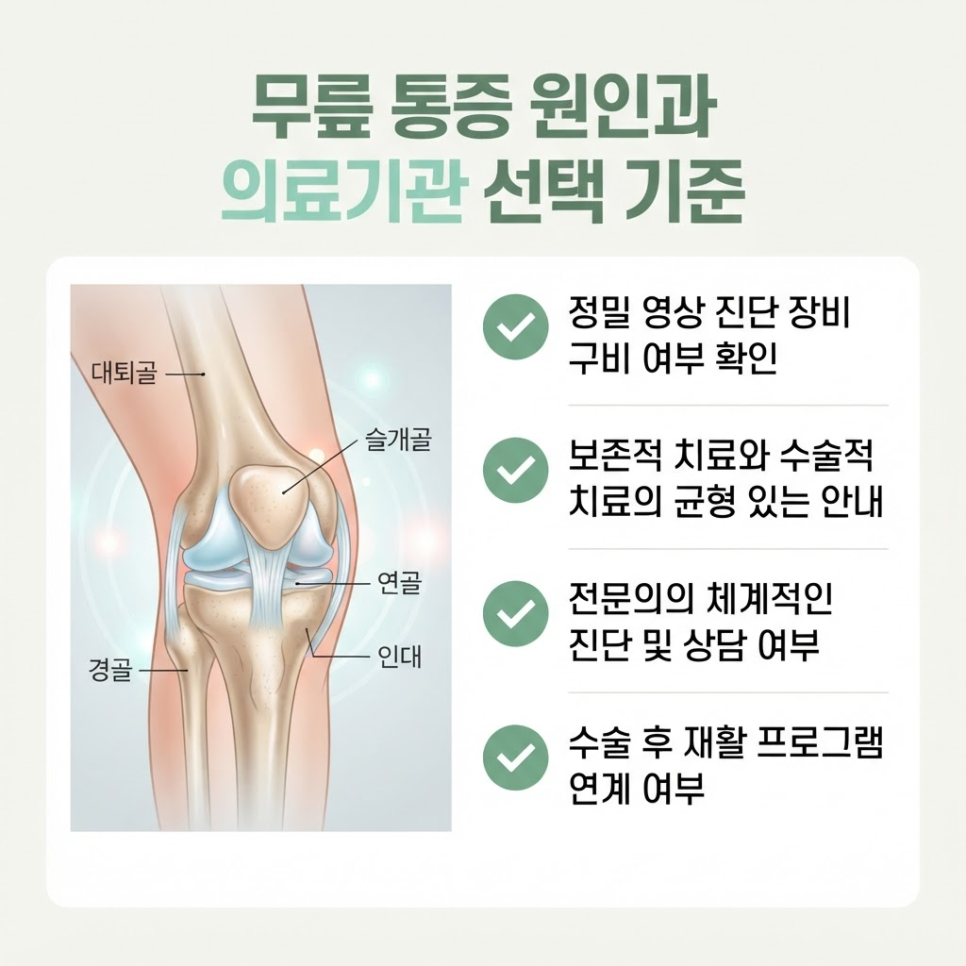
    That’s why, when choosing a provider, you should first check whether the practice has detailed imaging equipment on-site and whether specialist consultations are thorough and systematic.
    knee surgery related image 3

    Orthopedic provider checklist
    ✅ Does the practice have detailed imaging equipment (X-ray, MRI, etc.)?
    ✅ Does it present conservative and surgical treatment options in a balanced way?
    ✅ Are diagnosis and consultation handled systematically by a specialist?
    ✅ Does it offer a connected post-surgical rehabilitation program?

    knee surgery related image 4

    Key takeaway
    The longer knee pain is left untreated, the more diagnosis and treatment tend to be delayed.
    If symptoms persist for more than two weeks, it’s safest to get a thorough diagnostic exam.

    At what stage is knee surgery considered?

    In short, knee surgery is typically the last option considered when pain and functional decline don’t improve with conservative treatment.

    Knee surgery refers to treatment that repairs damaged cartilage or ligaments, or, when necessary, replaces the joint with an artificial implant to restore knee function.

    In earlier stages, conservative treatments such as medication and physical therapy are typically tried first.

    However, when cartilage damage is severe or degenerative arthritis has progressed significantly, conservative treatment alone may not be enough.
    knee surgery related image 5

    Key takeaway
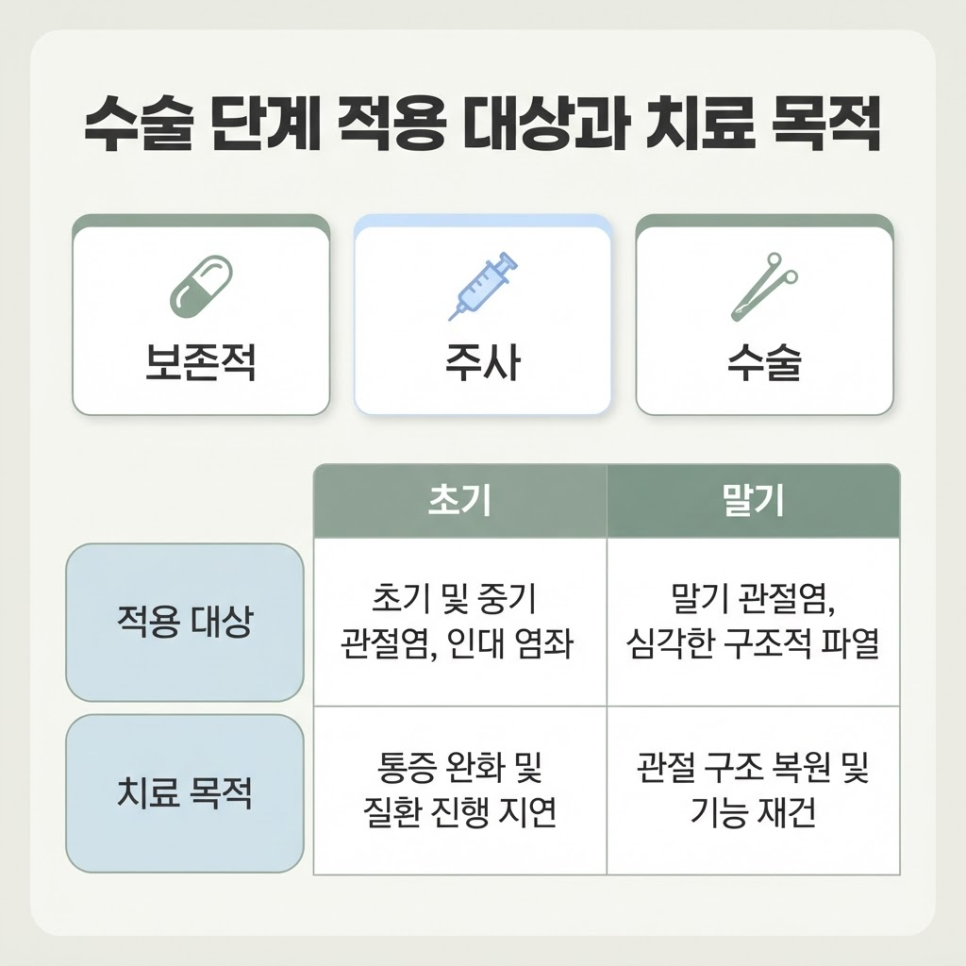
    Stage 1: Medication and exercise therapy (conservative treatment)
    Stage 2: Intra-articular injections with close monitoring
    Stage 3: Arthroscopic surgery or knee replacement considered
    Category Conservative Treatment Surgical Treatment
    Who it’s for Early to moderate arthritis, ligament sprains Advanced arthritis, structural tears
    Treatment goal Pain relief, slowing progression Restoring joint structure and function
    A note of caution
    Pain severity alone isn’t a reliable way to decide whether surgery is needed.
    The decision should always follow imaging that confirms the extent of cartilage damage.

    If you need an accurate diagnosis and consultation, visit the SLS Seoul Hospital Spine & Joint Center homepage for care information.


    What joint-care habits matter regardless of whether you have surgery?

    In short, weight management and thigh-strengthening exercise are the two habits that most affect how long your knees last.

    Joint-protection habits refer to lifestyle practices that reduce the load placed on the knee and strengthen the surrounding muscles to slow down joint damage.
    knee surgery related image 6

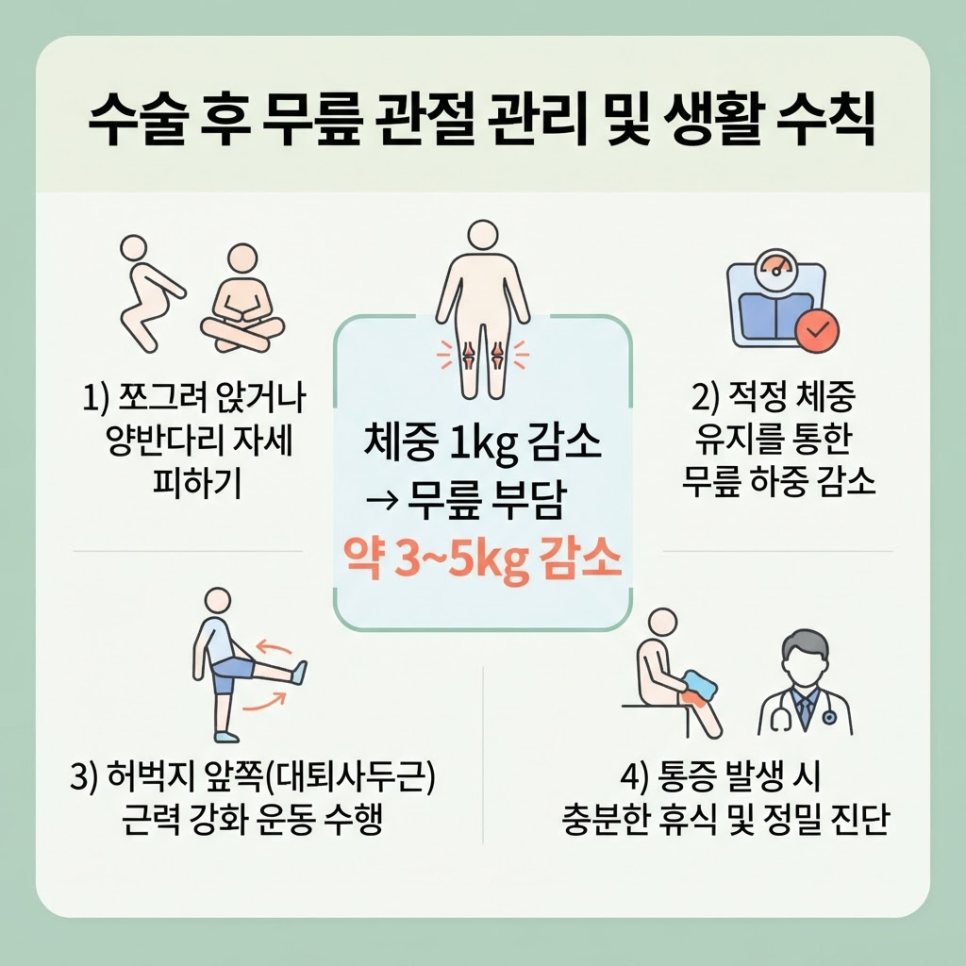
    The effect of weight loss
    According to media reports, losing just 1 kg of body weight is said to reduce the load on the knee by roughly 4 kg, though this can vary by individual.
    Consistent weight management is essentially a way to extend the lifespan of your joints.

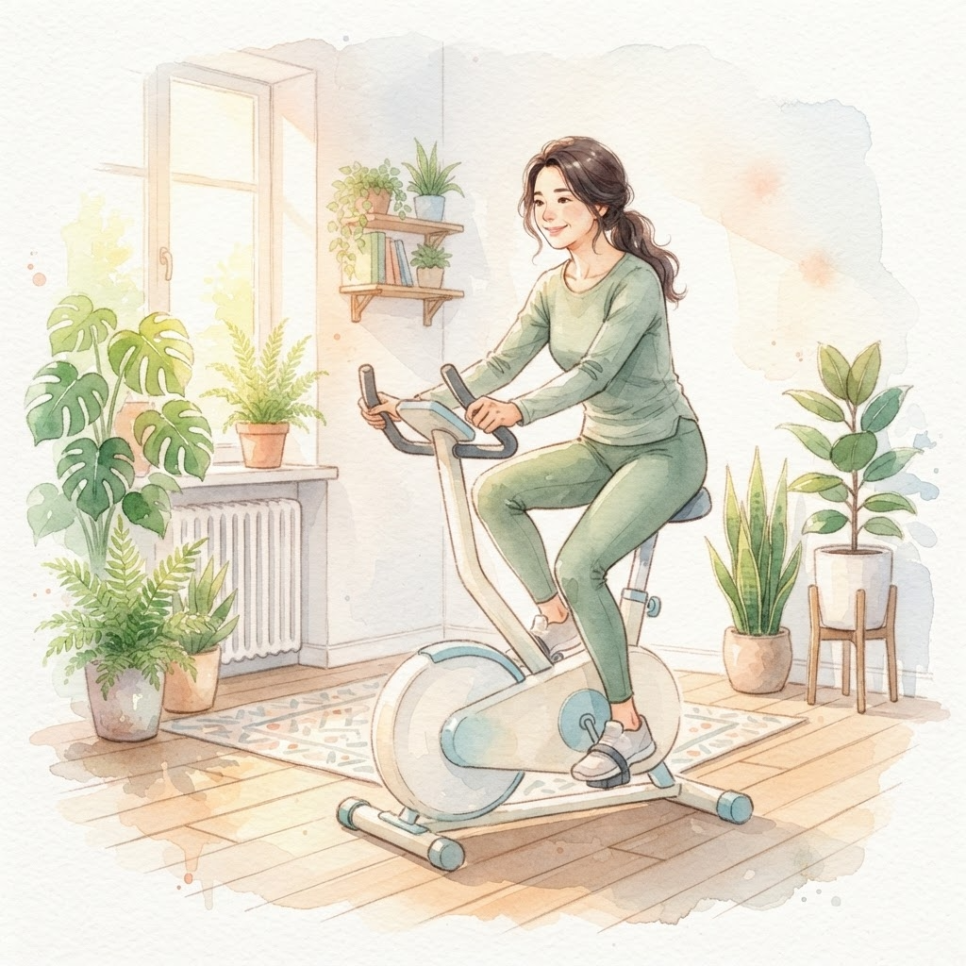
    Avoid strenuous hiking or repeated stair climbing, and instead choose low-impact aerobic activities such as walking on flat ground, swimming, or stationary cycling.

    In particular, strengthening the quadriceps—the muscles at the front of the thigh—under professional guidance helps maintain knee stability.

    knee surgery related image 7

    Joint-protection habits
    ✅ Avoid squatting or sitting cross-legged on the floor
    ✅ Maintain a healthy weight to reduce knee load
    ✅ Consistently strengthen the quadriceps (front thigh muscles)
    ✅ Rest when you feel pain and get a thorough evaluation

    Frequently Asked Questions

    1. If I have knee pain, do I automatically need surgery?
    No. In early to moderate stages, conservative treatments like medication, physical therapy, and exercise therapy are tried first. Knee surgery is considered only when sufficient conservative treatment doesn’t improve symptoms or structural damage is severe.

    2. What’s the first thing to check when choosing an orthopedic provider?
    It’s best to first confirm whether the practice has detailed imaging equipment and whether its specialists present both surgical and non-surgical options in a balanced way.

    3. How long does rehabilitation take after knee surgery?
    It varies by the type of surgery and the patient’s condition, but recovery of joint range of motion and strength typically happens gradually over weeks to months.

    4. What’s the best way to protect your knees in daily life?
    Avoiding squatting or sitting cross-legged, walking on flat ground, managing your weight, and consistently strengthening the quadriceps are all effective habits.


    knee surgery related image 8

    knee surgery related image 9

    knee surgery related image 10

    knee surgery related image 11


    References

    · Kookje Ilbo, “A 1 kg Weight Gain Puts 4 kg of Extra Load on the Knee,” Kookje Ilbo, 2019. Read more
    · Korea Disease Control and Prevention Agency (KDCA) National Health Information Portal, “Knee Osteoarthritis: Exercising the Right Way,” KDCA. Read more
    · Seoul National University Hospital, “Degenerative Arthritis,” SNUH Medical Information. Read more

    This article is provided for general health information purposes only and is not a substitute for individual diagnosis or treatment. If you have symptoms, please consult a physician.

  • Knee Pain Causes: 3 Reasons Your Knee Hurts Going Down Stairs

    Knee Pain Causes: 3 Reasons Your Knee Hurts Going Down Stairs

    SummaryIf your knee aches when going down stairs, it may not be simple muscle soreness but a sign of cartilage damage. This article covers two common knee pain causes — osteoarthritis and chondromalacia patellae — along with stage-by-stage symptoms and everyday habits that can help.

    Does the front of your knee sting every time you go down the stairs?

    Most people brush it off as ordinary muscle soreness, but if left unaddressed, the discomfort can develop into throbbing pain that flares up at night.

    Failing to identify the knee pain causes in time can allow cartilage damage to progress quietly, so it’s worth paying attention early.

    knee pain causes

    Key Point
    This article breaks down the difference between osteoarthritis and chondromalacia patellae, two common knee pain causes.
    We’ll also look at symptoms by cartilage damage stage and everyday habits that can help ease the load on your knee joints.

    What Causes Knee Pain When Going Down Stairs?

    The reason pain concentrates in the front of the knee when going down stairs is that the joint bears far more weight-bearing load than when climbing up.

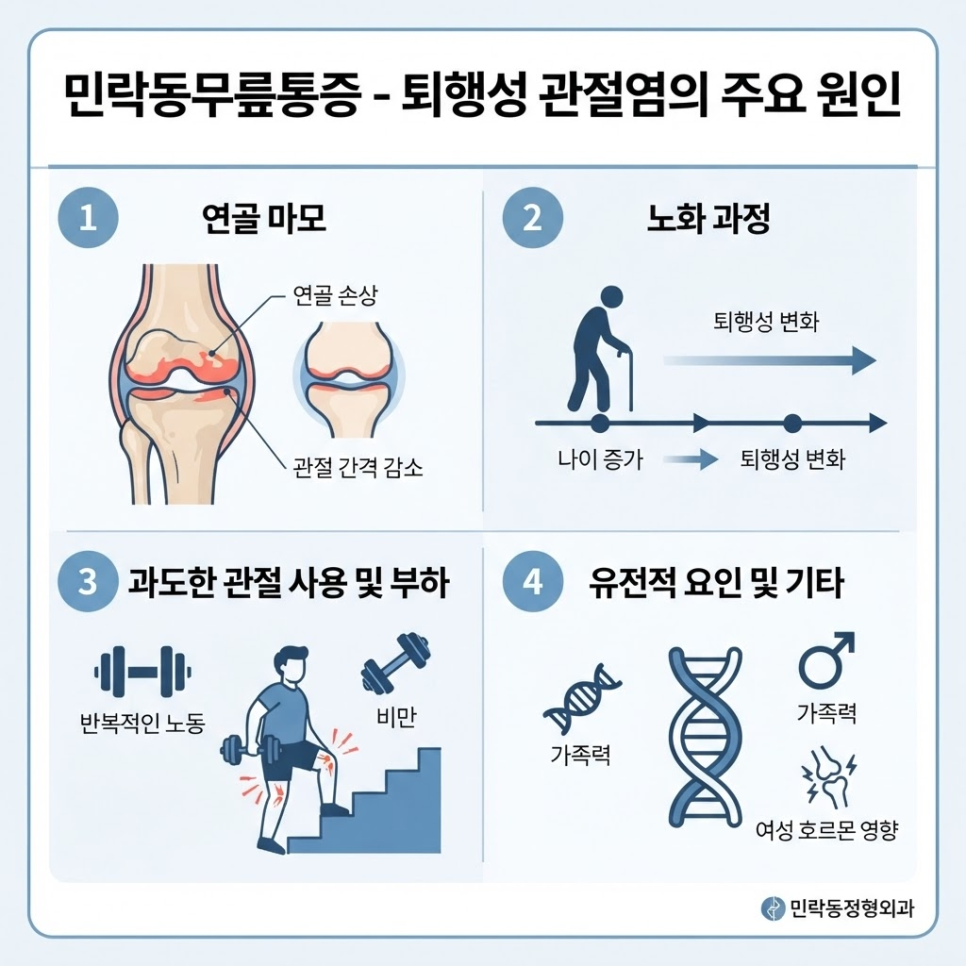
    Most knee pain causes come down to cartilage thinning out until bone starts rubbing against bone.

    The knee joint absorbs several times your body weight every single day.
    Because cartilage has no nerve cells, you barely feel anything during the early stages of wear.

    But once enough time passes and the cartilage thins to the point where bones make direct contact, the pain finally becomes noticeable.

    knee pain causes - related image 2

    The causes of knee pain can be grouped below according to which part of the joint is affected.

    Cause Description
    Osteoarthritis A condition in which cartilage gradually wears down due to aging or overuse
    Chondromalacia patellae A condition in which the cartilage behind the kneecap loses firmness and weakens
    Meniscus tear Damage to the cushioning structure inside the knee that absorbs shock

    knee pain causes - related image 3

    Because joints have a limited capacity to heal on their own once damaged, early management is key.
    If you feel pain, it’s safer to stop strenuous exercise right away and rest sufficiently.


    How Are Osteoarthritis and Chondromalacia Patellae Different?

    The two conditions differ in where the cartilage damage occurs and how quickly it progresses.

    Osteoarthritis is a condition in which the cartilage that protects the joint wears away due to aging or repeated stress.
    Chondromalacia patellae, on the other hand, can appear even in relatively younger people and begins when the cartilage behind the kneecap softens.

    According to Korea’s Disease Control and Prevention Agency, the prevalence of osteoarthritis among Korean adults aged 50 and older is around 12.5%, with women affected roughly 3.7 times more often than men.
    Middle-aged and older adults — women in particular — should pay extra attention to joint care.

    Key Point
    Cartilage is a tissue that does not regenerate on its own once it wears down.
    So even if the pain feels mild, if it keeps recurring, it’s best to have it checked early.

    What Stages Does Knee Cartilage Damage Go Through?

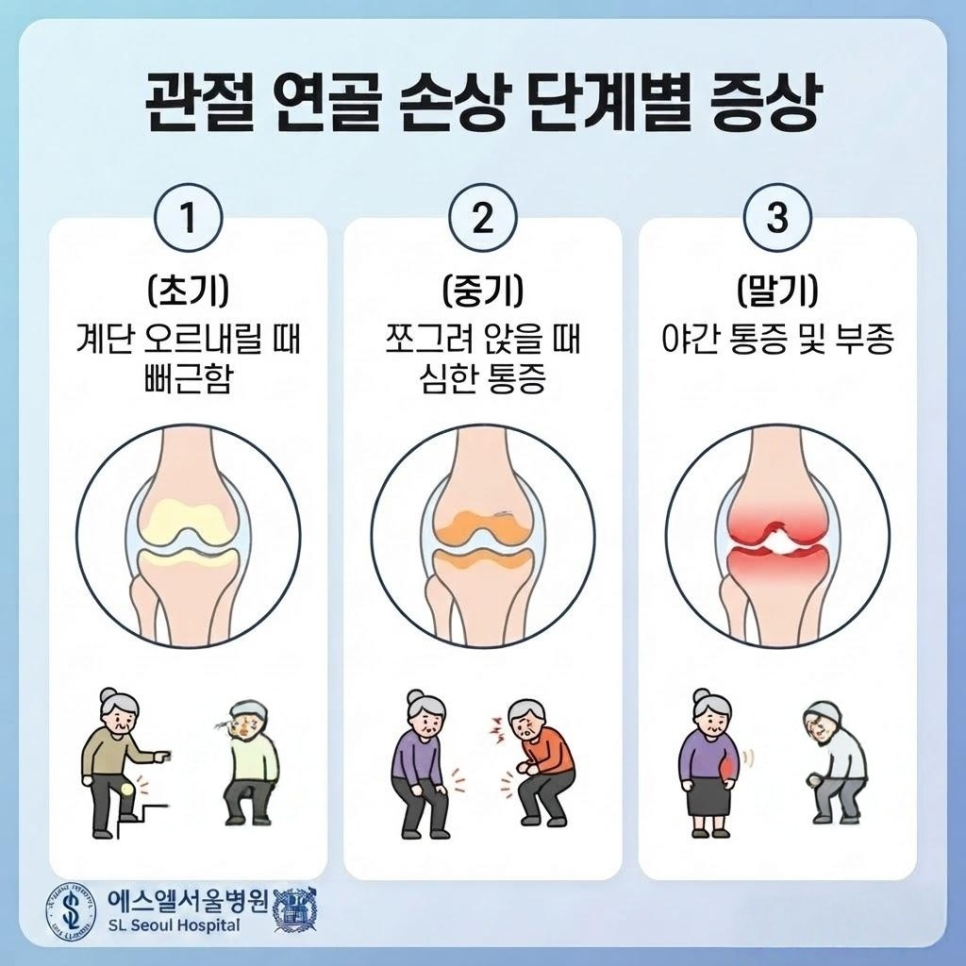
    Joint damage stages are a diagnostic framework based on the degree of cartilage wear.
    As the stage progresses, both the situations that trigger symptoms and their intensity change.

    1. Early stage — Walking on flat ground causes little discomfort, but stiffness appears when climbing or descending stairs.
    2. Moderate stage — Pain becomes noticeable when sitting cross-legged or squatting.
    3. Advanced stage — The joint aches and swells not only while walking but also at night during sleep.

    knee pain causes - related image 4

    knee pain causes - related image 5

    It is generally recommended to pair each stage with appropriate non-surgical, conservative care.

    Checklist
    ✅ The front of your knee feels stiff when using stairs
    ✅ You hear a sound along with pain when moving the joint
    ✅ Sitting cross-legged or squatting is uncomfortable
    ✅ Walking on flat ground is difficult, or you feel pain at night
    If two or more apply, it may be a sign that your knee is under excessive strain.

    What Lifestyle Habits Help Reduce Strain on the Knee Joint?

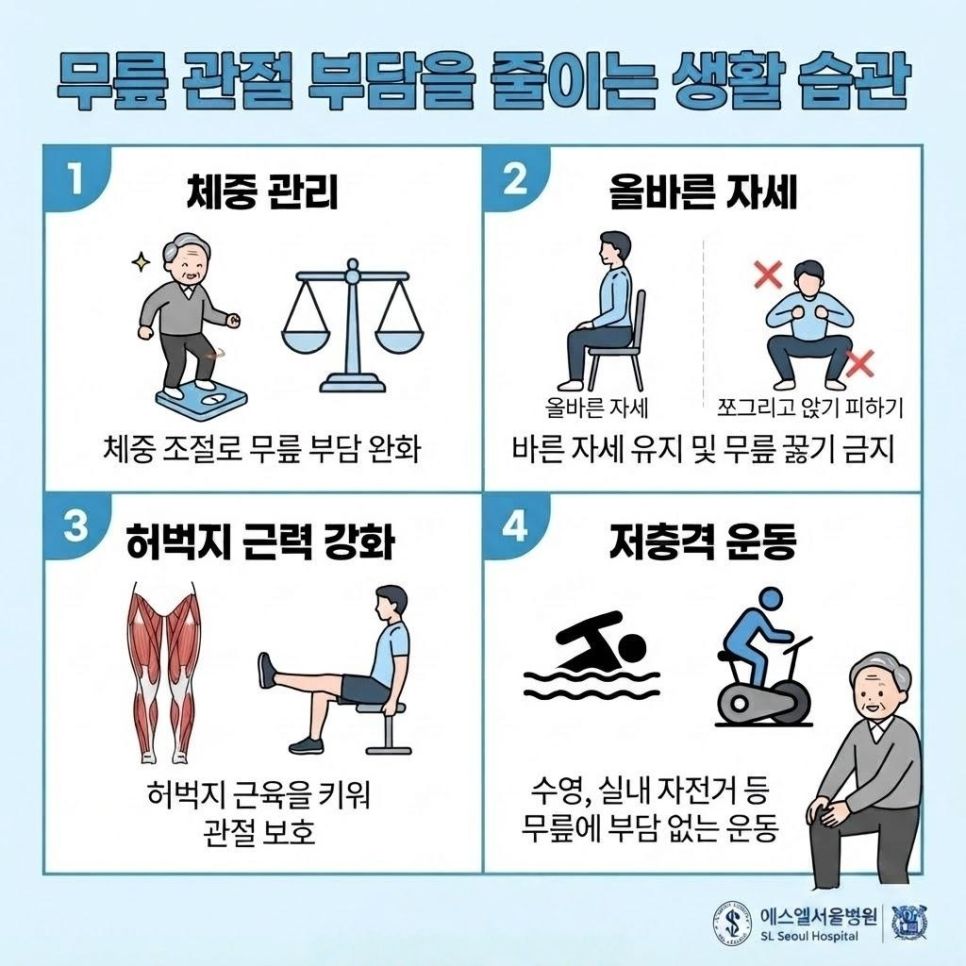
    Strengthening the thigh muscles and adopting habits that distribute body weight more evenly can help protect the joints.

    It’s estimated that for every 1 kg (about 2.2 lb) of body weight gained, the load on the knee joint increases by roughly 3 to 5 kg.
    Simply maintaining a healthy body weight can help reduce common knee pain causes.

    knee pain causes - related image 6

    Habits like squatting to do housework or sitting cross-legged sharply increase pressure on the joint.
    If possible, consider switching to a chair-based routine instead.

    Things to Keep in Mind
    · Avoid deep squatting positions that bend the knee more than 120 degrees
    · Refrain from strenuous hiking or repeated stair climbing while in pain
    · If pain lasts more than 2 weeks, prioritize seeing a doctor over self-care

    knee pain causes - related image 7

    Try to consistently do exercises like stationary cycling or walking on flat ground to strengthen the quadriceps (front thigh muscles).
    Stronger thigh muscles can help absorb some of the impact that would otherwise land directly on the joint.

    Bottom Line
    Combining consistent lower-body strength training with weight management may help reduce the load placed on your joints.
    However, if pain is already present, don’t rely on self-care alone — it’s recommended to also see an orthopedic specialist.

    If symptoms keep recurring, you can also check the SL Seoul Hospital Spine & Joint Center homepage for information on care options.


    Frequently Asked Questions

    1. If my knee makes noise but doesn’t hurt, do I still need treatment?
    Sound without pain is often just a natural result of friction. However, if pain or swelling is also present, it could indicate cartilage damage, so it’s worth getting checked.

    2. Is heat or ice better for knee pain?
    Ice is more suitable for sudden injuries or swelling accompanied by warmth. For dull, chronic pain, heat therapy that promotes blood circulation tends to work better.

    3. What exercises help prevent arthritis?
    Low-impact activities that put less weight on the knee — such as swimming, water walking, stationary cycling, and slow walking on flat ground — are commonly recommended.

    4. Do I always need to see a doctor for knee pain?
    If pain persists for more than 2 weeks despite rest, or if it’s accompanied by pain at night, it’s safer to get a thorough evaluation from an orthopedic specialist.

    knee pain causes - related image 8

    knee pain causes - related image 9


    References

    · Korea Disease Control and Prevention Agency, “Osteoarthritis,” National Health Information Portal. View source
    · Korea Disease Control and Prevention Agency, “Prevalence of Osteoarthritis Among Korean Adults Aged 50 and Older (2010-2013),” Weekly Health and Disease.View source
    · Hyundai Health Newspaper, “Obesity and Arthritis… Every 1kg of Weight Gain Adds 3-5kg of Knee Load,” 2023.View source
    · Ministry of Health and Welfare, Bokjiro, “Sore Knees in Summer and Monsoon Season… Ice or Heat?”.View source

    knee pain causes - related image 10

    knee pain causes - related image 11

    knee pain causes - related image 12

    This article does not promote any specific procedure and is intended to provide general health information only.
    It cannot replace individual diagnosis or treatment, so please consult a qualified physician if you are experiencing symptoms.