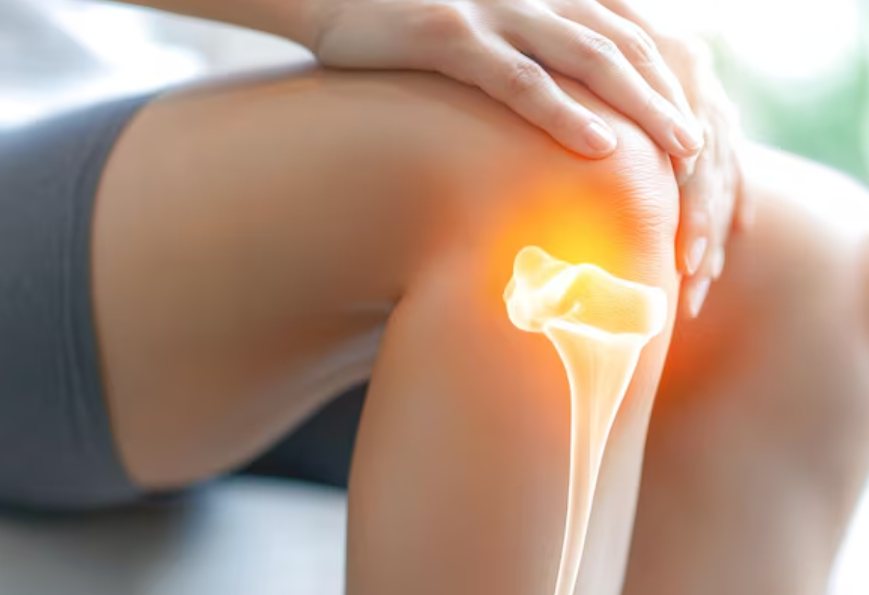
Tag: Knee Pain

  • Knee Shockwave Therapy: 3 Things to Check If Stair Pain Lasts 2+ Weeks

    Knee Shockwave Therapy: 3 Things to Check If Stair Pain Lasts 2+ Weeks

    SummaryKnee shockwave therapy is a conservative, non-surgical treatment that uses high-energy sound waves to improve blood flow and support tissue repair, without any incision or anesthesia. If stair-climbing pain has lasted more than 2 weeks, here’s what to know about how it works, who it’s for, and the recommended number of sessions.

    Most of us have felt that sharp, tingling twinge in the knee while walking down stairs at least once.

    It’s tempting to assume a few days of rest will fix it,
    but many people put off dealing with the pain and only see a doctor once it’s become a bigger problem.

    According to a Newspim report citing Health Insurance Review & Assessment Service data, the number of patients treated for degenerative arthritis rose from about 4.04 million in 2019 to roughly 4.33 million in 2023.
    Pain that feels like ordinary muscle soreness can actually be microscopic damage to a ligament or tendon.

    Key takeaway
    A sharp twinge in the knee when climbing or descending stairs can be a sign that microscopic damage has built up in the cartilage, ligaments, or tendons.
    Knee shockwave therapy is a conservative treatment that uses high-energy sound waves to support blood flow and tissue regeneration, without any incision or anesthesia.
    If symptoms last more than 2 weeks, it’s important to get a thorough exam to identify the underlying cause first.
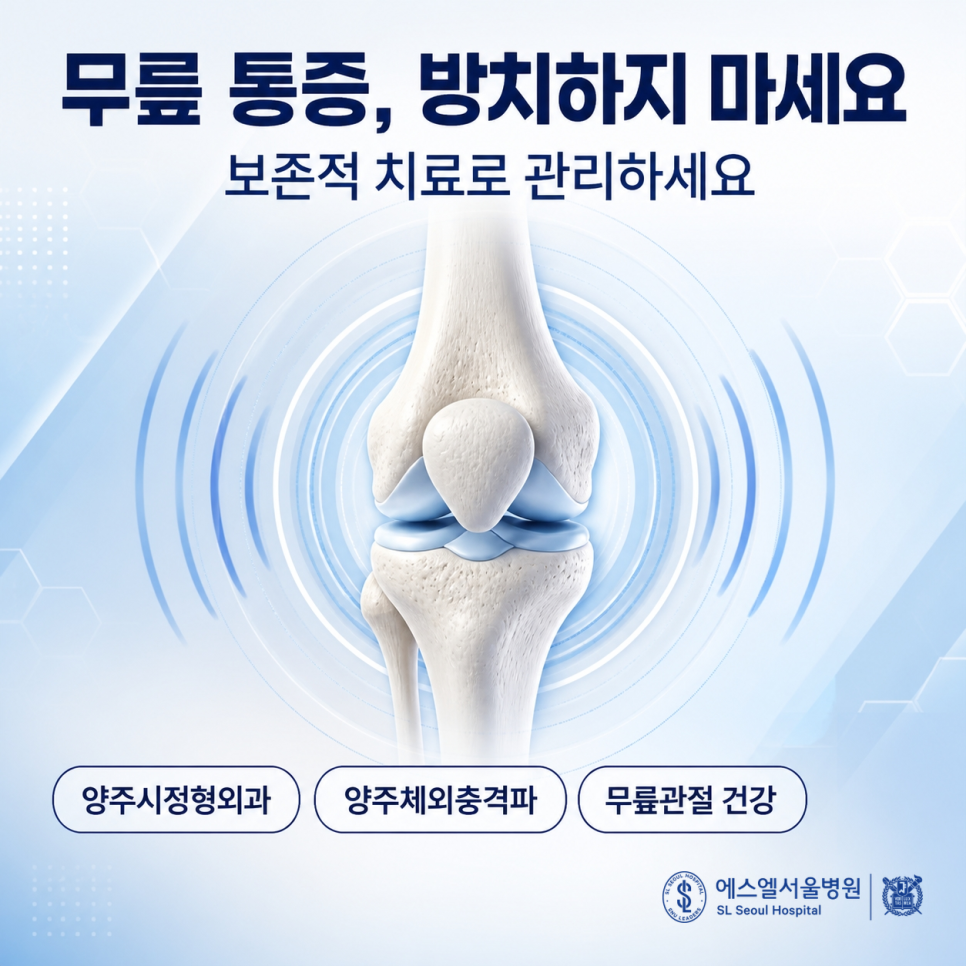
    knee shockwave therapy

    Why Is It Risky to Ignore Knee Pain?

    The short answer: the longer you dismiss early pain as ordinary fatigue, the more your joint’s range of motion narrows, making it easier for the pain to become chronic.

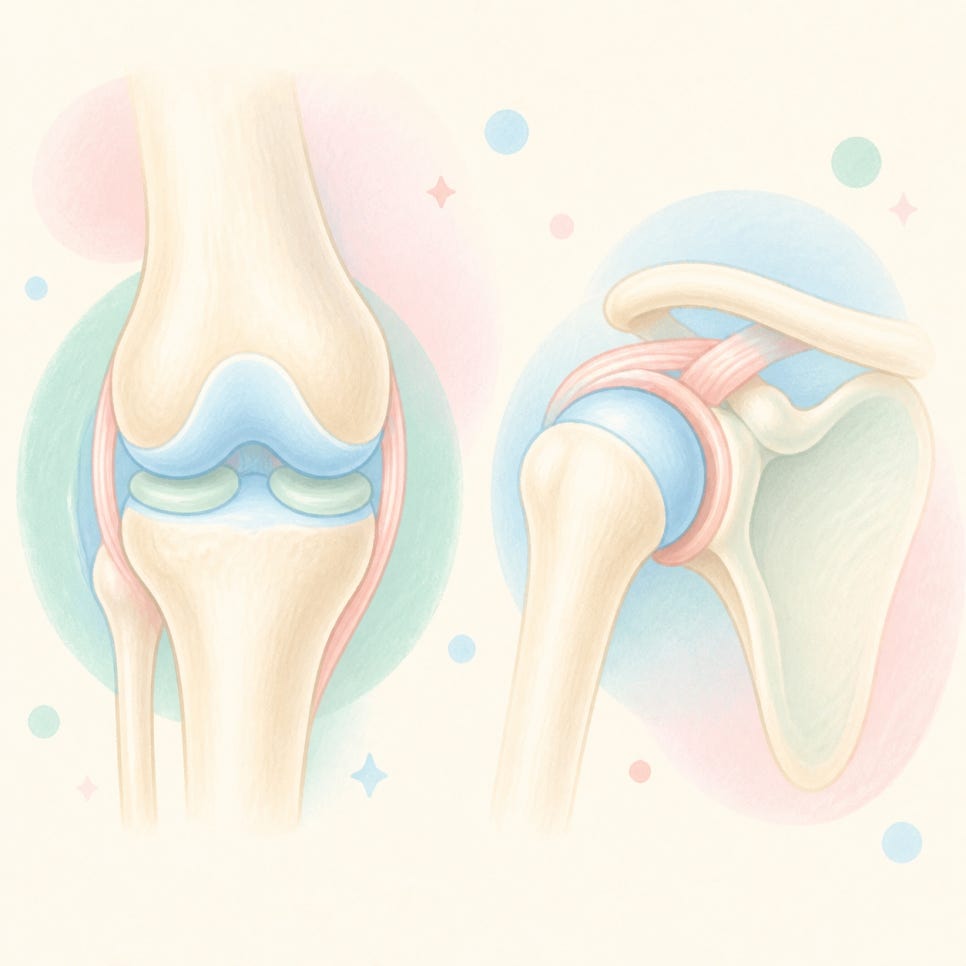
    Knee pain doesn’t only come from degenerative arthritis, where the cartilage wears down —
    it can also stem from tendinitis, ligament damage, and a range of other causes.

    The Korea Disease Control and Prevention Agency’s National Health Information Portal describes osteoarthritis this way.

    Osteoarthritis is a condition in which the cartilage that cushions the impact between the bones of a joint gradually deteriorates or undergoes degenerative change, causing secondary damage to the bone, joint capsule, and surrounding ligaments — resulting in pain, deformity, and functional impairment.

    The agency also notes that there is currently no treatment that can fully restore a joint that has already undergone degenerative change back to normal.

    That’s exactly why
    identifying and managing the cause of pain early matters so much.
    Knee shockwave therapy illustration 2

    Knee shockwave therapy illustration 3

    Cartilage, ligaments, and tendons all have limited blood supply, which gives them a relatively low capacity for self-repair.

    According to the same Newspim report, 82.3% of degenerative arthritis patients are age 60 or older, and the condition tends to become more common with age.

    Knee shockwave therapy illustration 4

    Checklist
    ✅ You feel a sharp twinge in the knee when climbing or descending stairs
    ✅ Your joint feels stiff when standing up after sitting for more than 30 minutes
    ✅ The area around the joint is frequently swollen or feels warm
    ✅ You hear a sound from your knee while walking, along with pain

    If even one of these applies to you, it’s worth seeing an orthopedic specialist to pinpoint the exact cause.
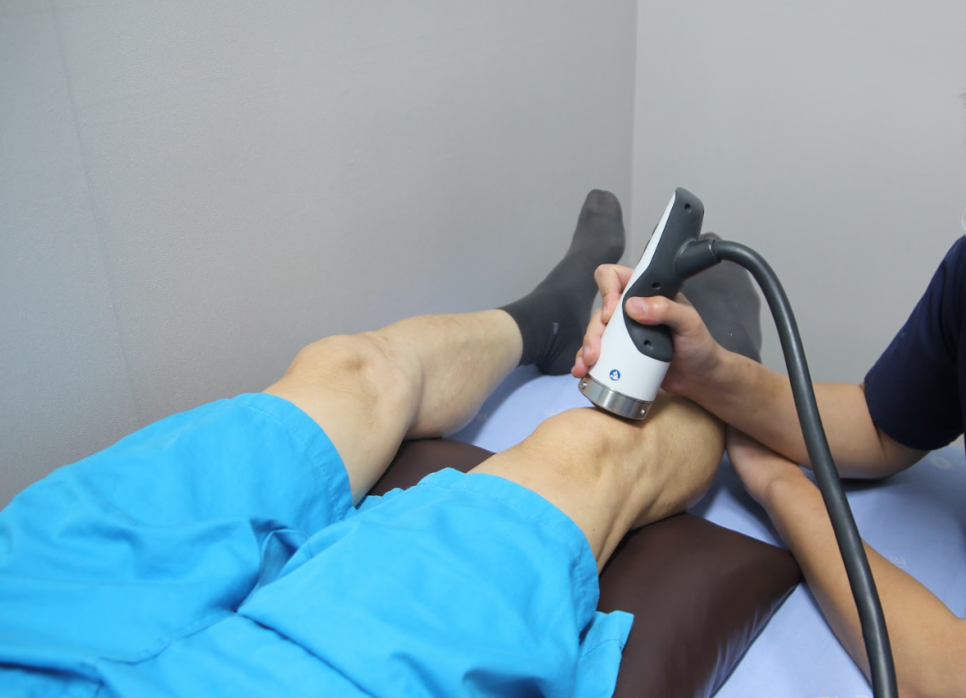
    Knee shockwave therapy illustration 5


    What Is Knee Shockwave Therapy and How Does It Work?

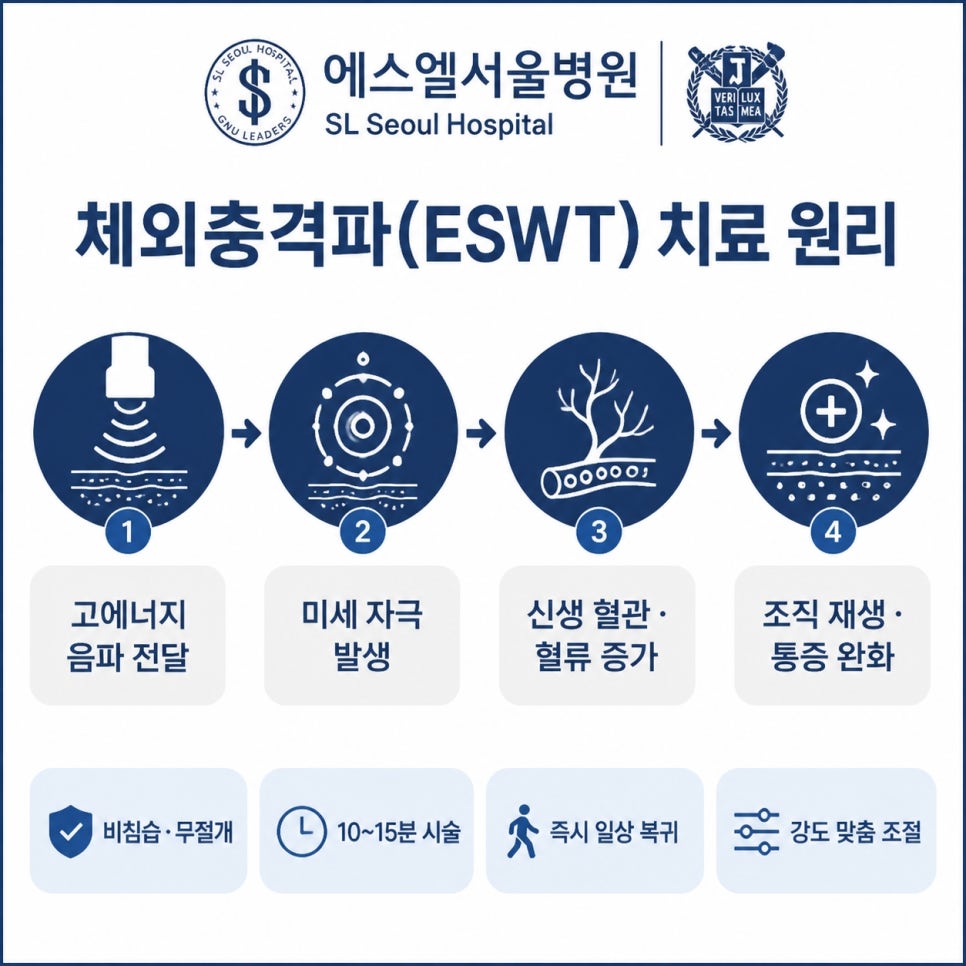
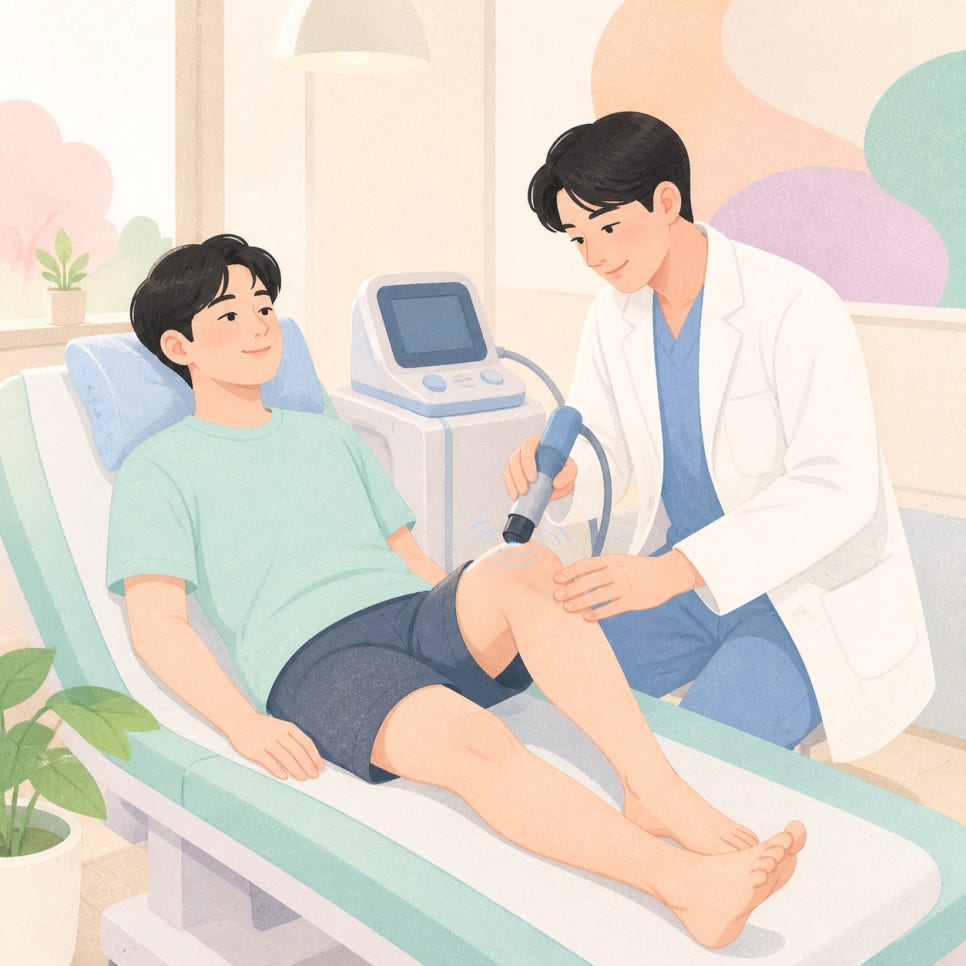
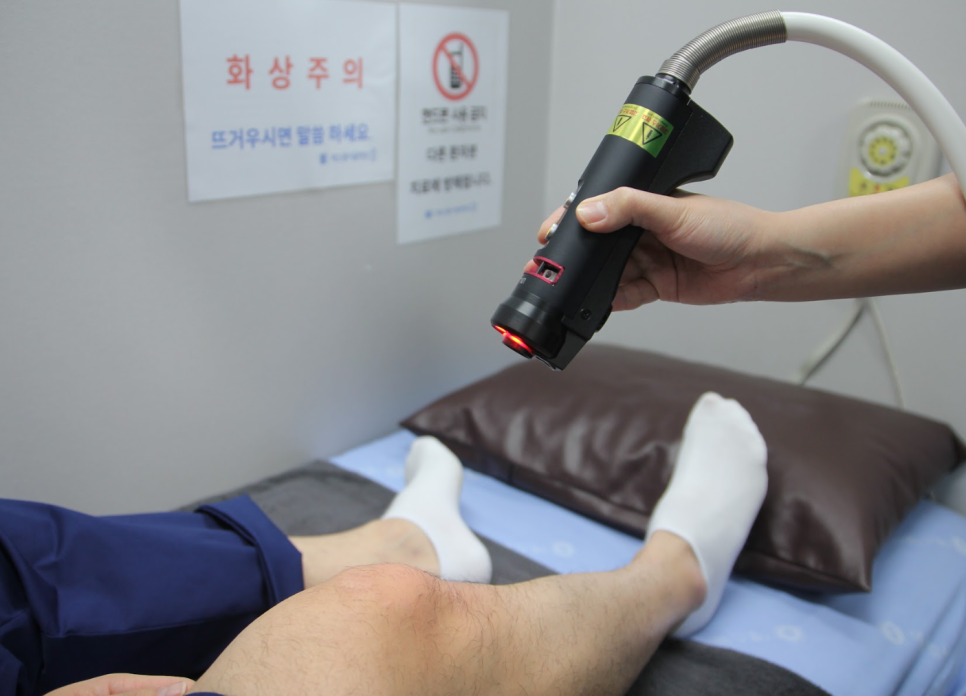
    Extracorporeal shock wave therapy (ESWT) is a non-surgical, conservative treatment that delivers high-energy sound waves to the affected area to help reactivate cells and improve blood flow.

    Because it’s a non-invasive method involving no incision or anesthesia, it places relatively little burden on the body.
    Knee shockwave therapy illustration 6

    A session typically takes only about 10 to 15 minutes,
    so even busy professionals can fit it into their schedule and return to normal activities right afterward.

    Because the depth of the affected tissue and each patient’s pain tolerance differ,
    it’s important for the shockwave intensity to be precisely adjusted on an individual basis.

    Key points
    ✔ A non-invasive treatment performed without incision or anesthesia
    ✔ A short procedure time, typically around 10 to 15 minutes
    ✔ Intensity can be adjusted based on tissue depth and pain tolerance
    Knee shockwave therapy illustration 7

    How shockwave therapy works
    High-energy sound waves are delivered to the affected area → this creates micro-stimulation → which is reported to promote new blood vessel formation and increase blood flow → helping support tissue regeneration and pain relief

    That said, shockwave therapy isn’t applied the same way to every area or every type of pain.

    According to a Nate News report, the body parts classified as eligible under the private supplemental insurance guidelines established in 2026 are listed below.

    Area Representative condition
    Shoulder Calcific tendinitis, rotator cuff tendinopathy
    Elbow Lateral epicondylitis, medial epicondylitis
    Hip Greater trochanteric pain syndrome
    Knee Patellar tendinitis
    Ankle Achilles tendinitis
    Foot Plantar fasciitis
    Spine Cervical/lumbar myofascial pain syndrome

    According to the same report, the guideline recommends up to 6 sessions per area and 12 sessions per year as the standard treatment frequency.

    It was also reported that a single session typically involves 2,000 or more shocks, administered in principle once a week — but it’s best to confirm the exact criteria with your treating medical institution.


    What Should You Check When Choosing a Yangju Orthopedic Clinic?

    Effectively improving knee pain takes more than just reducing the pain itself —
    it starts with a systematic diagnosis and a tailored management plan.

    Knee shockwave therapy illustration 8

    1. Thorough imaging evaluation — Even when symptoms look similar, the extent of internal joint damage varies from person to person, so check whether the clinic builds a tailored treatment plan based on an accurate diagnosis.
    2. Non-surgical, conservative treatment first — Look at whether the clinic combines shockwave therapy with other conservative options suited to your condition, such as medication or physical therapy.
    3. Follow-up care and lifestyle guidance — Proper knee stretching and posture correction after treatment are essential for preventing symptoms from coming back.

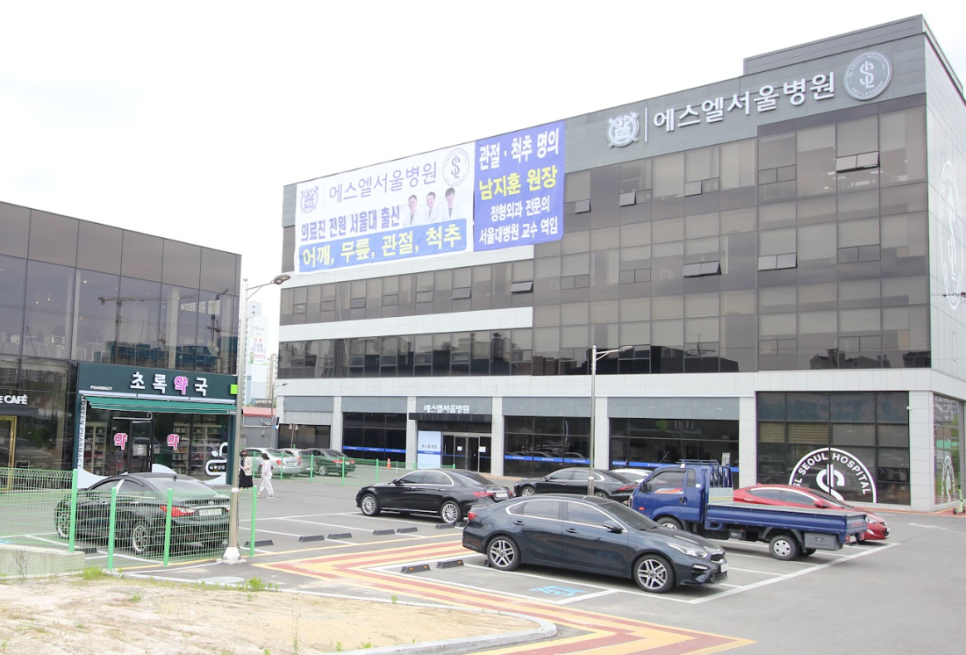
    If you’d like more detailed guidance on non-surgical treatment options, you can find more information on the SL Seoul Spine & Joint Hospital homepage.
    Knee shockwave therapy illustration 9

    Things to keep in mind
    After knee shockwave therapy, you may temporarily notice some stiffness or slightly increased soreness.
    This can be a normal part of the tissue-repair process, but if the pain continues, be sure to discuss it with your treating physician.

    Frequently Asked Questions

    1. Does knee shockwave therapy hurt a lot?
    Answer: Because the treatment stimulates the affected area directly, you may feel some mild soreness or discomfort. The intensity is adjusted to match each patient’s pain tolerance.

    2. How many sessions are needed, and how often?
    Answer: Treatment is generally given once or twice a week. Reports indicate that under the 2026 private supplemental insurance guidelines, up to 6 sessions per area and 12 sessions per year may be covered. It’s best to confirm the exact number of sessions and the latest coverage criteria with your medical provider.

    3. Can I return to daily activities right after the procedure?
    Answer: Because it’s a non-invasive treatment, you can typically go back to your normal routine immediately afterward. That said, it’s best to avoid intense exercise or excessive joint use on the day of the procedure.

    4. Are there cases where someone can’t receive shockwave therapy?
    Answer: Treatment may be limited for areas with severe acute inflammation or skin conditions, as well as for pregnant patients or those taking blood thinners, so a consultation beforehand is essential.

    5. Is the cost covered by supplemental insurance?
    Answer: Shockwave therapy is not covered by national health insurance and is billed as an out-of-pocket procedure. Reports indicate that under the 2026 guidelines, private supplemental insurance often only covers up to 6 sessions per area per year and 12 sessions total per year, so it’s worth checking your policy’s terms in advance.

    Knee shockwave therapy illustration 10

    Knee shockwave therapy illustration 11


    References

    · Korea Disease Control and Prevention Agency, “Osteoarthritis,” National Health Information Portal, 2026. Link
    · Newspim, “Degenerative Arthritis Patients Surpass 4 Million — Caution Advised as Winter Worsens Symptoms,” 2026. Link
    · Cheon Dong-il et al., “Recent Advances in Extracorporeal Shock Wave Therapy,” Journal of the Korean Orthopaedic Association, 2024. Link
    · Nate News, “Shockwave Therapy Recommended at Up to 6 Sessions per Area, 12 Sessions per Year — Exceeding the Limit Excludes Insurance Coverage,” 2026. Link

    This article is provided for general health information purposes only and is not a substitute for individual diagnosis or treatment. If you’re experiencing symptoms, please consult a medical professional.
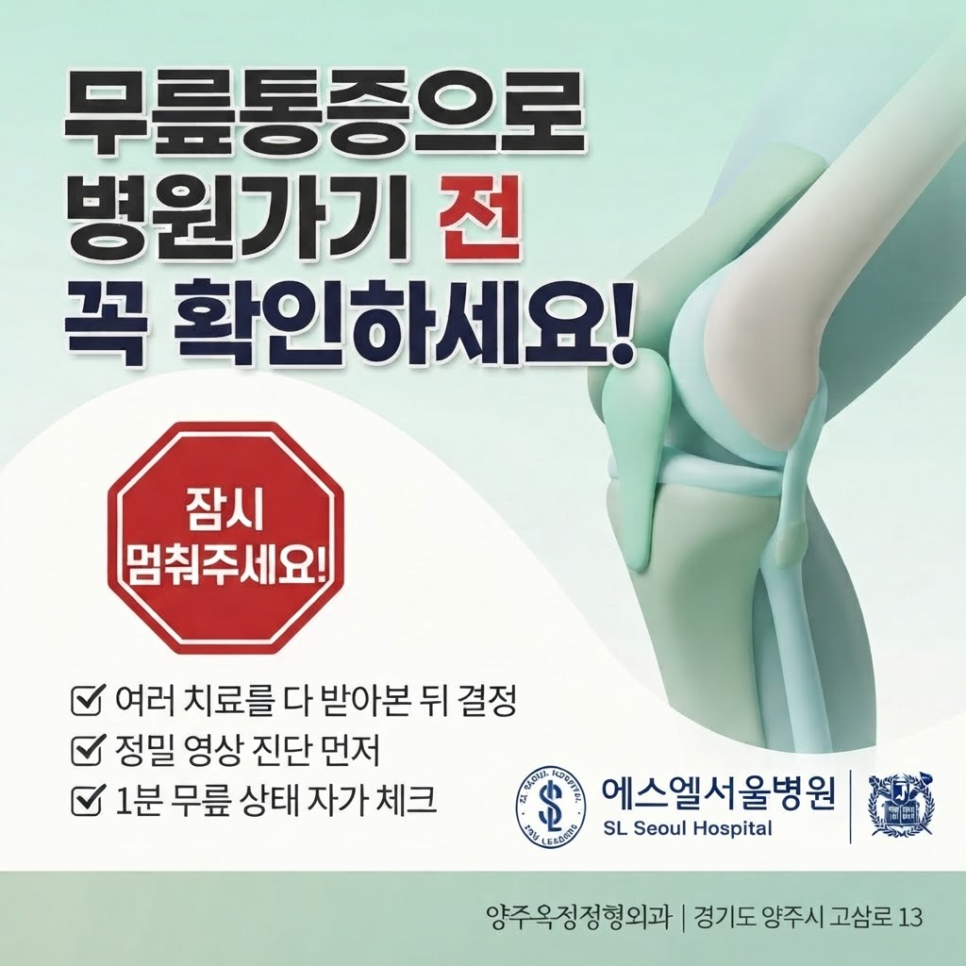
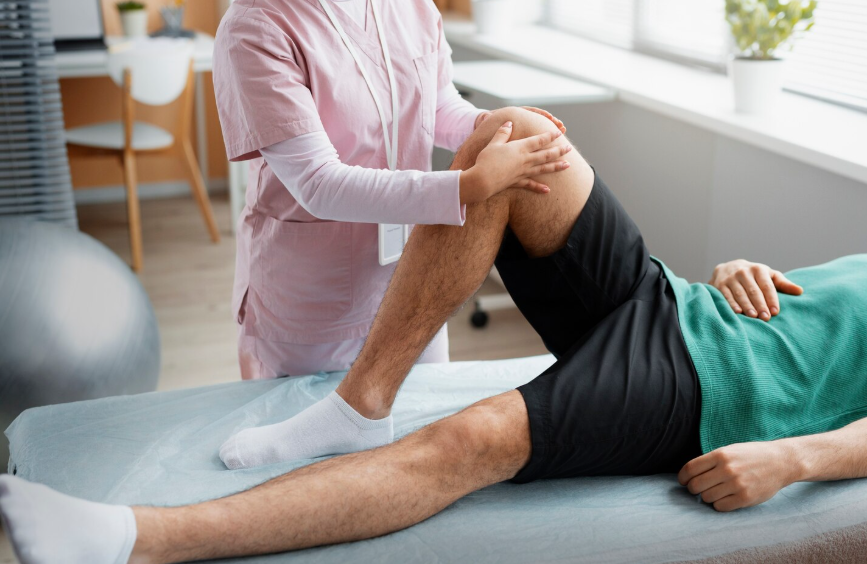
  • Knee Surgery: 3 Key Checks Before Choosing an Orthopedic Surgeon

    Knee Surgery: 3 Key Checks Before Choosing an Orthopedic Surgeon

    SummaryBefore agreeing to knee surgery, here’s a checklist for choosing an orthopedic surgeon, the stages from conservative to surgical treatment, and how to protect your knees after surgery.

    What would you think if you went to a doctor for knee pain and, without much discussion, surgery was the first thing mentioned?

    If that happens, it’s worth pausing to reconsider how you’re choosing a provider in the first place.

    Knee surgery is generally considered a last resort once conservative treatment has reached its limits, not the first option on the table.

    This article covers what to check when choosing an orthopedic provider before agreeing to knee surgery, the step-by-step criteria from conservative to surgical treatment, and the joint-protection habits that matter whether or not you end up having surgery.

    knee surgery

    knee surgery related image 2

    Why does knee pain happen, and how should you choose an orthopedic surgeon?

    In short, a trustworthy orthopedic practice is one that presents both surgical and non-surgical options in a balanced way.

    An orthopedic surgeon is a physician who evaluates and treats musculoskeletal conditions—bones, joints, and ligaments—through detailed diagnostic testing and staged treatment.

    Because the knee bears the body’s full weight with every step, complaints of knee pain are rising not only among middle-aged and older adults but also among physically active younger people.

    Many people dismiss early knee pain as ordinary muscle soreness and only see a doctor once symptoms have lingered for a long time.

    That’s why, when choosing a provider, you should first check whether the practice has detailed imaging equipment on-site and whether specialist consultations are thorough and systematic.

    knee surgery related image 3

    Orthopedic provider checklist
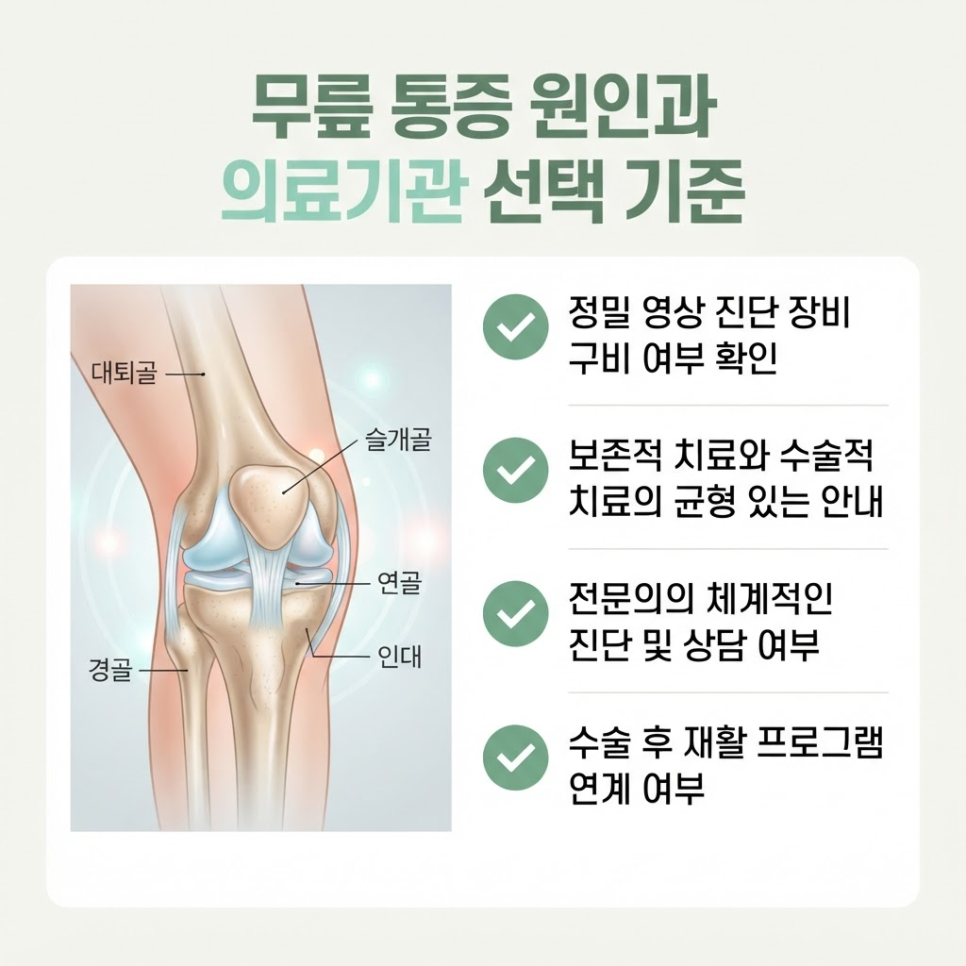
    ✅ Does the practice have detailed imaging equipment (X-ray, MRI, etc.)?
    ✅ Does it present conservative and surgical treatment options in a balanced way?
    ✅ Are diagnosis and consultation handled systematically by a specialist?
    ✅ Does it offer a connected post-surgical rehabilitation program?

    knee surgery related image 4

    Key takeaway
    The longer knee pain is left untreated, the more diagnosis and treatment tend to be delayed.
    If symptoms persist for more than two weeks, it’s safest to get a thorough diagnostic exam.

    At what stage is knee surgery considered?

    In short, knee surgery is typically the last option considered when pain and functional decline don’t improve with conservative treatment.

    Knee surgery refers to treatment that repairs damaged cartilage or ligaments, or, when necessary, replaces the joint with an artificial implant to restore knee function.

    In earlier stages, conservative treatments such as medication and physical therapy are typically tried first.

    However, when cartilage damage is severe or degenerative arthritis has progressed significantly, conservative treatment alone may not be enough.

    knee surgery related image 5

    Key takeaway
    Stage 1: Medication and exercise therapy (conservative treatment)
    Stage 2: Intra-articular injections with close monitoring
    Stage 3: Arthroscopic surgery or knee replacement considered
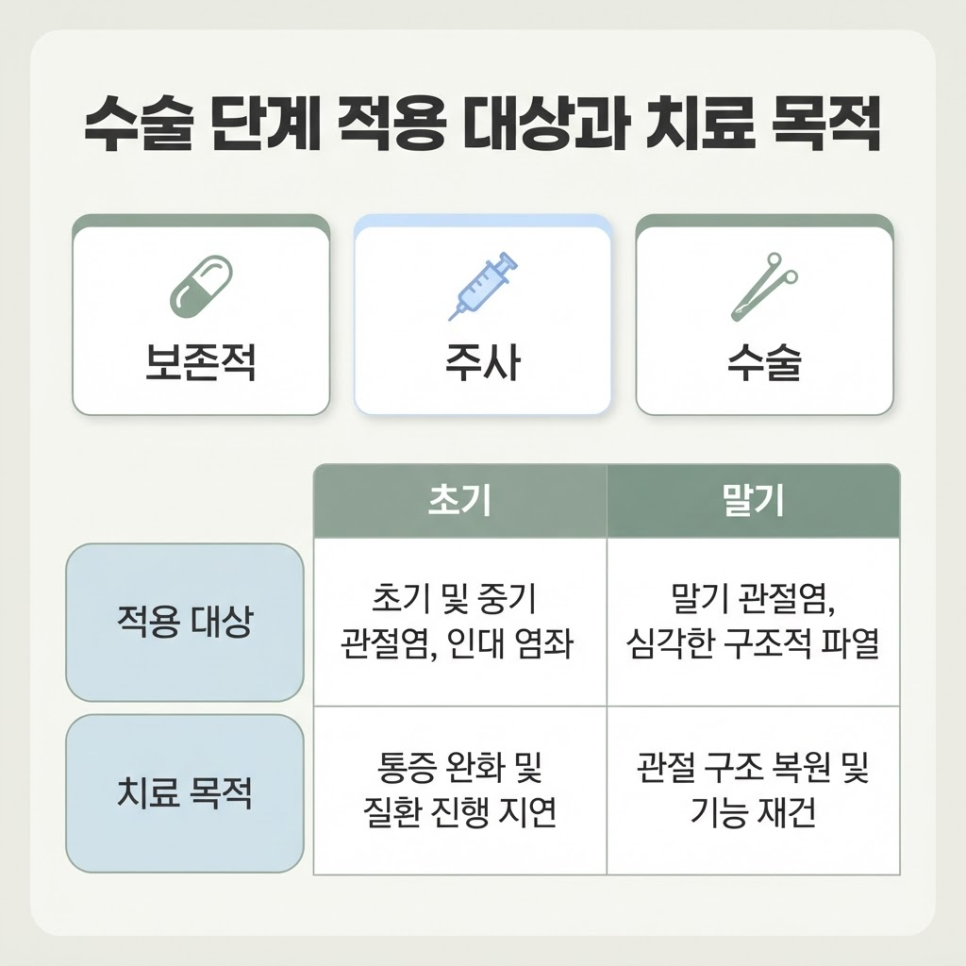
    Category Conservative Treatment Surgical Treatment
    Who it’s for Early to moderate arthritis, ligament sprains Advanced arthritis, structural tears
    Treatment goal Pain relief, slowing progression Restoring joint structure and function
    A note of caution
    Pain severity alone isn’t a reliable way to decide whether surgery is needed.
    The decision should always follow imaging that confirms the extent of cartilage damage.

    If you need an accurate diagnosis and consultation, visit the SLS Seoul Hospital Spine & Joint Center homepage for care information.


    What joint-care habits matter regardless of whether you have surgery?

    In short, weight management and thigh-strengthening exercise are the two habits that most affect how long your knees last.

    Joint-protection habits refer to lifestyle practices that reduce the load placed on the knee and strengthen the surrounding muscles to slow down joint damage.

    knee surgery related image 6

    The effect of weight loss
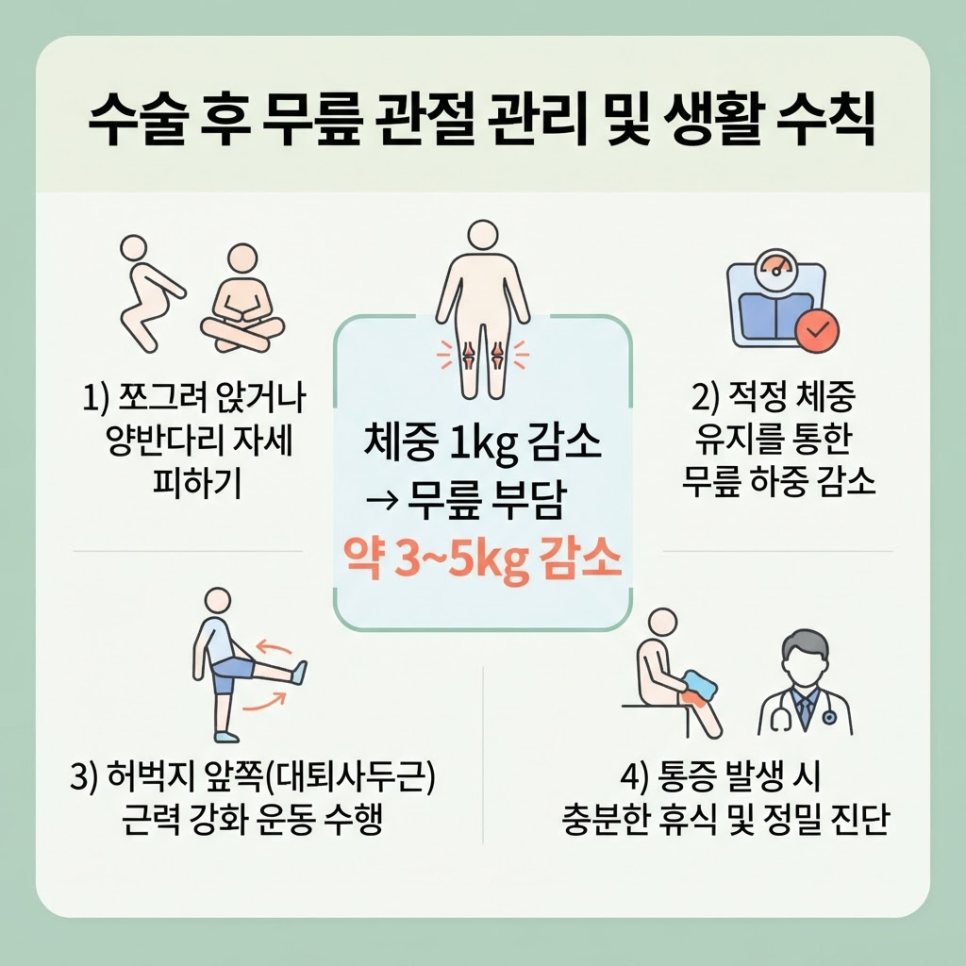
    According to media reports, losing just 1 kg of body weight is said to reduce the load on the knee by roughly 4 kg, though this can vary by individual.
    Consistent weight management is essentially a way to extend the lifespan of your joints.

    Avoid strenuous hiking or repeated stair climbing, and instead choose low-impact aerobic activities such as walking on flat ground, swimming, or stationary cycling.

    In particular, strengthening the quadriceps—the muscles at the front of the thigh—under professional guidance helps maintain knee stability.

    knee surgery related image 7

    Joint-protection habits
    ✅ Avoid squatting or sitting cross-legged on the floor
    ✅ Maintain a healthy weight to reduce knee load
    ✅ Consistently strengthen the quadriceps (front thigh muscles)
    ✅ Rest when you feel pain and get a thorough evaluation

    Frequently Asked Questions

    1. If I have knee pain, do I automatically need surgery?
    No. In early to moderate stages, conservative treatments like medication, physical therapy, and exercise therapy are tried first. Knee surgery is considered only when sufficient conservative treatment doesn’t improve symptoms or structural damage is severe.

    2. What’s the first thing to check when choosing an orthopedic provider?
    It’s best to first confirm whether the practice has detailed imaging equipment and whether its specialists present both surgical and non-surgical options in a balanced way.

    3. How long does rehabilitation take after knee surgery?
    It varies by the type of surgery and the patient’s condition, but recovery of joint range of motion and strength typically happens gradually over weeks to months.

    4. What’s the best way to protect your knees in daily life?
    Avoiding squatting or sitting cross-legged, walking on flat ground, managing your weight, and consistently strengthening the quadriceps are all effective habits.

    knee surgery related image 8

    knee surgery related image 9

    knee surgery related image 10

    knee surgery related image 11


    References

    · Kookje Ilbo, “A 1 kg Weight Gain Puts 4 kg of Extra Load on the Knee,” Kookje Ilbo, 2019. Read more
    · Korea Disease Control and Prevention Agency (KDCA) National Health Information Portal, “Knee Osteoarthritis: Exercising the Right Way,” KDCA. Read more
    · Seoul National University Hospital, “Degenerative Arthritis,” SNUH Medical Information. Read more

    This article is provided for general health information purposes only and is not a substitute for individual diagnosis or treatment. If you have symptoms, please consult a physician.

  • Orthopedic MRI Scan in Dongducheon: 3 Signs You Need One After 2 Weeks of Pain

    Orthopedic MRI Scan in Dongducheon: 3 Signs You Need One After 2 Weeks of Pain

    SummaryWondering when you should get an orthopedic MRI scan in Dongducheon? Here’s a checklist to run through if your pain has lasted more than 2 weeks, plus what the scan involves and how to manage recovery afterward.

    Your X-ray comes back looking completely normal,
    yet the pain in your shoulder or knee just won’t go away after several days.

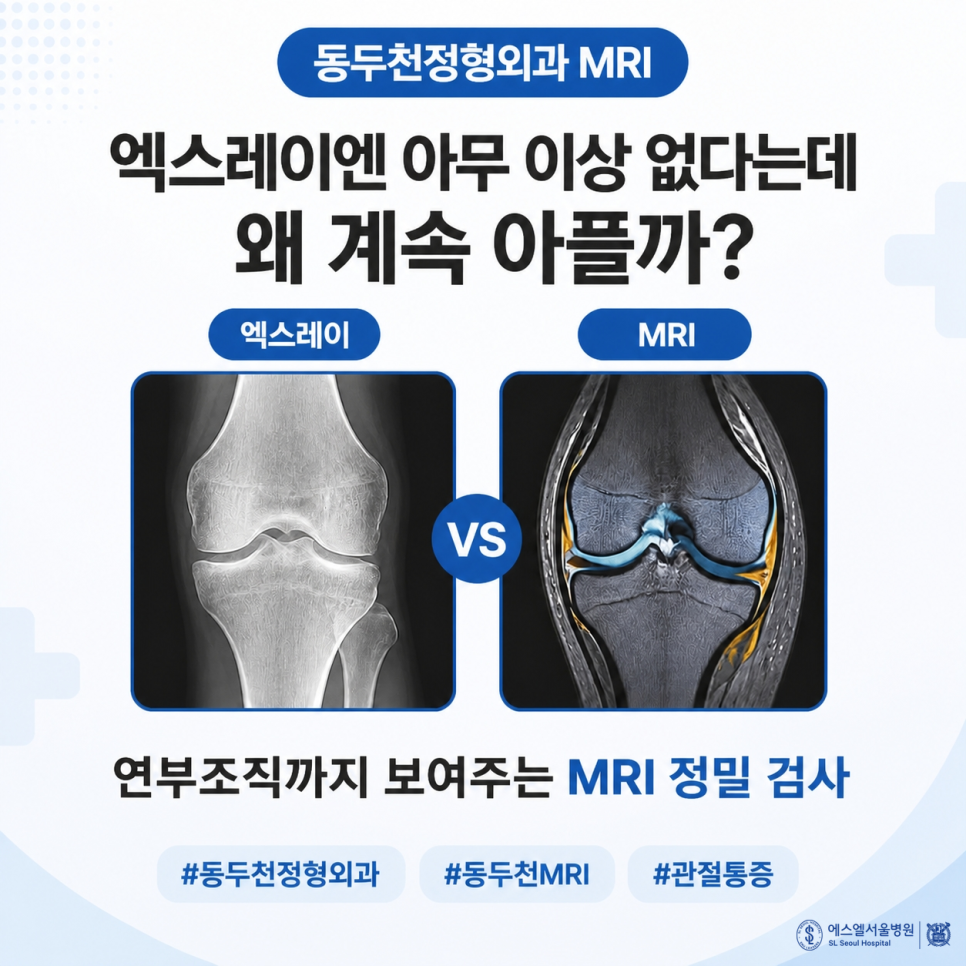
    That’s because a standard X-ray only shows bone in white — it can’t pick up subtle damage to ligaments, cartilage, or nerves.

    For this reason, an orthopedic clinic in Dongducheon will often recommend a more detailed scan to pinpoint the real cause of the pain.

    💡 Quick Preview
    1. Orthopedics identifies the cause of shoulder, knee, and lower back joint pain through detailed imaging such as an MRI scan.
    2. MRI captures ligaments, cartilage, and nerves without radiation exposure, and typically takes about 20–30 minutes depending on the area scanned.
    3. If pain lasts more than 2 weeks, your joint clicks or feels unstable, or the pain disrupts your sleep, it may be time to consider an orthopedic MRI scan.

    orthopedic clinic in Dongducheon

    What Is an MRI Scan?

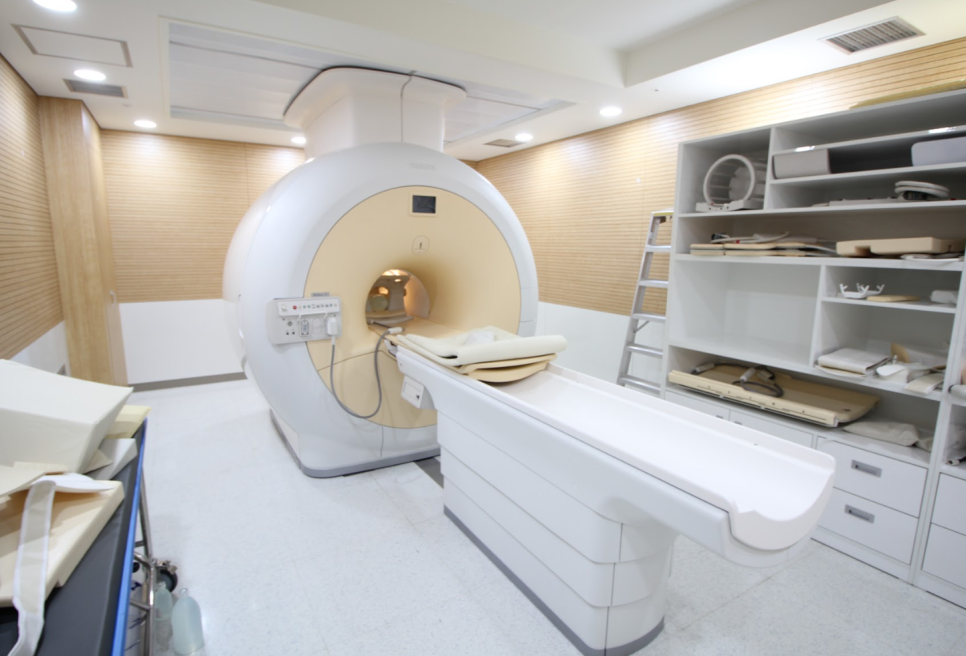
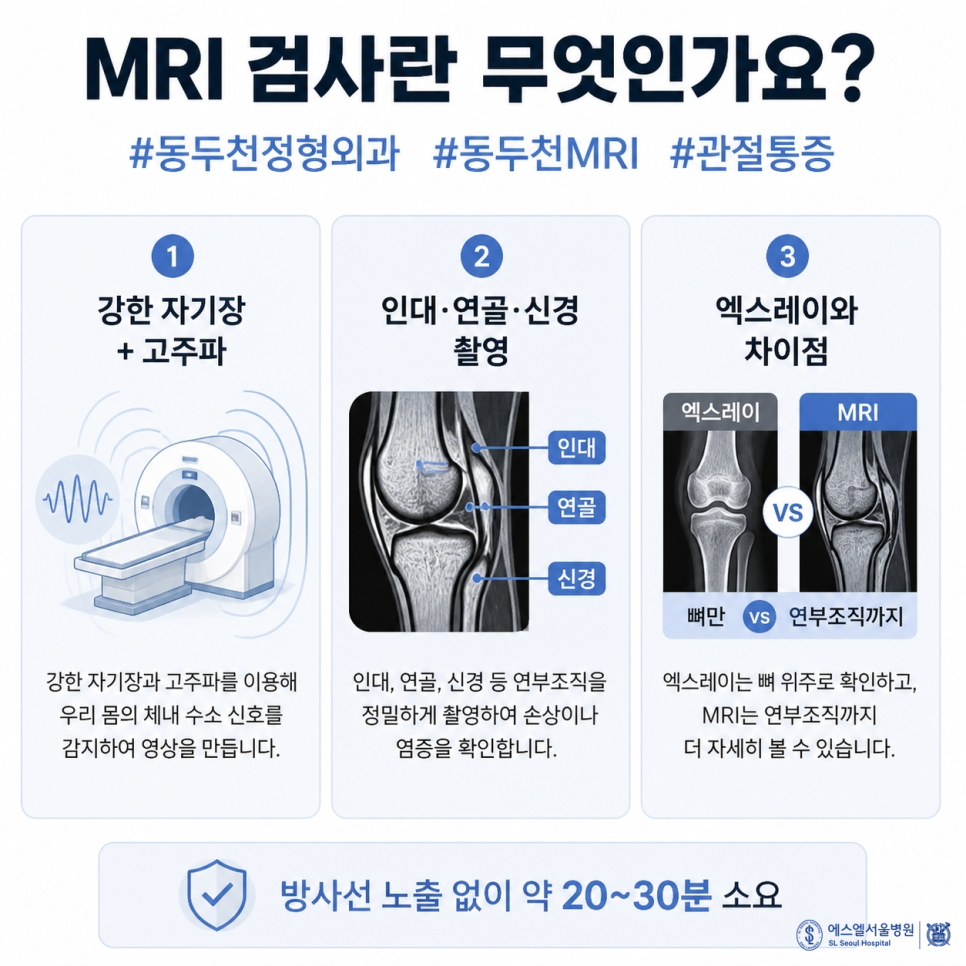
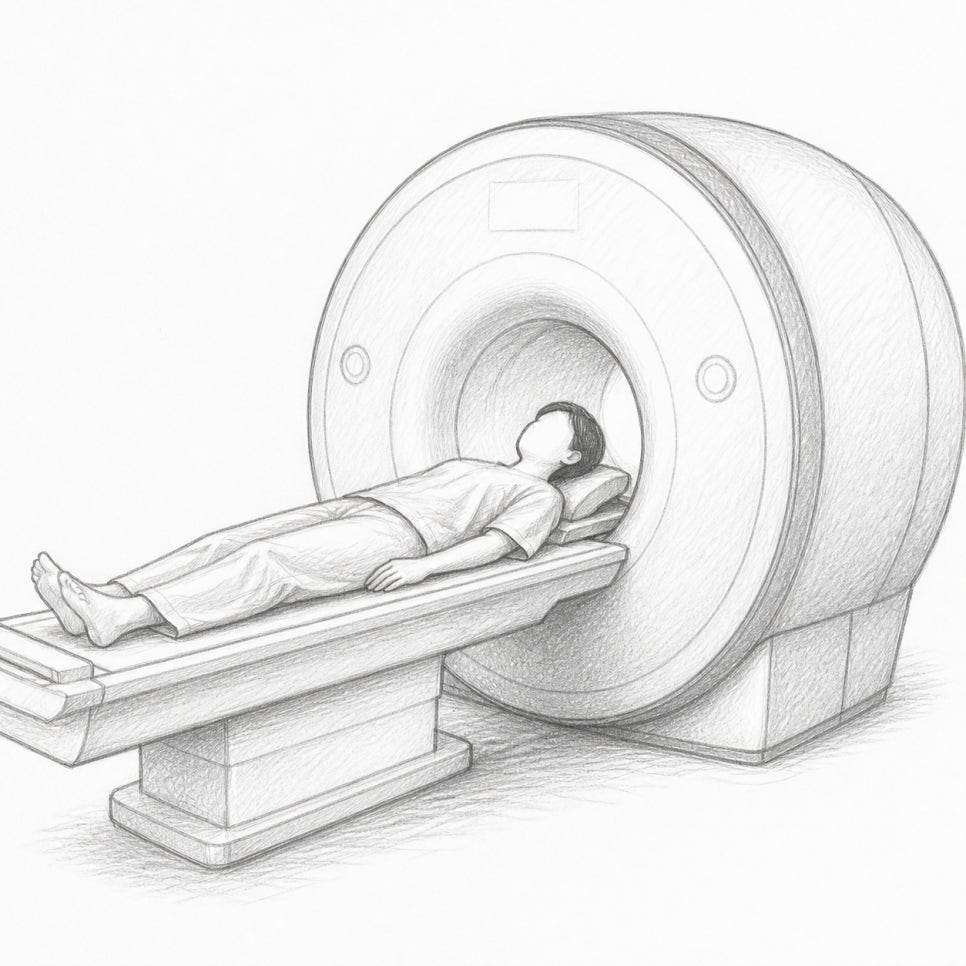
    An MRI (magnetic resonance imaging) scan is a detailed diagnostic exam that uses magnetic fields and radio waves to capture cross-sectional images of the inside of the body.

    Unlike a standard X-ray, which shows only bone in white, MRI can clearly display soft tissue such as muscles, ligaments, cartilage, and nerves.

    According to health information from Asan Medical Center, MRI offers strong contrast between different types of tissue, which is generally considered useful for diagnosing soft-tissue conditions.

    orthopedic clinic in Dongducheon image 2

    It doesn’t involve radiation exposure, making it a relatively safe option, and it can also help detect conditions in their early stages.

    When the cause of joint pain isn’t clear, an orthopedic MRI scan can help identify what’s actually behind it.

    In that sense, it’s a useful exam for uncovering pain sources that would otherwise stay hidden.

    orthopedic clinic in Dongducheon image 3

    💡 Key Point
    An MRI is a detailed exam that provides a three-dimensional view of not just bone, but fine damage to soft tissue such as ligaments, cartilage, and nerves.

    orthopedic clinic in Dongducheon image 4


    What Symptoms Call for an MRI Scan in Dongducheon?

    A scan is worth considering after a sudden injury or when chronic pain lingers.

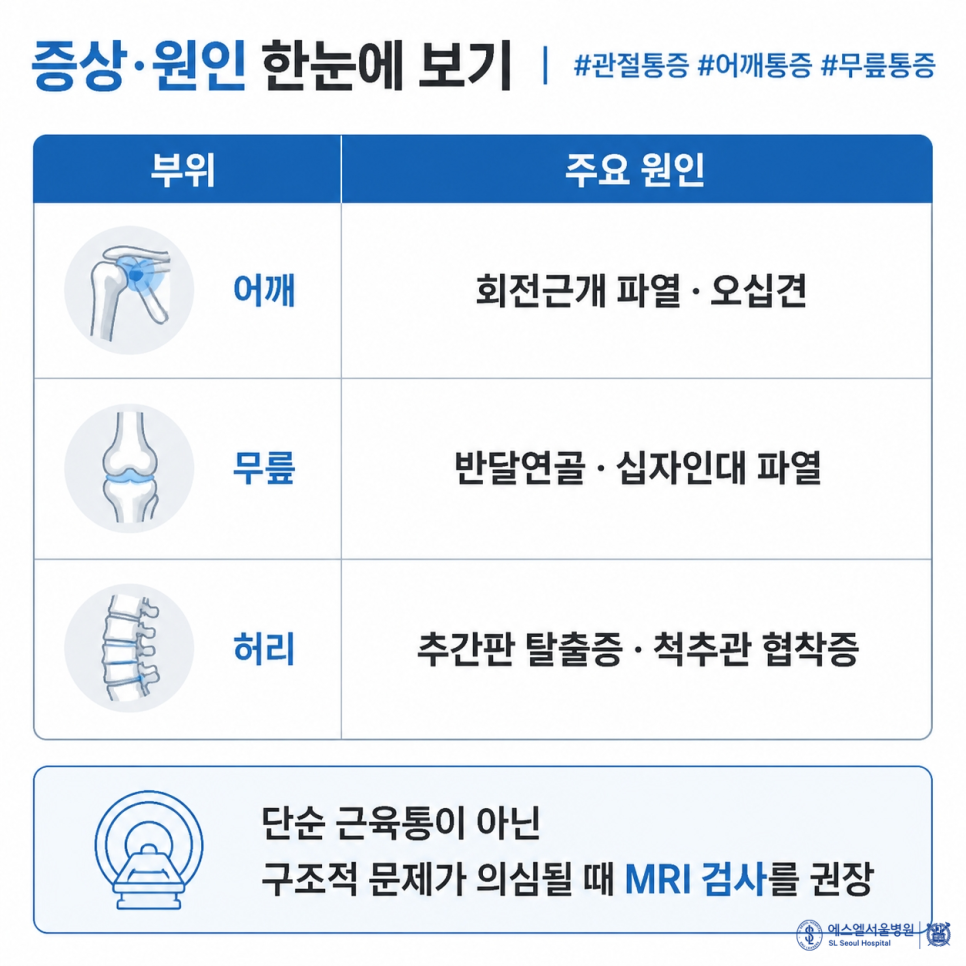
    Common symptoms and their likely causes are summarized in the table below.

    orthopedic clinic in Dongducheon image 5

    Area & Symptom Likely Cause
    Shoulder pain, difficulty raising the arm Rotator cuff tear, frozen shoulder, or other damage to tissue around the joint
    Knee swelling or a feeling of the joint giving way Meniscus tear, ACL/PCL tear, or other sports-related injury
    Lower back pain, numbness or tingling in the legs Herniated disc, spinal stenosis

    When a problem goes beyond simple muscle soreness and a structural issue inside the joint is suspected, this kind of exam can help clarify the likely cause.

    Left unaddressed, though, these symptoms can get worse, so it’s worth paying close attention.

    orthopedic clinic in Dongducheon image 6


    What Should You Look for in an Orthopedic Clinic?

    Joint pain sometimes improves on its own, but if a structural tear or injury is involved, professional care becomes necessary.

    That’s why it matters to be seen by an experienced medical team close to home.

    orthopedic clinic in Dongducheon image 7

    It’s best to choose a clinic staffed with medical professionals who have substantial clinical experience.

    Every patient’s pain has its own cause and pattern, and experienced clinicians can analyze it carefully and recommend an appropriate course of action.

    Being able to get thorough evaluation and treatment close to home — without traveling far — is one practical consideration when choosing an orthopedic clinic in Dongducheon.

    📋 Checklist
    ✅ Has the pain lasted more than 2 weeks?
    ✅ Does the joint click, pop, or feel unstable when you move it?
    ✅ Is the pain severe enough to disrupt your sleep at night?
    If any of these apply to you, it’s advisable to get an orthopedic MRI scan.

    You can also find general information on spine and joint pain on the SL Seoul Spine & Joint Hospital website.

    The clinic is located at 13 Gosam-ro, Yangju-si, Gyeonggi-do — it’s worth factoring in accessibility as well.

    orthopedic clinic in Dongducheon image 11


    How Does an MRI Scan Work, and What Comes After?

    The exam process is simpler than you might expect.

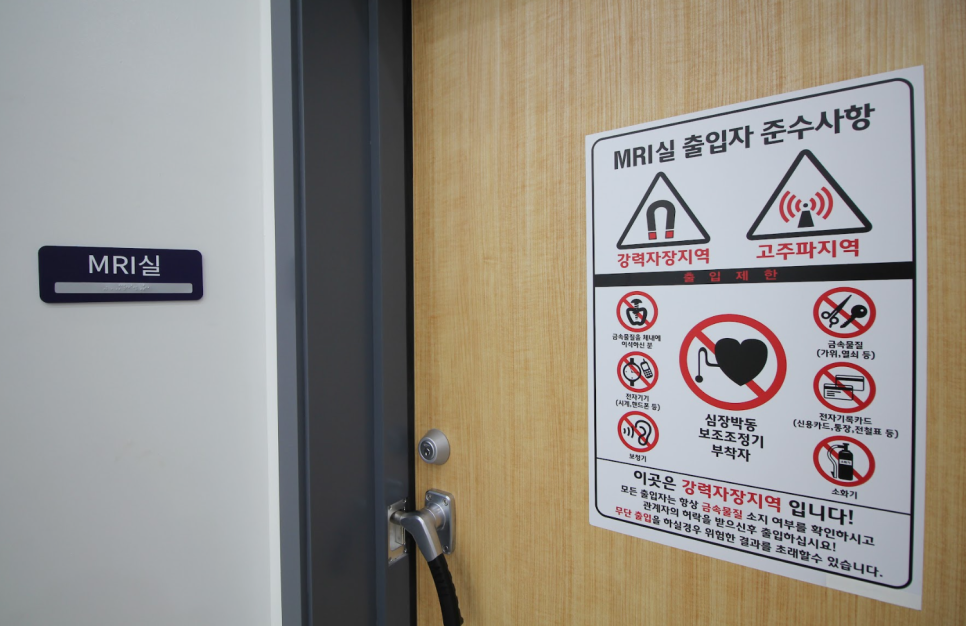
    For safety, you’ll remove all metal objects before entering the exam room.

    1. Lie down inside the scanner and breathe normally.
    2. Stay still while the machine is running.
    3. The machine makes noise, but earplugs are provided so it’s not a major discomfort.
    4. You can return to your normal routine right after the scan.

    orthopedic clinic in Dongducheon image 8

    Depending on the results, it’s important to follow up consistently with tailored care such as physical therapy, manual therapy, or injection treatments.
    Precautions
    If you have a metal implant in your body or are in early pregnancy, be sure to talk with your medical team before the scan.

    orthopedic clinic in Dongducheon image 9


    Frequently Asked Questions

    1. How long does the scan take?
    It varies by area and scope, but an orthopedic MRI scan generally takes about 20 to 30 minutes.

    2. Can pregnant patients get an MRI?
    There’s no radiation exposure, but patients in early pregnancy who haven’t reached the more stable second trimester should consult their medical team carefully beforehand.

    3. Do I need to fast before the scan?
    Standard musculoskeletal MRI scans don’t require fasting, but this may be different if contrast dye is used.

    4. Does regular stretching help prevent joint problems?
    Light stretching can strengthen the muscles around your joints and may help reduce the risk of injury.

    orthopedic clinic in Dongducheon image 10

    orthopedic clinic in Dongducheon image 12

    orthopedic clinic in Dongducheon image 13


    References

    · Asan Medical Center, “Magnetic Resonance Imaging (MRI),” Health Information. View source
    · Severance Hospital, “Rotator Cuff Tear,” Health Information Disease Encyclopedia. View source
    · Seoul National University Hospital, “Spinal MRI,” Medical Information Health Encyclopedia. View source

    This article is intended for general health information purposes only and is not a substitute for individual diagnosis or treatment. If you’re experiencing symptoms, please consult a specialist.

  • Sharp Knee Pain: 2 Causes to Know Before Your Cartilage Wears Down

    Sharp Knee Pain: 2 Causes to Know Before Your Cartilage Wears Down

    SummaryHave you been brushing off that sharp knee pain as just a sign of getting older? Osteoarthritis and a meniscus tear show up in different places and in different ways. Here’s how to tell them apart, a self-check list, and everyday habits that may help ease the discomfort.

    Does the inside of your knee twinge every time you walk down the stairs?
    You’ve probably told yourself, “that’s just what happens as you get older,” and pushed through it again today.

    But while you’ve been pushing through it, your cartilage has been quietly wearing away.
    A joint is tissue that, once damaged, isn’t easy to restore.

    Before you brush off recurring sharp knee pain again,
    here’s how to tell the causes apart based on where it hurts and what it feels like.

    Sharp knee pain is a common early sign that stress has built up in the cartilage, ligaments, and muscles around the joint. The two main conditions behind knee pain — osteoarthritis and a meniscus tear — show up in different locations and in different ways. This article breaks down the difference between the two and shares everyday habits that may help prevent them.

    sharp knee pain

    Why Does Sharp Knee Pain Happen?

    Sharp knee pain usually starts as microscopic damage inside the joint.
    Sharp knee pain refers to the discomfort that appears when repeated weight-bearing causes stress to build up in the cartilage, ligaments, and muscles.

    It tends to flare up most during walking, when your full body weight is transferred straight through the knee.
    Because joint tissue doesn’t recover easily once it’s worn down, repeated poor posture or habits can raise pressure inside the joint and lead to inflammation.

    sharp knee pain illustration 2

    Carrying extra body weight or doing strenuous exercise puts noticeably more stress on the joint.
    If you’re frequently active, it’s worth checking your knee’s range of motion from time to time.

    Key Takeaways
    ✔ Sharp knee pain can be an early sign of damage to the cartilage, ligaments, or muscles.
    ✔ Pain tends to worsen during weight-bearing activities like climbing stairs or walking.

    sharp knee pain illustration 3


    How Do You Tell Osteoarthritis and a Meniscus Tear Apart?

    The two most common conditions behind knee pain are osteoarthritis and a meniscus tear, and each shows up differently.
    Osteoarthritis refers to a condition where the cartilage in the joint wears down with age, allowing bone to rub directly against bone.

    It tends to develop after age 50 and is typically marked by a dull, aching pain on the inside of the knee.
    In the early stages, rest tends to relieve it, but as it progresses even walking can become difficult.

    sharp knee pain illustration 4

    A meniscus tear refers to a rip or rupture of the cartilage structure that cushions impact inside the knee joint.
    It typically happens during sudden changes of direction or intense sports activity.

    If your knee swells, or you feel a catching sensation when bending or straightening it, a meniscus tear is worth ruling out.

    Category Osteoarthritis Meniscus Tear
    Typical age group 50 and older Any age, often during intense activity
    Pain location Dull ache on the inside of the knee Throughout the knee, with a catching feeling
    Main cause Gradual wear of the cartilage Sudden twisting or impact
    Other symptoms Stiffness, early relief with rest Swelling, limited bending/straightening
    Self-Check List
    ✅ You feel a sharp twinge on the inside of your knee going up or down stairs
    ✅ Your knee makes a popping sound when you stand up from sitting
    ✅ Your knee feels stiff and swollen when you wake up in the morning
    ✅ The pain is worse going downhill than on flat ground

    How Can You Care for Your Knees Every Day?

    Building muscle strength and maintaining a healthy weight are generally considered two key parts of joint care.
    Knee care means adopting habits that let your muscles share the load, reducing the pressure placed on the joint itself.

    That’s because strong muscles around the knee may help absorb some of the load the joint would otherwise carry on its own.

    sharp knee pain illustration 5

    1. Stick with low-impact aerobic exercise, such as walking or stationary cycling.
    2. Cut back on positions that raise pressure inside the knee, like squatting or sitting cross-legged.
    3. Get in the habit of sitting in a chair and keeping good posture.
    4. If pain lasts more than two weeks, see a specialist to find out the cause.

    If you’d like a precise diagnosis, you can also check the joint clinic information on the SL Seoul Hospital (Spine & Joint) homepage.

    Why It Helps
    Building the right habits early on may help support long-term joint health and keep you moving comfortably.

    sharp knee pain illustration 6

    A Note of Caution
    If pain lasts more than two weeks despite rest, or your knee won’t fully straighten, don’t ignore it — get a thorough evaluation.

    Frequently Asked Questions

    1. Can I still exercise if it hurts?
    If you’re in an acute flare-up, rest first. That said, light strength training within a pain-free range can support joint health.

    2. Should I use heat or ice?
    If your knee suddenly swells and feels warm, cold therapy is more appropriate. For chronic, ongoing stiffness, heat therapy to improve circulation tends to help more.

    3. When should I see a doctor?
    If pain lasts more than two weeks despite rest, or your knee won’t fully straighten and it’s affecting daily life, a thorough evaluation is recommended.

    4. What happens if a meniscus tear is left untreated?
    The tear can grow larger or lead to further cartilage damage, so if swelling or a catching feeling continues, it’s best to see a doctor early.


    References

    · Asan Medical Center, “Arthritis,” Disease Encyclopedia, Asan Medical Center Health Information. View source
    · Korea Disease Control and Prevention Agency, “Meniscus Tear,” National Health Information Portal. View source
    · Asan Medical Center, “Tear of Meniscus,” Disease Encyclopedia, Asan Medical Center Health Information. View source


    This article is intended for general health information purposes only and is not a substitute for individual diagnosis or treatment. If you’re experiencing symptoms, please consult a physician.