Tag: SLS Seoul Hospital

  • Lower Back Physical Therapy: 4 Self-Checks Before Your First Visit

    Lower Back Physical Therapy: 4 Self-Checks Before Your First Visit

    SummaryInstead of just toughing out lower back pain, here’s an easy-to-follow guide from SL Seoul Hospital, an orthopedic clinic serving the Pocheon area: 4 self-checks to try before starting lower back physical therapy, how traction and electrical stimulation therapy work, and daily habits that help prevent recurrence.

    Many people believe that a sudden twinge in the lower back will heal on its own after a few days of rest.

    In reality, it’s more common for people to push through pain that radiates down the leg, only looking into lower back physical therapy after their condition has worsened.

    Before visiting a clinic, it helps to check for yourself whether your pain is simple muscle soreness or something more.
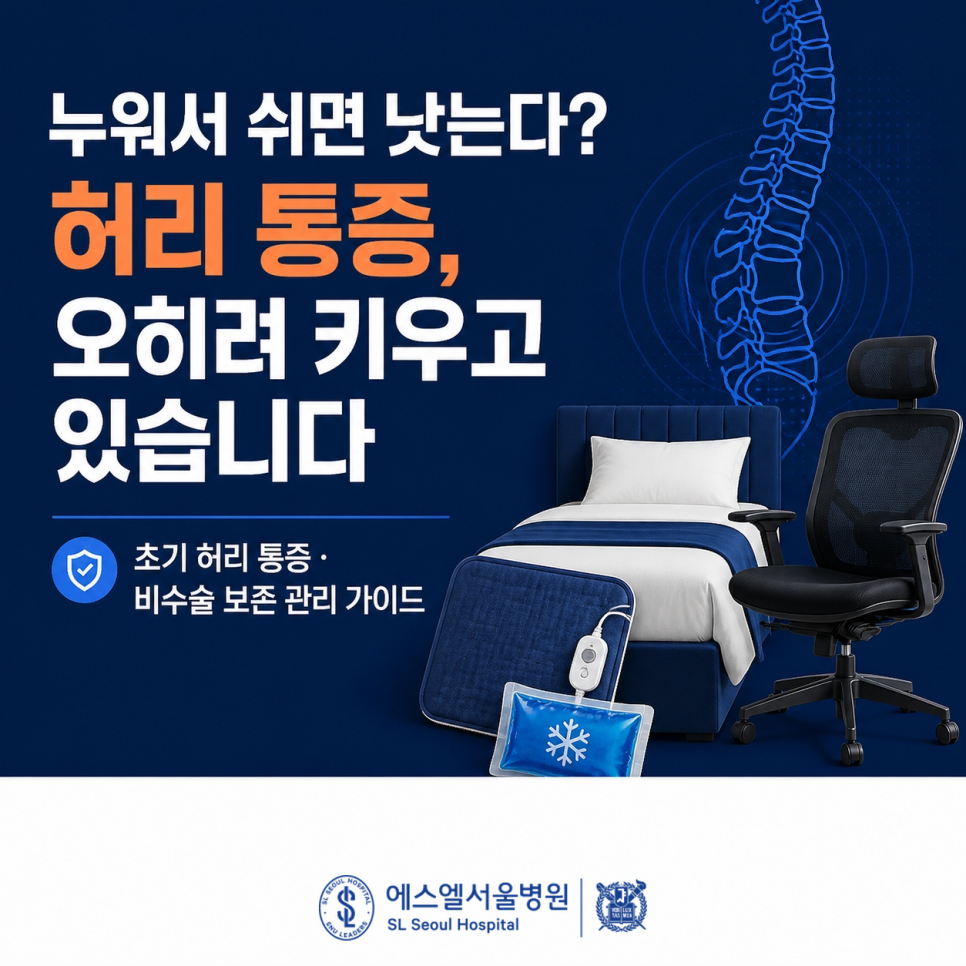
    lower back physical therapy

    This article covers self-checks you can do before starting lower back physical therapy, along with how physical therapy works for early-stage lower back pain.

    You’ll also find the features of conservative treatments like traction therapy and electrical stimulation therapy, plus daily habits that help treatment results last.
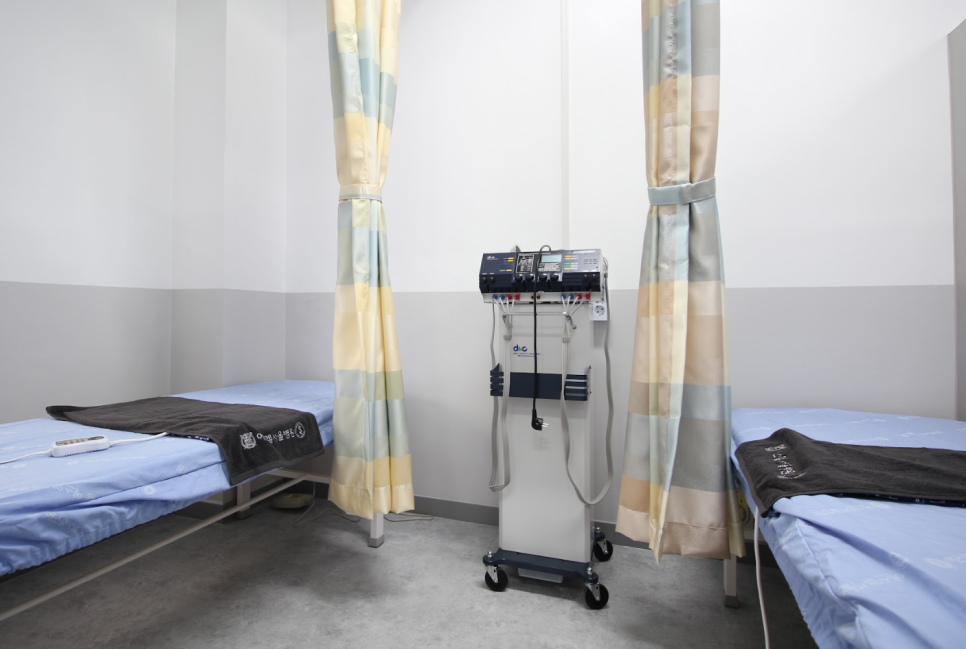
    Lower back physical therapy illustration 2

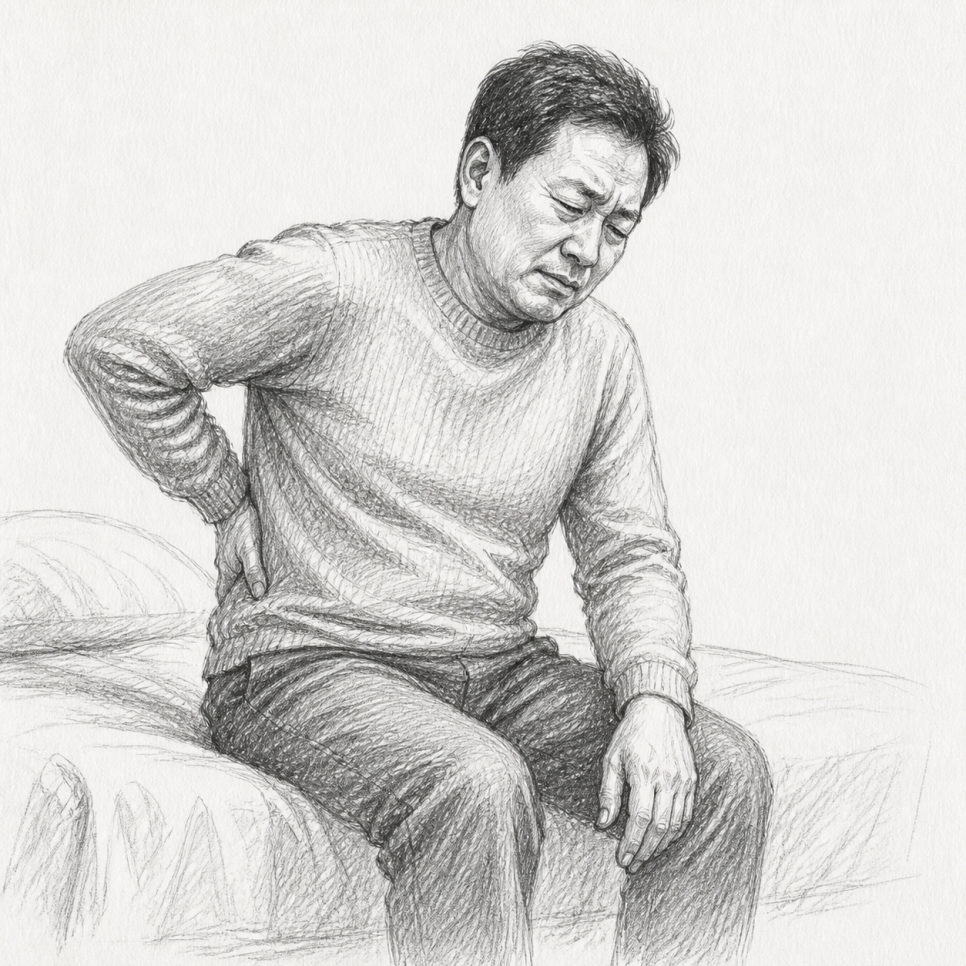
    Lower back physical therapy illustration 3

    What Signs of Lower Back Pain Mean You Should See a Doctor?

    In short, if your lower back pain comes with leg numbness or radiating pain, it’s best not to dismiss it as simple muscle soreness.

    Lower back pain refers to pain caused by problems in the vertebrae or the surrounding muscles and ligaments.

    Prolonged sitting and poor posture are commonly cited causes.

    If you experience leg numbness or severe pain, a herniated disc or joint problem may be involved, so it’s safer to get a thorough evaluation at an orthopedic clinic.

    The straight leg raise test (SLR test) is considered one of the most common self-checks for identifying a herniated disc.

    While lying down, slowly raise one leg with the knee kept straight — if you feel sharp pain in the back of the leg or buttock before reaching a 60–70 degree angle, a herniated disc may be a possibility.
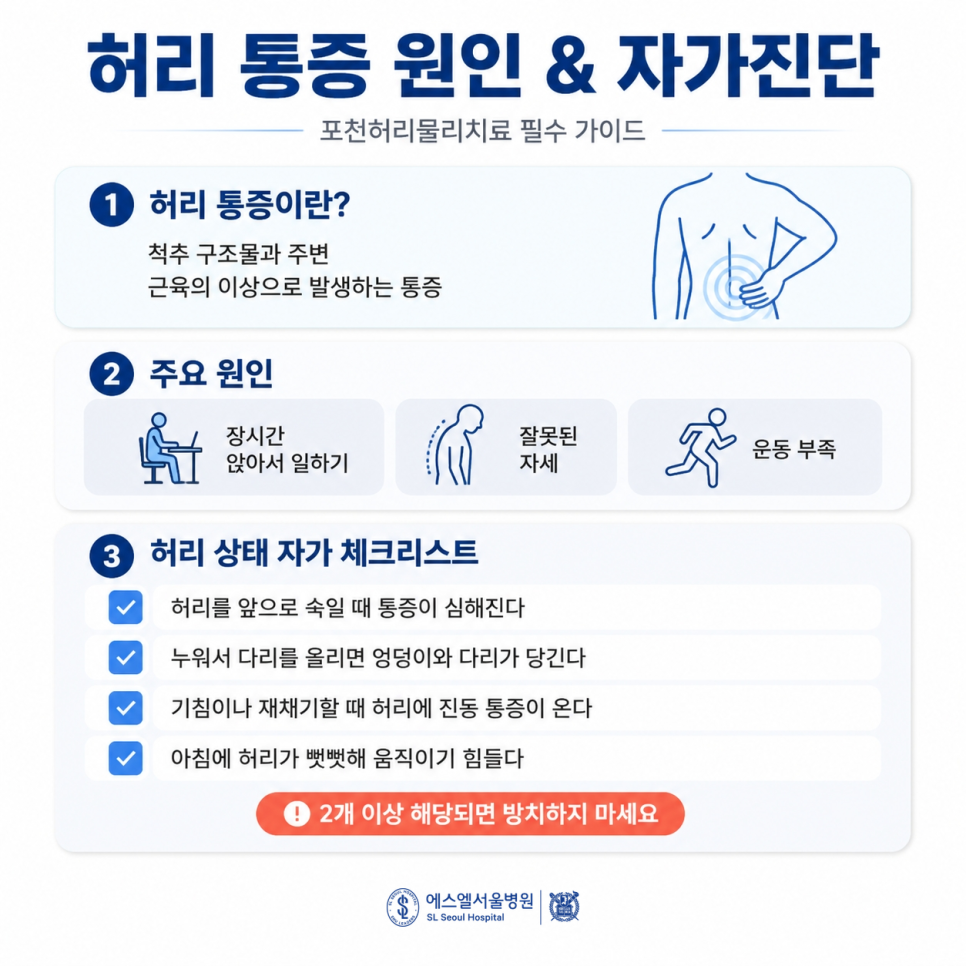
    Lower back physical therapy illustration 4

    Key Points
    ✔ If pain intensifies before your leg reaches a 60–70 degree angle, a herniated disc may be a possibility.
    ✔ Sharp, jolting pain in the lower back when coughing or sneezing can also signal nerve compression.
    📋 Lower Back Self-Check Checklist
    ✅ Pain worsens when bending forward
    ✅ Lifting one leg while lying down causes pulling pain in the hip and leg
    ✅ Coughing or sneezing triggers jolting pain in the lower back
    ✅ The lower back feels stiff and hard to move first thing in the morning

    If two or more of these apply to you, it’s advisable to see a doctor rather than let it go untreated.

    Starting appropriate care early can support long-term spine health.


    How Does Lower Back Physical Therapy Relieve Pain?

    In short, lower back physical therapy is a conservative treatment that uses physical stimulation, without surgery, to help reduce pain and support functional recovery.

    Many people worry about needing surgery as soon as they feel pain.

    However, according to the Korea Disease Control and Prevention Agency’s National Health Information Portal, many patients with a herniated disc improve with non-surgical approaches alone, such as medication, rest, and exercise therapy.

    Physical therapy is a key part of that approach.
    Lower back physical therapy illustration 5

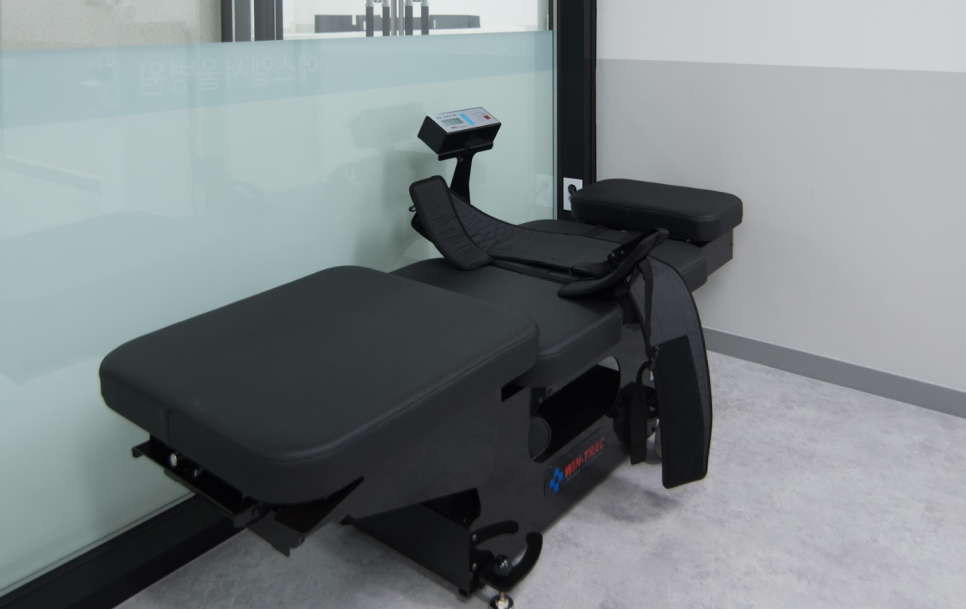
    Type Mechanism Main Purpose
    Heat Therapy Blood vessel dilation, increased blood flow Relieves muscle spasms
    Electrical Stimulation Therapy (TENS) Blocks nerve pain signal transmission Reduces pain signals
    Traction Therapy Temporarily widens spinal disc spacing Eases nerve compression from disc pressure
    Key Points
    ✔ Traction therapy can widen the spinal disc space and neural foramen, helping to ease nerve compression.
    ✔ Electrical stimulation therapy (TENS) is generally considered safe, but its effect size varies across studies, so it’s often used alongside other treatments rather than on its own.

    Lower back physical therapy illustration 6

    Following a systematic, consistent treatment plan may help relieve pain.

    After a thorough diagnosis, it’s important to build a step-by-step treatment plan tailored to you.

    Lower back physical therapy illustration 7

    Caution
    ⚠ Stopping treatment on your own or increasing its intensity because progress feels slow can actually worsen your symptoms.
    ⚠ If you experience leg numbness or bladder/bowel dysfunction, seek medical attention without delay.

    What Habits Help Your Treatment Results Last Longer?

    In short, correcting your posture and managing daily habits are important factors in maintaining the results of physical therapy.

    Even with effective treatment, pain can easily return if everyday posture isn’t maintained.

    That’s why it’s important to also minimize strain on the spine in daily life.
    Lower back physical therapy illustration 8

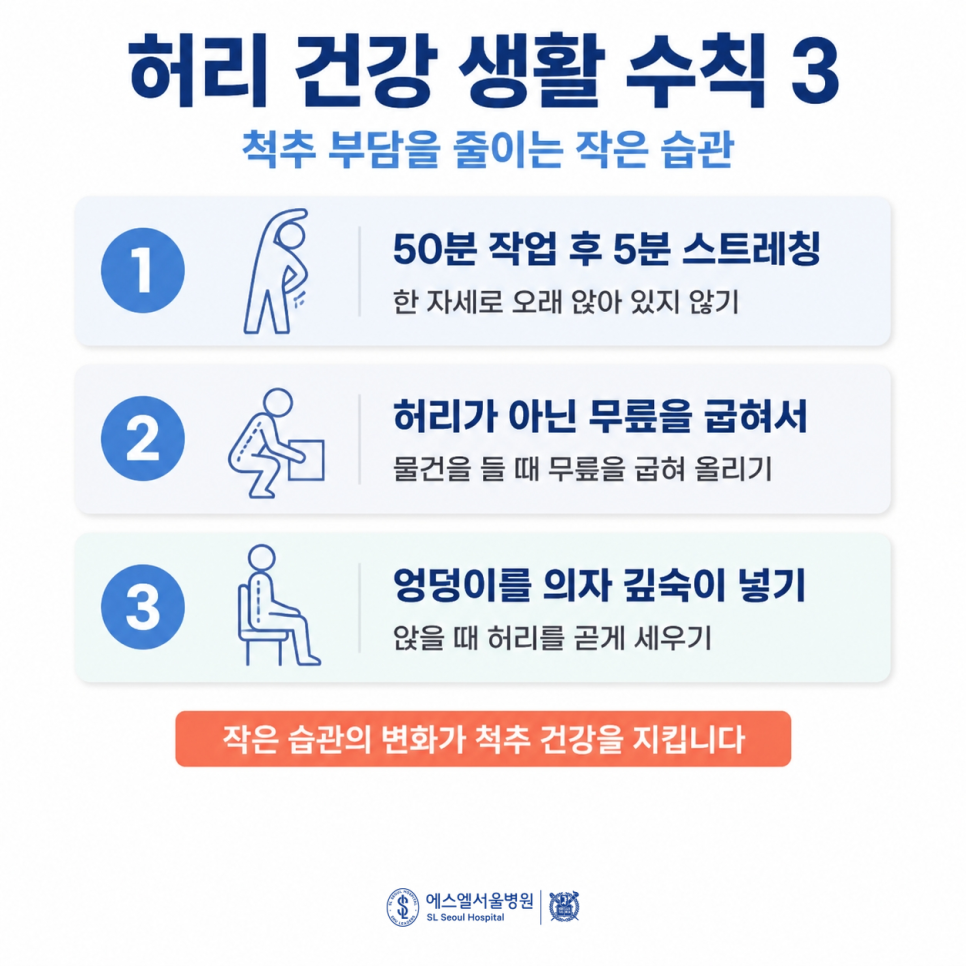
    🚀 3 Daily Habits to Reduce Strain on Your Spine
    1. Stretch for 5 minutes after every 50 minutes of work
    2. Bend your knees, not your back, when lifting objects
    3. Sit with your hips pushed all the way back in the chair

    Lower back physical therapy illustration 9

    It’s important to consult with orthopedic staff to find what works for you and to consistently stick with these habits.

    Combining professional treatment with consistent self-care can help support a healthy lower back over time.

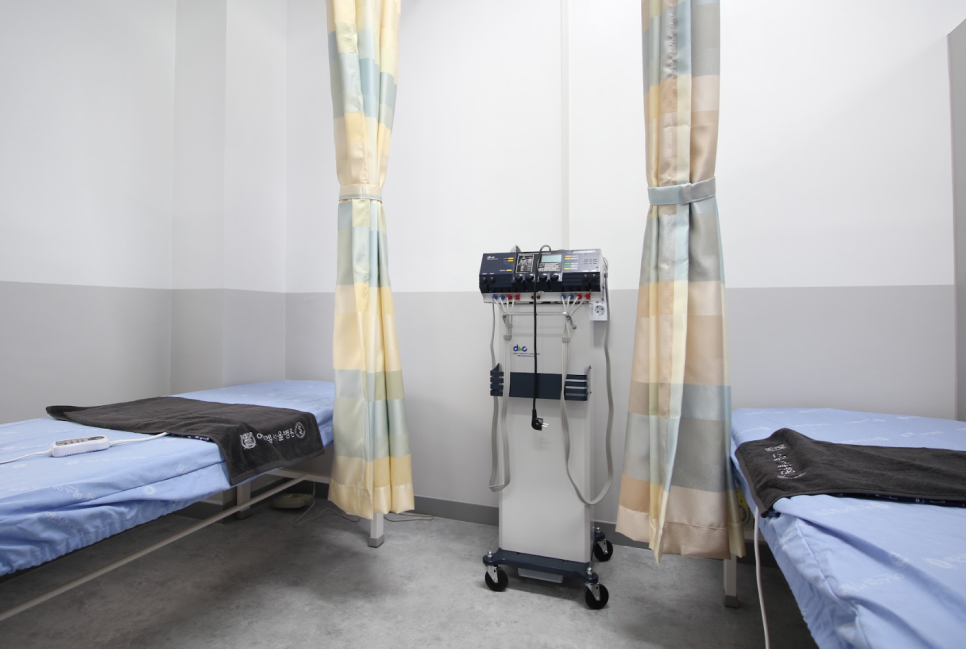
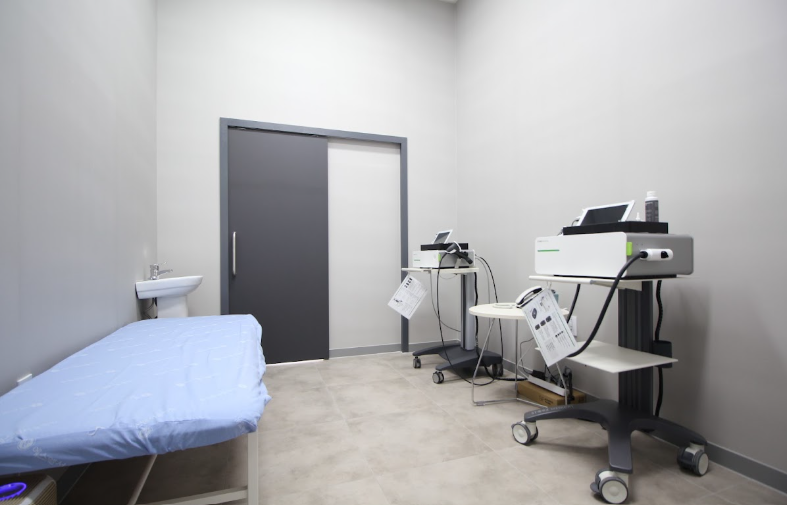
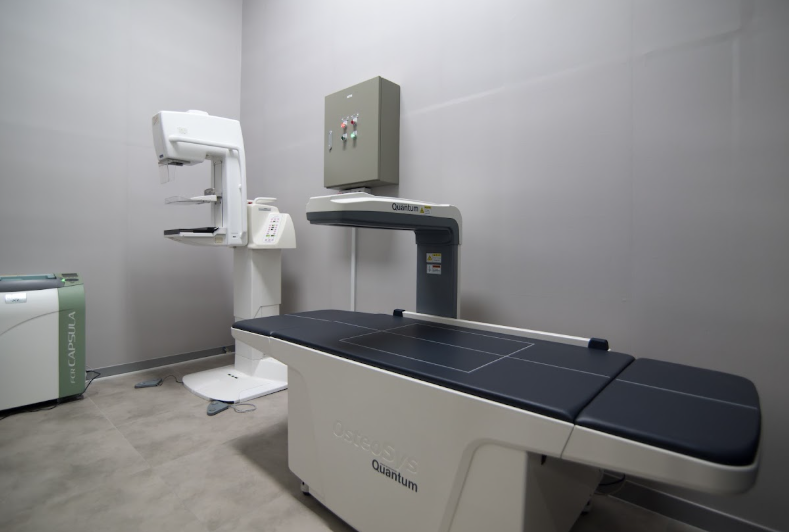
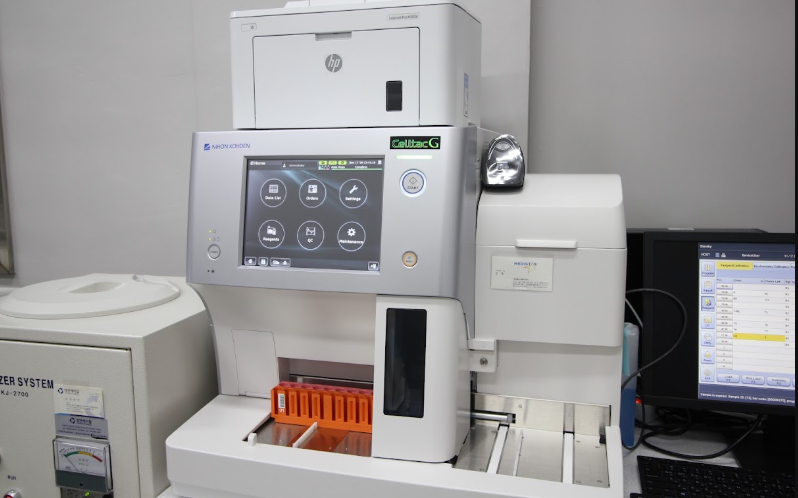
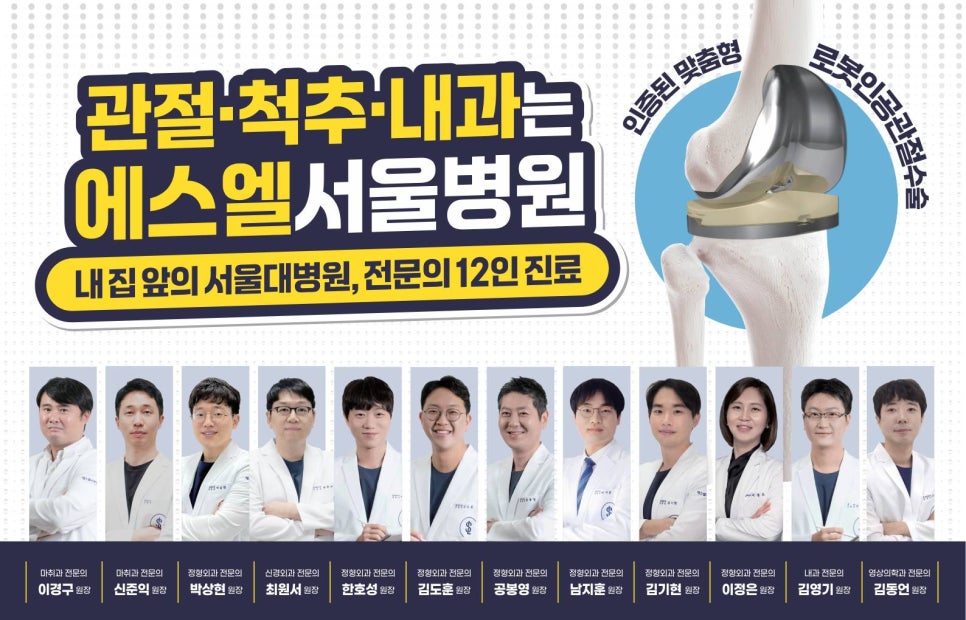
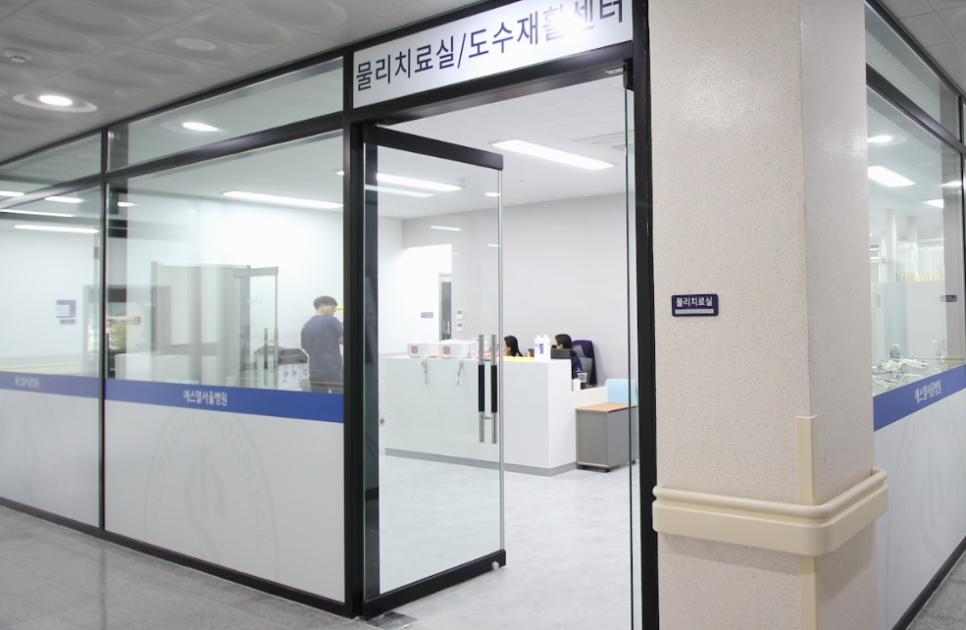
    If you’re considering lower back physical therapy in the Yangju or Pocheon area of Gyeonggi Province, it can help to check out the clinic’s treatment environment before your visit.

    Lower back physical therapy illustration 10

    Lower back physical therapy illustration 11

    Lower back physical therapy illustration 12

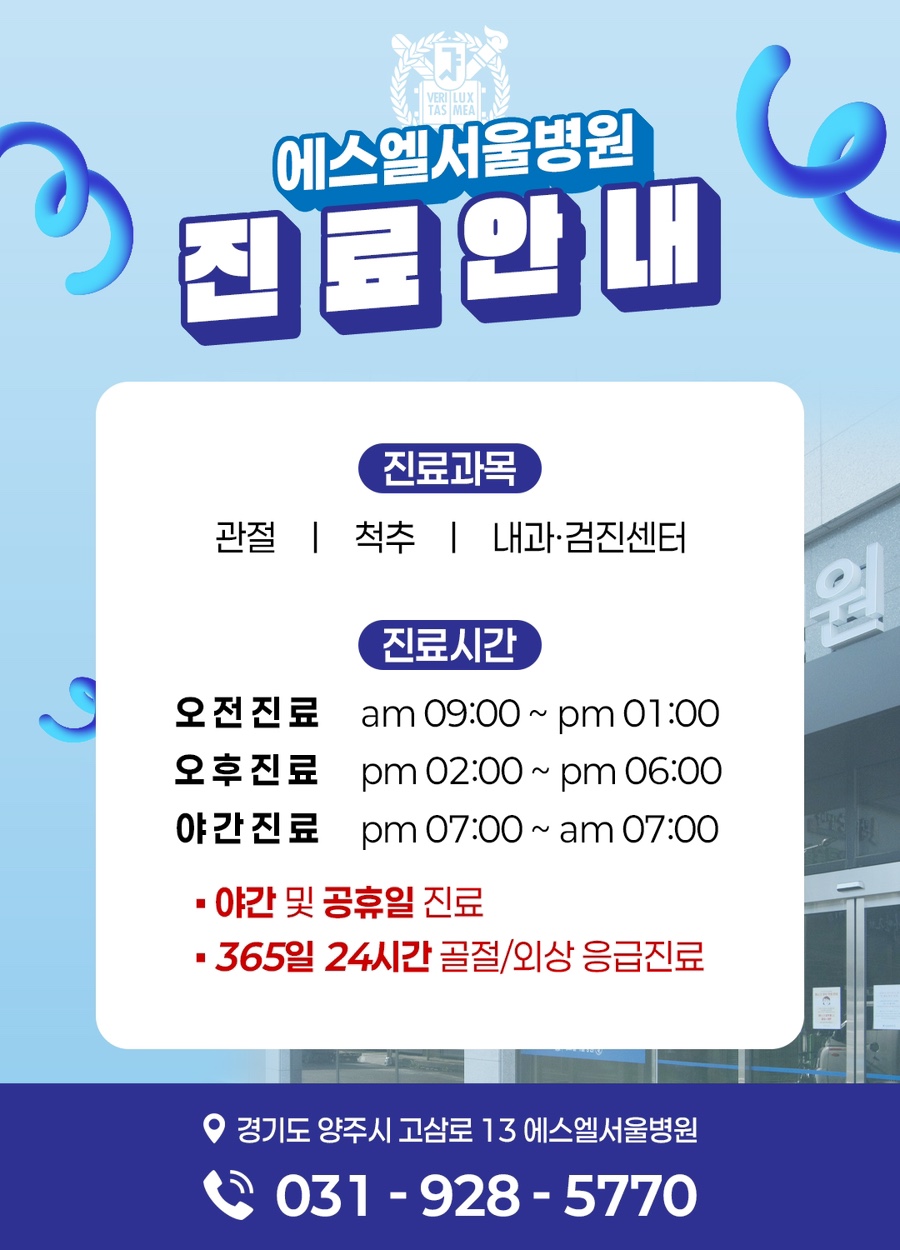
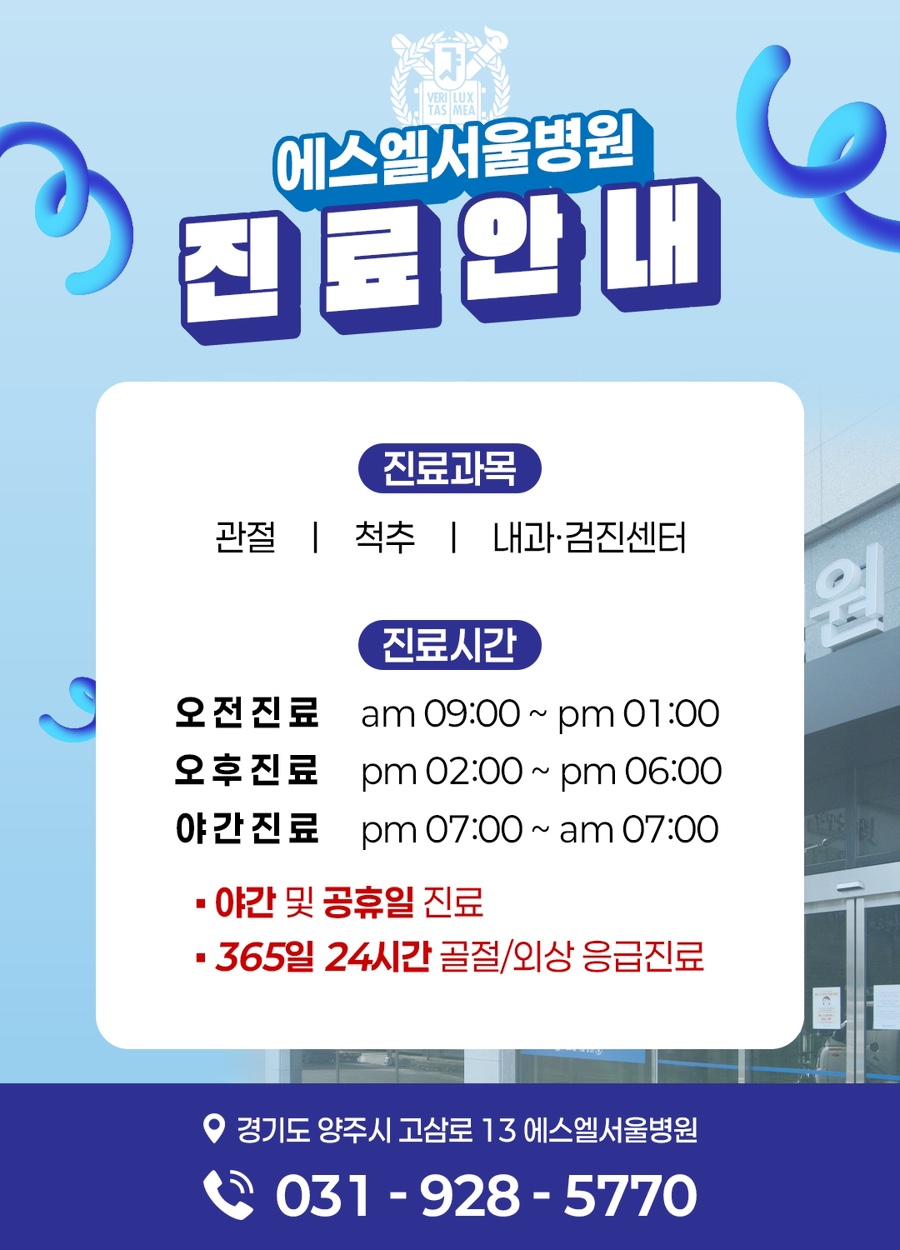
    SL Seoul Hospital is located at 13 Gosam-ro, Yangju-si, Gyeonggi-do.
    Lower back physical therapy illustration 16

    Lower back physical therapy illustration 17

    Before your visit, we recommend checking office hours and available departments on the SL Seoul Hospital Spine & Joint Clinic homepage.


    Frequently Asked Questions

    1. Do I need to rest in bed for several days if my lower back hurts?
    A day or two of rest right after acute pain begins can help, but prolonged bed rest can actually weaken your muscles. After a diagnosis, staying lightly active within your pain tolerance tends to be better for recovery.

    2. How often should I get lower back physical therapy?
    This varies based on your symptoms and how far they’ve progressed. Many people start with 2–3 sessions per week and adjust the frequency as their condition improves.

    3. Should I use a heating pad or an ice pack for lower back pain?
    Ice tends to help more in the early, acute stage when there’s swelling, while heat is generally better for chronic stiffness and tight muscles, as it supports blood circulation.

    4. What should I prepare to get an accurate diagnosis at the clinic?
    It helps to note down when your pain started, which postures or times of day make it worse, and any accompanying symptoms like leg numbness, before your appointment.

    References

    · Korea Disease Control and Prevention Agency, “Herniated Disc (Intervertebral Disc Herniation),” National Health Information Portal. View source
    · Asan Medical Center, “Low Back Pain,” Asan Medical Center Health Information Library. View source
    · National Evidence-based healthcare Collaborating Agency (NECA), “Health Technology Reassessment Report: Transcutaneous Electrical Nerve Stimulation for Low Back Pain Patients,” 2024. View source

    This article is intended for general health information purposes and is not a substitute for individual diagnosis or treatment. If you have symptoms, please consult a medical professional.
  • Frozen Shoulder Treatment: 3 Exercises Plus a Symptom Checklist

    Frozen Shoulder Treatment: 3 Exercises Plus a Symptom Checklist

    SummaryIf you’re wondering about frozen shoulder treatment, here’s what to know. This guide covers a self-check symptom checklist, how frozen shoulder differs from a rotator cuff tear, causes such as diabetes and thyroid disease, and stage-by-stage frozen shoulder treatment exercises for the acute and chronic phases. We’ll also cover when it’s time to see a specialist.

    Have you ever reached up to wash your hair,
    only to feel your arm lock up in pain?

    If one shoulder has grown stiff for no clear reason — no fall, no bump —
    and the pain keeps you up at night, it may be more than simple muscle fatigue.

    In that case, it’s worth considering frozen shoulder, a condition caused by inflammation of the joint capsule,
    since the symptoms can easily be confused with a rotator cuff tear or shoulder impingement syndrome.

    frozen shoulder treatment

    Before getting into frozen shoulder treatment options,
    it helps to start with a self-check checklist to assess your own shoulder.

    frozen shoulder treatment illustration 2

    For anyone weighing frozen shoulder treatment, this article lays out
    how to tell the symptoms apart, what causes the condition, and
    stage-by-stage management and exercises for the acute and chronic phases, in order.

    Read on to see how inflammation in the joint capsule tends to progress,
    and which exercises you can safely try at home.

    frozen shoulder treatment illustration 3

    What Exactly Is Frozen Shoulder?

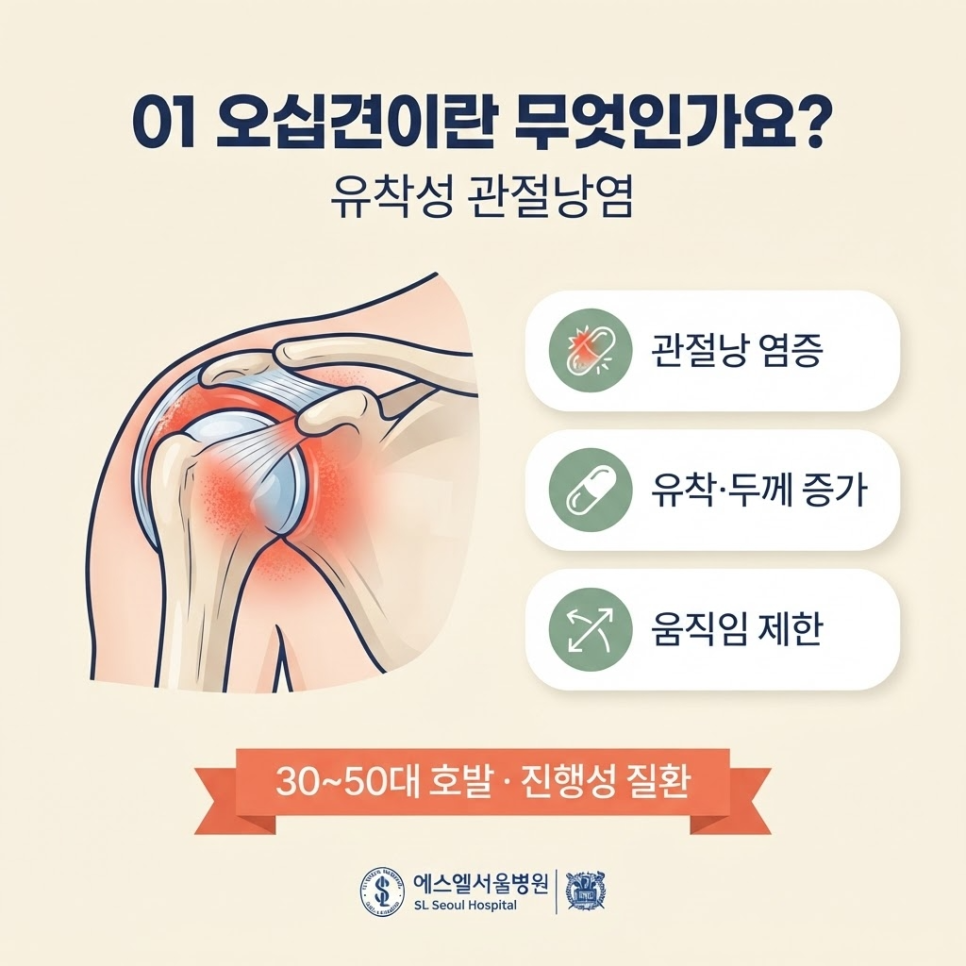
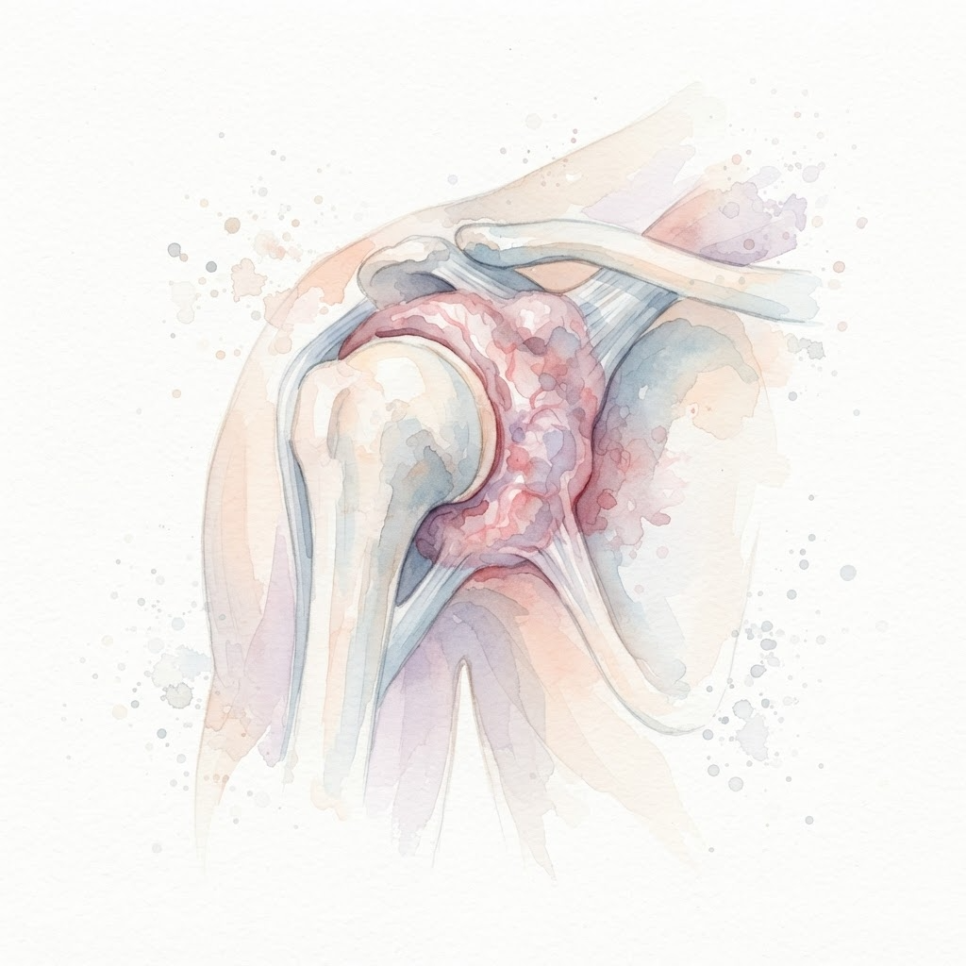
    Frozen shoulder is a condition in which the joint capsule surrounding the shoulder becomes inflamed, thickens, and stiffens.

    Frozen shoulder, medically known as adhesive capsulitis, occurs when inflammation in the joint capsule limits both active and passive shoulder movement.

    According to Korea’s National Health Information Portal, frozen shoulder affects roughly 2% of the general population, making it a fairly common shoulder condition.
    It typically develops after age 50 without any specific injury.
    That said, younger adults who spend long hours on computers and smartphones can also report shoulder pain,
    so it’s worth paying attention to symptoms regardless of age.

    frozen shoulder treatment illustration 4

    Key Point
    The longer frozen shoulder goes untreated, the more the joint capsule can thicken and stiffen,
    and this progressive condition may eventually make it hard to raise your arm on your own.
    Starting frozen shoulder treatment early, as soon as symptoms appear, tends to support a smoother recovery.

    frozen shoulder treatment illustration 5


    What Are the Symptoms, and How Is It Different From Other Shoulder Conditions?

    Not all shoulder pain is frozen shoulder.

    Rotator cuff tears and shoulder impingement syndrome can cause similar pain,
    so an accurate diagnosis matters.

    The key difference: with frozen shoulder, the arm still won’t lift all the way even when someone else raises it for you.
    With a rotator cuff tear, the arm can often move further when someone assists.

    Category Frozen Shoulder Rotator Cuff Tear
    When someone else lifts the arm Doesn’t lift all the way Lifts partway
    Pain pattern Restricted motion in every direction Weakness in specific directions
    Night pain Common May also occur
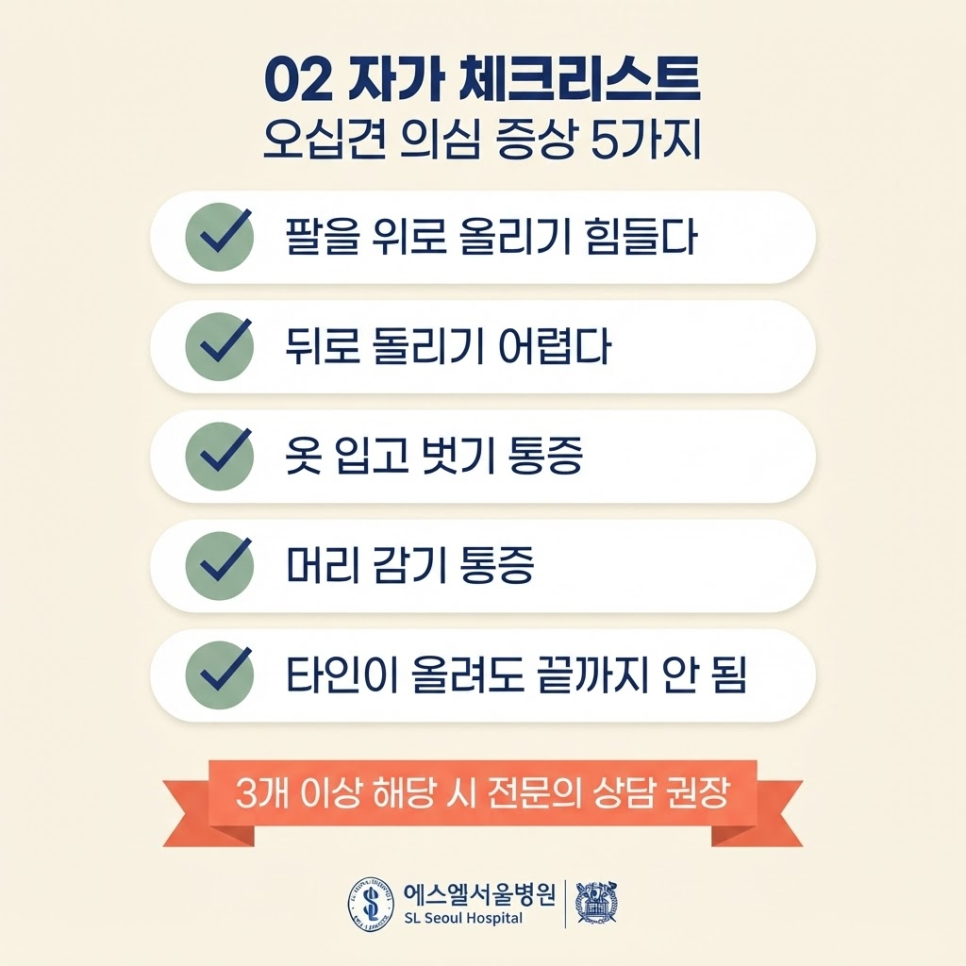
    Symptom Checklist
    ✅ Difficulty lifting your arm overhead or rotating it behind your back
    ✅ Pain when getting dressed or washing your hair
    ✅ Pain that radiates from the shoulder down to the elbow
    ✅ Trouble sleeping when lying on the affected side
    ✅ Your arm still won’t lift all the way even when a family member or someone else raises it for you

    frozen shoulder treatment illustration 6


    What Causes Frozen Shoulder?

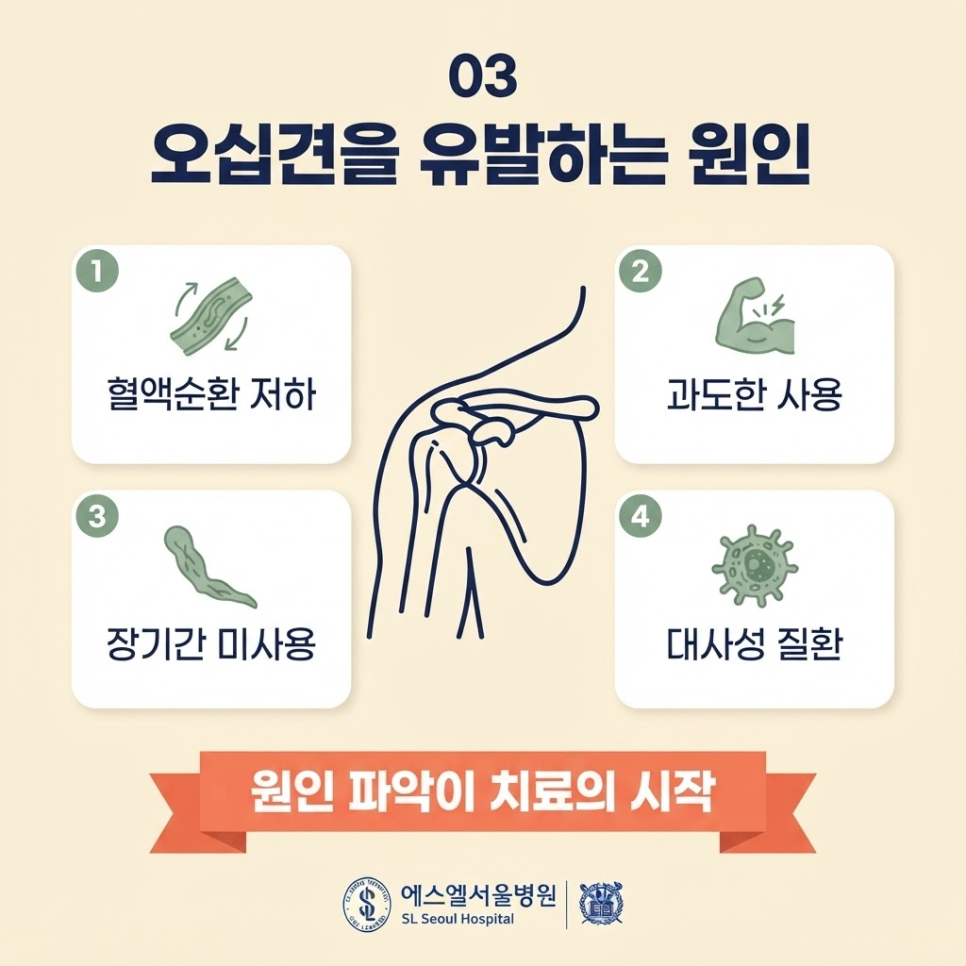
    The main causes of frozen shoulder are reduced blood flow around the joint and an inflammatory response.

    The joint capsule can stiffen from overusing the shoulder — or, just as often, from not moving it enough over a long stretch of time.

    Age-related degenerative changes are also a major factor,
    and some reports suggest that metabolic conditions such as diabetes or thyroid disease can raise the risk of developing frozen shoulder.
    One orthopedic specialist has noted that having diabetes may raise the risk of frozen shoulder by more than fivefold.

    frozen shoulder treatment illustration 7


    How Is Frozen Shoulder Treatment Done?

    Frozen shoulder treatment approaches differ depending on the pain stage.

    During the acute phase, when pain is at its worst, calming the inflammation comes first. Once pain eases into the chronic phase, exercises to loosen the stiffened joint can begin.

    To pinpoint the correct stage, a doctor will first assess the pain pattern,
    and imaging may be used if needed to check the extent of adhesions inside the joint.
    Treatment typically follows each stage in order, with exercises kept within a comfortable, non-strenuous range.

    frozen shoulder treatment illustration 8

    Caution
    Forcing a stretch past the point of pain can actually make the inflammation worse.
    The general rule is to move gently only up to just before pain begins.
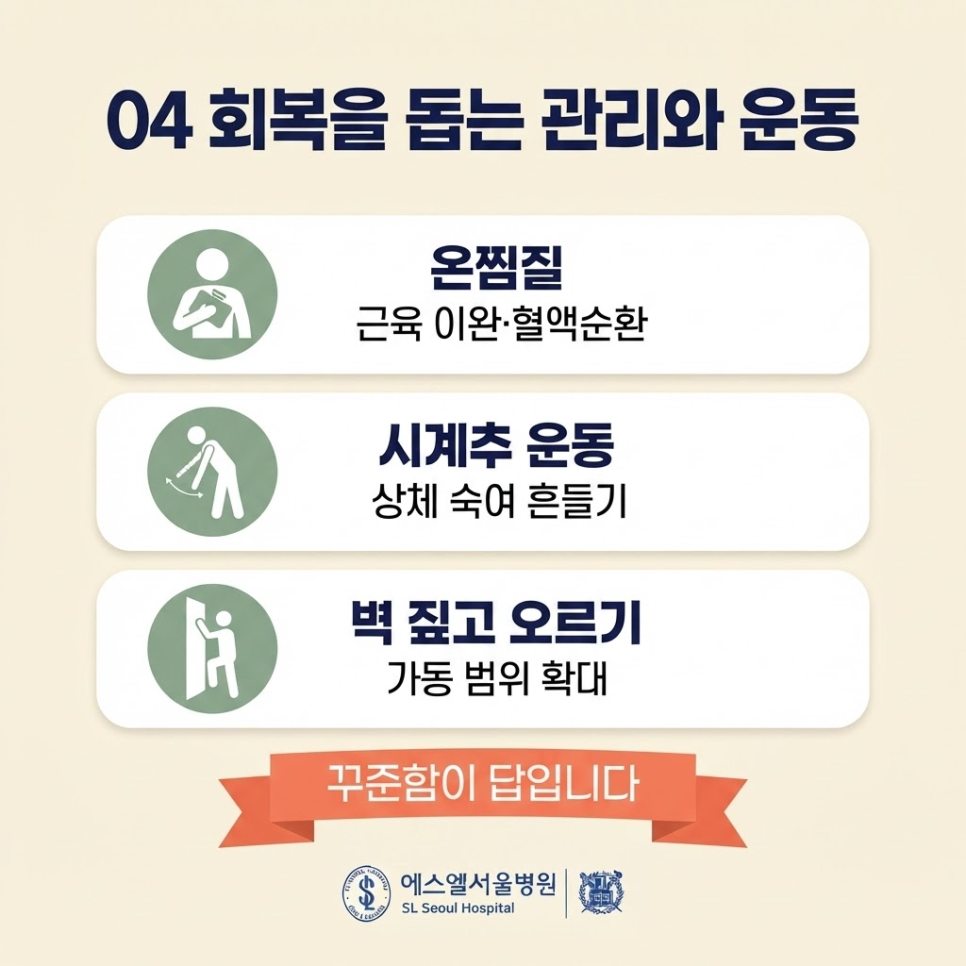
    1. Warm compress: Helps relax muscle tension and supports blood circulation.
    2. Pendulum exercise: Gently hold the affected arm with your unaffected hand, lean your upper body forward, and let the arm swing slowly like a pendulum.
    3. Wall climb (finger walk): Face a wall and slowly walk your fingers upward, gradually increasing your range of motion.
    What to Expect
    With consistent, stage-appropriate management, shoulder range of motion tends to gradually improve over time.
    Recovery speed varies from person to person, though, and can typically take anywhere from several months to one or two years.

    If it’s hard to judge the exact cause and stage on your own,
    we recommend having a specialist evaluate your current condition first.
    You can find related care information on the SLS Seoul Hospital Spine & Joint Center homepage.


    Frequently Asked Questions

    1. Does frozen shoulder go away on its own?
    Some cases do ease with time, but if left untreated, the shoulder can stiffen with reduced function or develop additional pain, so consulting a specialist is recommended.

    2. Is more exercise always better?
    No. Forcing your range of motion past the point of pain can make the inflammation worse. The key is to move within a controlled range and stop just before pain sets in.

    3. How is frozen shoulder treatment carried out at a hospital?
    Since shoulder pain can have many different causes, exercising on your own without an accurate diagnosis can make things worse. It’s safer to have an orthopedic specialist assess the pain pattern — and imaging, if needed — before setting a treatment plan.

    4. Can you tell frozen shoulder and a rotator cuff tear apart at home?
    If your arm still won’t lift all the way even when someone else raises it for you, frozen shoulder is more likely, but imaging is needed for an accurate diagnosis.


    SLS Seoul Hospital supports patients with accurate diagnosis and stage-by-stage management of shoulder pain.

    frozen shoulder treatment illustration 9

    frozen shoulder treatment illustration 10

    frozen shoulder treatment illustration 11

    frozen shoulder treatment illustration 12

    frozen shoulder treatment illustration 13

    frozen shoulder treatment illustration 14


    References

    · Korea Disease Control and Prevention Agency, “Frozen Shoulder (Adhesive Capsulitis),” National Health Information Portal. View source
    · Asan Medical Center Newsroom, “Exercises for Frozen Shoulder Treatment,” Asan Medical Center. View source
    · MediPana, “Frozen Shoulder Linked to Diabetes and Thyroid Disease — Caution Advised for Those 40 and Older,” MediPana News. View source
    · Hankook Ilbo, “Leaving Frozen Shoulder Untreated Can Lead to Chronic Pain — Treatments That Shorten Recovery Time,” Hankook Ilbo, 2025. View source


    This article is intended to provide general health information and is not a substitute for individual diagnosis or treatment.
    If you have symptoms, please consult a specialist.