Tag: Uijeongbu Orthopedic Clinic

  • Manual Therapy vs Massage: 3 Key Differences You Should Know

    Manual Therapy vs Massage: 3 Key Differences You Should Know

    SummaryManual therapy vs massage — how are they actually different? This guide covers the causes of forward head posture and shoulder pain, the orthopedic exam process, and the lifestyle habits to follow during recovery. If your pain keeps coming back, start with a proper diagnosis.

    If you spend all day hunched over a smartphone or a monitor, you’ve probably felt your neck and shoulders tighten up.
    Many people reach for a massage chair or a massage parlor first when that happens.

    But repeating strong pressure without knowing what’s actually causing the pain can add micro-damage to already-weakened joints and muscles.
    To properly address forward head posture and chronic shoulder pain, you need an approach like manual therapy in Uijeongbu that diagnoses and corrects the underlying structure of the body.

    This article breaks down what causes musculoskeletal pain and how orthopedic clinics approach it.
    We’ll also cover how non-surgical manual therapy works, what the exam process looks like, and how to manage your lifestyle habits during recovery.
    If you’ve ever wondered how manual therapy vs massage actually compare, read on.
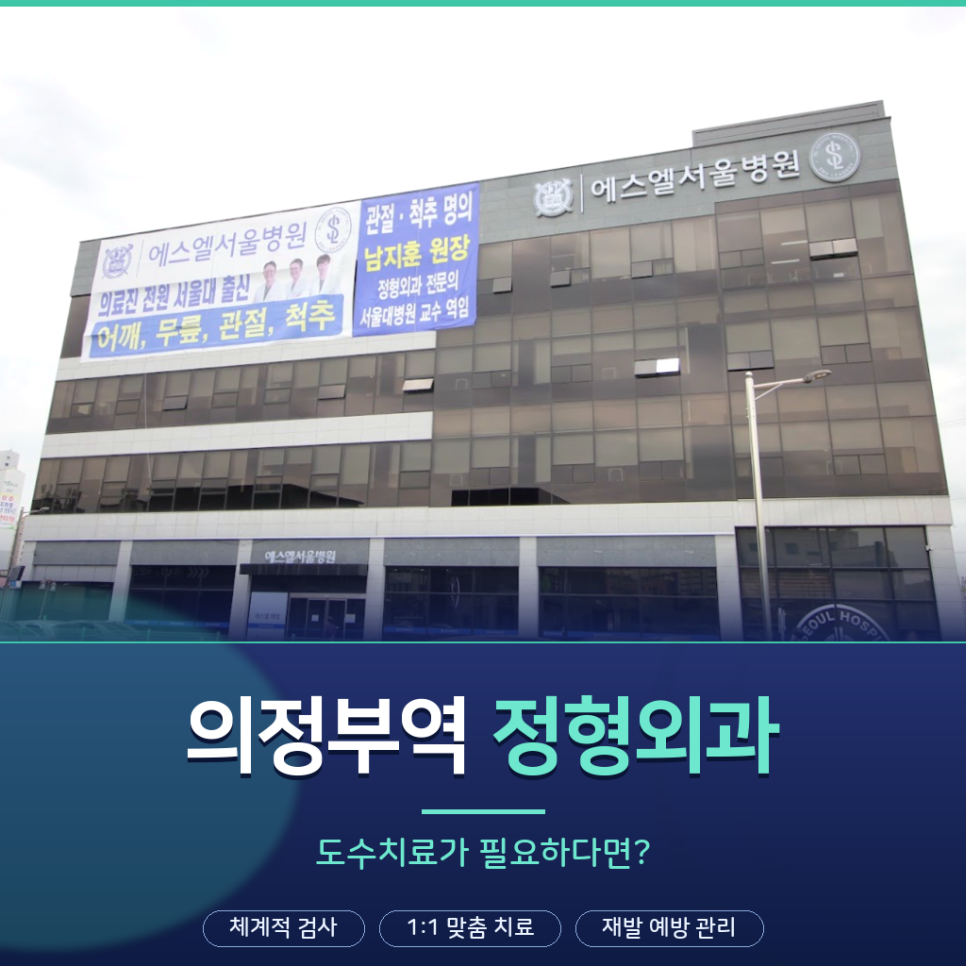
    Manual therapy vs massage: Uijeongbu clinic overview

    Manual Therapy vs Massage: How Are They Different?

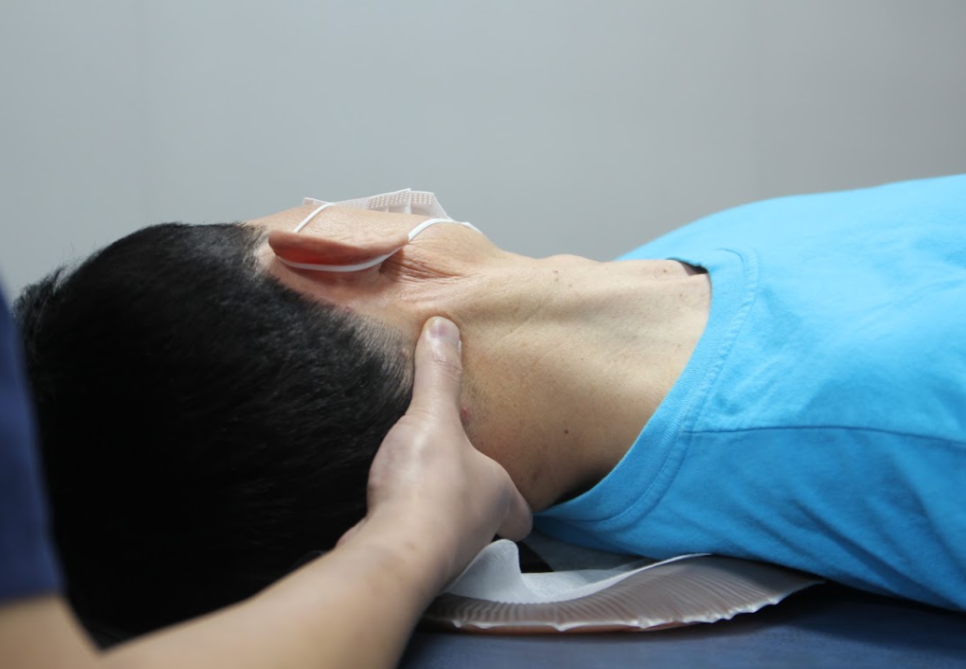
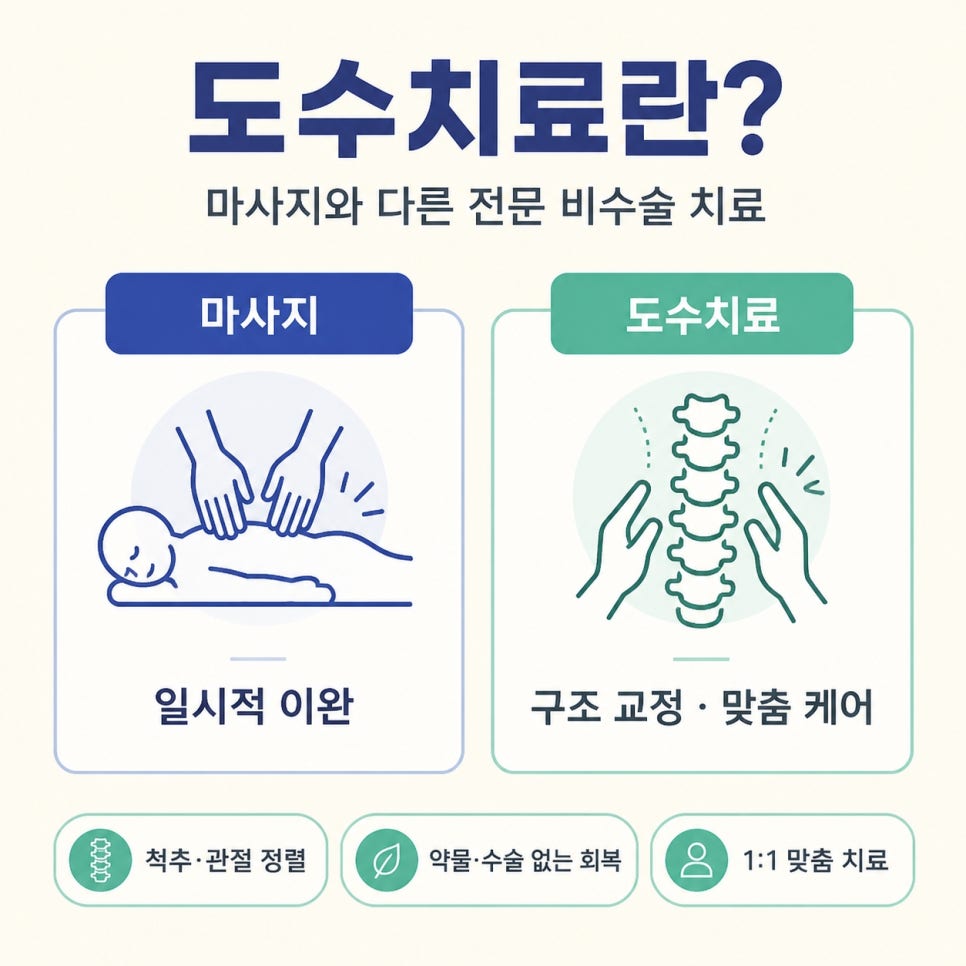
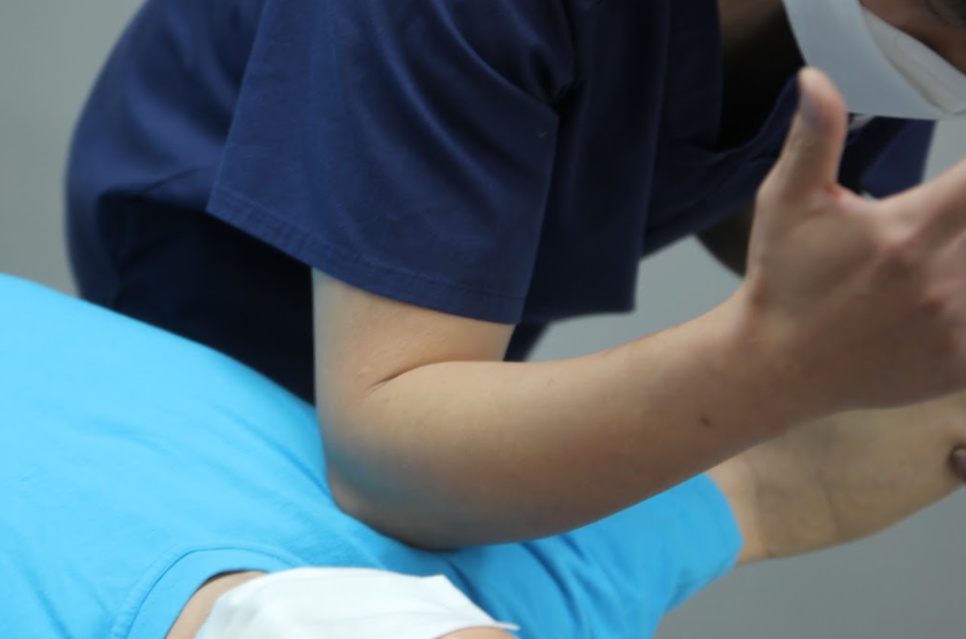
    To put it simply, manual therapy isn’t a relaxation-focused massage — it’s a medical treatment designed to correct the structure of the body.
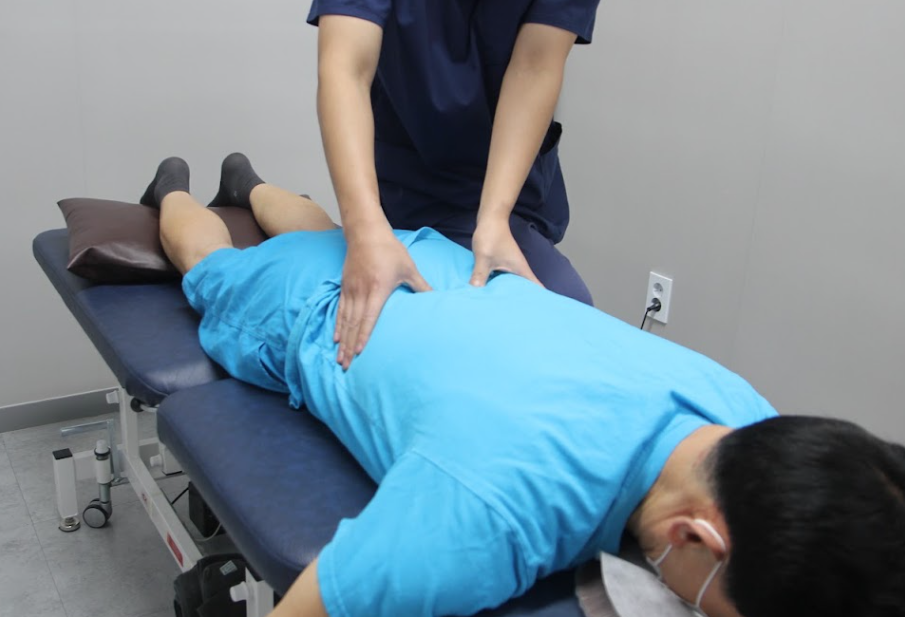
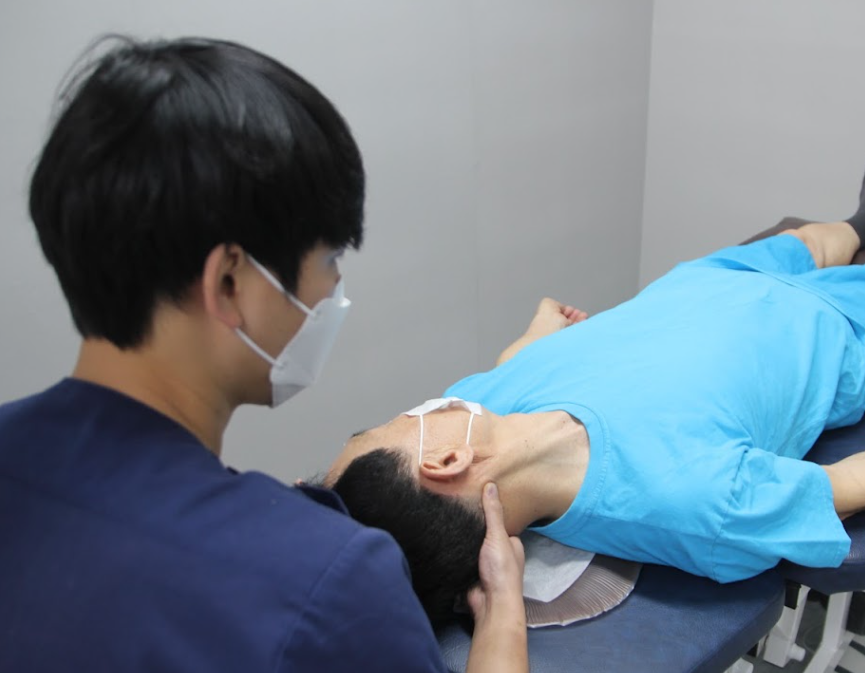
    Manual therapy is a non-surgical treatment in which a therapist with anatomical training uses their hands to realign imbalances in the spine, joints, and muscles.

    It’s a fundamentally different concept from simply kneading and loosening the body.
    Releasing muscle tension is just the starting point.
    It’s known as a method that can help relieve pain by precisely realigning joints that have shifted out of position.
    Manual therapy in Uijeongbu - image 2

    Comparing Massage and Manual Therapy at a Glance

    Category Massage Manual Therapy
    Purpose Temporary relaxation, stress relief Correcting structural imbalances
    Diagnosis No formal diagnosis beforehand Preceded by history-taking and imaging
    Provider Massage therapist Licensed therapist at a medical clinic
    Approach Muscle-focused pressure and release Includes joint and spinal alignment
    Key Takeaways
    · It may support the body’s natural recovery process without relying on medication or surgery.
    · Treatment plans are tailored to each person’s body type and pain areas.

    Neck and Shoulder Pain: Which Symptoms Call for a Thorough Diagnosis?

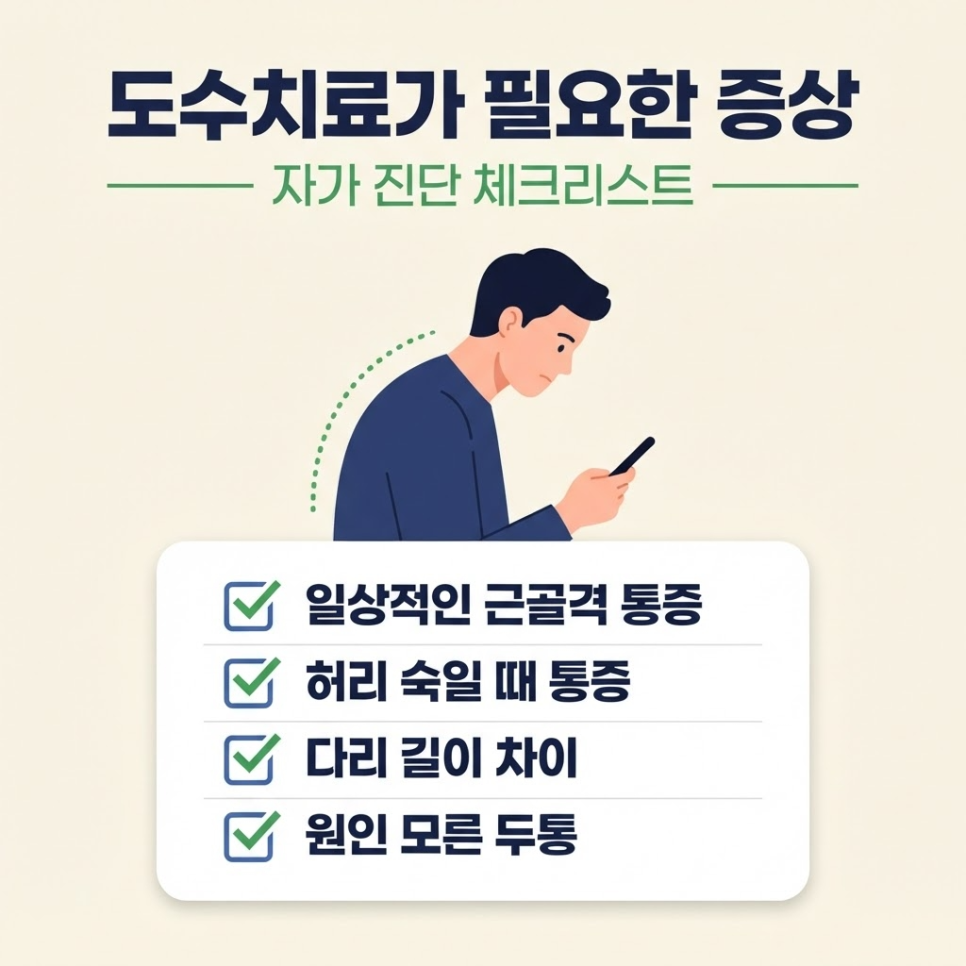
    In short, if the symptoms below keep recurring, it’s best not to ignore them and to get a thorough exam instead.
    Poor posture and repetitive daily habits are the biggest reasons modern adults develop musculoskeletal pain.

    Spending long hours on a smartphone or computer means more time spent with your head tilted forward or your back hunched.
    According to Korea’s National Health Information Portal, run by the Korea Disease Control and Prevention Agency, sustaining these postures over time can cause micro-damage to the muscles, ligaments, and discs around the cervical spine, which can eventually lead to pain and headaches.
    Ultimately, this throws off the balance of the spine and triggers a range of symptoms.
    Manual therapy in Uijeongbu - image 3

    Manual therapy in Uijeongbu - image 4

    Checklist
    ✅ Your neck and shoulders feel persistently stiff and sore
    ✅ You feel pain when bending or straightening your back
    ✅ Your pelvis feels tilted, making your legs seem uneven in length
    ✅ You experience ongoing headaches or unexplained joint discomfort

    If these symptoms persist, getting a thorough exam early on is the best way to protect your health.
    Since an accurate diagnosis is essential for building the right treatment plan, we recommend consulting a medical facility such as an orthopedic clinic in the Uijeongbu area.
    Manual therapy in Uijeongbu - image 5


    What Exams and Steps Do Orthopedic Clinics Use Before Manual Therapy?

    A systematic examination process must always come before treatment begins.
    That’s because each patient’s pain and body structure are different.
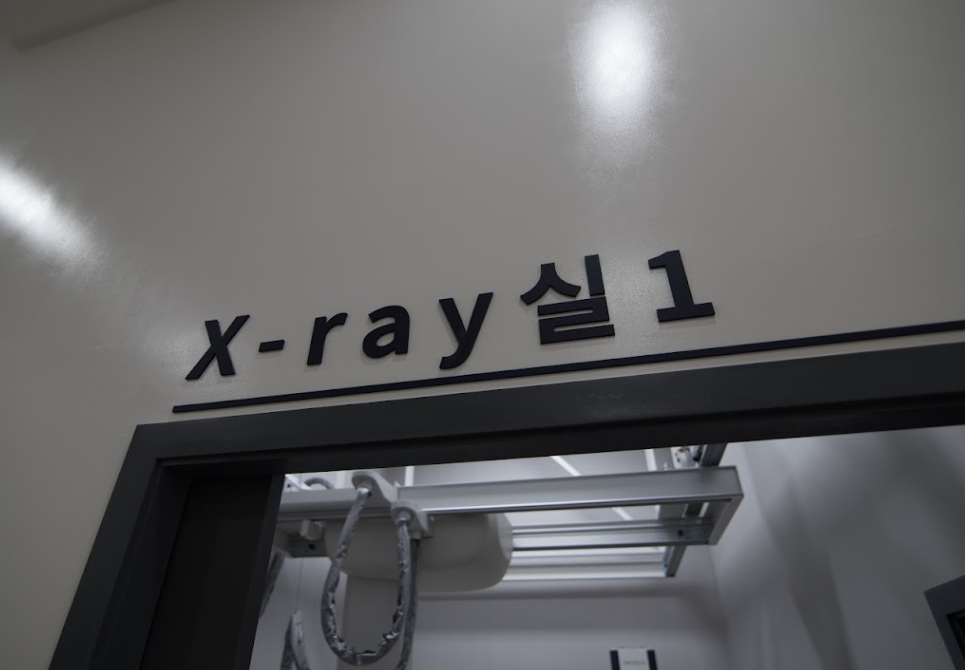
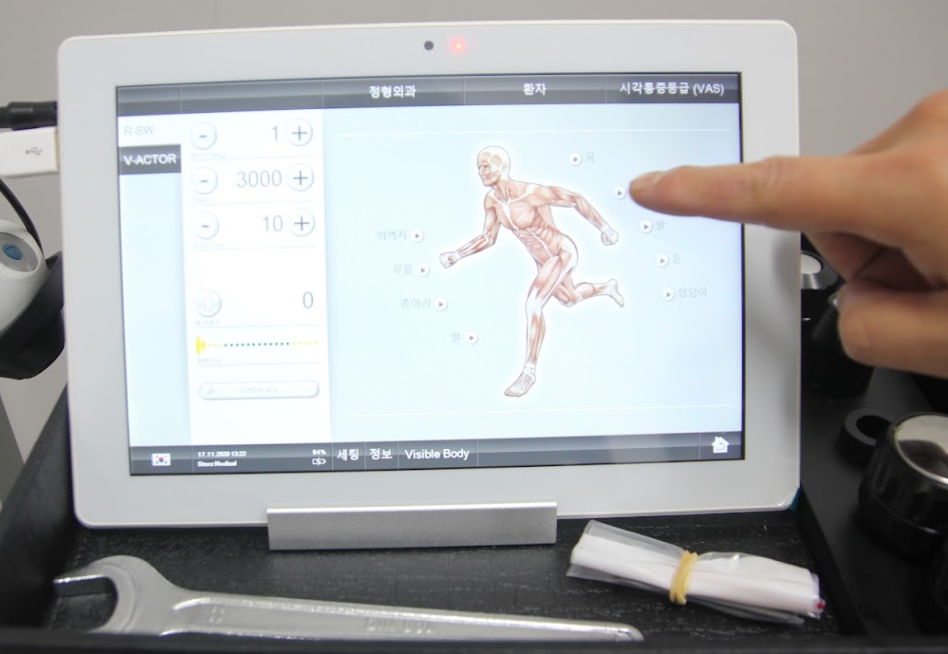
    Posture analysis and imaging such as X-rays are used to assess joint range of motion and muscle tension as well.
    Manual therapy in Uijeongbu - image 6

    Key Takeaways
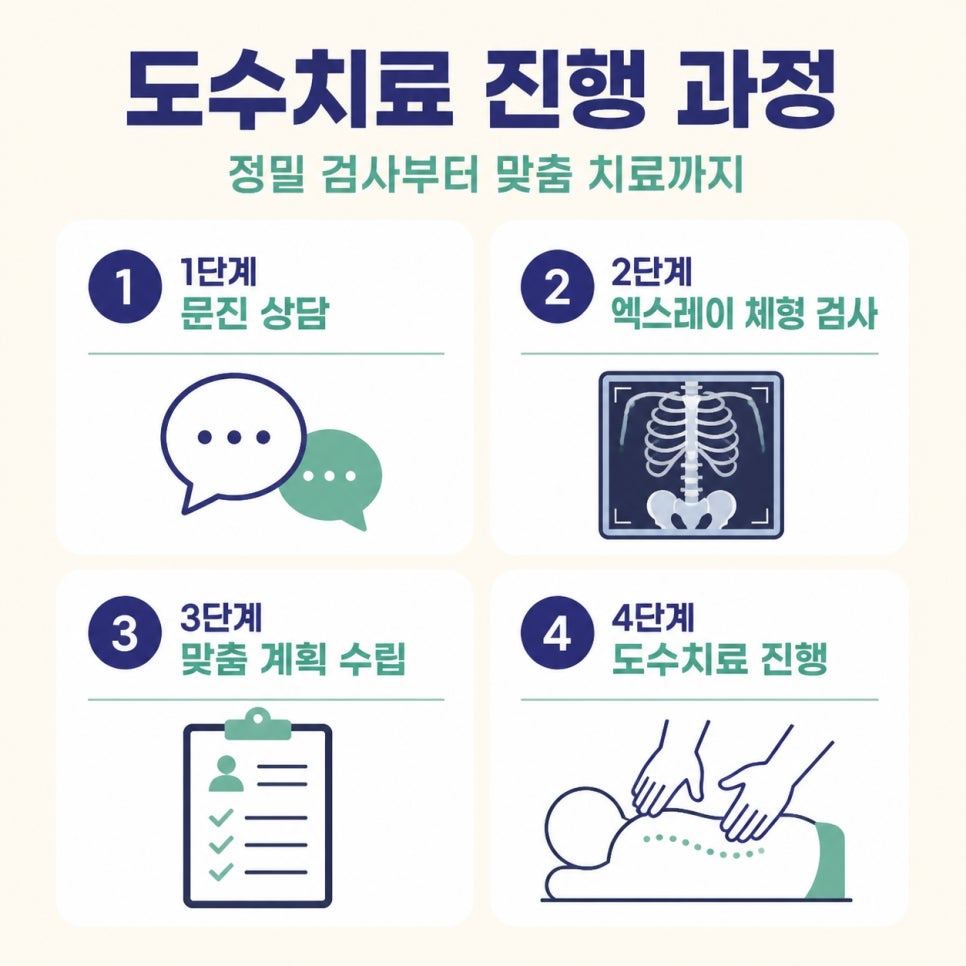
    Step 1: One-on-one consultation and medical history form with a specialist
    Step 2: X-ray and detailed postural-imbalance assessment
    Step 3: Developing a personalized treatment plan based on exam results
    Step 4: Personalized manual therapy delivered by a licensed therapist

    Once a personalized plan is built from the exam results, patients receive focused, one-on-one care from their therapist.
    Safe, effective care depends on an accurate diagnosis, so it’s worth choosing a clinic with a systematic examination process in place.
    Manual therapy in Uijeongbu - image 7


    How Should You Manage Recovery Time and Prevent Symptoms From Returning?

    Recovery time varies depending on how severe your symptoms are and your individual body structure.
    When it comes to manual therapy vs massage, only one of the two is built for lasting structural correction rather than short-term relief.
    A single session may provide temporary relief, but correcting the underlying posture problem usually requires ongoing care.
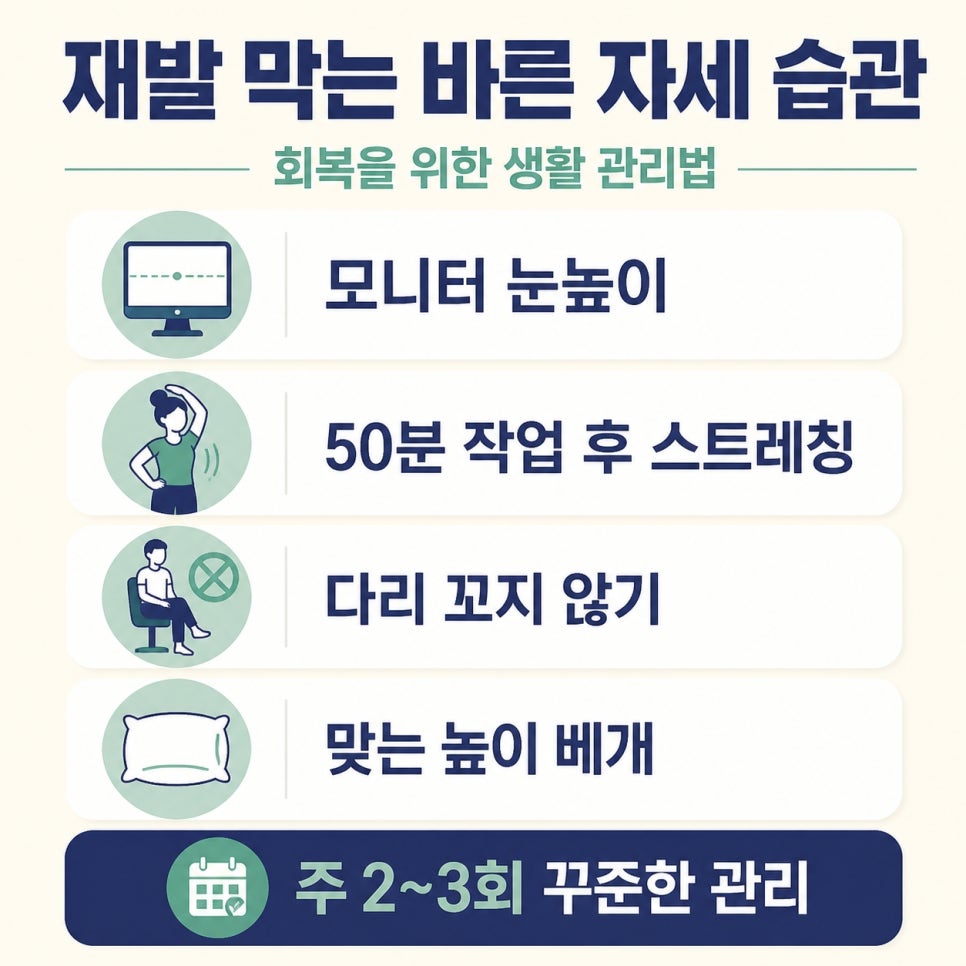
    It’s common to start with 2-3 sessions a week and adjust the schedule based on progress.
    Manual therapy in Uijeongbu - image 8

    Changes You May Notice When Treatment Is Combined With Better Habits
    · Tight, stiff muscles in the neck and shoulders gradually loosen.
    · A misaligned pelvis and spine slowly settle into a more stable position.
    · It can help reduce how often pain recurs.

    Separate from the treatment itself, making an effort to change daily habits is essential for preventing symptoms from coming back.
    We recommend consistently following the guidelines below.
    Manual therapy in Uijeongbu - image 9

    Preventive Habits for Maintaining Good Posture

    • Keep your monitor at eye level
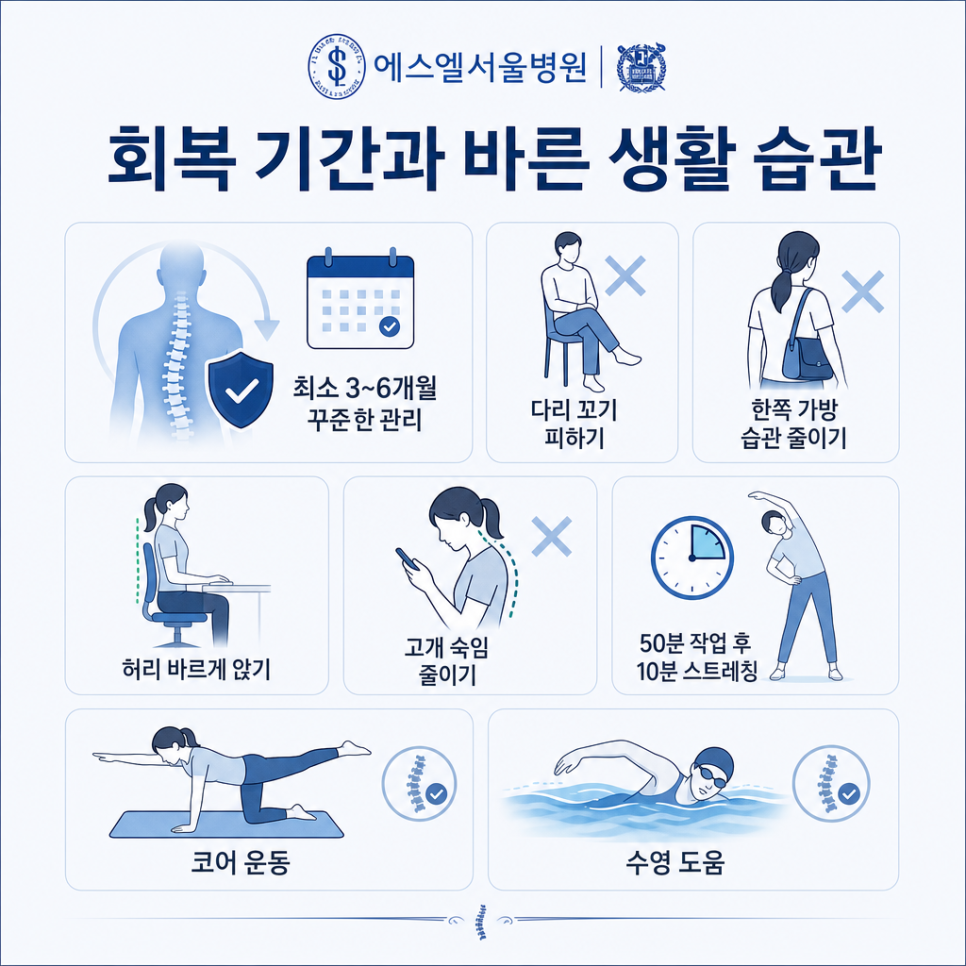
    • Stretch your spine for 10 minutes after every 50 minutes of work
    • Break the habit of crossing your legs or resting your chin on one hand
    • Use a pillow height that suits your body while sleeping

    Small changes in habit are the first step toward a healthier spine.
    Combining daily self-care with professional support may contribute to steadier recovery.

    If you suspect a structural imbalance, we recommend consulting an orthopedic clinic in the Uijeongbu area that offers a systematic diagnostic process.
    If you sit for long hours at work, checking your everyday posture is a good place to start when it comes to preventing pain.

    If you’d like more information on spine and joint health overall, you can check the department guides on the SL Seoul Hospital spine and joint homepage.
    Manual therapy in Uijeongbu - image 10


    Frequently Asked Questions

    1. Does treatment hurt a lot?
    The intensity is adjusted to each person’s pain tolerance, so you don’t need to worry about excessive pain. Rather than applying force by default, the therapist communicates with you throughout to find the right level of pressure.

    2. How long does a session take?
    A typical session runs about 40 minutes to an hour. This can vary somewhat depending on the area being treated and how the care program is structured.

    3. Can patients with a herniated disc receive treatment?
    In many cases, yes. However, whether treatment is appropriate depends on the severity of the disc issue and the degree of nerve compression, so it’s safest to proceed only after a specialist’s examination.

    4. Are there any side effects or precautions to keep in mind?
    You may feel some temporary stiffness or fatigue after treatment, which is a natural part of the muscles releasing tension. That said, if pain continues, you should be sure to consult your care team.

    Please Note
    If you have a diagnosed disc issue or nerve compression, please do not begin treatment based on self-assessment — confirm with a specialist first that treatment is appropriate for you.

    References

    · Korea Disease Control and Prevention Agency, “Forward Head Posture (Text Neck) Syndrome,” National Health Information Portal, 2024. View source
    · Seoul National University Hospital, “Forward Head Posture,” Medical Information, Seoul National University Hospital. View source
    · National Health Insurance Service, “Manual Therapy,” Non-Covered Medical Fee Information Portal. View source


    This article is intended for general health information purposes only and is not a substitute for individual diagnosis or treatment. If you’re experiencing symptoms, please consult a medical professional.
  • Scoliosis Self-Test: 4 Signs of Uneven Shoulders

    Scoliosis Self-Test: 4 Signs of Uneven Shoulders

    SummaryIf you’re curious about a scoliosis self-test, start by checking early signs like uneven shoulders and pelvic asymmetry with this checklist. We’ve organized everything from Cobb angle diagnostic criteria to manual therapy, exercise management, and recovery timelines, based on the standards used at Uijeongbu Station Orthopedic Clinic.

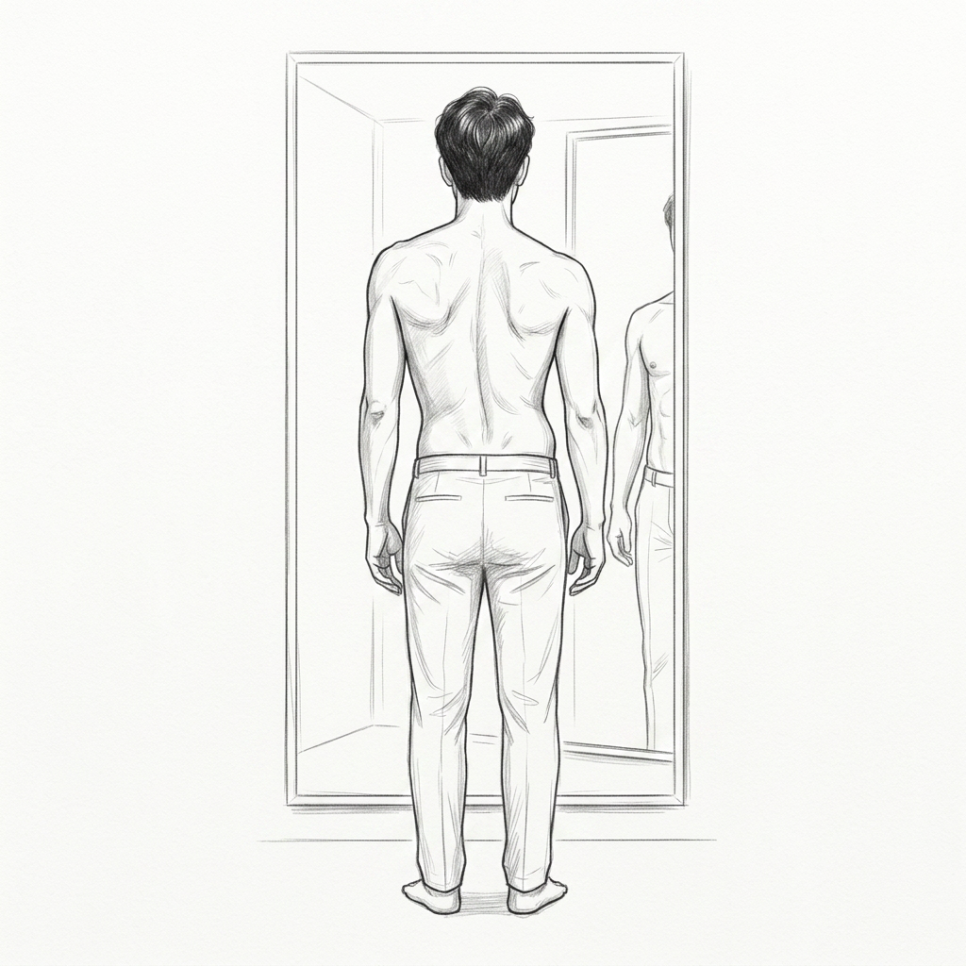
    Ever notice one shoulder sitting noticeably higher than the other every time you check the mirror,
    and your clothes keep slipping to one side?

    Most people chalk it up to posture habits, but it could actually be a scoliosis self-test warning sign.

    It might not be simple tech neck — it could be the start of a structural change where the spine curves sideways.

    In this article, we’ll cover the definition and causes of scoliosis, a scoliosis self-test checklist you can do at home, diagnosis and treatment criteria by Cobb angle, and recovery timelines with lifestyle management tips.

    scoliosis self-test

    image related to scoliosis self-test 2

    What Is Scoliosis?

    To cut to the chase, scoliosis is a three-dimensional spinal condition in which the spine curves into an S or C shape while the vertebrae themselves rotate.

    A healthy spine looks straight when viewed from the front and shows a gentle curve when viewed from the side.

    image related to scoliosis self-test 3

    But when this balance breaks down,
    each spinal segment can twist, throwing off the alignment of the whole body.

    According to Korea’s National Health Information Portal, roughly 80–85% of scoliosis cases are classified as idiopathic scoliosis, meaning the exact cause is unknown.

    It develops most often during the rapid-growth years of adolescence, though the number of adult cases linked to poor posture or degenerative changes has also been rising.

    Key Point
    Scoliosis isn’t just a sideways curve — it also involves a three-dimensional rotation of the vertebrae themselves.
    That’s why careful diagnosis matters.

    Scoliosis Self-Test: Can Uneven Shoulder Height Reveal It?

    Yes — a difference in shoulder or pelvic height is a common scoliosis self-test warning sign.

    In the early stages there’s little to no pain, so it’s hard to notice on your own.

    That’s why many people don’t see a doctor until the change in body shape becomes noticeable.

    image related to scoliosis self-test 4

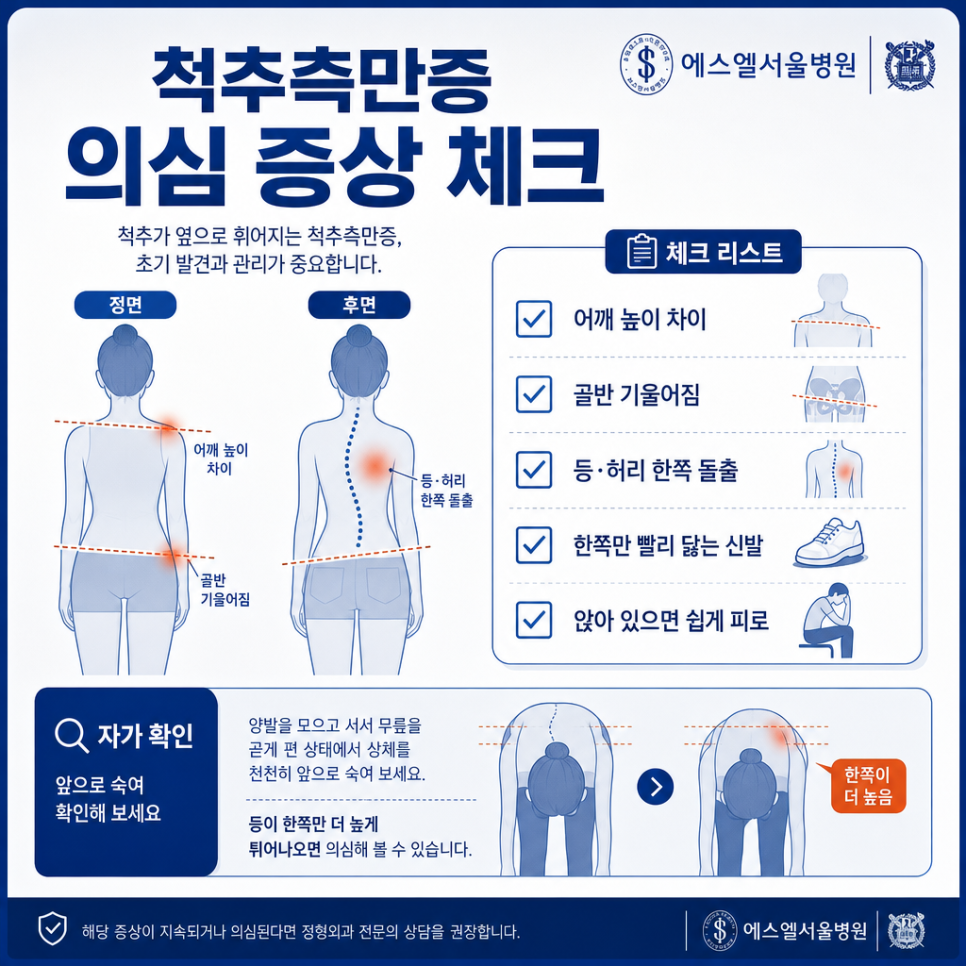
    Uneven shoulder height, a pelvis that tilts to one side, and even one shoe sole wearing down faster than the other are all signs worth checking.

    image related to scoliosis self-test 5

    Checklist
    ✅ One shoulder looks noticeably higher than the other when standing
    ✅ Pelvis height differs from side to side, or pant legs feel uneven in length
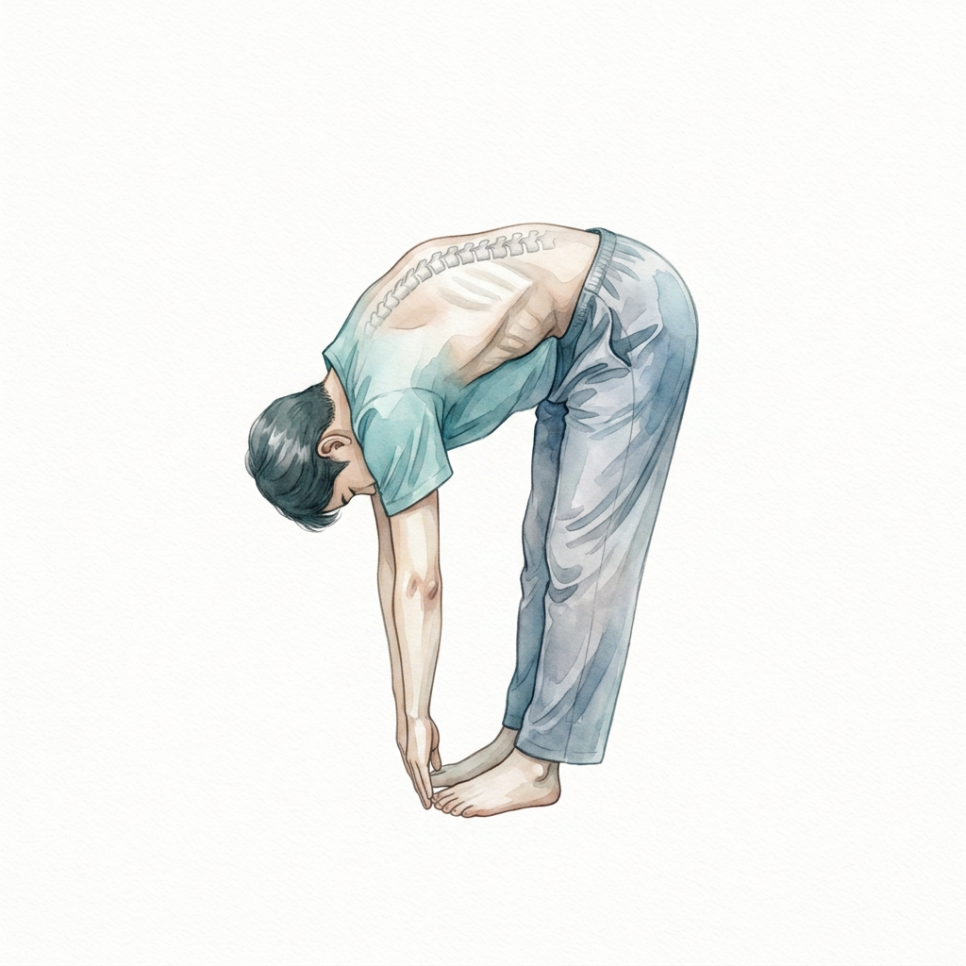
    ✅ Bending forward, one side of the back or waist rises higher than the other
    ✅ Even short periods of sitting leave your lower back and upper back feeling fatigued

    If any of these sound familiar,
    it can help to try the Adam’s forward bend test, where you bend forward at the waist to check for a difference in back height.

    That said, a visual check alone can’t confirm a diagnosis, so an accurate diagnosis requires imaging.


    How Are Scoliosis Diagnosis and Treatment Done?

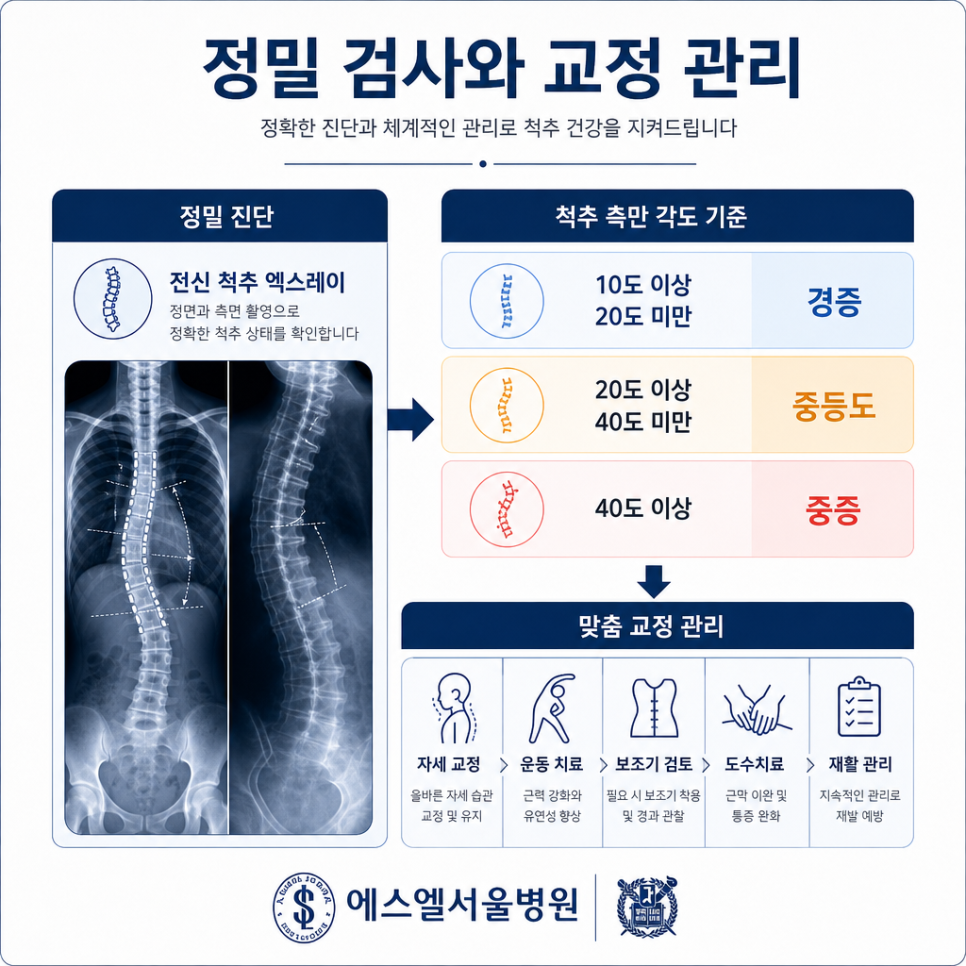
    In short, scoliosis is diagnosed with a full-spine X-ray that measures the Cobb angle.

    image related to scoliosis self-test 6

    According to Seoul Asan Hospital’s medical information, a Cobb angle of 10 degrees or more is what confirms a scoliosis diagnosis.

    Management approach depends on the degree of curvature, summarized in the table below.

    Curve Angle Diagnostic Stage Main Management Approach
    10–20 degrees Mild Posture correction, monitoring, exercise therapy
    20–40 degrees Moderate Consider bracing, manual therapy and rehabilitation
    40 degrees or more Severe Surgical treatment may be considered, close management

    image related to scoliosis self-test 7

    Key Point
    Even at an early stage with a small Cobb angle, the curve can gradually progress year by year if left unmanaged.
    That’s why regular follow-up X-rays matter.

    In early stages where the angle isn’t large, non-surgical treatment is generally tried before surgery.

    Manual therapy, in which a trained therapist works to rebalance a rotated pelvis and spine, is one common option.

    Pairing this with core-strengthening exercises such as sling exercises or Schroth method exercises can help strengthened muscles support the spine and reduce the risk of further deformity.

    Management Tips
    Low-impact, whole-body activities such as swimming (freestyle, backstroke) and core exercises like planks — which place less strain on the spine while engaging muscles evenly — can support healthier body alignment.

    How Long Is Recovery, and What Lifestyle Habits Help?

    Many people want to know how soon things return to normal once treatment starts.

    image related to scoliosis self-test 8

    Spinal changes aren’t corrected in a short time,
    so consistent, ongoing management is essential.

    In general, combining manual therapy with corrective exercise often calls for consistent management over at least 3 to 6 months, and sometimes longer.

    For adolescents who are still growing, an important task is regular monitoring until growth is complete, with the goal of preventing the curve from worsening.

    Everyday Precautions
    ⚠️ Sitting with your legs crossed or always carrying a bag on one shoulder can speed up spinal imbalance.
    ⚠️ When sitting in a chair, get in the habit of sitting with your hips pushed all the way back and keeping your lower back straight.

    image related to scoliosis self-test 9

    When using a smartphone or computer, try to reduce how far you tilt your head down, and take a 10-minute stretch break after every 50 minutes of work — small habits like these lay the groundwork for long-term spinal health.

    image related to scoliosis self-test 10

    At Uijeongbu Station Orthopedic Clinic, we look at each patient’s degree of spinal curvature, bone density, and growth stage together to discuss a personalized non-surgical management plan.

    If a loss of body balance has you concerned, we encourage you to come in for a consultation.

    You can find more information on spine and joint health at the SL Seoul Hospital (Spine & Joint) home page.

    image related to scoliosis self-test 11


    Frequently Asked Questions

    1. Can scoliosis be completely cured?
    It’s difficult to fully straighten a spine that has already changed shape, but appropriate non-surgical corrective treatment and exercise can help reduce pain, slow progression, and support daily life.

    2. Can exercise alone straighten a curved spine?
    Stretching and core exercises help build the strength that supports the spine and may help prevent the angle from worsening, but doing self-guided exercise without a precise diagnosis can sometimes make the imbalance worse, so professional guidance is the safer route.

    3. Can the spine keep curving after adulthood?
    Once growth is finished, rapid changes are less likely, but poor posture, degenerative changes, or muscle weakness can cause the curve to progress slowly — roughly 1 degree or so per year — so adults benefit from ongoing management too.

    4. How often is manual therapy needed?
    This depends on the condition of the spine and severity of symptoms, but it’s typically done 2–3 times a week at first, then adjusted to once a week or 1–2 times a month as things improve.

    5. How do I start a self-test?
    Start in front of a mirror by comparing shoulder and pelvis height on both sides, then try the Adam’s forward bend test to check for a difference in back height when bending forward. If anything feels off, follow up with an X-ray for an accurate diagnosis.

    image related to scoliosis self-test 12


    References

    · Korea Disease Control and Prevention Agency, “Spinal Deformity (Scoliosis),” National Health Information Portal, 2024. View source
    · Seoul Asan Hospital, “Scoliosis,” Disease Encyclopedia, Seoul Asan Hospital Health Information. View source
    · Seoul National University Hospital, “Scoliosis,” Medical Information, Seoul National University Hospital Health Information. View source

    This article is for general health information purposes only and is not a substitute for individual diagnosis or treatment. If you’re experiencing symptoms, please consult a medical professional.