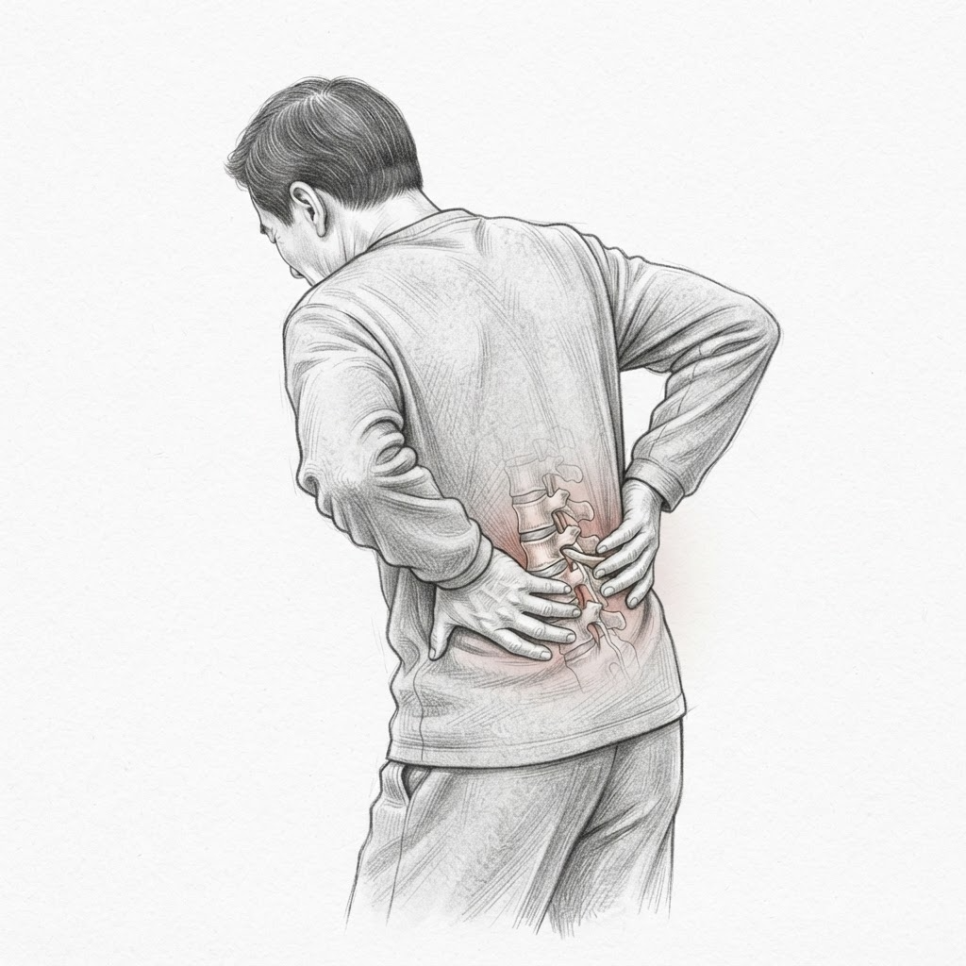
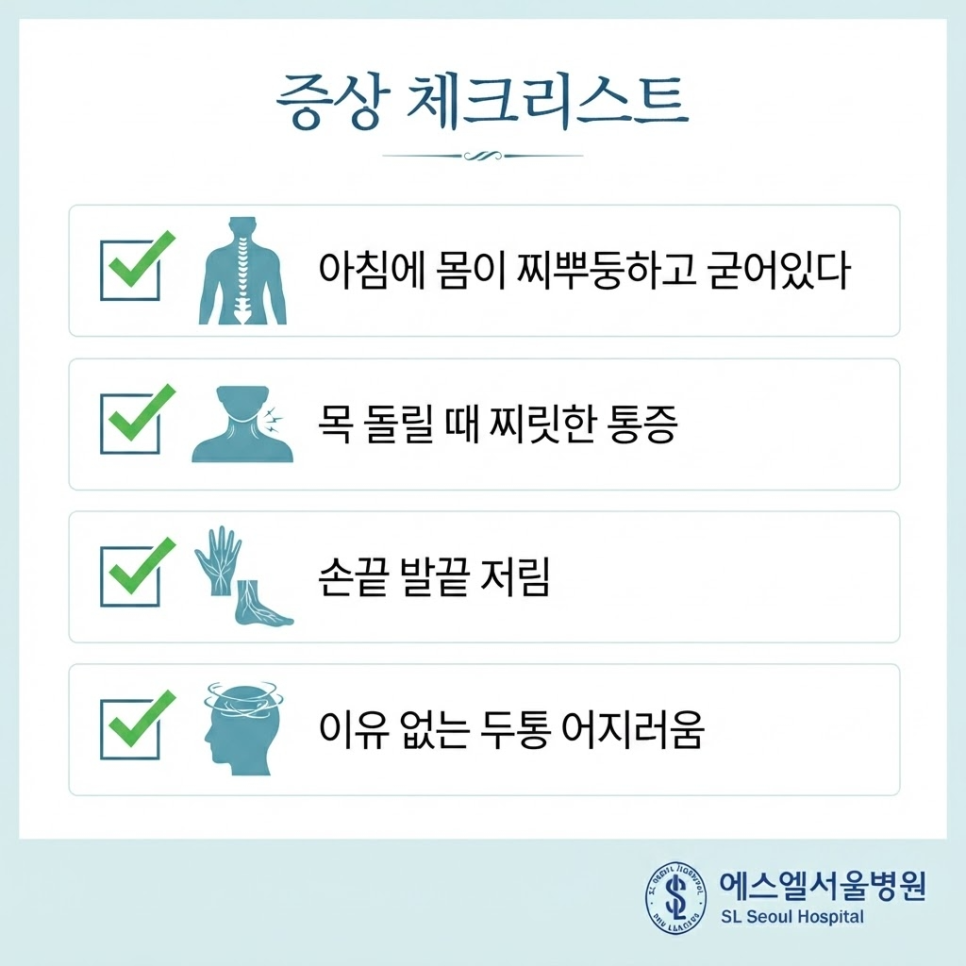
Do you find yourself rubbing your shoulders the moment you wake up?
Most of us have felt that letdown when a massage only helps for a little while.
The truth is, just a few minutes of shoulder tension stretches can make a real difference.
The cause usually isn’t a lack of massages — it’s the small posture habits you repeat every day.

This article covers the root causes of a tight trapezius and two shoulder tension stretches you can do right at your desk.
Reviewing your posture habits alongside these stretches can also help prevent tension from coming back.
Why Does Shoulder Tension Keep Coming Back?
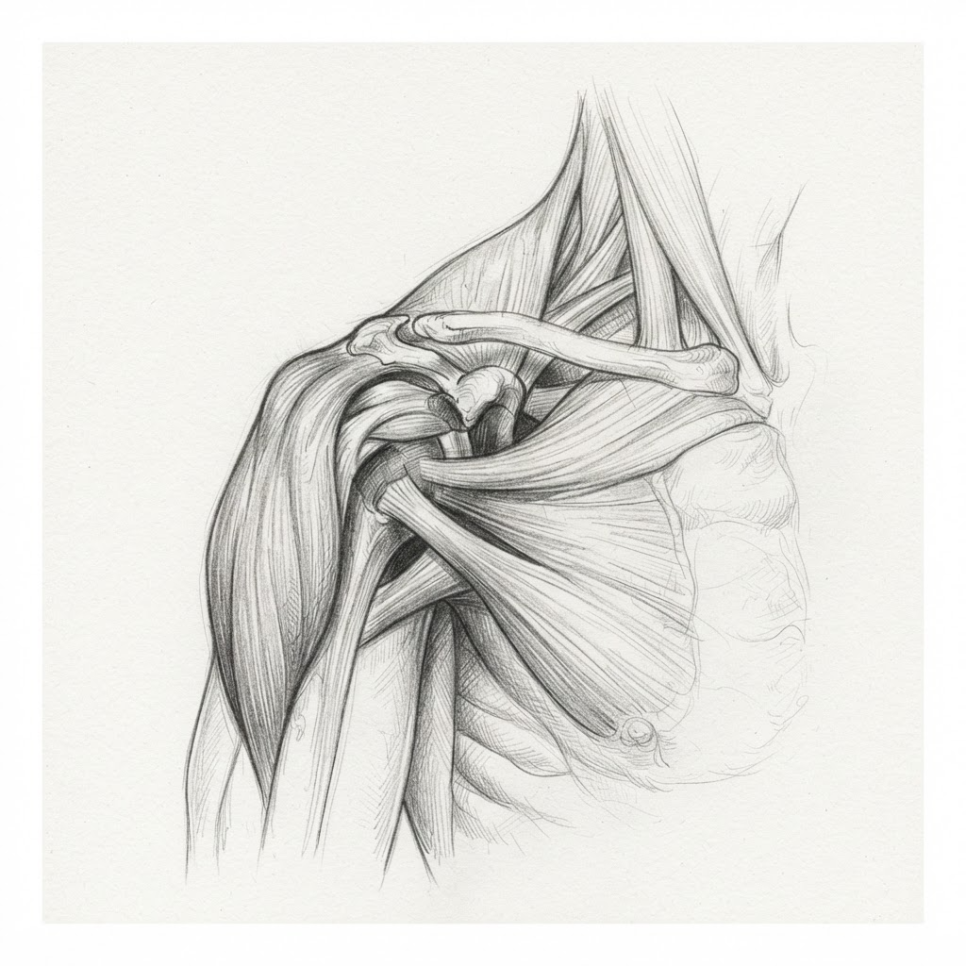
Shoulder tension develops when the trapezius and surrounding neck and shoulder muscles stay tight for extended periods.
Shoulder tension refers to a condition where the trapezius and nearby muscles remain persistently tight, causing pain and stiffness.
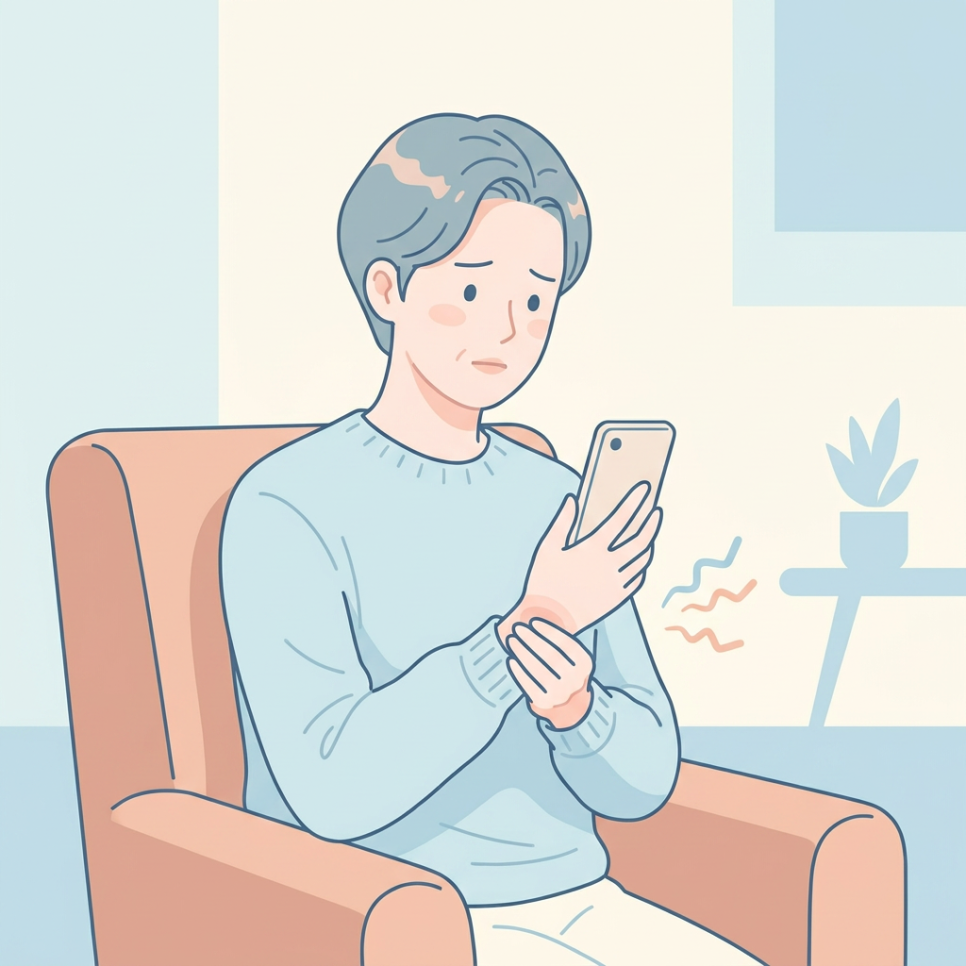
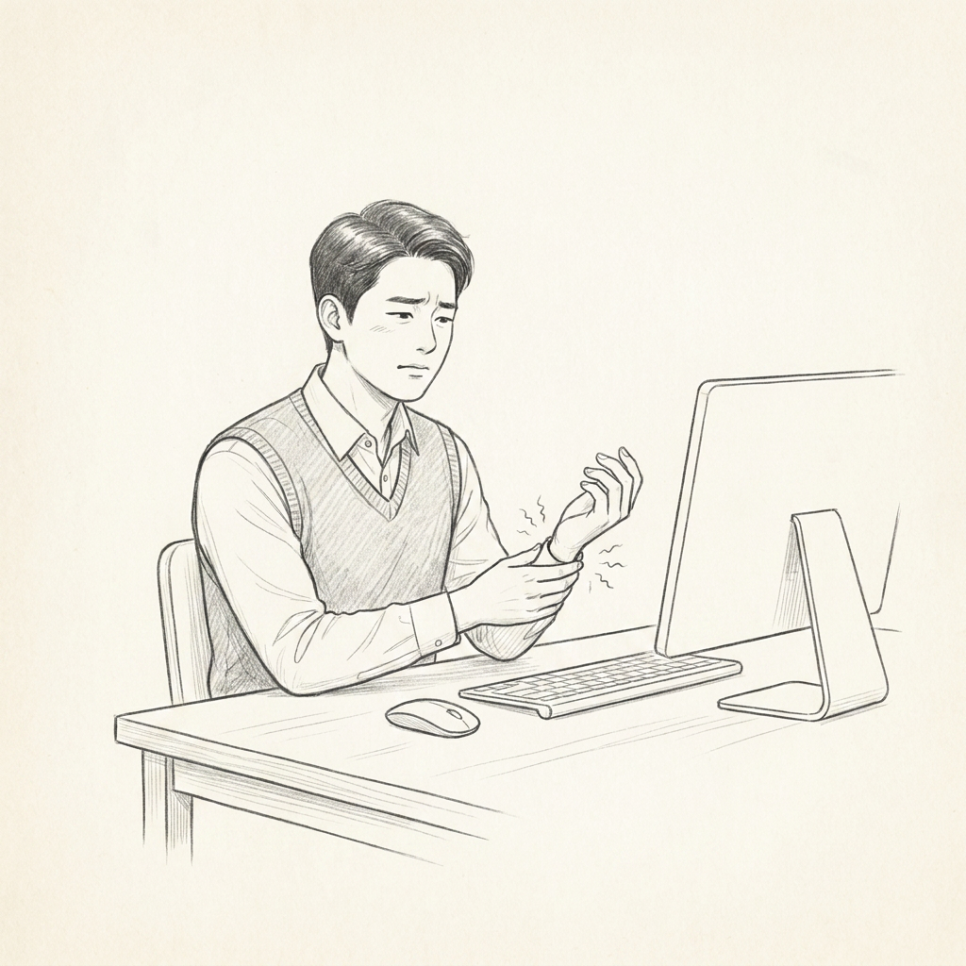
A common cause is forward head posture from long hours spent looking at a computer or smartphone.
According to information shared through Korea’s national policy briefing service, every 1 cm the head shifts forward adds roughly 2–3 kg of extra load on the cervical spine.

This forces the muscles at the back of the neck to bear an excessive share of the head’s weight.
Over time, fatigue-related byproducts build up in the muscle and blood circulation is disrupted as well.
When these muscles become tightly knotted, it can even contribute to headaches or eye strain, so it’s worth paying attention early.
Left unaddressed, the tension can progress into chronic pain, which is why releasing it early matters.

· Maintaining poor posture for long periods
· Muscle tension caused by stress
· Lack of exercise and reduced blood circulation
What Shoulder Tension Stretches Can You Do at Home?
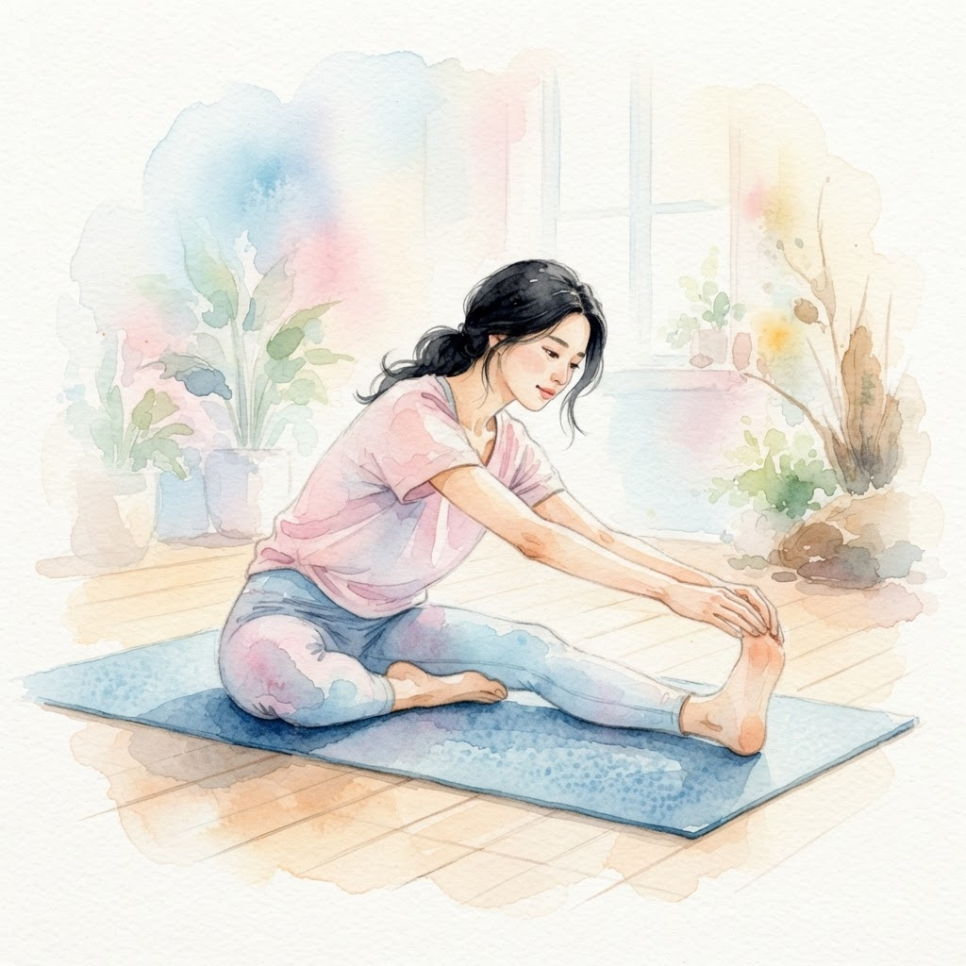
Shoulder tension stretches are movements that slowly lengthen a tight trapezius to support blood circulation and ease tension.
They’re simple enough to do right where you’re sitting.
Move 1: Trapezius Stretch
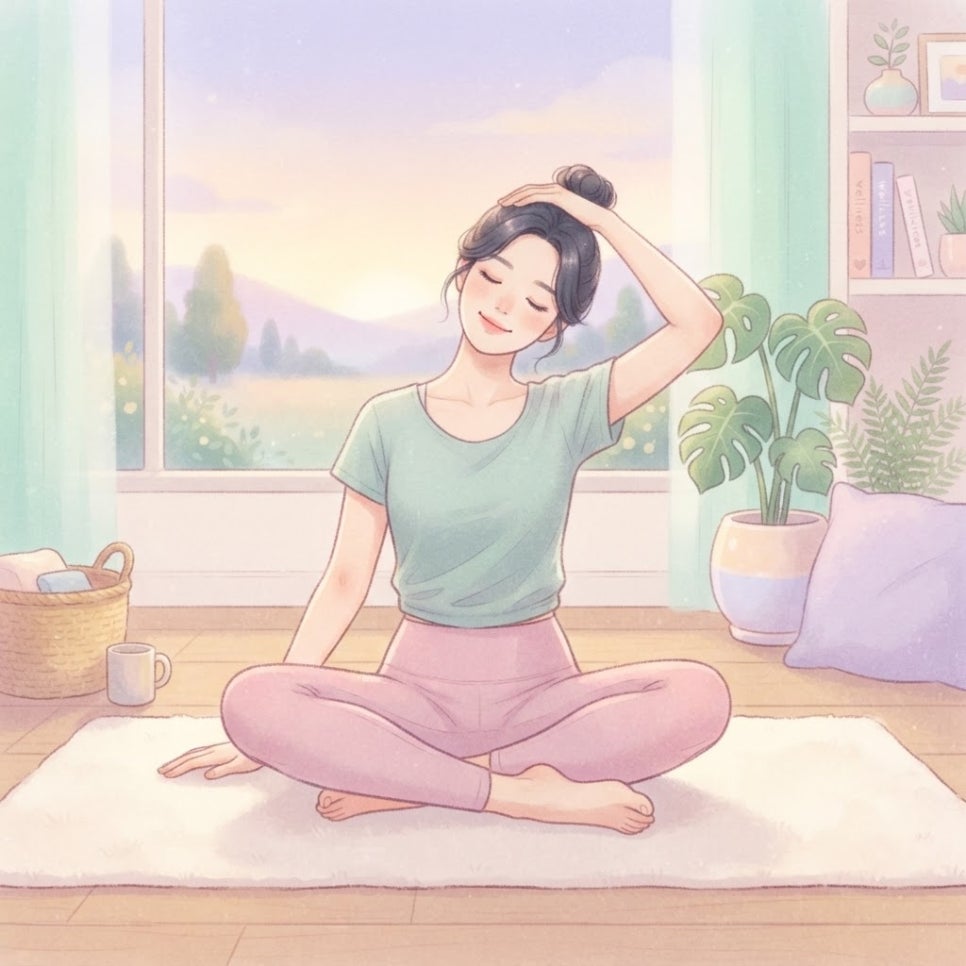
- Sit up straight and place your right hand on the left side of your head.
- Gently tilt your neck to the right, as if pulling it in that direction.
- When you feel a comfortable stretch, hold for 15 seconds while breathing slowly.
- Repeat on the other side.
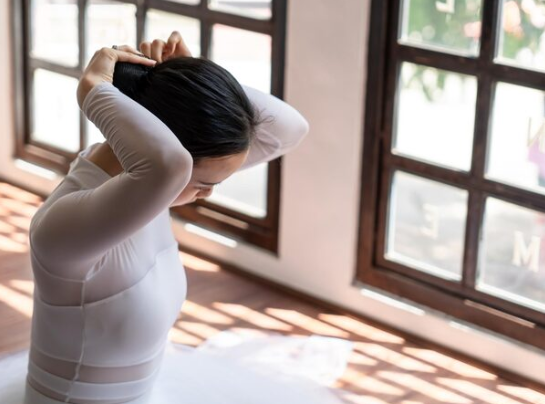
Repeating this may help loosen up tightness along the neck and shoulder line.

Move 2: Shoulder Blade Squeeze
- Raise both arms to a 90-degree angle.
- Open your chest as if drawing your shoulder blades together.
- Keep your shoulders pulled down so they don’t rise up toward your ears.
- Repeat consistently at least 3 times a day.
· Stretch only to the point of a comfortable pulling sensation, not pain
· Keep breathing slowly instead of holding your breath during each move
✅ Neck stretch, left and right (15 seconds x 3 sets)
✅ Shoulder blade squeeze to open the chest (10 seconds x 5 sets)
✅ Big shoulder rolls backward (10 reps)
· May help reduce tension in tight muscles
· May help improve blood circulation around the neck and shoulders
What Daily Habits Help Prevent Shoulder Pain?
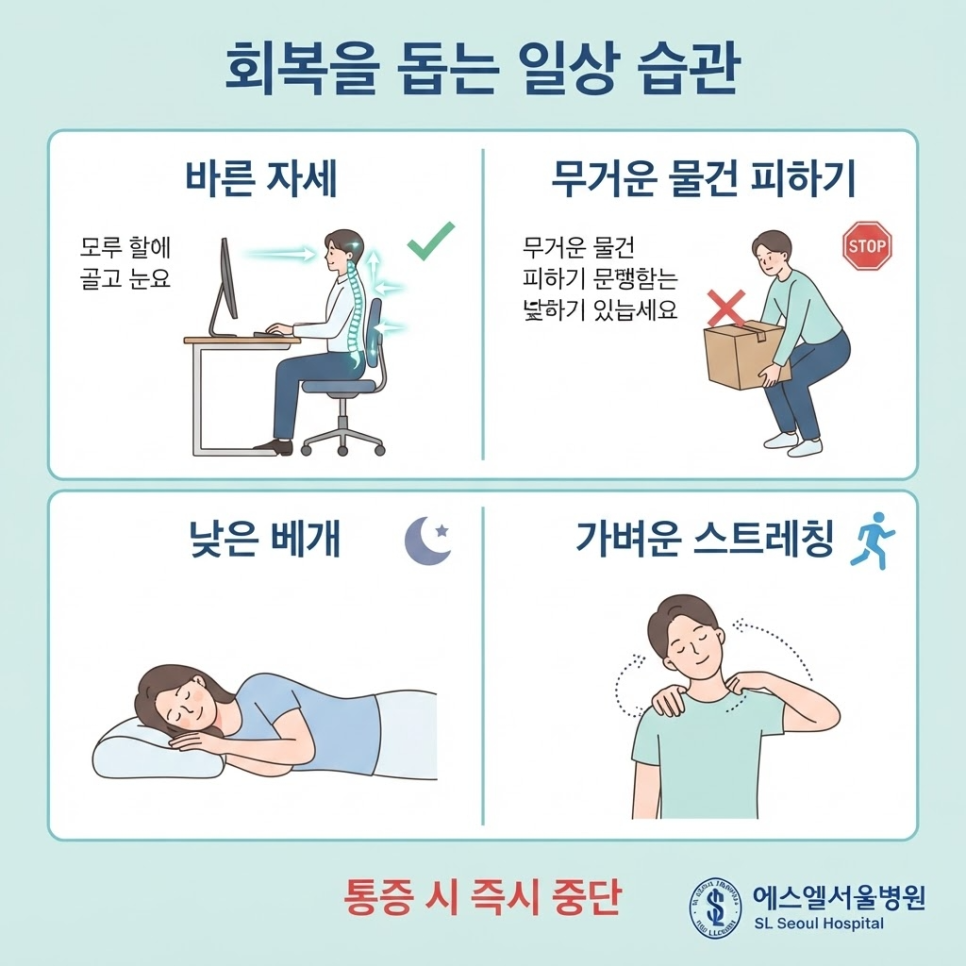
Preventing pain relies just as much on maintaining good posture throughout the day as it does on stretching.
If you don’t change your everyday habits, tension tends to come right back no matter how much you stretch.
It helps to adjust your monitor so the screen sits at eye level.
When looking at your phone, try raising it to eye level instead of tilting your head down.

If your work requires staying in one position for long stretches, the general rule is to take a short break every 50 minutes.
Even something as simple as stretching your arms overhead or marching lightly in place can make a real difference.
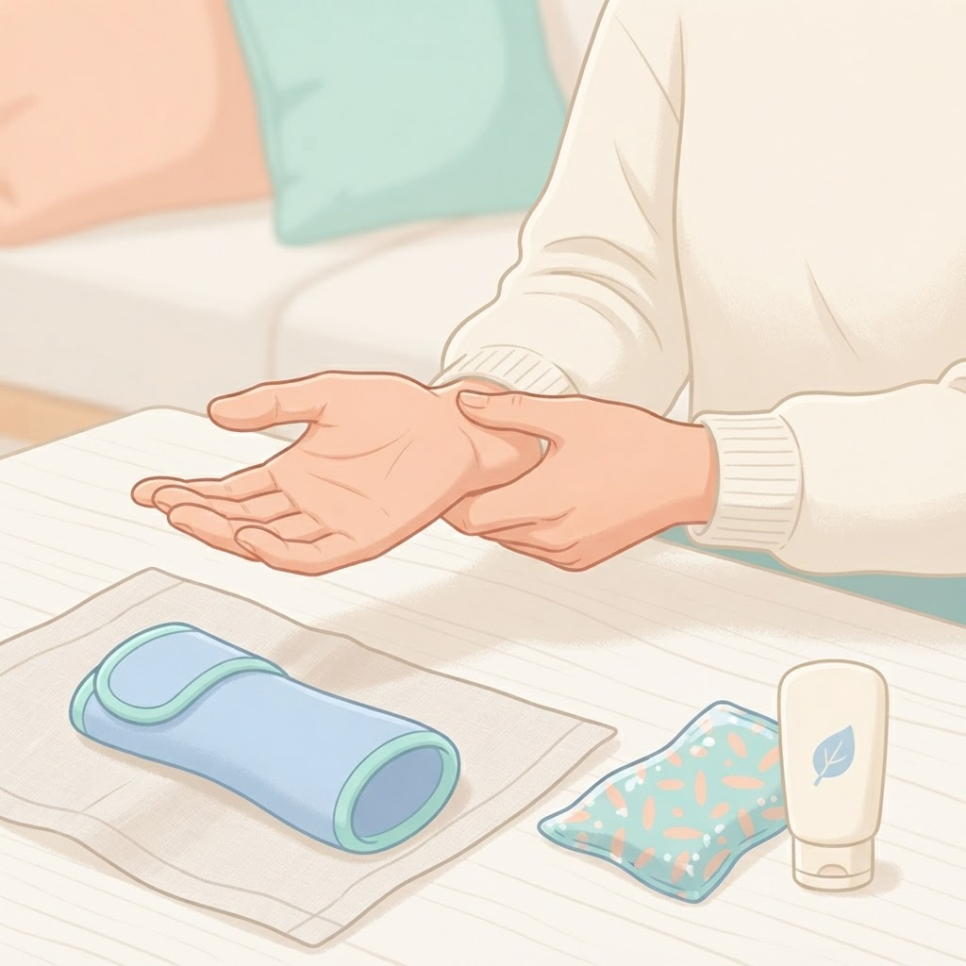
When Should You Use Heat vs. Cold Therapy?
When managing an area that’s already tight, it’s important to use the right type of therapy.
| Category | Cold Therapy | Heat Therapy |
|---|---|---|
| When to Use | First 24–48 hours after acute pain begins | Chronic tightness or tension |
| Main Effect | Reduces swelling and inflammation | Promotes circulation, relaxes muscles |
| Recommended Duration | 15–20 minutes | 15–20 minutes |
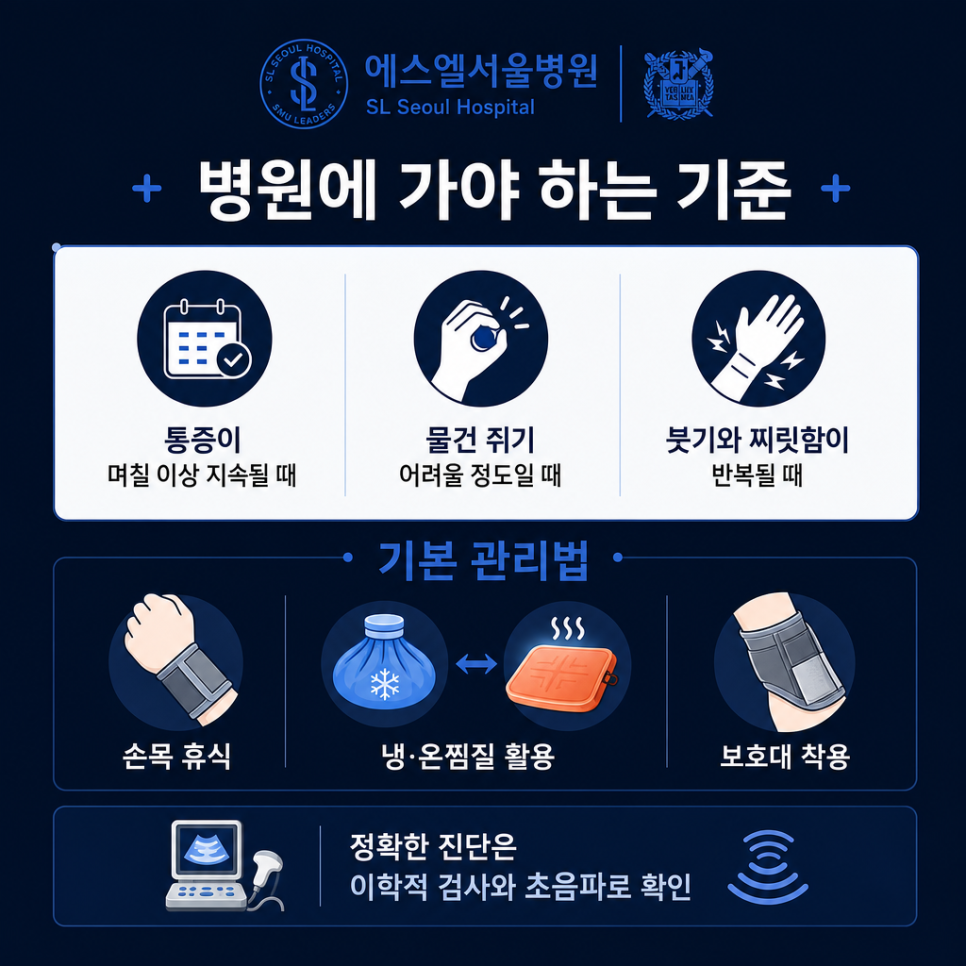
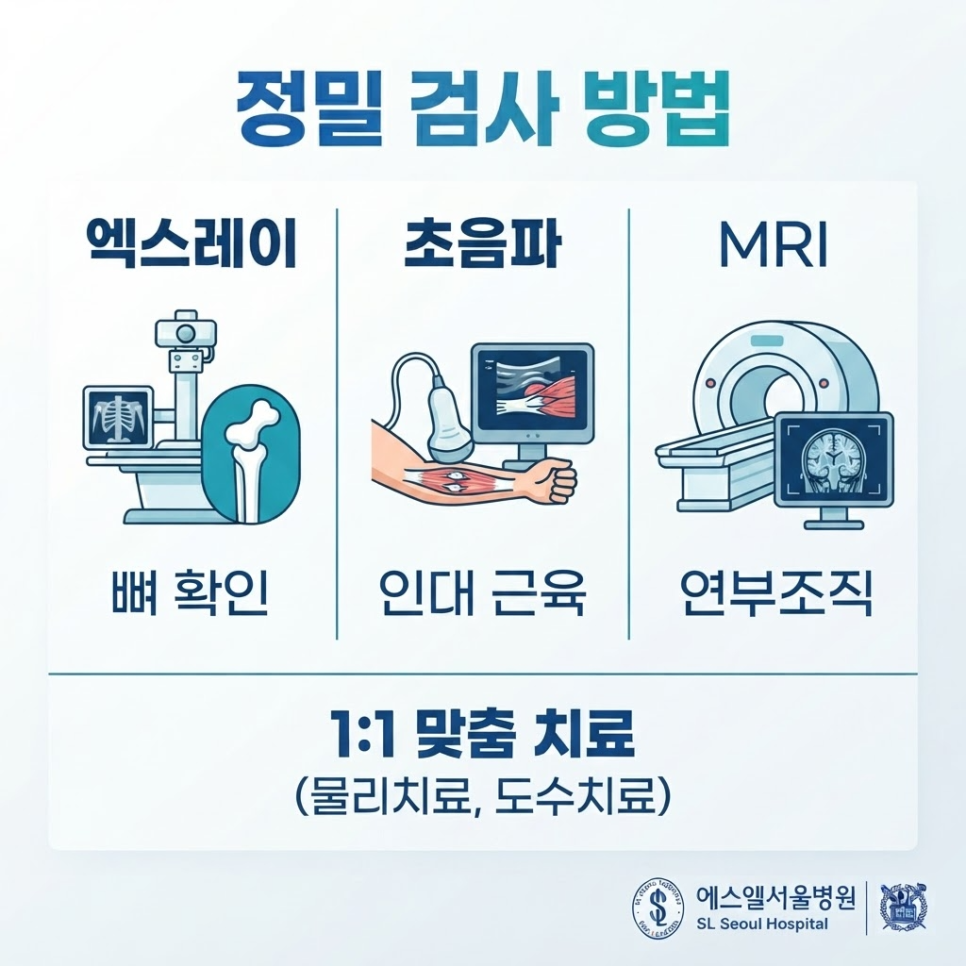
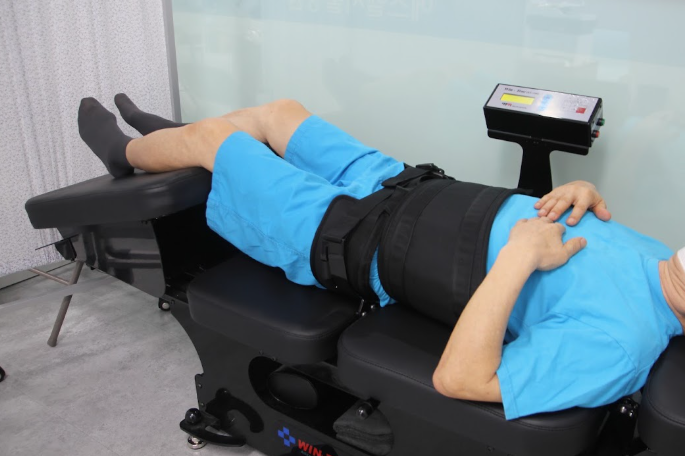
If pain keeps recurring even after combining stretches with better posture habits, it may be worth consulting a specialized medical center.
Visit SL Seoul Hospital for Spine & Joints to learn more.
· May help reduce physical strain on the neck and shoulders
· May help support recovery from fatigue through improved circulation
· May help prevent chronic headaches and postural changes
Frequently Asked Questions
1. What should I do if stretching causes sharp pain?
If you feel pain, stop the movement right away and reduce the intensity. Pushing through pain can actually damage the muscle.
2. Is heat or cold therapy better for a tight shoulder?
For tension that has lasted a while, heat therapy can help by supporting circulation. However, if there’s a sudden injury or acute inflammation, cold therapy should be applied first.
3. How many times a day should I do shoulder tension stretches?
Rather than sticking to a fixed schedule, it’s more effective to stretch frequently throughout the day. Try to move your shoulders and neck at least once an hour.
4. If pain continues even with regular stretching, should I see a doctor?
If pain keeps recurring or is accompanied by symptoms like arm numbness even after weeks of stretching and posture correction, it’s recommended to see a specialist such as an orthopedist.

References
· Korea Disease Control and Prevention Agency, “Text Neck (Forward Head) Syndrome,” National Health Information Portal. View source
· Korea.kr Policy Briefing, “Stretches That Help Correct Forward Head Posture,” Ministry of Culture, Sports and Tourism. View source
· St. Carollo Hospital, “Cold vs. Heat Therapy: When Should You Use Each?,” Health Information. View source
This article is intended for general health information purposes only and is not a substitute for individual diagnosis or treatment. If you’re experiencing symptoms, please consult a licensed physician.