We often see patients hesitate at the front desk three days after tweaking their back.
That’s because the word “surgery” is usually the first thing that comes to mind with a herniated disc diagnosis.
In actual clinical practice, though, surgery isn’t the first option.
In the early stages, doctors typically consider herniated disc conservative treatment — medication, physical therapy, and manual therapy — first, then decide on next steps based on how symptoms progress.
This article explains what herniated disc conservative treatment involves, along with the symptoms and causes to watch for.
We’ll also walk through the order of diagnostic tests, at-home care tips, and postures to avoid.

Most people have woken up at some point with a stiff, heavy feeling in their lower back.
Many assume it’s just muscle soreness and ignore it — until the tingling spreads down the leg and catches them off guard.
Identifying the exact cause of the pain is essential.
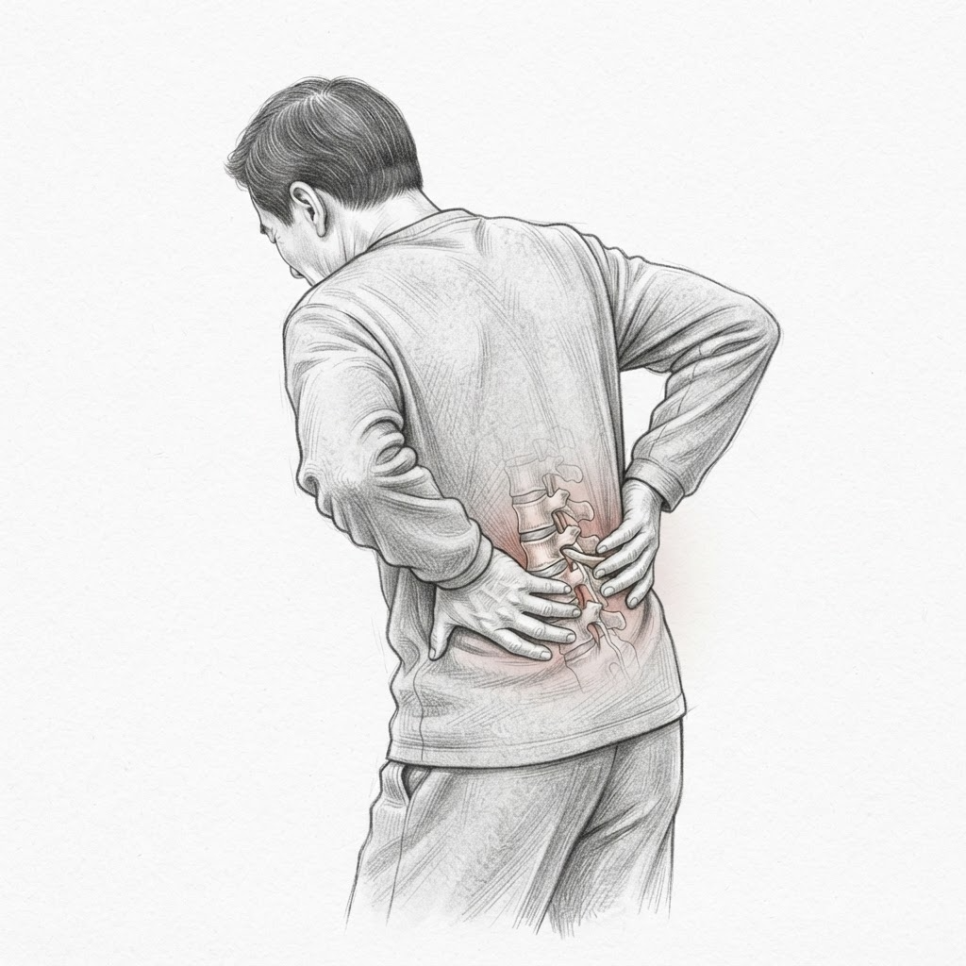
Does a Herniated Disc Diagnosis Always Mean Surgery?
The short answer is no. A herniated disc occurs when the disc between the vertebrae shifts out of place and presses on a nerve, causing pain and inflammation.
The disc acts as a cushion, absorbing shock to the spine.
When it slips out of position, it irritates the surrounding nerves.
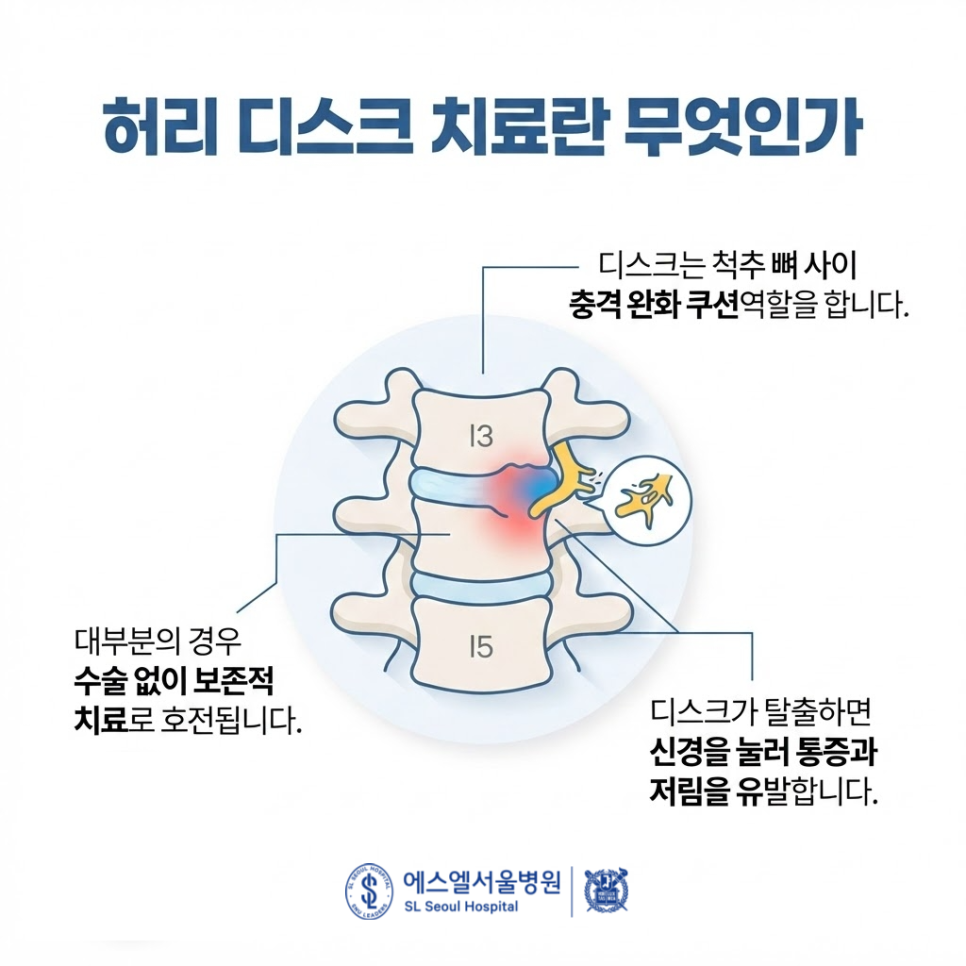
In the early stages, herniated disc conservative treatment is typically considered before surgical options.
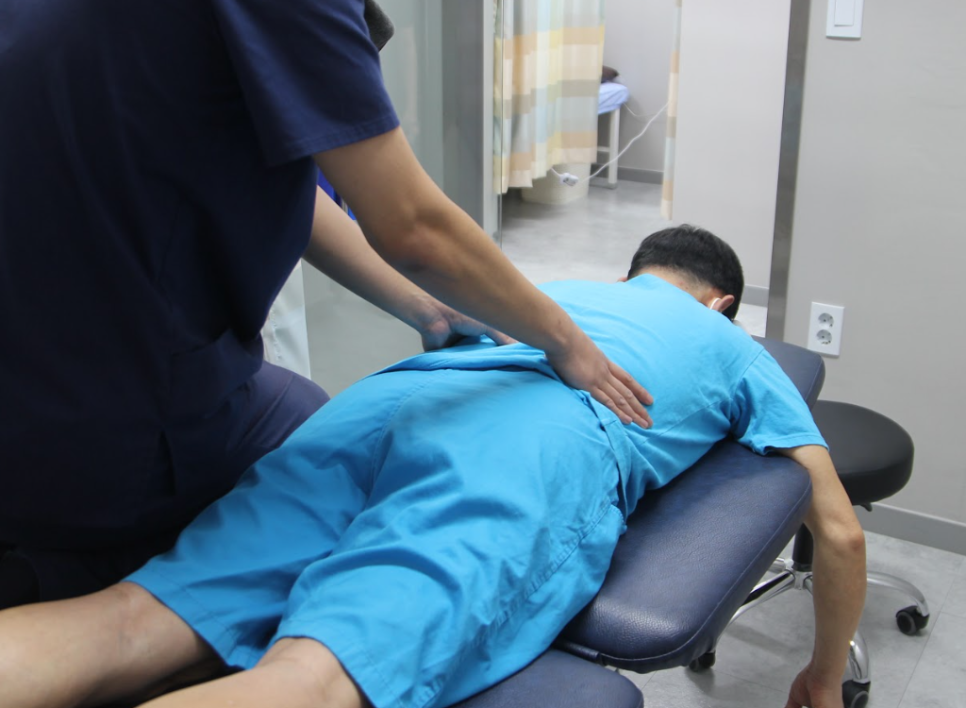
This approach aims to reduce pain through medication, physical therapy, and manual therapy.
Outcomes are generally reported to be more favorable when early diagnosis is paired with consistent management.
Disc conditions tend to respond better when early diagnosis is combined with appropriate herniated disc conservative treatment.
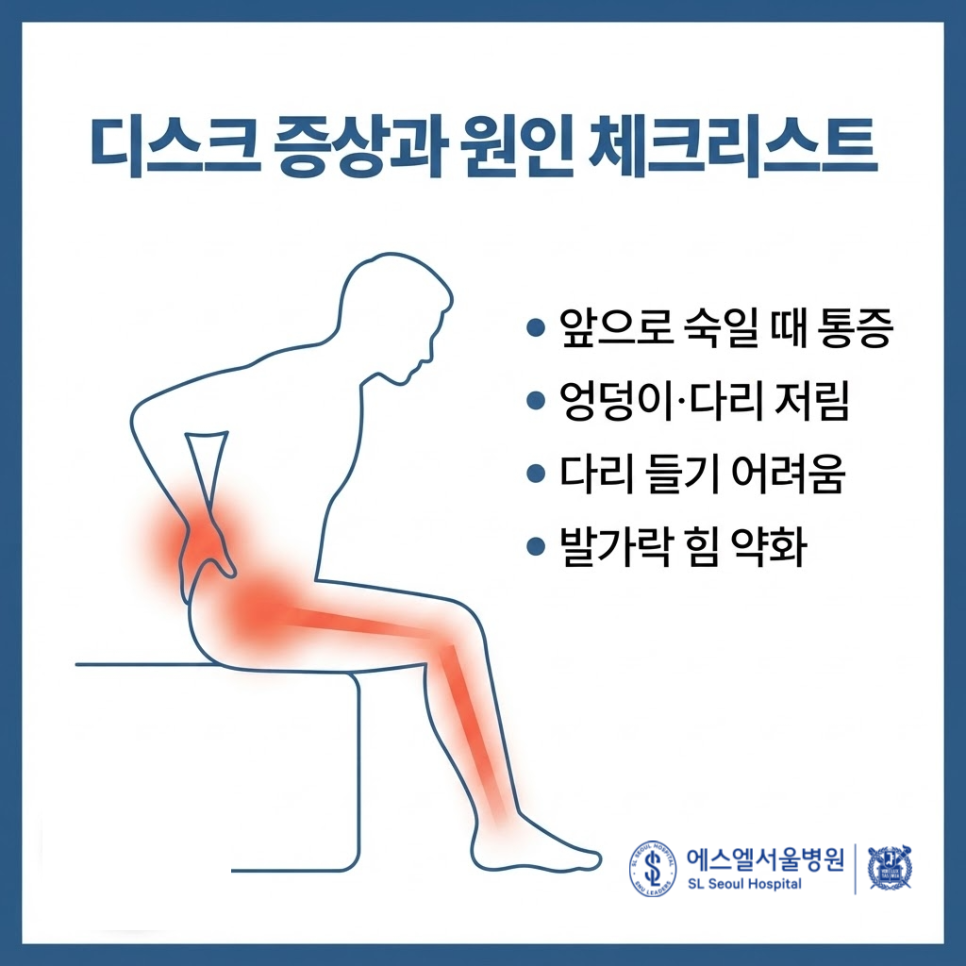
Herniated Disc Symptoms and Causes: What Signs Should You Watch For?
Leg numbness, hip pain, and persistent lower back stiffness are common signs.
Prolonged poor posture and degenerative spinal changes both add stress to the disc over time.
Sitting for long periods at work or frequently lifting heavy objects can also contribute.
Sudden impact and muscle weakness from lack of exercise play a role as well.
As symptoms worsen, you may even feel a jolt of pain in your lower back when coughing.
If these symptoms recur, seeing a doctor for a proper diagnosis should come before self-diagnosis.
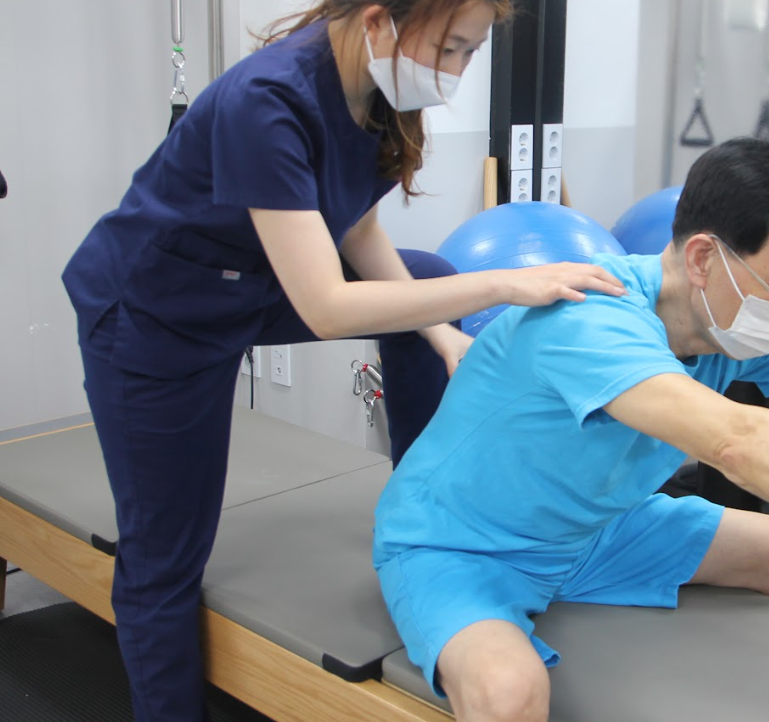
✅ Pain worsens when you bend forward
✅ Aching or tingling spreads through the hip or leg
✅ Difficulty lifting one leg while lying down
✅ Weakness in the toes or ankle
What Is the Order of Tests for Diagnosing a Herniated Disc?
Testing typically narrows down step by step, in the order of X-ray, MRI, and electromyography (EMG).
An X-ray is taken first to check the spacing and alignment of the vertebrae.
However, additional testing may be needed to assess the nerves and soft tissue.
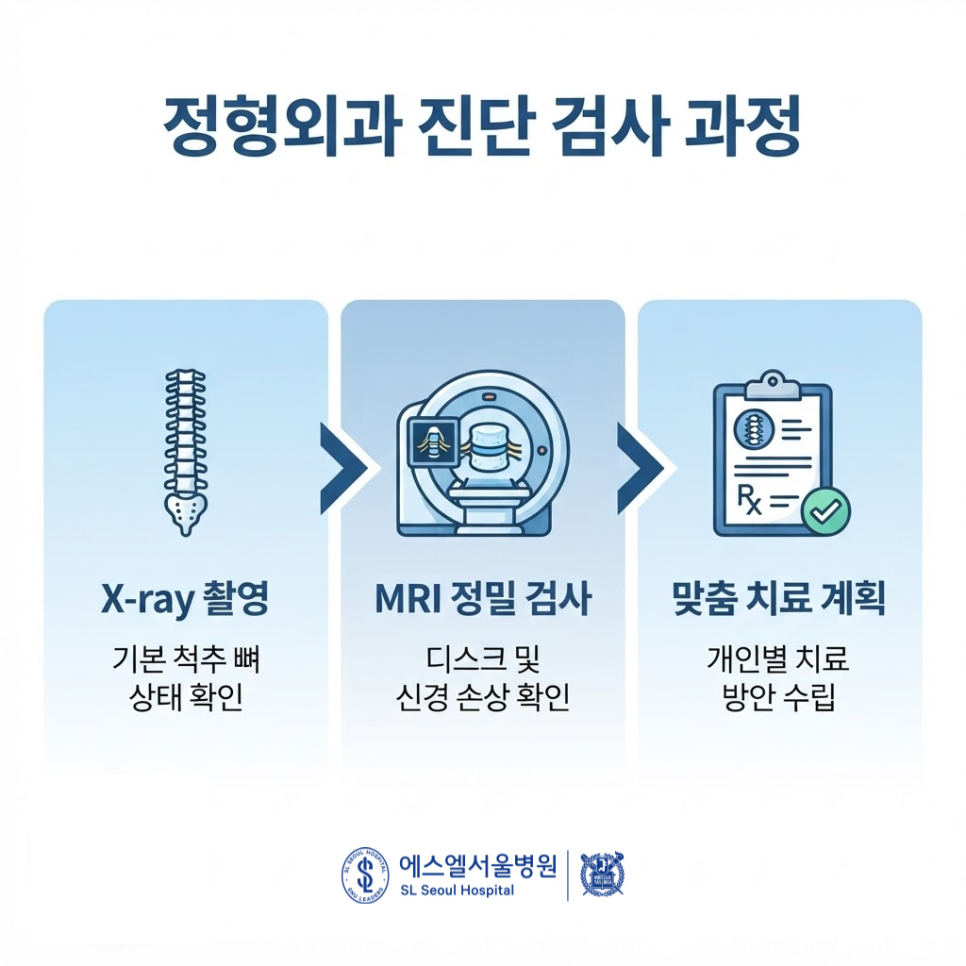
An MRI shows relatively clearly how far the disc has protruded and how much it’s compressing the nerve.
EMG testing checks for nerve damage using electrical signals.
These step-by-step diagnostic tests help doctors design a treatment plan suited to your body type and symptom severity.
Basing a herniated disc conservative treatment plan on a systematic diagnosis — tailored to body type and symptom severity — is key.
Herniated Disc Treatment at Home: Conservative Care and Exercises
The goal is to ease pain while strengthening the core muscles to reduce stress on the spine.
When pain first starts, avoid overexertion — rest and apply heat instead.
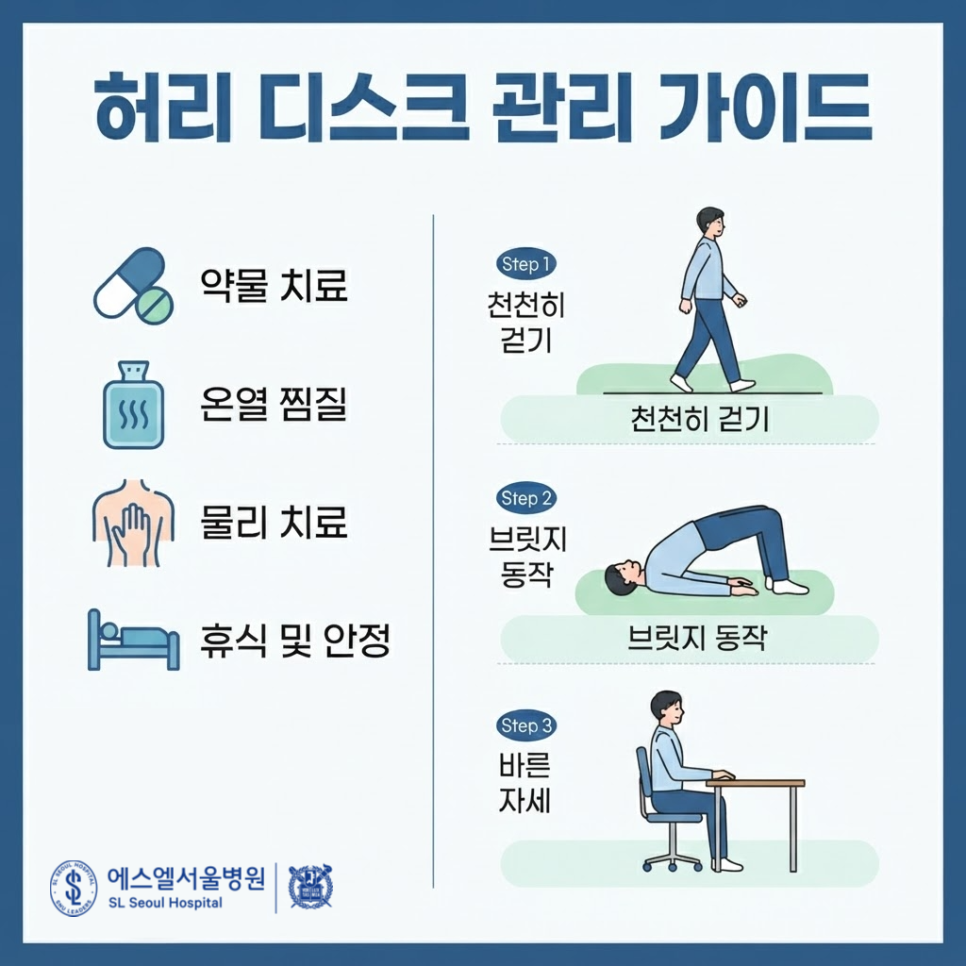
Avoid high-intensity movements that bend or twist the back excessively, and don’t jump straight into sit-ups.
Overexerting yourself during a painful flare-up can slow recovery instead of helping it.
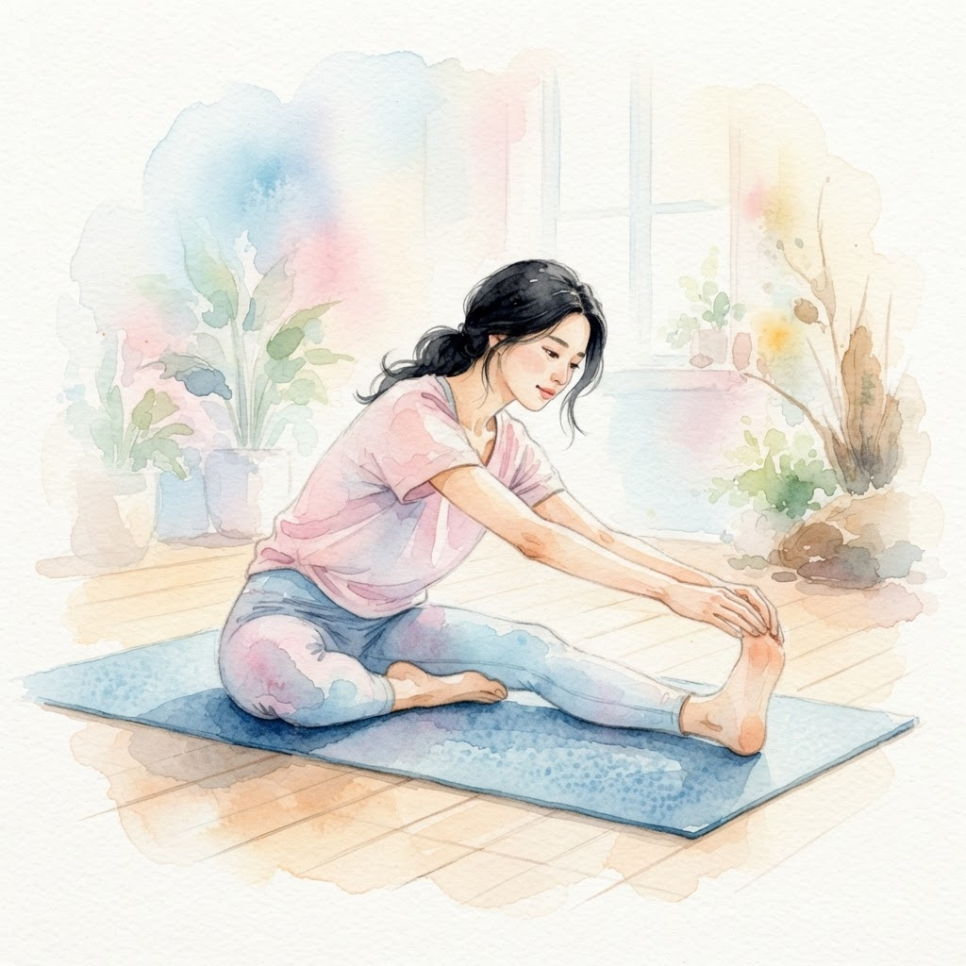
Once the pain has eased somewhat, light stretching can begin.
Walking can help strengthen the muscles around the spine.
Core exercises such as McKenzie exercises or planks can also be added.
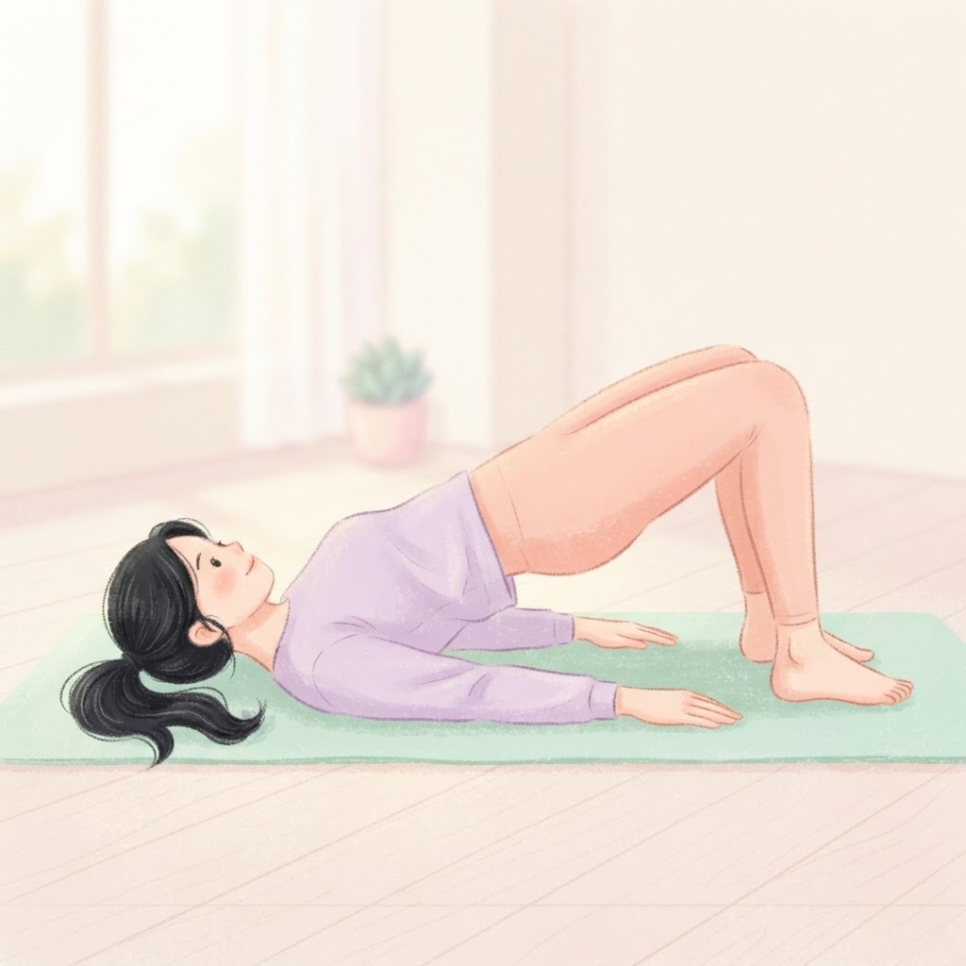
1. Walk slowly on flat ground for 30 minutes a day
2. Gentle pelvic bridge exercises
3. Maintain proper posture to keep your back straight
If you’re not sure what to do on your own, the SL Seoul Hospital for Spine & Joints homepage is a good place to find more information on care options.
Following exercise routines without an accurate diagnosis first isn’t recommended.
Frequently Asked Questions
1. If I’m diagnosed with a herniated disc, do I automatically need surgery?
Not necessarily. Conservative treatments such as medication, physical therapy, and manual therapy are generally tried first and may help improve symptoms.
2. When I’m in pain, is heat or ice better?
Ice is better suited for sudden inflammation or acute pain, while heat can help chronic stiffness or muscle tightness by improving blood circulation.
3. What exercises or postures should disc patients avoid?
Bending forward excessively, sudden twisting movements, and sit-ups can put strain on the spinal disc, so caution is advised.
4. When should I get a detailed diagnostic workup?
If lower back pain is accompanied by leg numbness, altered sensation, or muscle weakness lasting more than two weeks, it’s advisable to see a doctor for a thorough evaluation.
References
· Korea Disease Control and Prevention Agency, “Herniated Disc (Intervertebral Disc Herniation),” National Health Information Portal. View source
· Asan Medical Center, “Lumbar Disc Herniation (Herniated Disc),” Disease Encyclopedia. View source

This article is intended for general health information purposes only and is not a substitute for individual diagnosis or treatment. If you’re experiencing symptoms, please consult a physician.
Leave a Reply