Tag: Neck and Shoulder Pain

  • Orthopedic Clinic for Manual Therapy: 3 Criteria for Choosing the Right One

    Orthopedic Clinic for Manual Therapy: 3 Criteria for Choosing the Right One

    SummaryBefore choosing an orthopedic clinic for manual therapy, here’s a rundown of why musculoskeletal pain develops, how it’s diagnosed, how manual therapy differs from regular massage, typical costs, and proper posture habits.

    If neck and shoulder pain doesn’t ease up no matter how much you rest,
    it may not be simple muscle soreness.

    Before looking for an orthopedic clinic for manual therapy,
    it helps to understand the real reason the pain keeps coming back.

    Key Takeaways
    The main driver of chronic pain is often structural imbalance in the spine and joints along with reduced mobility.
    After an accurate diagnostic workup, combining individualized manual therapy with posture correction may help with pain relief and improved body alignment.
    This article covers, in order, what causes the pain, how to choose an orthopedic clinic for manual therapy, and proper posture habits.
    orthopedic clinic for manual therapy

    Why Does Musculoskeletal Pain Happen, and How Is It Diagnosed?

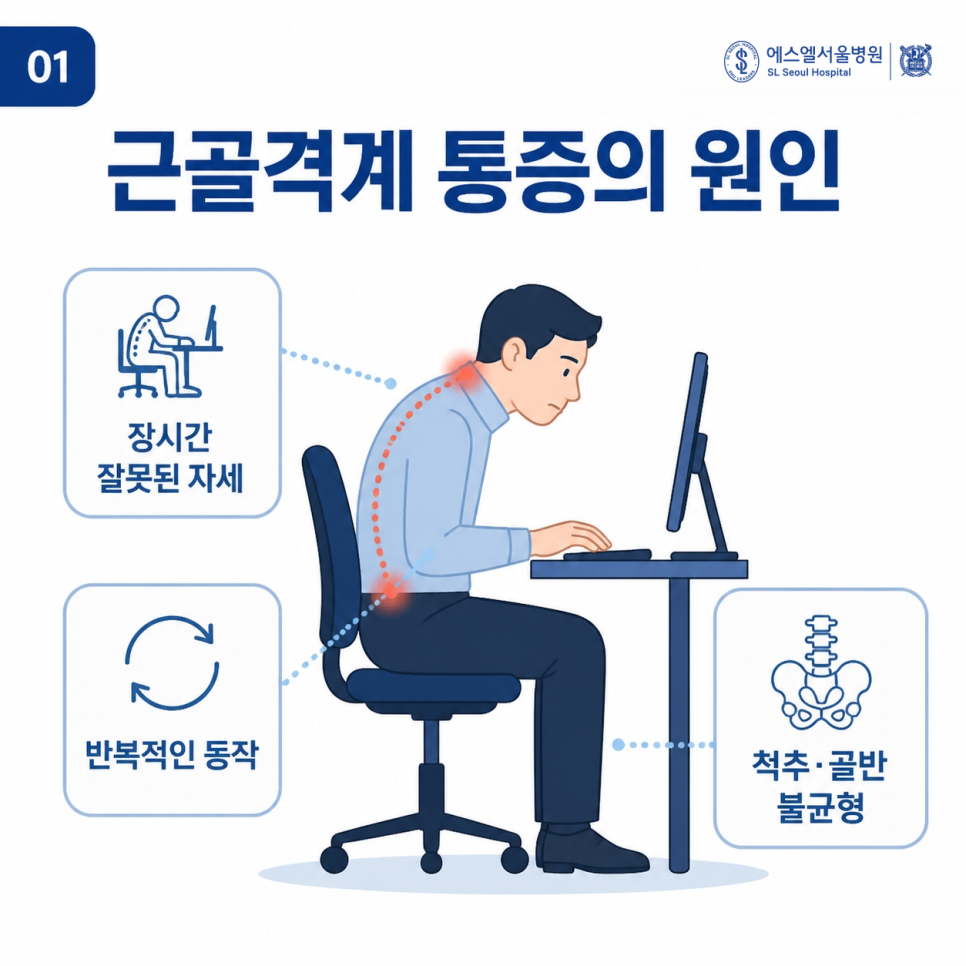
    Musculoskeletal pain refers to pain and functional impairment that develops when the spine, joints, muscles, and tendons are subjected to repeated strain over time.
    It commonly shows up after sitting in the same position for long stretches or repeating the same movements.

    It often starts as mild stiffness that’s easy to brush off.
    But
    left unaddressed, it can gradually worsen into structural imbalance in the spine and joints.
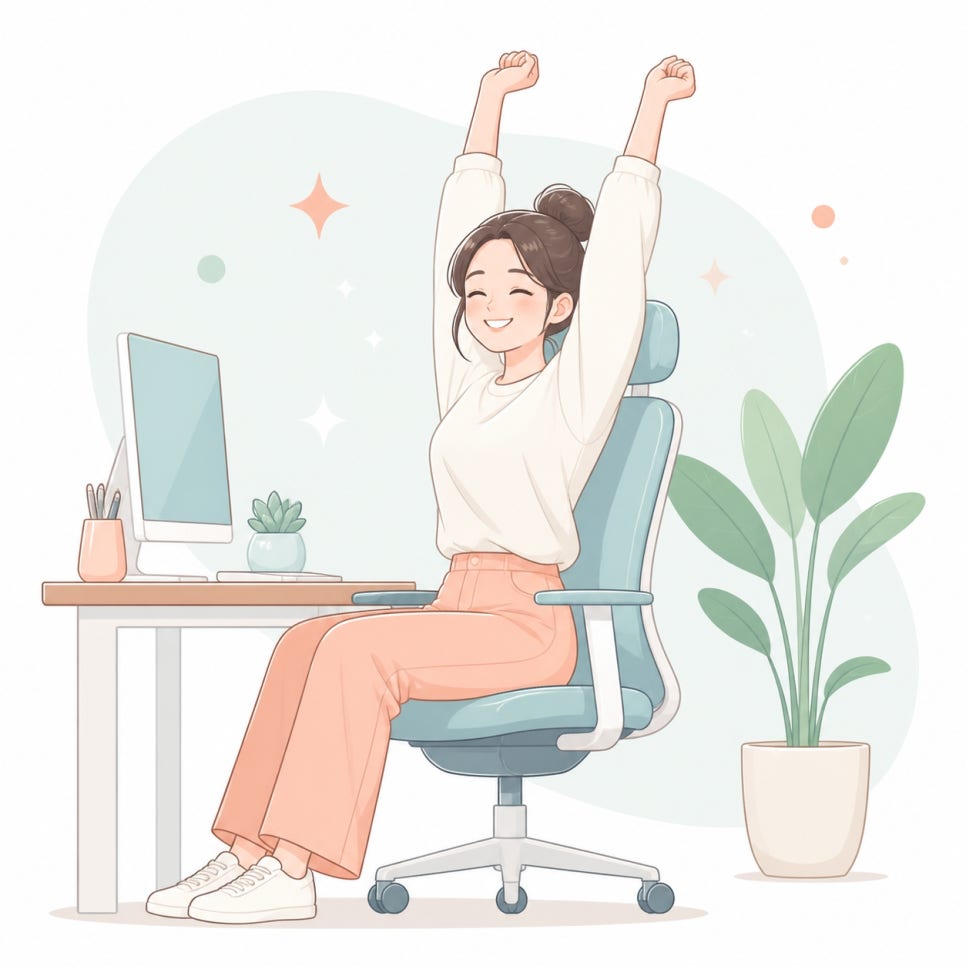
    orthopedic clinic for manual therapy illustration 2

    Office work in particular tends to tighten the neck and shoulder muscles.
    One survey found that 64% of office workers reported neck and shoulder pain consistent with forward head posture, commonly known as “text neck.”

    Dismissing early warning signs as mere fatigue tends to shorten the interval between pain flare-ups.
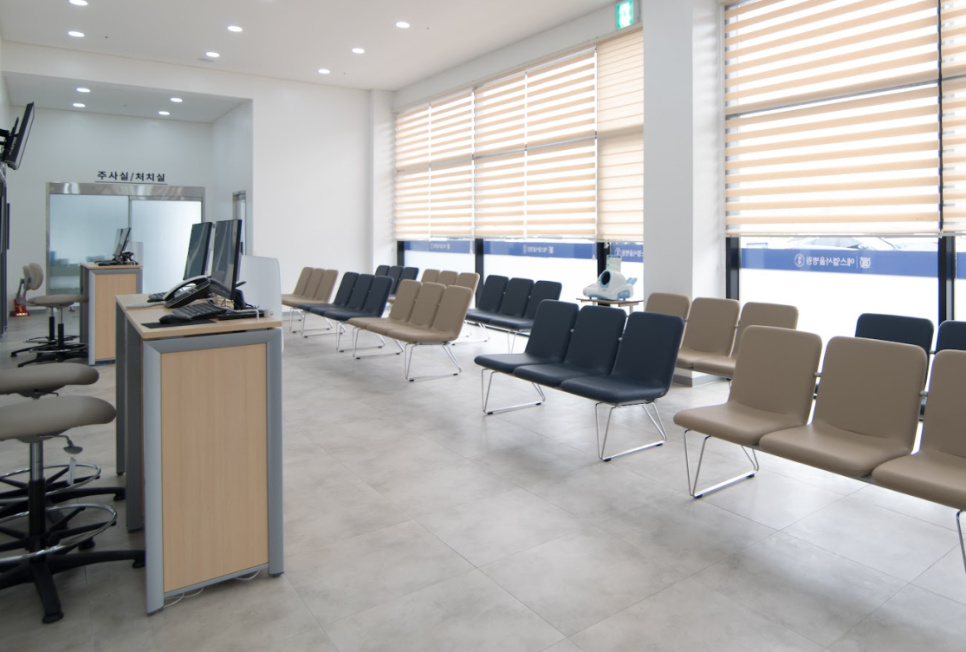
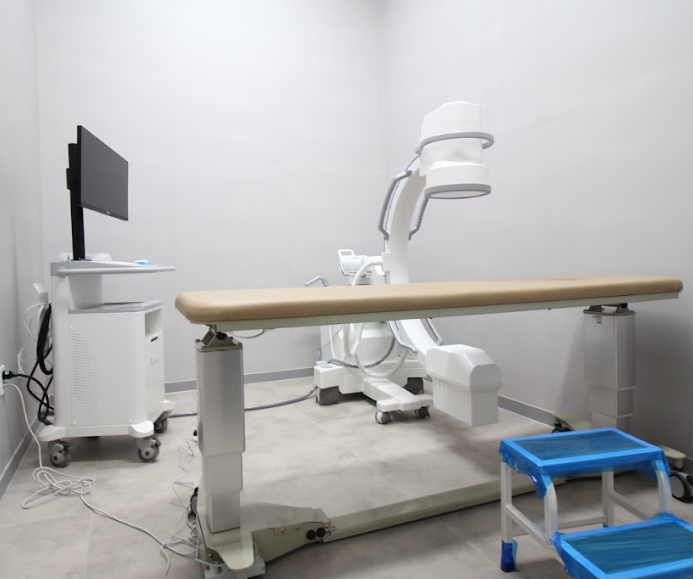
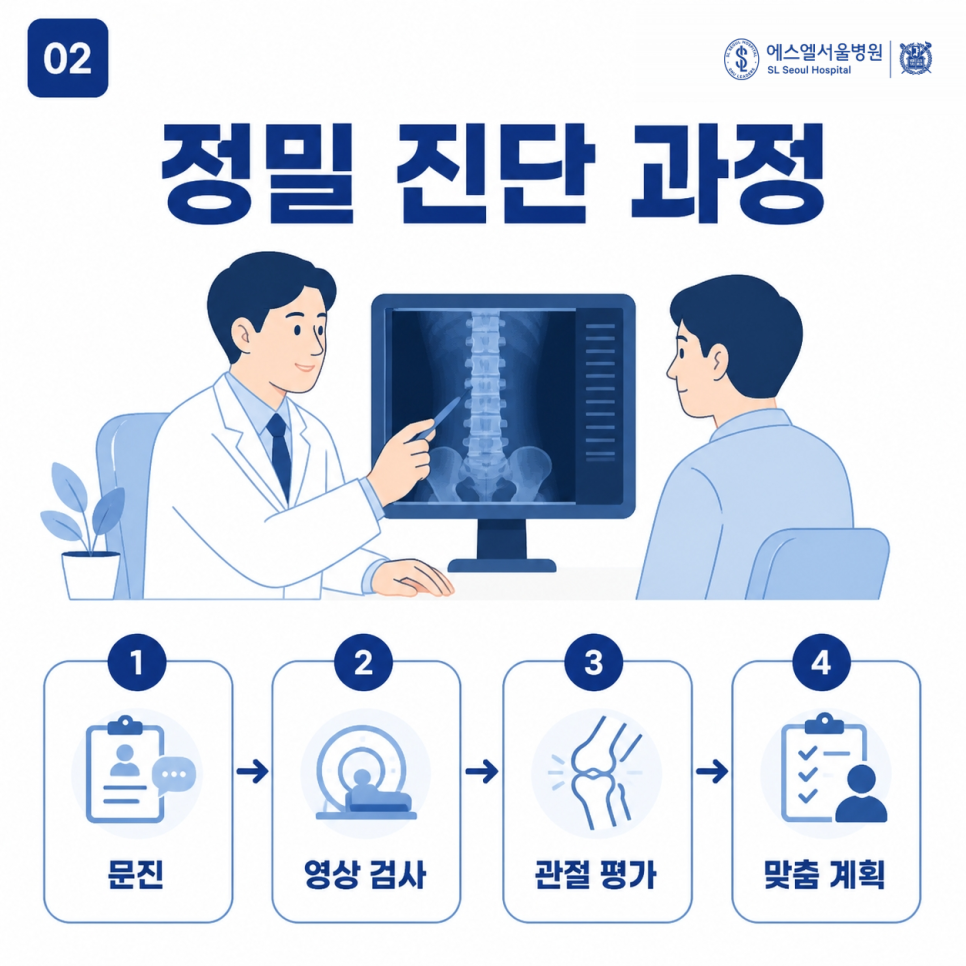
    So if pain keeps recurring, the joints and muscles should first be evaluated with diagnostic imaging such as X-ray or C-arm fluoroscopy.
    orthopedic clinic for manual therapy illustration 3

    orthopedic clinic for manual therapy illustration 4

    A musculoskeletal disorder is a health impairment caused by factors such as repetitive motion, awkward working posture, excessive force, contact with sharp edges, vibration, and temperature, manifesting as a condition affecting the nerves, muscles, and surrounding tissue of the neck, shoulders, lower back, and limbs.

    This is how South Korea’s Ministry of Employment and Labor defines musculoskeletal disorders under its Occupational Safety and Health Standards.
    It’s also why an accurate medical diagnosis needs to come first, before building a management plan tailored to you.
    orthopedic clinic for manual therapy illustration 5

    orthopedic clinic for manual therapy illustration 6

    Key Points
    • Don’t brush off early signs of chronic pain.
    • Poor posture can worsen imbalance in the spine and pelvis.
    • A thorough diagnostic evaluation of the anatomical structures should come first, for safety.

    How Do You Choose an Orthopedic Clinic for Manual Therapy?

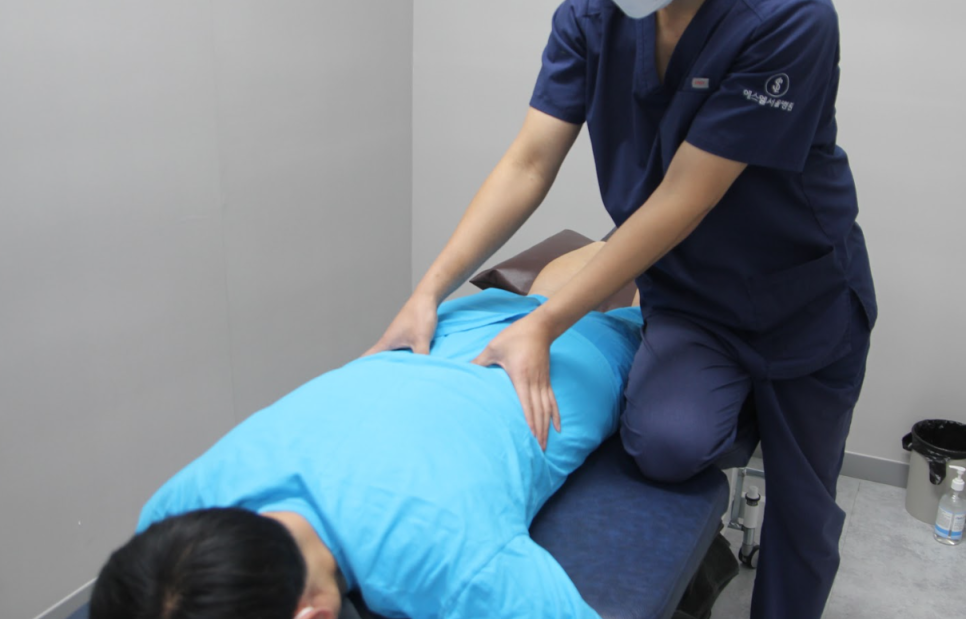
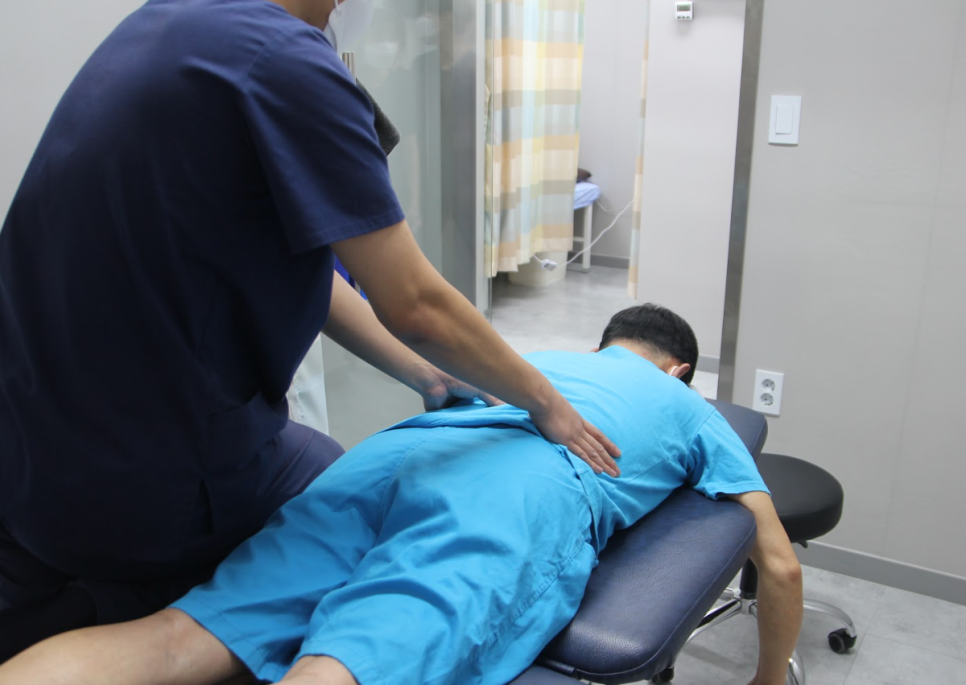
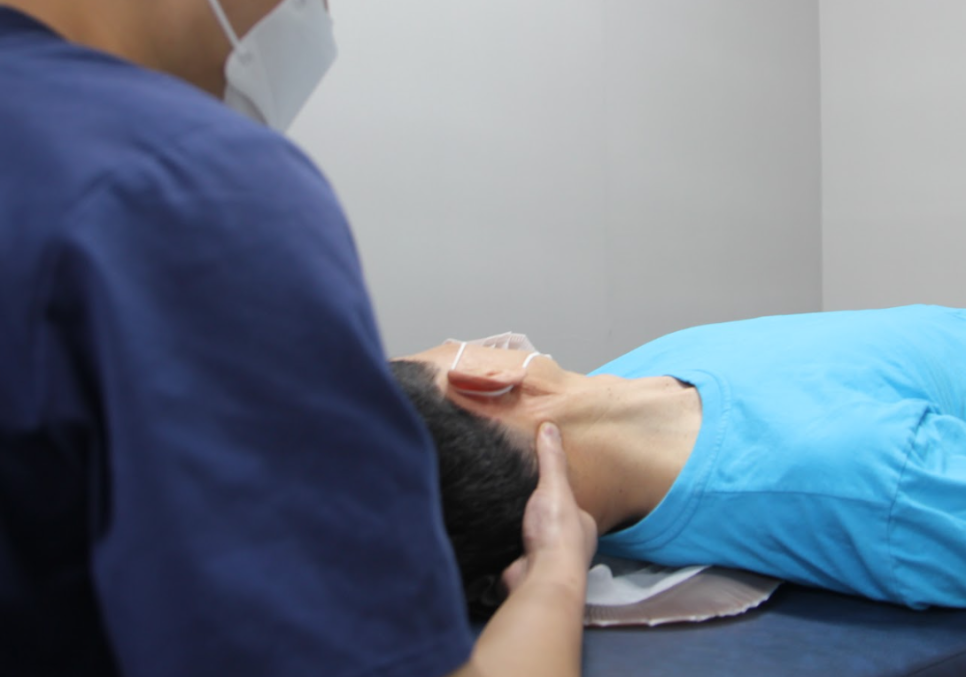
    Manual therapy is a non-surgical, conservative treatment in which a therapist with specialized anatomical training uses their hands to help realign a misaligned spine or joint, aiming to ease pain.
    It places less physical burden on the body than medication or surgery.

    The key is combining an accurate diagnosis and prescription from an orthopedic specialist with hands-on treatment from an experienced therapist.
    Excessive manipulation that doesn’t account for an individual’s physical characteristics can actually make pain worse,
    so it’s advisable to consult a clinic with substantial clinical experience and a systematic care process.

    orthopedic clinic for manual therapy illustration 7

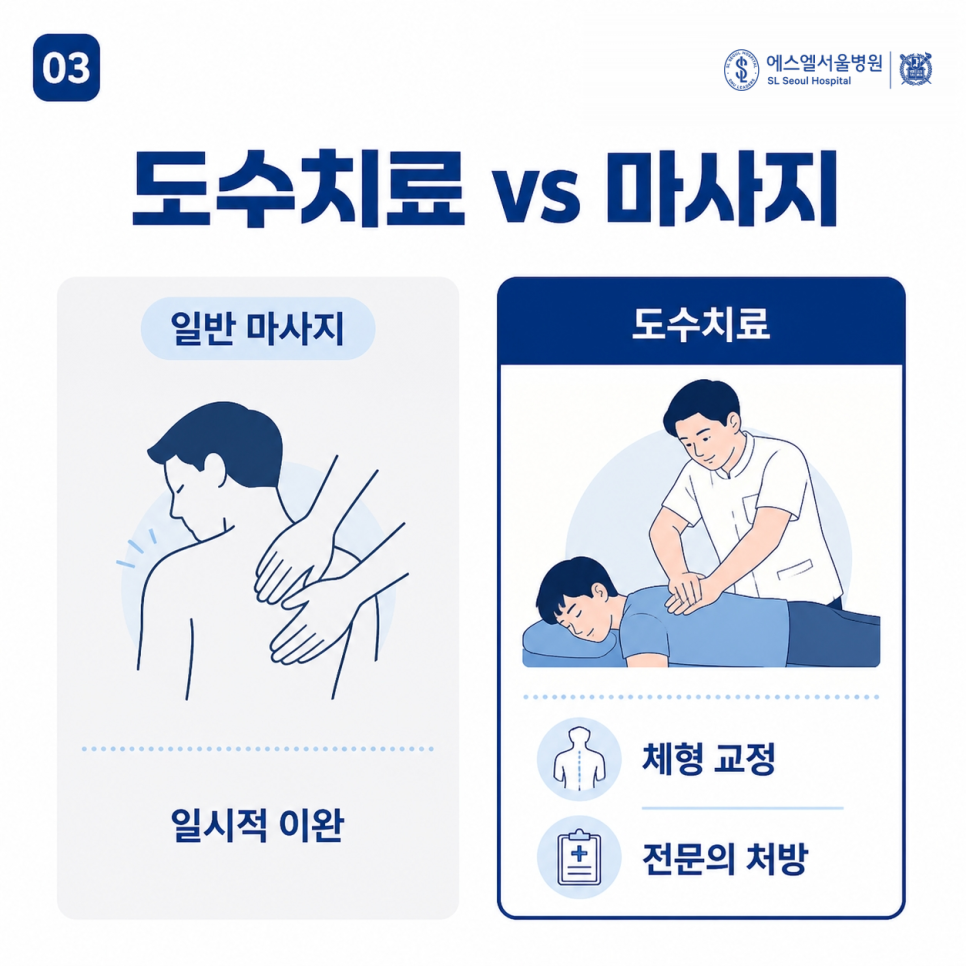
    Comparison Regular Massage Manual Therapy
    Purpose Temporary muscle relaxation, fatigue relief Improving joint function, correcting body imbalance
    Diagnostic process No medical diagnostic process Managed based on a specialist’s diagnosis and prescription
    Cost structure Service fee Non-reimbursed medical procedure

    orthopedic clinic for manual therapy illustration 8

    orthopedic clinic for manual therapy illustration 9

    According to South Korea’s Ministry of Health and Welfare, manual therapy prices used to vary by hospital, averaging around 110,000 KRW per session.
    However,
    starting in July 2024, a managed-benefit scheme took effect, standardizing the price at 43,850 KRW per session (at a 95% patient co-payment rate) for cases that meet the criteria.
    The Health Insurance Review and Assessment Service classifies manual therapy as a non-reimbursed physical therapy item, so sessions beyond the covered number may be fully out-of-pocket.

    Self-Check
    ✅ Your head juts forward noticeably when looking at a monitor or phone
    ✅ Your pelvis is tilted, so one shoe sole wears out faster than the other
    ✅ Unexplained shoulder tightness and neck pain keep recurring

    If these symptoms keep recurring, you can also check care information at the SL Seoul Hospital Spine & Joint Center homepage.


    What Posture Habits Help Prevent Pain From Coming Back?

    Maintaining the benefits of manual therapy over time depends as much on daily habits as on the treatment itself.
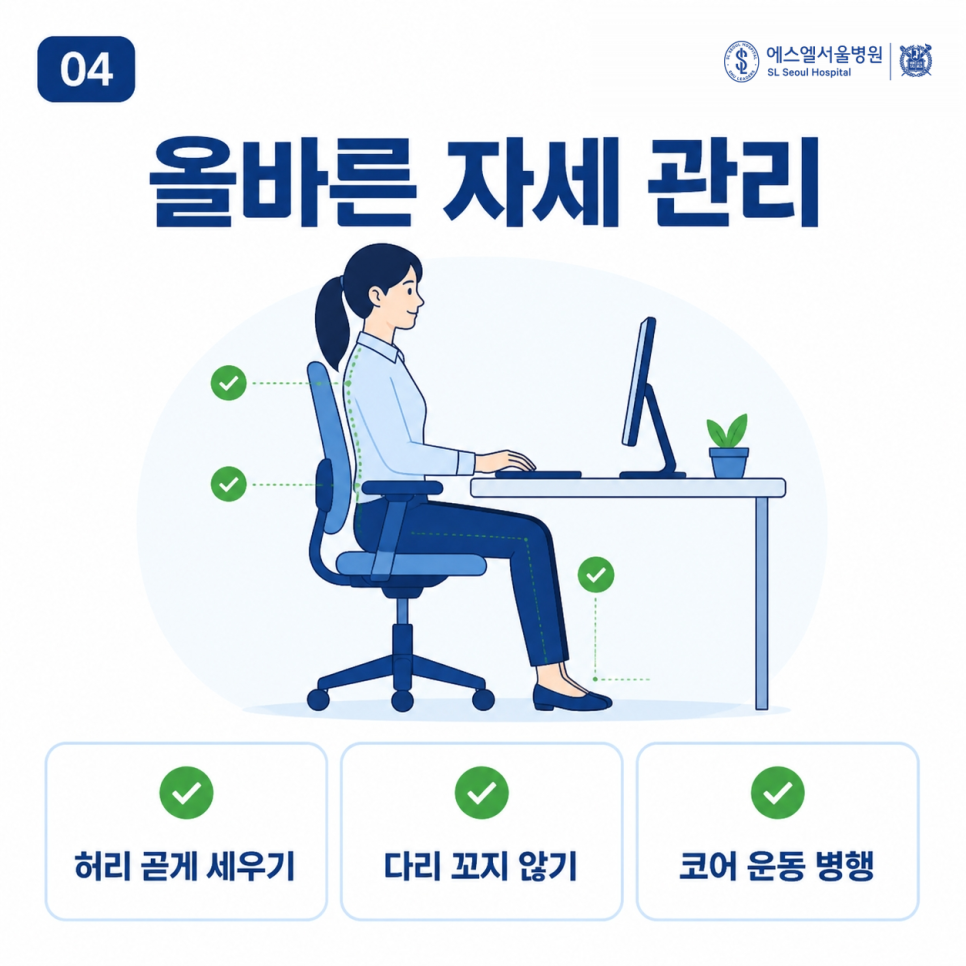
    Try incorporating the habits below.
    orthopedic clinic for manual therapy illustration 10

    1. Sit with your lower back straight and avoid crossing your legs.
    2. Set your monitor at eye level so your head doesn’t tilt forward.
    3. Stand up once an hour to gently stretch your neck and shoulders.
    4. Pair manual therapy with core-strengthening exercises.
    Summary and Takeaway
    Persistent musculoskeletal pain can be a warning sign of structural imbalance in the body.
    An accurate diagnosis paired with systematic care can support a return to a healthier daily routine.
    orthopedic clinic for manual therapy illustration 11


    Frequently Asked Questions

    orthopedic clinic for manual therapy illustration 12

    1. How many sessions of manual therapy does it typically take to notice a difference?
    This varies by individual symptoms and degree of body imbalance; outcomes are not guaranteed, but some patients report gradual change after around 5 to 10 or more consistent sessions.

    2. How is orthopedic manual therapy different from regular massage?
    Massage is aimed simply at relaxing the skin and muscle layers, while manual therapy is a medical procedure that helps correct spinal and joint alignment based on a specialist’s medical diagnosis.

    3. Is the treatment painful?
    Intensity is adjusted to each patient’s pain tolerance and inflammation level, so treatment stays within a reasonable range of manipulation and aims to minimize unnecessary discomfort.

    4. Is it covered by private health insurance?
    Since it’s a non-reimbursed treatment item, coverage and scope depend on your specific policy and insurer, so it’s best to confirm directly with your insurance provider.
    orthopedic clinic for manual therapy illustration 13

    orthopedic clinic for manual therapy illustration 16


    References

    · Ministry of Health and Welfare, “Managed Benefit for Manual Therapy Takes Effect July 1, Easing Patients’ Medical Costs,” Ministry of Health and Welfare press release, 2024. Source
    · Ministry of Employment and Labor, “Occupational Safety and Health Standards Rules,” Article 656 (Definitions), Easy-to-Find Statutes Information. Source
    · Nate News, “What Is Forward Head Posture Syndrome? 64% of Office Workers Report Neck and Shoulder Pain,” 2014. Source


    This article is for general health information purposes only and is not a substitute for individual diagnosis or treatment.
    If you’re experiencing symptoms, please consult a specialist.

  • Shoulder Tension Stretches: 2 Trapezius Moves in Just 5 Minutes a Day

    Shoulder Tension Stretches: 2 Trapezius Moves in Just 5 Minutes a Day

    SummaryHere’s everything you need to know about shoulder tension stretches: why the trapezius muscle tightens, plus how to choose between heat and cold therapy. Spend just 5 minutes a day building a habit that helps manage neck and shoulder pain.

    Do you find yourself rubbing your shoulders the moment you wake up?
    Most of us have felt that letdown when a massage only helps for a little while.

    The truth is, just a few minutes of shoulder tension stretches can make a real difference.
    The cause usually isn’t a lack of massages — it’s the small posture habits you repeat every day.

    어깨결림 스트레칭

    📌 Quick Preview
    This article covers the root causes of a tight trapezius and two shoulder tension stretches you can do right at your desk.
    Reviewing your posture habits alongside these stretches can also help prevent tension from coming back.

    Why Does Shoulder Tension Keep Coming Back?

    Shoulder tension develops when the trapezius and surrounding neck and shoulder muscles stay tight for extended periods.
    Shoulder tension refers to a condition where the trapezius and nearby muscles remain persistently tight, causing pain and stiffness.

    A common cause is forward head posture from long hours spent looking at a computer or smartphone.
    According to information shared through Korea’s national policy briefing service, every 1 cm the head shifts forward adds roughly 2–3 kg of extra load on the cervical spine.

    어깨결림 스트레칭 관련 이미지 2

    This forces the muscles at the back of the neck to bear an excessive share of the head’s weight.
    Over time, fatigue-related byproducts build up in the muscle and blood circulation is disrupted as well.

    When these muscles become tightly knotted, it can even contribute to headaches or eye strain, so it’s worth paying attention early.
    Left unaddressed, the tension can progress into chronic pain, which is why releasing it early matters.

    어깨결림 스트레칭 관련 이미지 3

    ⚠️ Main Causes of Shoulder Tension
    · Maintaining poor posture for long periods
    · Muscle tension caused by stress
    · Lack of exercise and reduced blood circulation

    What Shoulder Tension Stretches Can You Do at Home?

    Shoulder tension stretches are movements that slowly lengthen a tight trapezius to support blood circulation and ease tension.
    They’re simple enough to do right where you’re sitting.

    Move 1: Trapezius Stretch

    1. Sit up straight and place your right hand on the left side of your head.
    2. Gently tilt your neck to the right, as if pulling it in that direction.
    3. When you feel a comfortable stretch, hold for 15 seconds while breathing slowly.
    4. Repeat on the other side.

    어깨결림 스트레칭 관련 이미지 4

    Repeating this may help loosen up tightness along the neck and shoulder line.

    어깨결림 스트레칭 관련 이미지 5

    Move 2: Shoulder Blade Squeeze

    1. Raise both arms to a 90-degree angle.
    2. Open your chest as if drawing your shoulder blades together.
    3. Keep your shoulders pulled down so they don’t rise up toward your ears.
    4. Repeat consistently at least 3 times a day.
    📌 Key Points to Remember Before Stretching
    · Stretch only to the point of a comfortable pulling sensation, not pain
    · Keep breathing slowly instead of holding your breath during each move
    📋 Stretching Routine Checklist
    ✅ Neck stretch, left and right (15 seconds x 3 sets)
    ✅ Shoulder blade squeeze to open the chest (10 seconds x 5 sets)
    ✅ Big shoulder rolls backward (10 reps)
    ✅ Changes You May Notice With Consistent Practice
    · May help reduce tension in tight muscles
    · May help improve blood circulation around the neck and shoulders

    What Daily Habits Help Prevent Shoulder Pain?

    Preventing pain relies just as much on maintaining good posture throughout the day as it does on stretching.
    If you don’t change your everyday habits, tension tends to come right back no matter how much you stretch.

    It helps to adjust your monitor so the screen sits at eye level.
    When looking at your phone, try raising it to eye level instead of tilting your head down.

    어깨결림 스트레칭 관련 이미지 6

    If your work requires staying in one position for long stretches, the general rule is to take a short break every 50 minutes.
    Even something as simple as stretching your arms overhead or marching lightly in place can make a real difference.

    When Should You Use Heat vs. Cold Therapy?

    When managing an area that’s already tight, it’s important to use the right type of therapy.

    Category Cold Therapy Heat Therapy
    When to Use First 24–48 hours after acute pain begins Chronic tightness or tension
    Main Effect Reduces swelling and inflammation Promotes circulation, relaxes muscles
    Recommended Duration 15–20 minutes 15–20 minutes

    If pain keeps recurring even after combining stretches with better posture habits, it may be worth consulting a specialized medical center.
    Visit SL Seoul Hospital for Spine & Joints to learn more.

    🚀 Benefits of Maintaining Good Posture
    · May help reduce physical strain on the neck and shoulders
    · May help support recovery from fatigue through improved circulation
    · May help prevent chronic headaches and postural changes

    Frequently Asked Questions

    1. What should I do if stretching causes sharp pain?
    If you feel pain, stop the movement right away and reduce the intensity. Pushing through pain can actually damage the muscle.

    2. Is heat or cold therapy better for a tight shoulder?
    For tension that has lasted a while, heat therapy can help by supporting circulation. However, if there’s a sudden injury or acute inflammation, cold therapy should be applied first.

    3. How many times a day should I do shoulder tension stretches?
    Rather than sticking to a fixed schedule, it’s more effective to stretch frequently throughout the day. Try to move your shoulders and neck at least once an hour.

    4. If pain continues even with regular stretching, should I see a doctor?
    If pain keeps recurring or is accompanied by symptoms like arm numbness even after weeks of stretching and posture correction, it’s recommended to see a specialist such as an orthopedist.

    어깨결림 스트레칭 관련 이미지 7


    References

    · Korea Disease Control and Prevention Agency, “Text Neck (Forward Head) Syndrome,” National Health Information Portal. View source
    · Korea.kr Policy Briefing, “Stretches That Help Correct Forward Head Posture,” Ministry of Culture, Sports and Tourism. View source
    · St. Carollo Hospital, “Cold vs. Heat Therapy: When Should You Use Each?,” Health Information. View source


    This article is intended for general health information purposes only and is not a substitute for individual diagnosis or treatment. If you’re experiencing symptoms, please consult a licensed physician.

  • Shoulder Stiffness Stretches: 5 Minutes a Day, 2 Moves to Release Tight Traps

    Shoulder Stiffness Stretches: 5 Minutes a Day, 2 Moves to Release Tight Traps

    SummaryThis guide covers shoulder stiffness stretches, why the trapezius muscle tightens, and when to use heat versus cold therapy. Spend just 5 minutes a day building a habit that helps manage neck and shoulder discomfort.

    Do you find yourself rubbing your shoulders the moment you wake up?
    Most of us have felt that frustration of a massage helping only for a moment before the tension creeps right back.

    The truth is, just a few minutes of shoulder stiffness stretches may help.
    The cause usually isn’t a lack of massages — it’s the small posture habits we repeat every day.

    shoulder stiffness stretches

    📌 Quick Preview
    This article breaks down the root cause of trapezius tightness and two shoulder stiffness stretches you can do right at your desk.
    Reviewing your posture habits alongside these stretches can also help reduce recurrence.

    Why Does Shoulder Stiffness Keep Coming Back?

    Shoulder stiffness develops when the trapezius and the muscles around the neck and shoulders stay tense for extended periods.
    Shoulder stiffness refers to a state in which the trapezius and surrounding muscles remain chronically tense, causing pain and tightness.

    One common cause is the forward head posture that happens when we stare at a computer or smartphone for long stretches.
    According to information shared through South Korea’s official policy briefing service, every 1 cm the head shifts forward can add roughly 2–3 kg of extra load onto the cervical spine.

    Image related to shoulder stiffness stretches 2

    That’s because the muscles at the back of the neck end up bearing far more of the head’s weight than they should.
    Over time, fatigue byproducts build up in the muscle and blood circulation gets disrupted as well.

    When these muscles become tightly knotted, it can even lead to headaches or eye strain, so it’s worth paying attention early.
    Left unaddressed, the tension can progress into chronic pain, which is why releasing it early matters.

    Image related to shoulder stiffness stretches 3

    ⚠️ Main Causes of Shoulder Stiffness
    · Maintaining poor posture for long periods
    · Muscle tension from stress
    · Lack of exercise and poor circulation

    How to Do Shoulder Stiffness Stretches at Home

    Shoulder stiffness stretches are movements that slowly lengthen a tight trapezius to support circulation and ease tension.
    They’re simple enough to do right from your chair.

    Move 1. Trapezius Stretch

    1. Sit up straight and place your right hand on the left side of your head.
    2. Gently tilt your neck to the right, as if pulling with your hand.
    3. Once you feel a comfortable stretch, hold for 15 seconds while breathing slowly.
    4. Repeat on the opposite side.

    Image related to shoulder stiffness stretches 4

    Repeating this may help loosen the tight muscles along your neck and shoulder line.

    Image related to shoulder stiffness stretches 5

    Move 2. Shoulder Blade Squeeze

    1. Raise both arms to a 90-degree angle.
    2. Open your chest as if trying to bring your shoulder blades together.
    3. Keep your shoulders pulled down rather than letting them creep up toward your ears.
    4. Repeat consistently at least 3 times a day.
    📌 Key Points to Remember Before Stretching
    · Only stretch to the point of a comfortable pull, never to the point of pain
    · Keep breathing slowly throughout — don’t hold your breath
    📋 Stretching Routine Checklist
    ✅ Neck stretch, left and right (15 seconds x 3)
    ✅ Shoulder blade squeeze to open the chest (10 seconds x 5)
    ✅ Big shoulder rolls backward (10 reps)
    ✅ Changes You May Notice With Consistent Practice
    · May help reduce tension in tight muscles
    · May help support circulation around the neck and shoulders

    Daily Habits That Help Prevent Shoulder Pain

    Preventing pain relies just as much on maintaining good posture throughout the day as it does on stretching.
    If your everyday habits don’t change, the stiffness tends to come right back no matter how often you stretch.

    It helps to set your monitor at eye level.
    When looking at your phone, try raising it to eye level instead of tilting your head down.

    Image related to shoulder stiffness stretches 6

    If you do need to stay in one position for long stretches of work, the general rule is to take a short break every 50 minutes.
    Even something as simple as stretching your arms overhead or marching in place for a moment may help.

    When Should You Use Heat vs. Cold Therapy?

    When managing an area that’s already tight, it’s important to use the right type of compress.

    Category Cold Therapy Heat Therapy
    When to Use Within 24–48 hours of acute pain onset Chronic tightness or stiffness
    Main Effect Reduces swelling and inflammation Promotes circulation, relaxes muscles
    Recommended Duration 15–20 minutes 15–20 minutes

    If pain keeps coming back even after combining stretching with better posture habits, it may be worth having it evaluated at a specialized clinic.
    SL Seoul Hospital Spine & Joint Center homepage has more information on this topic.

    🚀 Benefits of Maintaining Good Posture
    · May help reduce physical strain on the neck and shoulders
    · May support recovery from fatigue through better circulation
    · May help prevent chronic headaches and postural changes

    Frequently Asked Questions

    1. What should I do if a stretch causes significant pain?
    Stop the movement immediately and ease off the intensity. Pushing through pain can end up damaging the muscle instead of helping it.

    2. Is heat or cold better for tight shoulders?
    For long-standing tightness and stiffness, heat therapy tends to help by supporting circulation. However, if there’s a sudden injury or acute inflammation, cold therapy should be applied first.

    3. How often should I do shoulder stiffness stretches each day?
    Rather than sticking to a fixed schedule, doing them frequently throughout the day tends to work better. Try to move your shoulders and neck at least once an hour.

    4. If the pain continues even with consistent stretching, should I see a doctor?
    If pain keeps recurring after several weeks of stretching and posture correction, or if it’s accompanied by symptoms like arm numbness, it’s advisable to see a specialist such as an orthopedic doctor.

    Image related to shoulder stiffness stretches 7


    References

    · Korea Disease Control and Prevention Agency, “Text Neck (Forward Head) Syndrome,” National Health Information Portal. View Source
    · Korea.kr Policy Briefing, “Stretches That Help Correct Forward Head Posture,” Ministry of Culture, Sports and Tourism. View Source
    · St. Carollo Hospital, “Cold vs. Heat Therapy: When Should You Use Each?,” Health Information. View Source


    This article is intended for general health information purposes only and is not a substitute for individual diagnosis or treatment. If you’re experiencing symptoms, please consult a medical professional.