If neck and shoulder pain doesn’t ease up no matter how much you rest,
it may not be simple muscle soreness.
Before looking for an orthopedic clinic for manual therapy,
it helps to understand the real reason the pain keeps coming back.
The main driver of chronic pain is often structural imbalance in the spine and joints along with reduced mobility.
After an accurate diagnostic workup, combining individualized manual therapy with posture correction may help with pain relief and improved body alignment.
This article covers, in order, what causes the pain, how to choose an orthopedic clinic for manual therapy, and proper posture habits.
Why Does Musculoskeletal Pain Happen, and How Is It Diagnosed?
Musculoskeletal pain refers to pain and functional impairment that develops when the spine, joints, muscles, and tendons are subjected to repeated strain over time.
It commonly shows up after sitting in the same position for long stretches or repeating the same movements.
It often starts as mild stiffness that’s easy to brush off.
But
left unaddressed, it can gradually worsen into structural imbalance in the spine and joints.
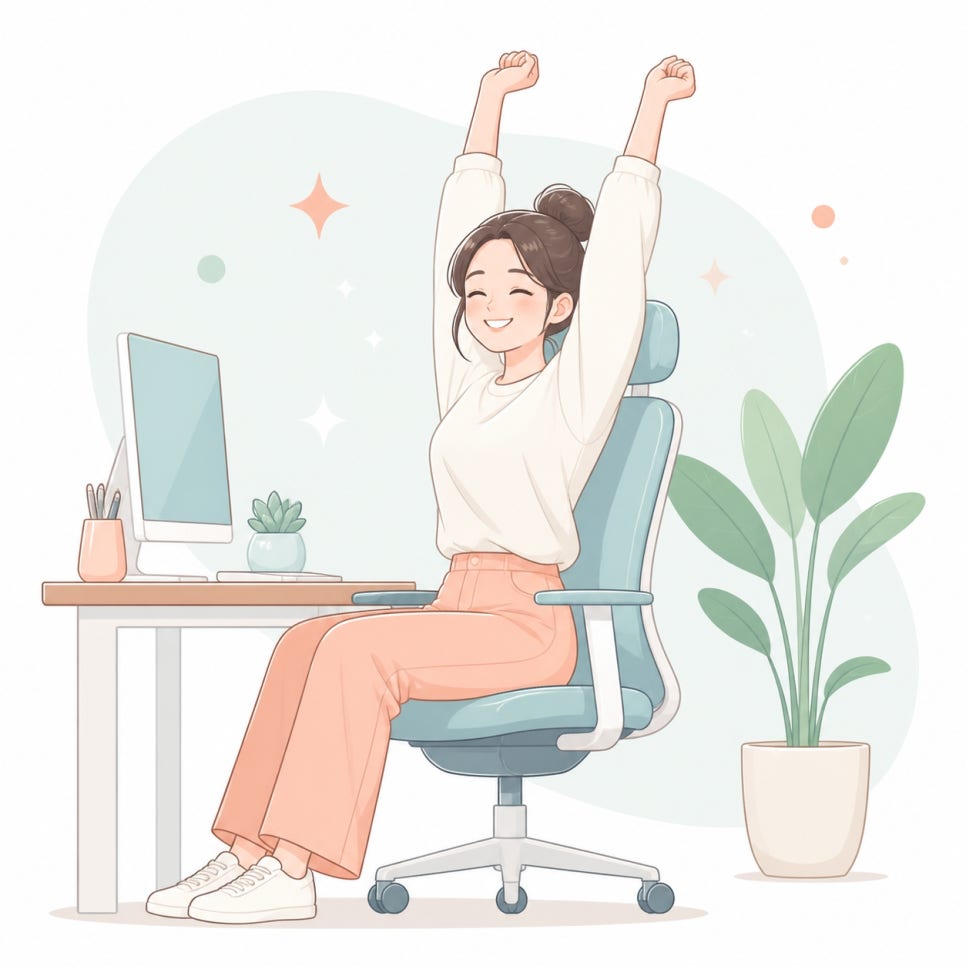
Office work in particular tends to tighten the neck and shoulder muscles.
One survey found that 64% of office workers reported neck and shoulder pain consistent with forward head posture, commonly known as “text neck.”
Dismissing early warning signs as mere fatigue tends to shorten the interval between pain flare-ups.
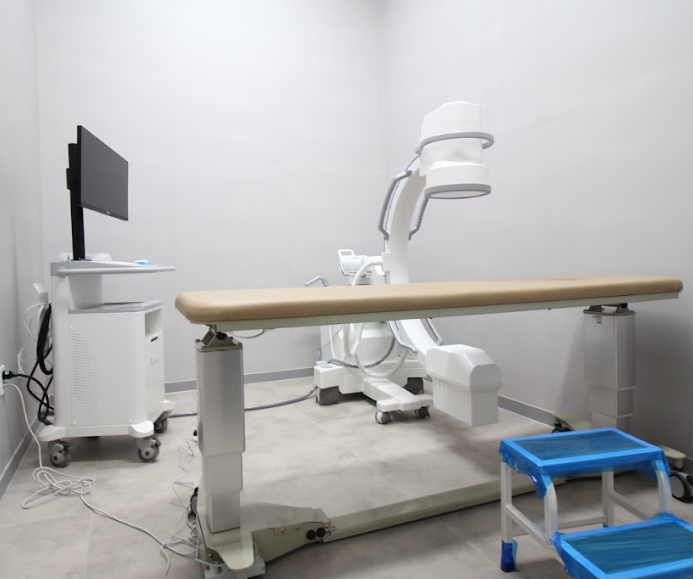
So if pain keeps recurring, the joints and muscles should first be evaluated with diagnostic imaging such as X-ray or C-arm fluoroscopy.
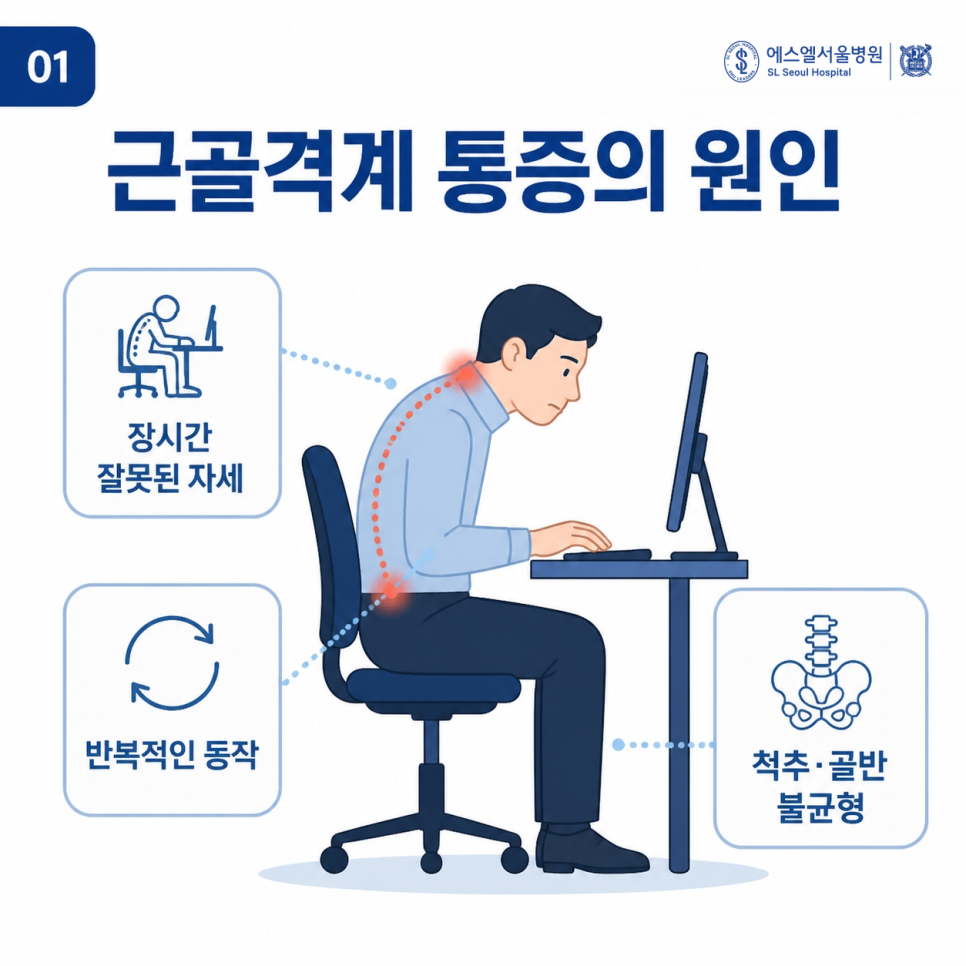
A musculoskeletal disorder is a health impairment caused by factors such as repetitive motion, awkward working posture, excessive force, contact with sharp edges, vibration, and temperature, manifesting as a condition affecting the nerves, muscles, and surrounding tissue of the neck, shoulders, lower back, and limbs.
This is how South Korea’s Ministry of Employment and Labor defines musculoskeletal disorders under its Occupational Safety and Health Standards.
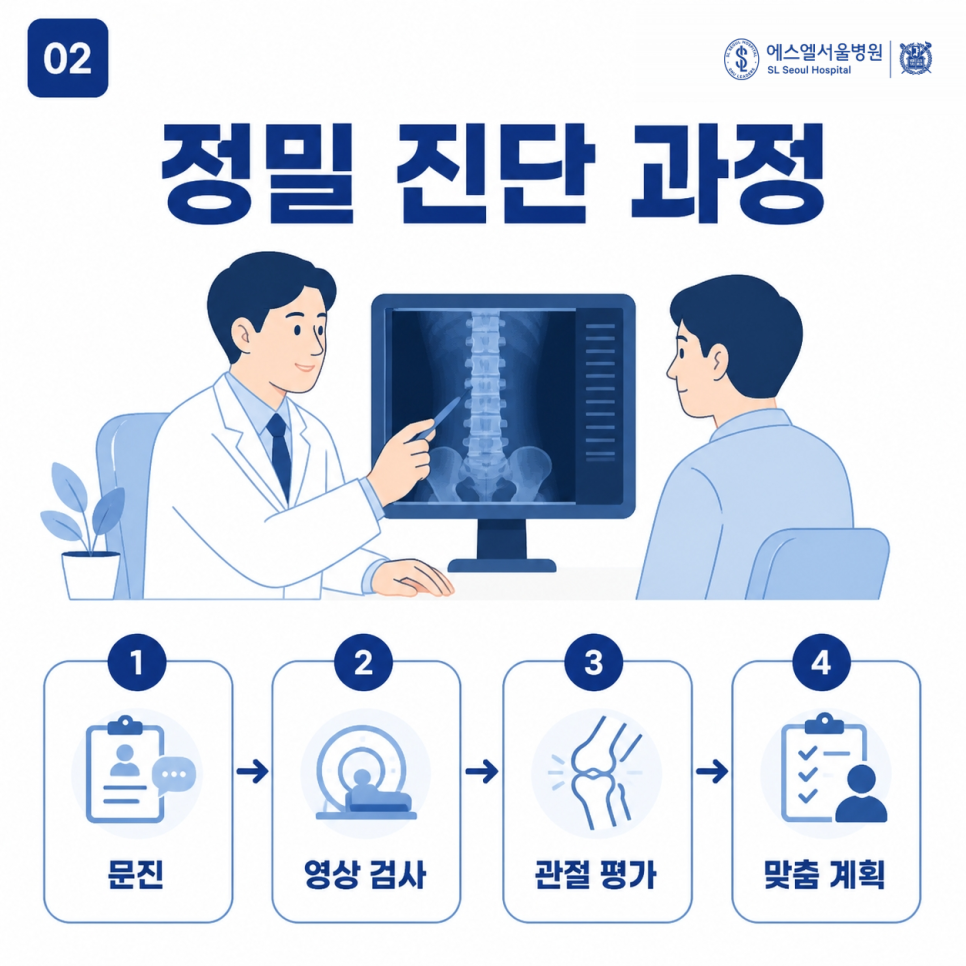
It’s also why an accurate medical diagnosis needs to come first, before building a management plan tailored to you.
• Don’t brush off early signs of chronic pain.
• Poor posture can worsen imbalance in the spine and pelvis.
• A thorough diagnostic evaluation of the anatomical structures should come first, for safety.
How Do You Choose an Orthopedic Clinic for Manual Therapy?
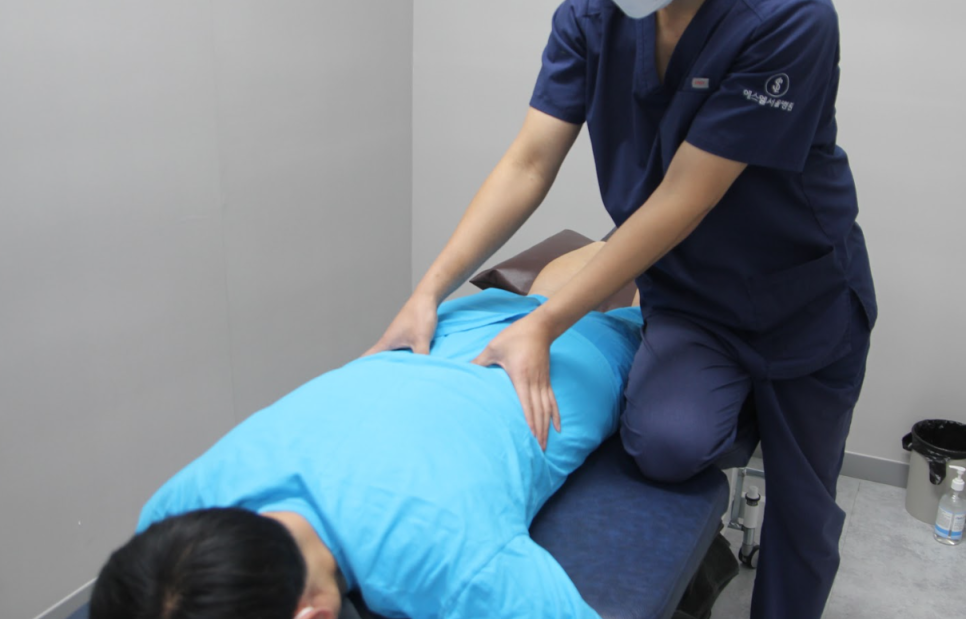
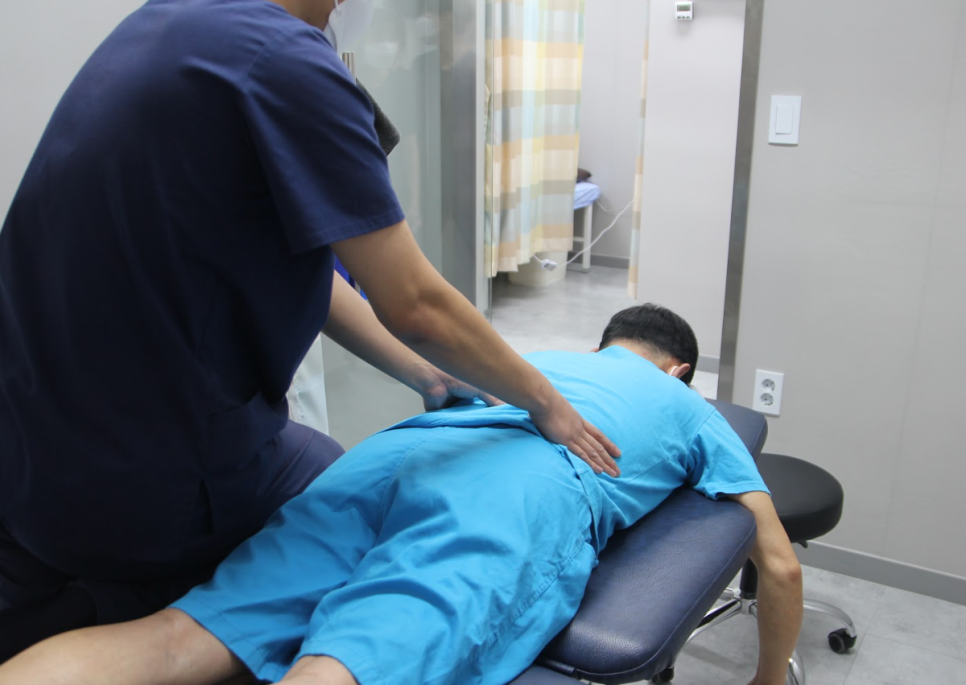
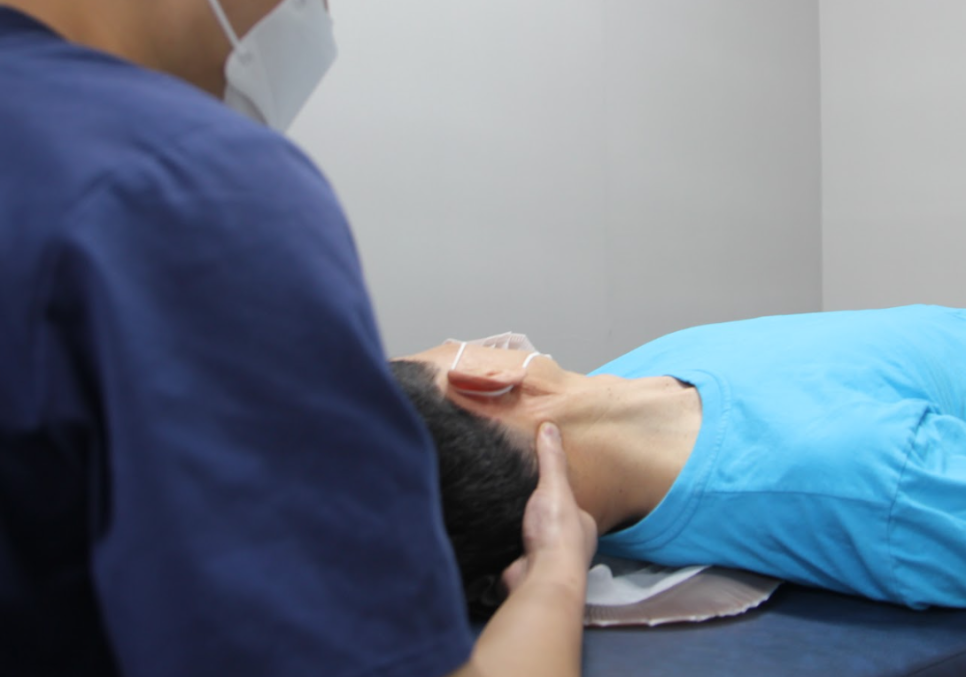
Manual therapy is a non-surgical, conservative treatment in which a therapist with specialized anatomical training uses their hands to help realign a misaligned spine or joint, aiming to ease pain.
It places less physical burden on the body than medication or surgery.
The key is combining an accurate diagnosis and prescription from an orthopedic specialist with hands-on treatment from an experienced therapist.
Excessive manipulation that doesn’t account for an individual’s physical characteristics can actually make pain worse,
so it’s advisable to consult a clinic with substantial clinical experience and a systematic care process.

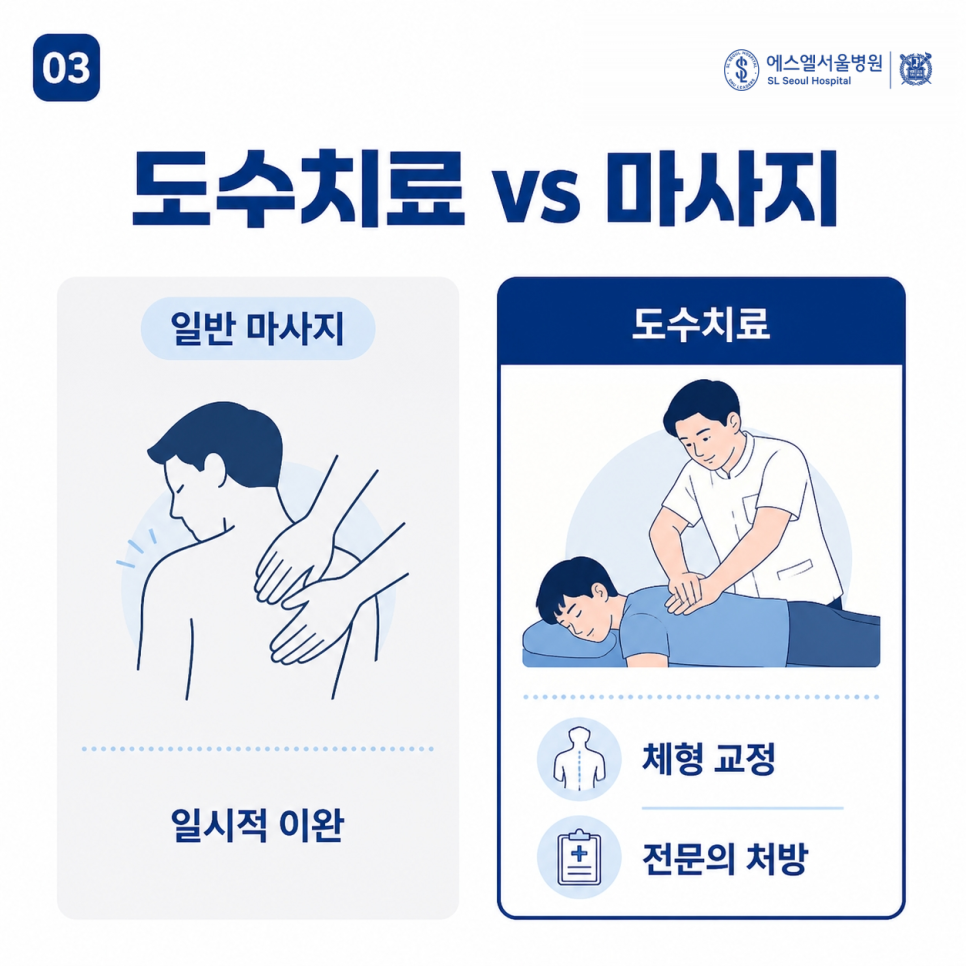
| Comparison | Regular Massage | Manual Therapy |
|---|---|---|
| Purpose | Temporary muscle relaxation, fatigue relief | Improving joint function, correcting body imbalance |
| Diagnostic process | No medical diagnostic process | Managed based on a specialist’s diagnosis and prescription |
| Cost structure | Service fee | Non-reimbursed medical procedure |
According to South Korea’s Ministry of Health and Welfare, manual therapy prices used to vary by hospital, averaging around 110,000 KRW per session.
However,
starting in July 2024, a managed-benefit scheme took effect, standardizing the price at 43,850 KRW per session (at a 95% patient co-payment rate) for cases that meet the criteria.
The Health Insurance Review and Assessment Service classifies manual therapy as a non-reimbursed physical therapy item, so sessions beyond the covered number may be fully out-of-pocket.
✅ Your head juts forward noticeably when looking at a monitor or phone
✅ Your pelvis is tilted, so one shoe sole wears out faster than the other
✅ Unexplained shoulder tightness and neck pain keep recurring
If these symptoms keep recurring, you can also check care information at the SL Seoul Hospital Spine & Joint Center homepage.
What Posture Habits Help Prevent Pain From Coming Back?
Maintaining the benefits of manual therapy over time depends as much on daily habits as on the treatment itself.
Try incorporating the habits below.
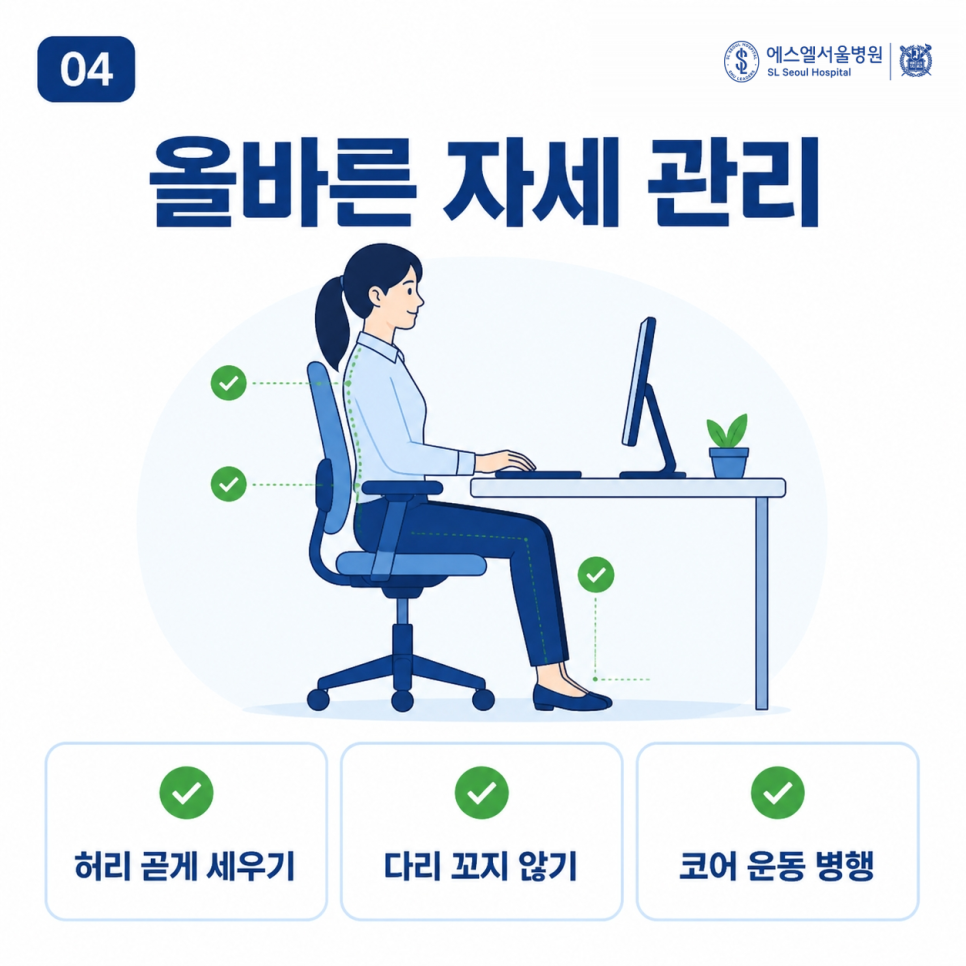
- Sit with your lower back straight and avoid crossing your legs.
- Set your monitor at eye level so your head doesn’t tilt forward.
- Stand up once an hour to gently stretch your neck and shoulders.
- Pair manual therapy with core-strengthening exercises.
Persistent musculoskeletal pain can be a warning sign of structural imbalance in the body.
An accurate diagnosis paired with systematic care can support a return to a healthier daily routine.
Frequently Asked Questions

1. How many sessions of manual therapy does it typically take to notice a difference?
This varies by individual symptoms and degree of body imbalance; outcomes are not guaranteed, but some patients report gradual change after around 5 to 10 or more consistent sessions.
2. How is orthopedic manual therapy different from regular massage?
Massage is aimed simply at relaxing the skin and muscle layers, while manual therapy is a medical procedure that helps correct spinal and joint alignment based on a specialist’s medical diagnosis.
3. Is the treatment painful?
Intensity is adjusted to each patient’s pain tolerance and inflammation level, so treatment stays within a reasonable range of manipulation and aims to minimize unnecessary discomfort.
4. Is it covered by private health insurance?
Since it’s a non-reimbursed treatment item, coverage and scope depend on your specific policy and insurer, so it’s best to confirm directly with your insurance provider.

References
· Ministry of Health and Welfare, “Managed Benefit for Manual Therapy Takes Effect July 1, Easing Patients’ Medical Costs,” Ministry of Health and Welfare press release, 2024. Source
· Ministry of Employment and Labor, “Occupational Safety and Health Standards Rules,” Article 656 (Definitions), Easy-to-Find Statutes Information. Source
· Nate News, “What Is Forward Head Posture Syndrome? 64% of Office Workers Report Neck and Shoulder Pain,” 2014. Source
If you’re experiencing symptoms, please consult a specialist.
Leave a Reply