Tag: Office Worker Health

  • Elbow Pain Treatment: 3-Stage Care Guide for Tennis & Golfer’s Elbow

    Elbow Pain Treatment: 3-Stage Care Guide for Tennis & Golfer’s Elbow

    SummaryElbow pain that eases up isn’t necessarily fully healed. Here’s a full rundown of what causes tennis elbow and golfer’s elbow, how orthopedic doctors diagnose them, at-home elbow pain treatment stretches, and how to manage the recovery period.

    Ever felt fine after resting a few days,
    only to have the pain creep back?

    A marathon session of dishwashing,
    or hours spent at the computer,
    and suddenly your elbow starts throbbing — sound familiar?

    The truth is, when elbow pain eases up for a while,
    that doesn’t mean it’s fully resolved.

    Without proper care,
    the pain can return at any time.
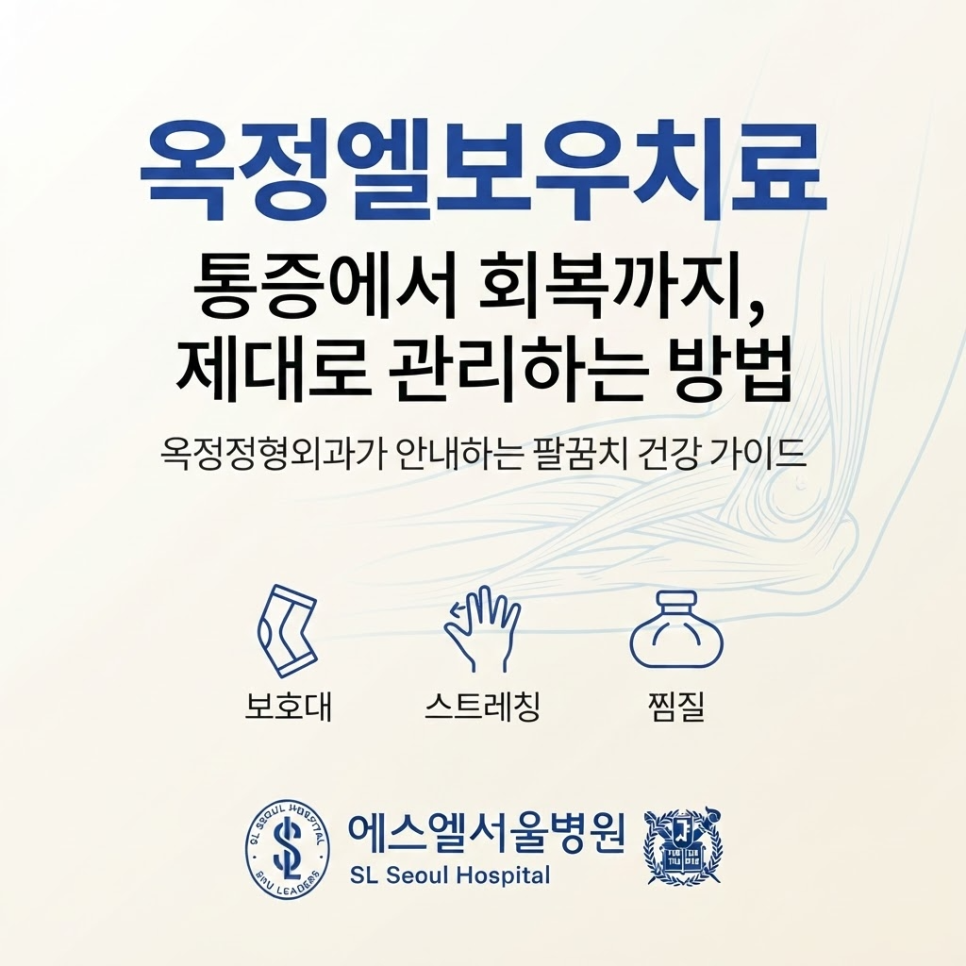
    Elbow pain

    This article walks through why elbow pain keeps coming back,
    the difference between tennis elbow and golfer’s elbow,
    how orthopedic exams work, and at-home
    elbow pain treatment methods you can start today.

    Here’s why you shouldn’t let your guard down
    even after the pain fades.

    Why Does Elbow Pain Keep Coming Back?

    Elbow pain usually develops when repetitive arm movements cause tiny amounts of tendon damage to build up over time.
    It’s common not only among people who do a lot of dishwashing or cooking,
    but also office workers who spend long hours at a computer.

    The name depends on where the pain shows up.
    Pain on the outside of the elbow is called tennis elbow,
    while pain on the inside is called golfer’s elbow.

    Elbow pain image 2

    Tennis elbow involves tiny tears and inflammation in the wrist extensor tendon that attaches to the outer bony bump of the elbow (lateral epicondyle).
    The pain tends to worsen when you bend your wrist backward.

    Golfer’s elbow, on the other hand, involves degeneration of the tendon on the inside of the elbow,
    causing pain when you bend your wrist inward.

    Category Tennis Elbow (Lateral Epicondylitis) Golfer’s Elbow (Medial Epicondylitis)
    Pain location Outside of the elbow Inside of the elbow
    Movement that triggers pain Bending the wrist backward Bending the wrist inward
    Main cause Repeated use of wrist extensor muscles Repeated use of wrist flexor muscles
    Key Points
    ✔ Tennis elbow: pain on the outside of the elbow when bending the wrist back
    ✔ Golfer’s elbow: pain on the inside of the elbow when bending the wrist inward
    ✔ Both conditions stem from tendon damage caused by repetitive use
    Checklist
    ✅ The outside of your elbow hurts when you make a fist and bend your wrist back
    ✅ You struggle to grip when turning a doorknob or wringing out a towel
    ✅ Even lifting something light causes a sharp twinge in your elbow
    ✅ The pain eases after a few days of rest but returns once you use your arm again

    How Do Orthopedic Doctors Diagnose Elbow Pain?

    Orthopedic evaluation typically starts with a history and physical exam, then moves on to X-ray, ultrasound, and MRI as needed to pinpoint the cause.

    If symptoms last more than two weeks,
    it’s worth seeing an orthopedic specialist for an accurate assessment.

    The doctor will first take a history
    to understand the pattern and onset of your pain,
    then perform a physical exam to locate the affected area.

    Elbow pain image 3

    X-rays are routinely used to rule out fractures or degenerative bone changes.
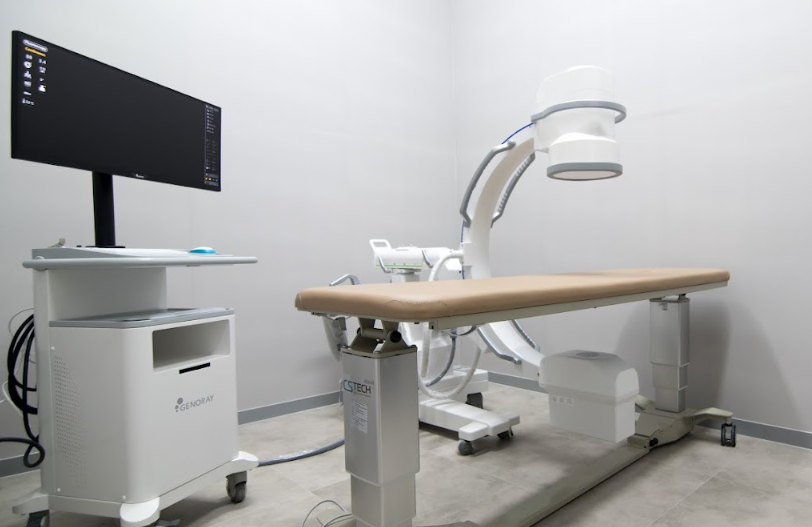
    Elbow pain image 4

    To assess the extent of tendon or ligament damage in more detail, though,
    ultrasound or MRI is often used alongside X-ray.

    Ultrasound has the advantage of showing
    tendon tears and inflammation
    in real time.

    Elbow pain image 5

    Results and Care Direction
    Getting a thorough evaluation early can help prevent the condition from getting worse, and non-surgical treatment may help improve symptoms.

    What Elbow Pain Treatment Can You Do at Home?

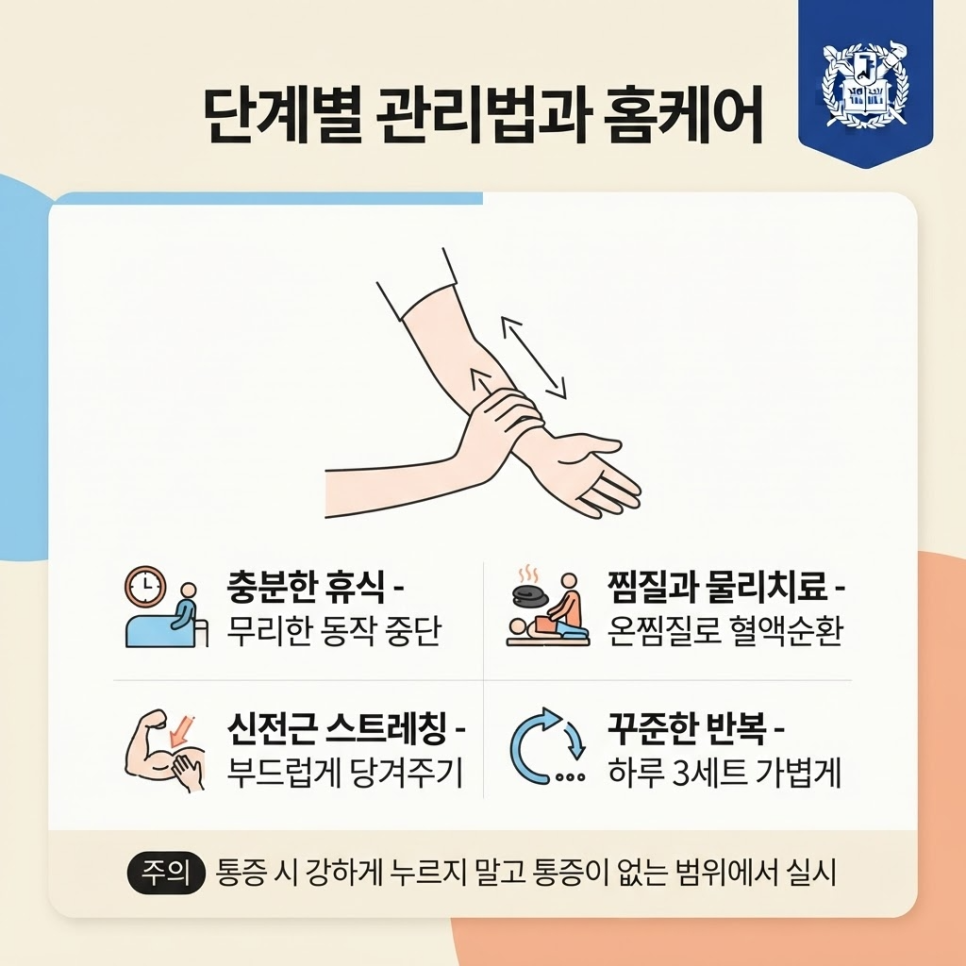
    In the early stage, rest and cold compresses come first; once the acute pain settles, heat therapy and stretching can gradually be added — that’s the basic framework of elbow pain treatment.

    When pain first starts,
    the elbow needs rest above all else.

    Stop movements that strain the joint,
    and pair this with compresses or physical therapy where helpful.

    In the early stage, when symptoms aren’t severe,
    consistent stretching can help.
    Elbow pain image 6

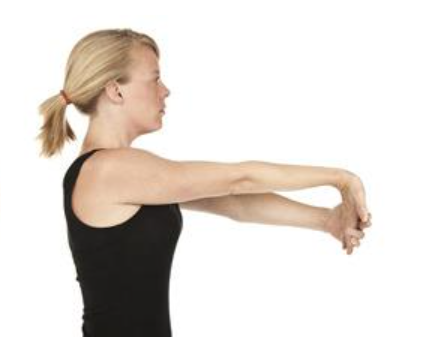
    How to Do a Wrist Extensor Stretch

    1. Extend your arm straight out in front of you with your palm facing down.
    2. With your other hand, grasp the back of your hand and gently pull the wrist downward.
    3. Hold for 15–30 seconds, feeling a stretch in the muscles around the elbow.
    4. Repeat 3 sets a day, every day, staying within a pain-free range.
    Elbow pain image 7

    This stretch may help relax tight muscles around the elbow.
    Rather than forcing it,
    pull gently and gradually.

    Stretching slowly and only within a pain-free range is safer,
    and doing it consistently may help sustain the benefits over time.

    Key Points
    ✔ During the most painful, acute phase, cold compresses and rest take priority over stretching
    ✔ Once the pain has eased, combine heat therapy with gentle stretching
    ✔ Aim for about 3 sets a day, staying within a pain-free range

    How Long Does Recovery Take, and How Do You Prevent Recurrence?

    Full recovery from elbow pain can take anywhere from several weeks to several months, and rushing back into activity too soon makes recurrence more likely.

    Elbow conditions can take
    longer to fully heal than most people expect.

    Depending on the individual,
    recovery generally takes several weeks to several months.

    If you push yourself to use your arm again too soon out of impatience,
    the pain is likely to come back.

    Elbow pain image 8

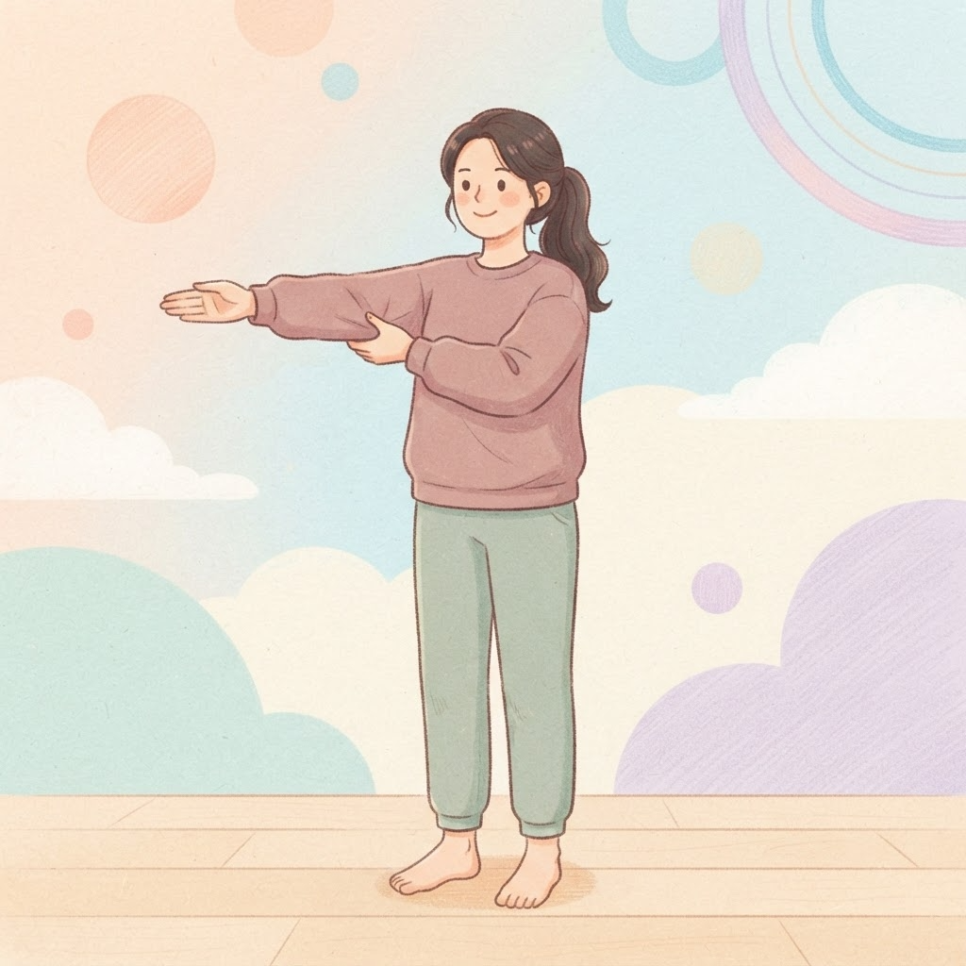
    Adjusting daily habits matters
    because it reduces the everyday strain placed on your arm.

    When lifting heavy objects,
    keep your palm facing up,
    and consider wearing an elbow brace for support.

    Remember that small changes in habit
    may support your recovery.
    Elbow pain image 9

    Caution
    Just because the pain is gone doesn’t mean it’s safe to jump straight into intense exercise or heavy housework. Loading the tendon again before it has fully healed can lead to chronic pain.

    If you’re unsure how to judge your own condition, or the pain keeps returning,
    it’s safest to consult a nearby orthopedic clinic.

    You can also check the SL Seoul Hospital homepage for information on appointments and care.

    If you’re considering an in-person visit,
    it may help to review the clinic’s location and visit information as well.

    Elbow pain image 10

    Elbow pain image 11


    Frequently Asked Questions

    1. Can elbow pain go away on its own?
    Mild pain in the early stage sometimes improves with rest alone. But if symptoms keep recurring, the condition can become chronic, so it’s worth paying attention.

    2. Is heat or cold therapy better?
    Cold compresses help when pain has just started or there’s noticeable warmth or swelling, while heat therapy can support blood flow when the area feels chronically stiff.

    3. Should I wear an elbow brace all day?
    It’s best worn only during daily activities or housework. Wearing it all day can actually weaken the surrounding muscles.

    4. Should I stretch even when it hurts?
    Avoid stretching during the most painful, acute phase. It’s safer to start with gentle stretching once the pain has eased somewhat.

    5. When should I see a doctor?
    If rest and self-care for more than two weeks don’t relieve the pain, or it gets worse, it’s a good idea to get a thorough evaluation at an orthopedic clinic.


    References

    · Korean Orthopaedic Association, “Tennis Elbow,” Orthopedic Health Information, Korean Orthopaedic Association. View source
    · St. Carollo Hospital, “Cold Compress vs. Heat Compress: When Should You Use Which?”, Health Information, St. Carollo Hospital. View source

    This article is for general health information purposes only and is not a substitute for individual diagnosis or treatment. If you have symptoms, please consult a medical professional.


  • Shoulder Tension Stretches: 2 Trapezius Moves in Just 5 Minutes a Day

    Shoulder Tension Stretches: 2 Trapezius Moves in Just 5 Minutes a Day

    SummaryHere’s everything you need to know about shoulder tension stretches: why the trapezius muscle tightens, plus how to choose between heat and cold therapy. Spend just 5 minutes a day building a habit that helps manage neck and shoulder pain.

    Do you find yourself rubbing your shoulders the moment you wake up?
    Most of us have felt that letdown when a massage only helps for a little while.

    The truth is, just a few minutes of shoulder tension stretches can make a real difference.
    The cause usually isn’t a lack of massages — it’s the small posture habits you repeat every day.

    어깨결림 스트레칭

    📌 Quick Preview
    This article covers the root causes of a tight trapezius and two shoulder tension stretches you can do right at your desk.
    Reviewing your posture habits alongside these stretches can also help prevent tension from coming back.

    Why Does Shoulder Tension Keep Coming Back?

    Shoulder tension develops when the trapezius and surrounding neck and shoulder muscles stay tight for extended periods.
    Shoulder tension refers to a condition where the trapezius and nearby muscles remain persistently tight, causing pain and stiffness.

    A common cause is forward head posture from long hours spent looking at a computer or smartphone.
    According to information shared through Korea’s national policy briefing service, every 1 cm the head shifts forward adds roughly 2–3 kg of extra load on the cervical spine.

    어깨결림 스트레칭 관련 이미지 2

    This forces the muscles at the back of the neck to bear an excessive share of the head’s weight.
    Over time, fatigue-related byproducts build up in the muscle and blood circulation is disrupted as well.

    When these muscles become tightly knotted, it can even contribute to headaches or eye strain, so it’s worth paying attention early.
    Left unaddressed, the tension can progress into chronic pain, which is why releasing it early matters.

    어깨결림 스트레칭 관련 이미지 3

    ⚠️ Main Causes of Shoulder Tension
    · Maintaining poor posture for long periods
    · Muscle tension caused by stress
    · Lack of exercise and reduced blood circulation

    What Shoulder Tension Stretches Can You Do at Home?

    Shoulder tension stretches are movements that slowly lengthen a tight trapezius to support blood circulation and ease tension.
    They’re simple enough to do right where you’re sitting.

    Move 1: Trapezius Stretch

    1. Sit up straight and place your right hand on the left side of your head.
    2. Gently tilt your neck to the right, as if pulling it in that direction.
    3. When you feel a comfortable stretch, hold for 15 seconds while breathing slowly.
    4. Repeat on the other side.

    어깨결림 스트레칭 관련 이미지 4

    Repeating this may help loosen up tightness along the neck and shoulder line.

    어깨결림 스트레칭 관련 이미지 5

    Move 2: Shoulder Blade Squeeze

    1. Raise both arms to a 90-degree angle.
    2. Open your chest as if drawing your shoulder blades together.
    3. Keep your shoulders pulled down so they don’t rise up toward your ears.
    4. Repeat consistently at least 3 times a day.
    📌 Key Points to Remember Before Stretching
    · Stretch only to the point of a comfortable pulling sensation, not pain
    · Keep breathing slowly instead of holding your breath during each move
    📋 Stretching Routine Checklist
    ✅ Neck stretch, left and right (15 seconds x 3 sets)
    ✅ Shoulder blade squeeze to open the chest (10 seconds x 5 sets)
    ✅ Big shoulder rolls backward (10 reps)
    ✅ Changes You May Notice With Consistent Practice
    · May help reduce tension in tight muscles
    · May help improve blood circulation around the neck and shoulders

    What Daily Habits Help Prevent Shoulder Pain?

    Preventing pain relies just as much on maintaining good posture throughout the day as it does on stretching.
    If you don’t change your everyday habits, tension tends to come right back no matter how much you stretch.

    It helps to adjust your monitor so the screen sits at eye level.
    When looking at your phone, try raising it to eye level instead of tilting your head down.

    어깨결림 스트레칭 관련 이미지 6

    If your work requires staying in one position for long stretches, the general rule is to take a short break every 50 minutes.
    Even something as simple as stretching your arms overhead or marching lightly in place can make a real difference.

    When Should You Use Heat vs. Cold Therapy?

    When managing an area that’s already tight, it’s important to use the right type of therapy.

    Category Cold Therapy Heat Therapy
    When to Use First 24–48 hours after acute pain begins Chronic tightness or tension
    Main Effect Reduces swelling and inflammation Promotes circulation, relaxes muscles
    Recommended Duration 15–20 minutes 15–20 minutes

    If pain keeps recurring even after combining stretches with better posture habits, it may be worth consulting a specialized medical center.
    Visit SL Seoul Hospital for Spine & Joints to learn more.

    🚀 Benefits of Maintaining Good Posture
    · May help reduce physical strain on the neck and shoulders
    · May help support recovery from fatigue through improved circulation
    · May help prevent chronic headaches and postural changes

    Frequently Asked Questions

    1. What should I do if stretching causes sharp pain?
    If you feel pain, stop the movement right away and reduce the intensity. Pushing through pain can actually damage the muscle.

    2. Is heat or cold therapy better for a tight shoulder?
    For tension that has lasted a while, heat therapy can help by supporting circulation. However, if there’s a sudden injury or acute inflammation, cold therapy should be applied first.

    3. How many times a day should I do shoulder tension stretches?
    Rather than sticking to a fixed schedule, it’s more effective to stretch frequently throughout the day. Try to move your shoulders and neck at least once an hour.

    4. If pain continues even with regular stretching, should I see a doctor?
    If pain keeps recurring or is accompanied by symptoms like arm numbness even after weeks of stretching and posture correction, it’s recommended to see a specialist such as an orthopedist.

    어깨결림 스트레칭 관련 이미지 7


    References

    · Korea Disease Control and Prevention Agency, “Text Neck (Forward Head) Syndrome,” National Health Information Portal. View source
    · Korea.kr Policy Briefing, “Stretches That Help Correct Forward Head Posture,” Ministry of Culture, Sports and Tourism. View source
    · St. Carollo Hospital, “Cold vs. Heat Therapy: When Should You Use Each?,” Health Information. View source


    This article is intended for general health information purposes only and is not a substitute for individual diagnosis or treatment. If you’re experiencing symptoms, please consult a licensed physician.

  • Shoulder Stiffness Stretches: 5 Minutes a Day, 2 Moves to Release Tight Traps

    Shoulder Stiffness Stretches: 5 Minutes a Day, 2 Moves to Release Tight Traps

    SummaryThis guide covers shoulder stiffness stretches, why the trapezius muscle tightens, and when to use heat versus cold therapy. Spend just 5 minutes a day building a habit that helps manage neck and shoulder discomfort.

    Do you find yourself rubbing your shoulders the moment you wake up?
    Most of us have felt that frustration of a massage helping only for a moment before the tension creeps right back.

    The truth is, just a few minutes of shoulder stiffness stretches may help.
    The cause usually isn’t a lack of massages — it’s the small posture habits we repeat every day.

    shoulder stiffness stretches

    📌 Quick Preview
    This article breaks down the root cause of trapezius tightness and two shoulder stiffness stretches you can do right at your desk.
    Reviewing your posture habits alongside these stretches can also help reduce recurrence.

    Why Does Shoulder Stiffness Keep Coming Back?

    Shoulder stiffness develops when the trapezius and the muscles around the neck and shoulders stay tense for extended periods.
    Shoulder stiffness refers to a state in which the trapezius and surrounding muscles remain chronically tense, causing pain and tightness.

    One common cause is the forward head posture that happens when we stare at a computer or smartphone for long stretches.
    According to information shared through South Korea’s official policy briefing service, every 1 cm the head shifts forward can add roughly 2–3 kg of extra load onto the cervical spine.

    Image related to shoulder stiffness stretches 2

    That’s because the muscles at the back of the neck end up bearing far more of the head’s weight than they should.
    Over time, fatigue byproducts build up in the muscle and blood circulation gets disrupted as well.

    When these muscles become tightly knotted, it can even lead to headaches or eye strain, so it’s worth paying attention early.
    Left unaddressed, the tension can progress into chronic pain, which is why releasing it early matters.

    Image related to shoulder stiffness stretches 3

    ⚠️ Main Causes of Shoulder Stiffness
    · Maintaining poor posture for long periods
    · Muscle tension from stress
    · Lack of exercise and poor circulation

    How to Do Shoulder Stiffness Stretches at Home

    Shoulder stiffness stretches are movements that slowly lengthen a tight trapezius to support circulation and ease tension.
    They’re simple enough to do right from your chair.

    Move 1. Trapezius Stretch

    1. Sit up straight and place your right hand on the left side of your head.
    2. Gently tilt your neck to the right, as if pulling with your hand.
    3. Once you feel a comfortable stretch, hold for 15 seconds while breathing slowly.
    4. Repeat on the opposite side.

    Image related to shoulder stiffness stretches 4

    Repeating this may help loosen the tight muscles along your neck and shoulder line.

    Image related to shoulder stiffness stretches 5

    Move 2. Shoulder Blade Squeeze

    1. Raise both arms to a 90-degree angle.
    2. Open your chest as if trying to bring your shoulder blades together.
    3. Keep your shoulders pulled down rather than letting them creep up toward your ears.
    4. Repeat consistently at least 3 times a day.
    📌 Key Points to Remember Before Stretching
    · Only stretch to the point of a comfortable pull, never to the point of pain
    · Keep breathing slowly throughout — don’t hold your breath
    📋 Stretching Routine Checklist
    ✅ Neck stretch, left and right (15 seconds x 3)
    ✅ Shoulder blade squeeze to open the chest (10 seconds x 5)
    ✅ Big shoulder rolls backward (10 reps)
    ✅ Changes You May Notice With Consistent Practice
    · May help reduce tension in tight muscles
    · May help support circulation around the neck and shoulders

    Daily Habits That Help Prevent Shoulder Pain

    Preventing pain relies just as much on maintaining good posture throughout the day as it does on stretching.
    If your everyday habits don’t change, the stiffness tends to come right back no matter how often you stretch.

    It helps to set your monitor at eye level.
    When looking at your phone, try raising it to eye level instead of tilting your head down.

    Image related to shoulder stiffness stretches 6

    If you do need to stay in one position for long stretches of work, the general rule is to take a short break every 50 minutes.
    Even something as simple as stretching your arms overhead or marching in place for a moment may help.

    When Should You Use Heat vs. Cold Therapy?

    When managing an area that’s already tight, it’s important to use the right type of compress.

    Category Cold Therapy Heat Therapy
    When to Use Within 24–48 hours of acute pain onset Chronic tightness or stiffness
    Main Effect Reduces swelling and inflammation Promotes circulation, relaxes muscles
    Recommended Duration 15–20 minutes 15–20 minutes

    If pain keeps coming back even after combining stretching with better posture habits, it may be worth having it evaluated at a specialized clinic.
    SL Seoul Hospital Spine & Joint Center homepage has more information on this topic.

    🚀 Benefits of Maintaining Good Posture
    · May help reduce physical strain on the neck and shoulders
    · May support recovery from fatigue through better circulation
    · May help prevent chronic headaches and postural changes

    Frequently Asked Questions

    1. What should I do if a stretch causes significant pain?
    Stop the movement immediately and ease off the intensity. Pushing through pain can end up damaging the muscle instead of helping it.

    2. Is heat or cold better for tight shoulders?
    For long-standing tightness and stiffness, heat therapy tends to help by supporting circulation. However, if there’s a sudden injury or acute inflammation, cold therapy should be applied first.

    3. How often should I do shoulder stiffness stretches each day?
    Rather than sticking to a fixed schedule, doing them frequently throughout the day tends to work better. Try to move your shoulders and neck at least once an hour.

    4. If the pain continues even with consistent stretching, should I see a doctor?
    If pain keeps recurring after several weeks of stretching and posture correction, or if it’s accompanied by symptoms like arm numbness, it’s advisable to see a specialist such as an orthopedic doctor.

    Image related to shoulder stiffness stretches 7


    References

    · Korea Disease Control and Prevention Agency, “Text Neck (Forward Head) Syndrome,” National Health Information Portal. View Source
    · Korea.kr Policy Briefing, “Stretches That Help Correct Forward Head Posture,” Ministry of Culture, Sports and Tourism. View Source
    · St. Carollo Hospital, “Cold vs. Heat Therapy: When Should You Use Each?,” Health Information. View Source


    This article is intended for general health information purposes only and is not a substitute for individual diagnosis or treatment. If you’re experiencing symptoms, please consult a medical professional.