Tag: Joint Health

  • Orthopedic Clinic for Manual Therapy: 3 Criteria for Choosing the Right One

    Orthopedic Clinic for Manual Therapy: 3 Criteria for Choosing the Right One

    SummaryBefore choosing an orthopedic clinic for manual therapy, here’s a rundown of why musculoskeletal pain develops, how it’s diagnosed, how manual therapy differs from regular massage, typical costs, and proper posture habits.

    If neck and shoulder pain doesn’t ease up no matter how much you rest,
    it may not be simple muscle soreness.

    Before looking for an orthopedic clinic for manual therapy,
    it helps to understand the real reason the pain keeps coming back.

    Key Takeaways
    The main driver of chronic pain is often structural imbalance in the spine and joints along with reduced mobility.
    After an accurate diagnostic workup, combining individualized manual therapy with posture correction may help with pain relief and improved body alignment.
    This article covers, in order, what causes the pain, how to choose an orthopedic clinic for manual therapy, and proper posture habits.
    orthopedic clinic for manual therapy

    Why Does Musculoskeletal Pain Happen, and How Is It Diagnosed?

    Musculoskeletal pain refers to pain and functional impairment that develops when the spine, joints, muscles, and tendons are subjected to repeated strain over time.
    It commonly shows up after sitting in the same position for long stretches or repeating the same movements.

    It often starts as mild stiffness that’s easy to brush off.
    But
    left unaddressed, it can gradually worsen into structural imbalance in the spine and joints.
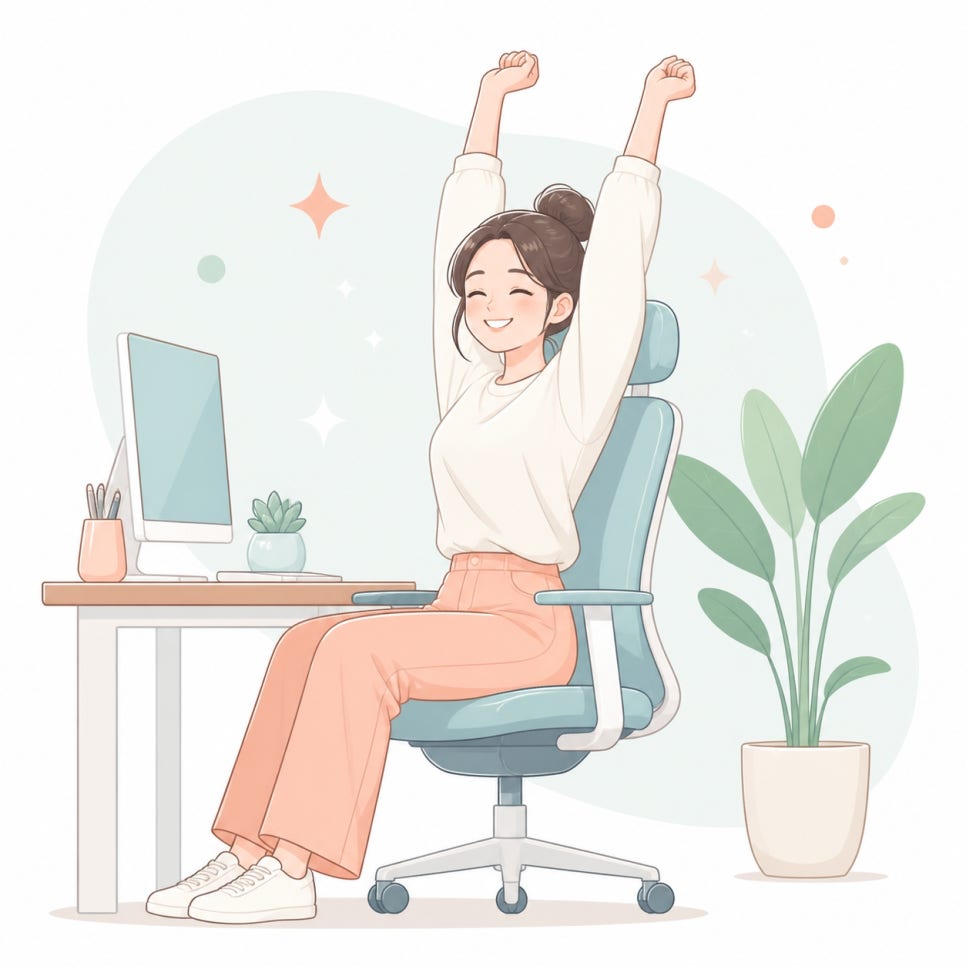
    orthopedic clinic for manual therapy illustration 2

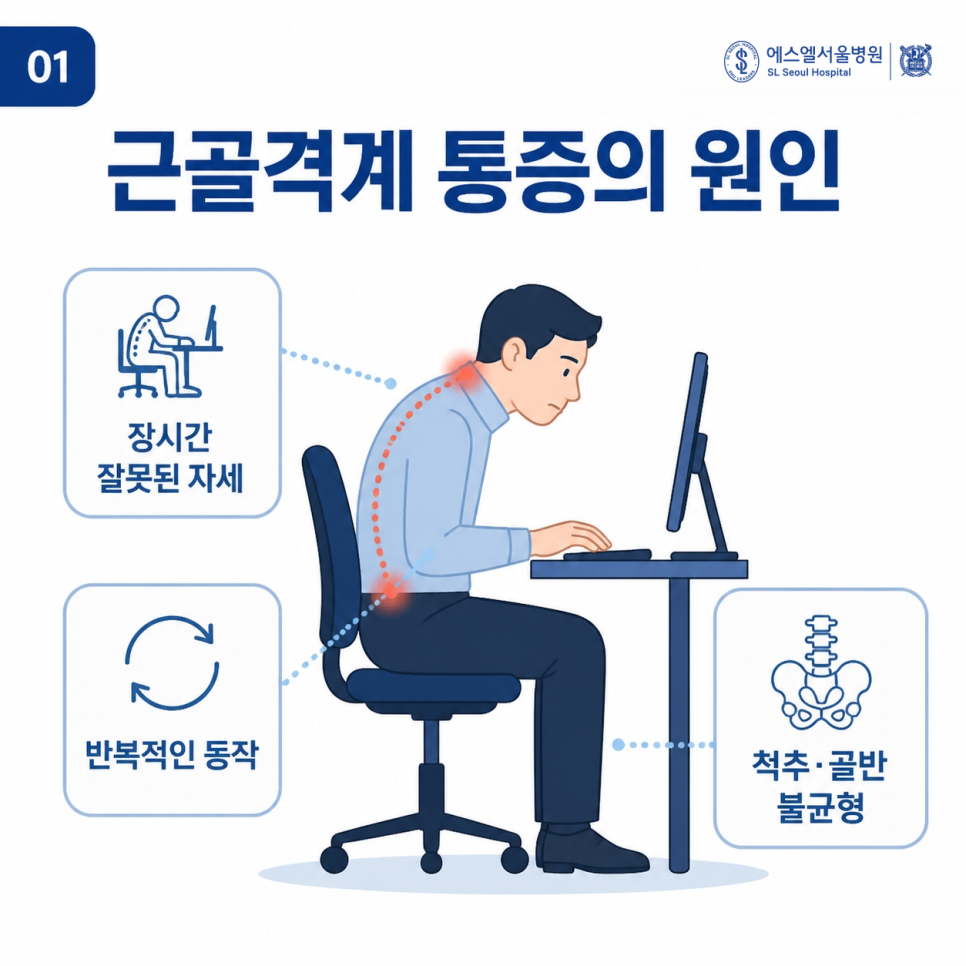
    Office work in particular tends to tighten the neck and shoulder muscles.
    One survey found that 64% of office workers reported neck and shoulder pain consistent with forward head posture, commonly known as “text neck.”

    Dismissing early warning signs as mere fatigue tends to shorten the interval between pain flare-ups.
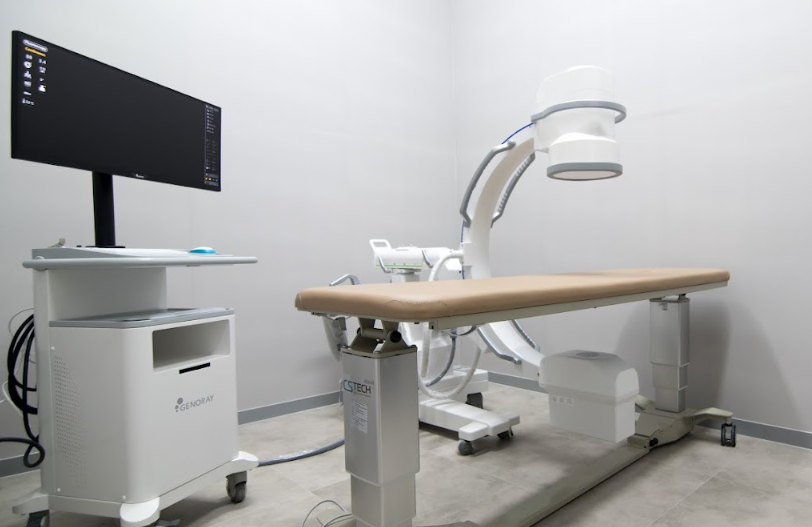
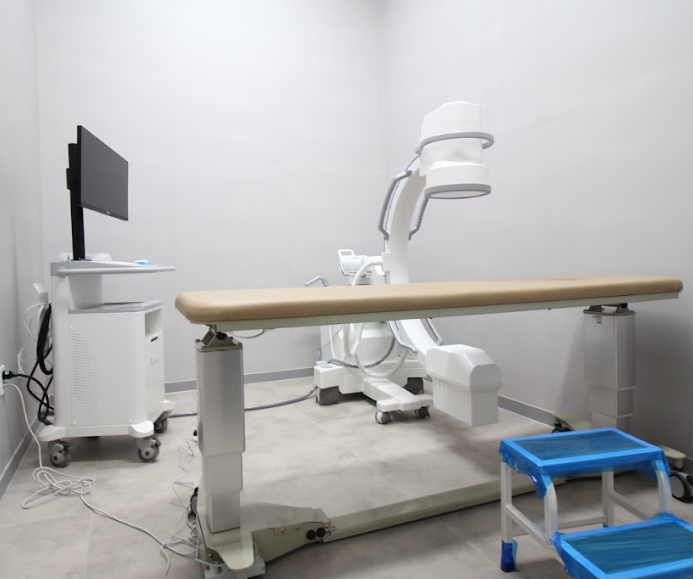
    So if pain keeps recurring, the joints and muscles should first be evaluated with diagnostic imaging such as X-ray or C-arm fluoroscopy.
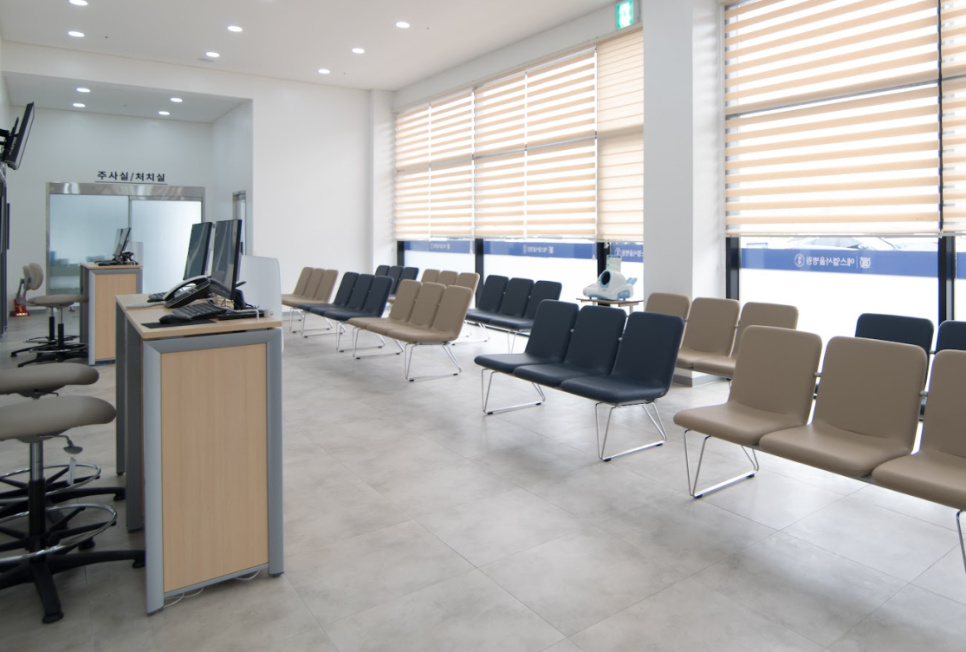
    orthopedic clinic for manual therapy illustration 3

    orthopedic clinic for manual therapy illustration 4

    A musculoskeletal disorder is a health impairment caused by factors such as repetitive motion, awkward working posture, excessive force, contact with sharp edges, vibration, and temperature, manifesting as a condition affecting the nerves, muscles, and surrounding tissue of the neck, shoulders, lower back, and limbs.

    This is how South Korea’s Ministry of Employment and Labor defines musculoskeletal disorders under its Occupational Safety and Health Standards.
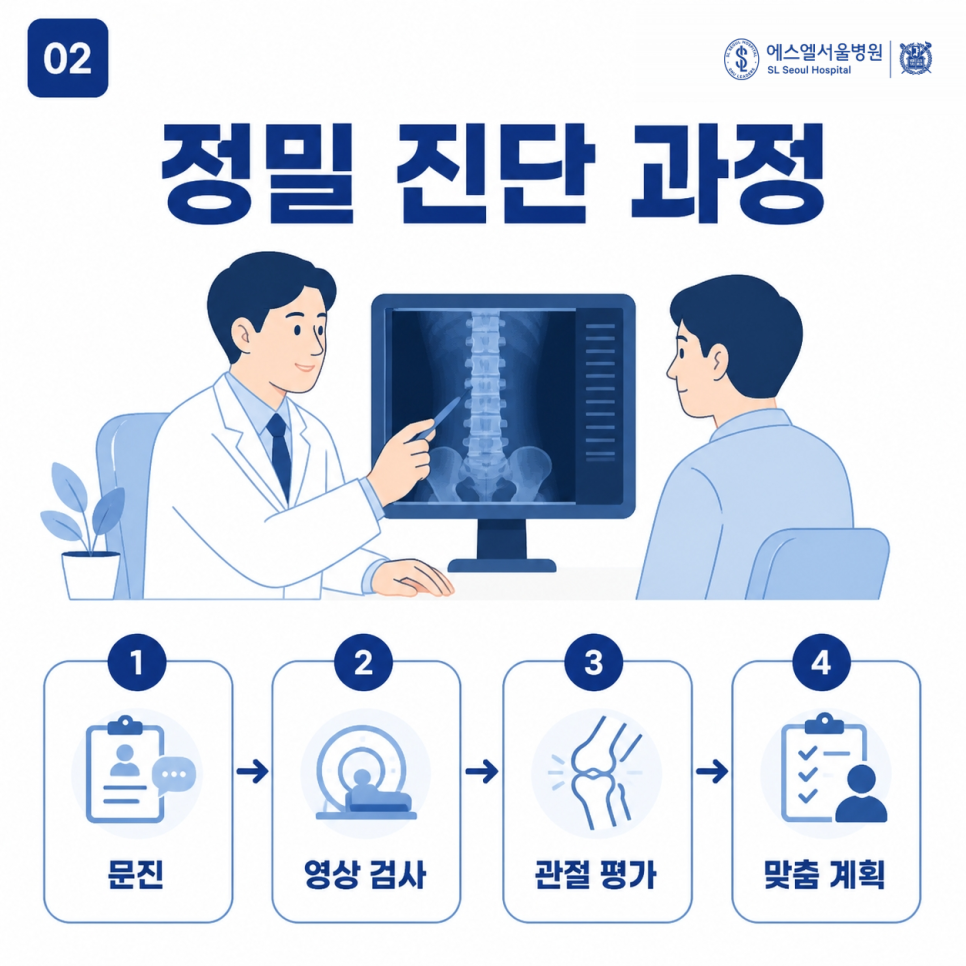
    It’s also why an accurate medical diagnosis needs to come first, before building a management plan tailored to you.
    orthopedic clinic for manual therapy illustration 5

    orthopedic clinic for manual therapy illustration 6

    Key Points
    • Don’t brush off early signs of chronic pain.
    • Poor posture can worsen imbalance in the spine and pelvis.
    • A thorough diagnostic evaluation of the anatomical structures should come first, for safety.

    How Do You Choose an Orthopedic Clinic for Manual Therapy?

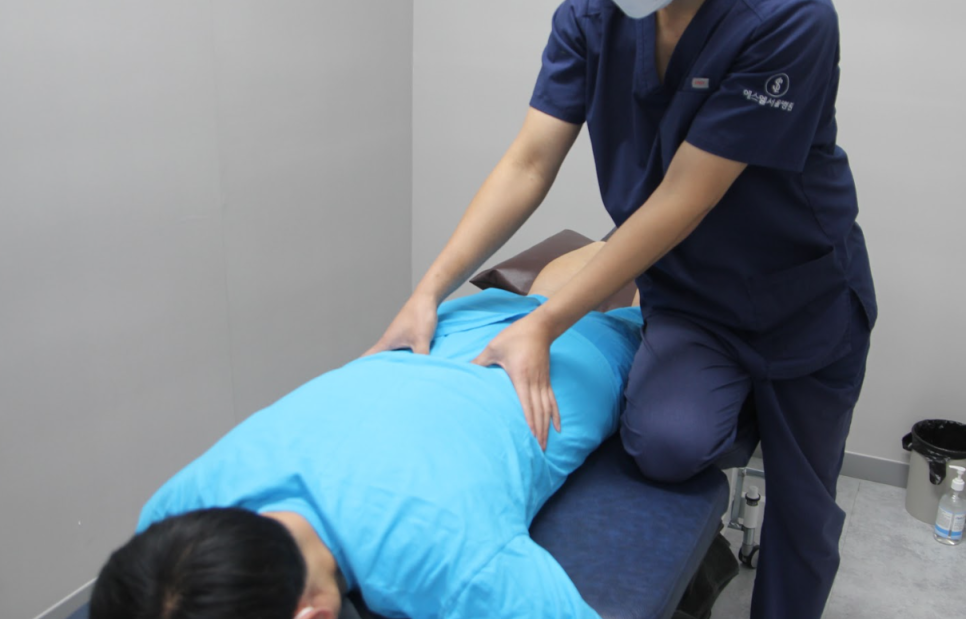
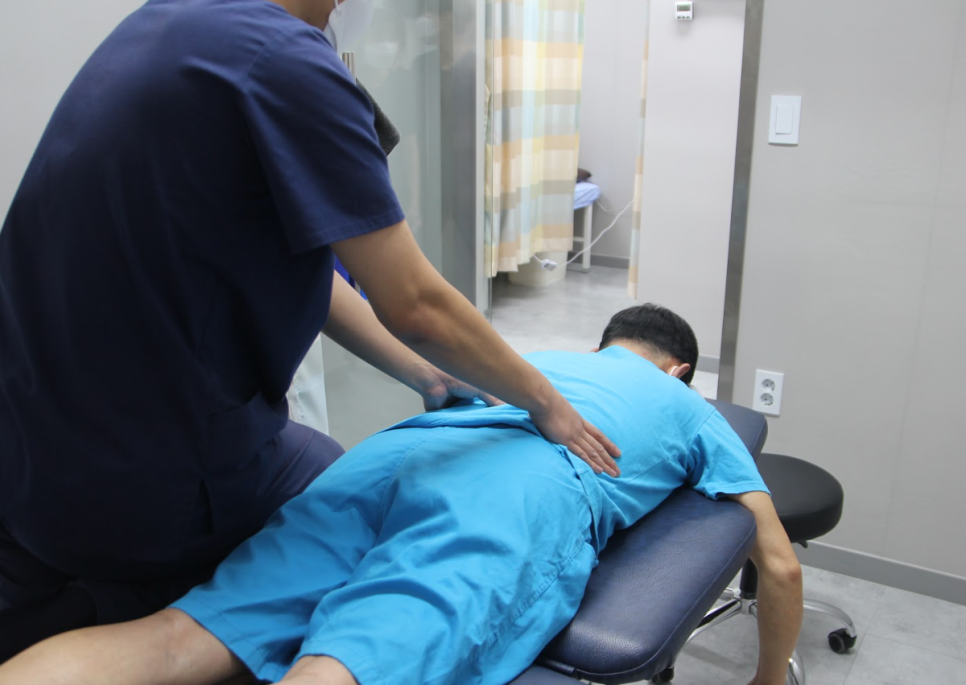
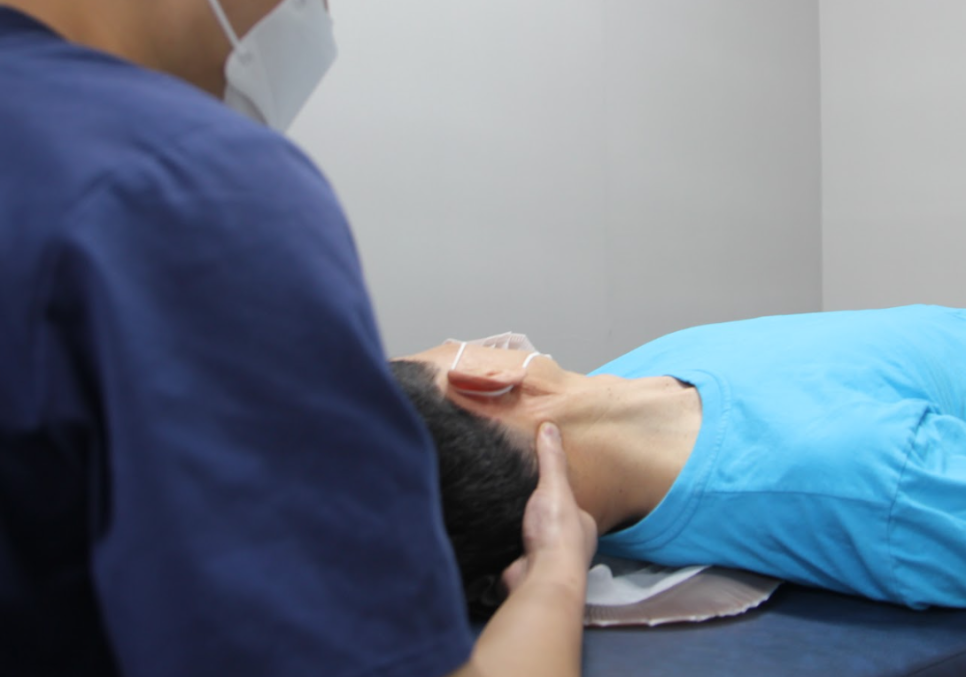
    Manual therapy is a non-surgical, conservative treatment in which a therapist with specialized anatomical training uses their hands to help realign a misaligned spine or joint, aiming to ease pain.
    It places less physical burden on the body than medication or surgery.

    The key is combining an accurate diagnosis and prescription from an orthopedic specialist with hands-on treatment from an experienced therapist.
    Excessive manipulation that doesn’t account for an individual’s physical characteristics can actually make pain worse,
    so it’s advisable to consult a clinic with substantial clinical experience and a systematic care process.

    orthopedic clinic for manual therapy illustration 7

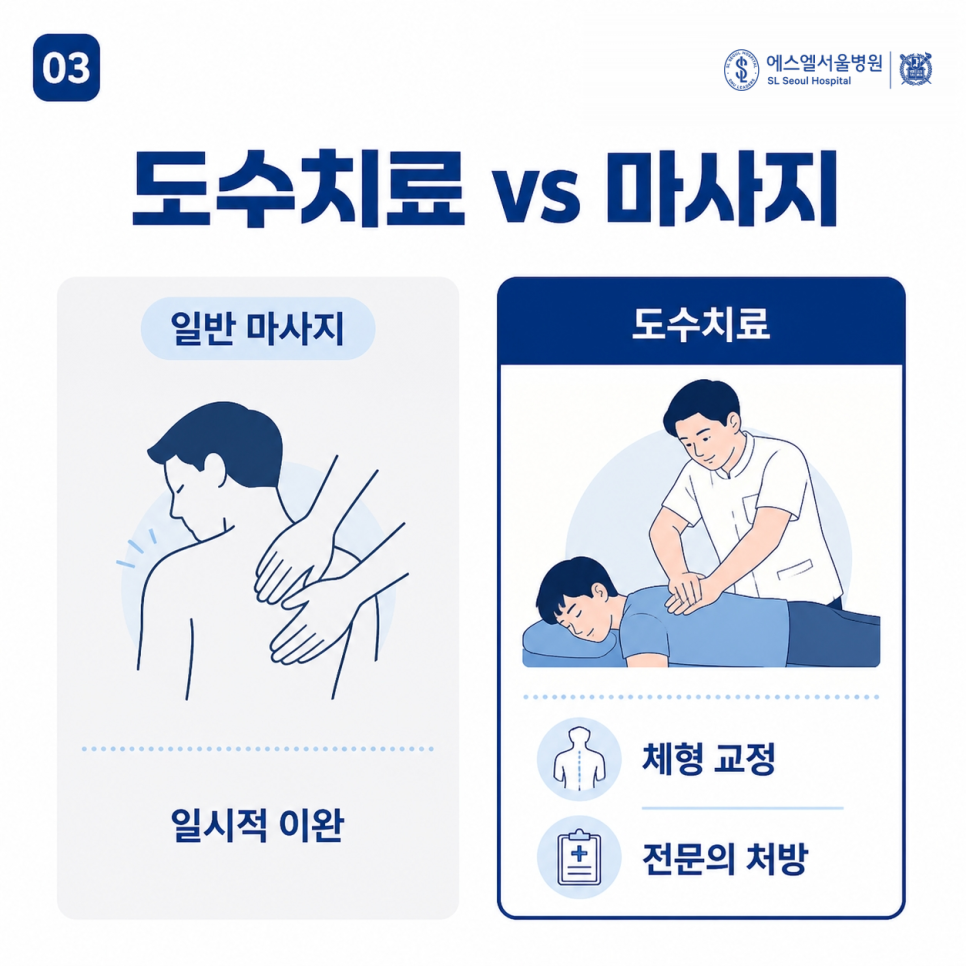
    Comparison Regular Massage Manual Therapy
    Purpose Temporary muscle relaxation, fatigue relief Improving joint function, correcting body imbalance
    Diagnostic process No medical diagnostic process Managed based on a specialist’s diagnosis and prescription
    Cost structure Service fee Non-reimbursed medical procedure

    orthopedic clinic for manual therapy illustration 8

    orthopedic clinic for manual therapy illustration 9

    According to South Korea’s Ministry of Health and Welfare, manual therapy prices used to vary by hospital, averaging around 110,000 KRW per session.
    However,
    starting in July 2024, a managed-benefit scheme took effect, standardizing the price at 43,850 KRW per session (at a 95% patient co-payment rate) for cases that meet the criteria.
    The Health Insurance Review and Assessment Service classifies manual therapy as a non-reimbursed physical therapy item, so sessions beyond the covered number may be fully out-of-pocket.

    Self-Check
    ✅ Your head juts forward noticeably when looking at a monitor or phone
    ✅ Your pelvis is tilted, so one shoe sole wears out faster than the other
    ✅ Unexplained shoulder tightness and neck pain keep recurring

    If these symptoms keep recurring, you can also check care information at the SL Seoul Hospital Spine & Joint Center homepage.


    What Posture Habits Help Prevent Pain From Coming Back?

    Maintaining the benefits of manual therapy over time depends as much on daily habits as on the treatment itself.
    Try incorporating the habits below.
    orthopedic clinic for manual therapy illustration 10

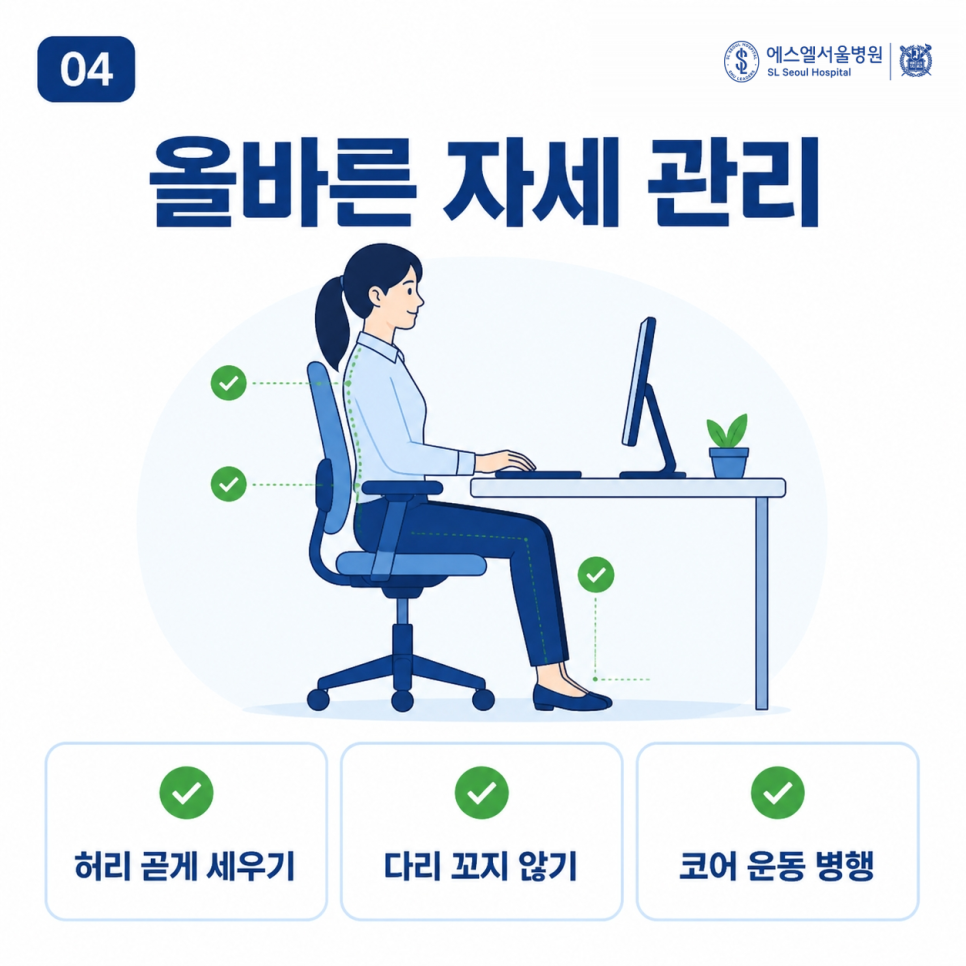
    1. Sit with your lower back straight and avoid crossing your legs.
    2. Set your monitor at eye level so your head doesn’t tilt forward.
    3. Stand up once an hour to gently stretch your neck and shoulders.
    4. Pair manual therapy with core-strengthening exercises.
    Summary and Takeaway
    Persistent musculoskeletal pain can be a warning sign of structural imbalance in the body.
    An accurate diagnosis paired with systematic care can support a return to a healthier daily routine.
    orthopedic clinic for manual therapy illustration 11


    Frequently Asked Questions

    orthopedic clinic for manual therapy illustration 12

    1. How many sessions of manual therapy does it typically take to notice a difference?
    This varies by individual symptoms and degree of body imbalance; outcomes are not guaranteed, but some patients report gradual change after around 5 to 10 or more consistent sessions.

    2. How is orthopedic manual therapy different from regular massage?
    Massage is aimed simply at relaxing the skin and muscle layers, while manual therapy is a medical procedure that helps correct spinal and joint alignment based on a specialist’s medical diagnosis.

    3. Is the treatment painful?
    Intensity is adjusted to each patient’s pain tolerance and inflammation level, so treatment stays within a reasonable range of manipulation and aims to minimize unnecessary discomfort.

    4. Is it covered by private health insurance?
    Since it’s a non-reimbursed treatment item, coverage and scope depend on your specific policy and insurer, so it’s best to confirm directly with your insurance provider.
    orthopedic clinic for manual therapy illustration 13

    orthopedic clinic for manual therapy illustration 16


    References

    · Ministry of Health and Welfare, “Managed Benefit for Manual Therapy Takes Effect July 1, Easing Patients’ Medical Costs,” Ministry of Health and Welfare press release, 2024. Source
    · Ministry of Employment and Labor, “Occupational Safety and Health Standards Rules,” Article 656 (Definitions), Easy-to-Find Statutes Information. Source
    · Nate News, “What Is Forward Head Posture Syndrome? 64% of Office Workers Report Neck and Shoulder Pain,” 2014. Source


    This article is for general health information purposes only and is not a substitute for individual diagnosis or treatment.
    If you’re experiencing symptoms, please consult a specialist.
  • Knee Shockwave Therapy: 3 Things to Check If Stair Pain Lasts 2+ Weeks

    Knee Shockwave Therapy: 3 Things to Check If Stair Pain Lasts 2+ Weeks

    SummaryKnee shockwave therapy is a conservative, non-surgical treatment that uses high-energy sound waves to improve blood flow and support tissue repair, without any incision or anesthesia. If stair-climbing pain has lasted more than 2 weeks, here’s what to know about how it works, who it’s for, and the recommended number of sessions.

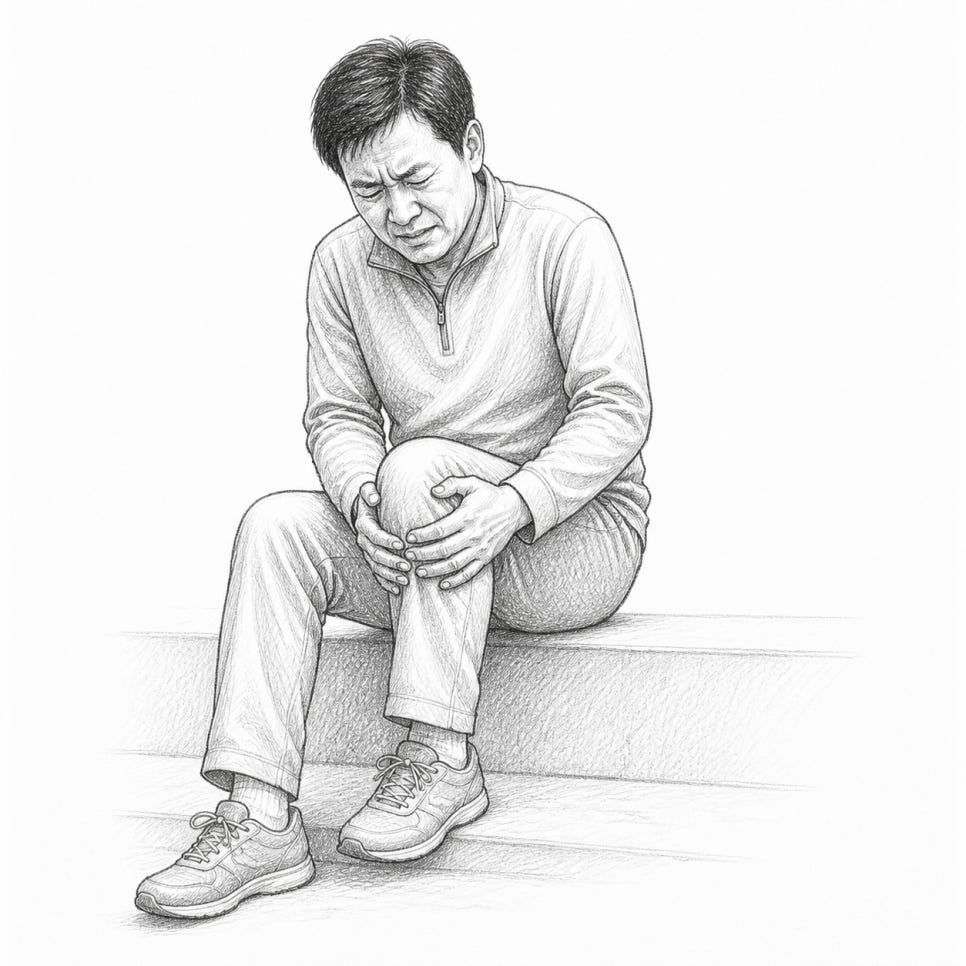
    Most of us have felt that sharp, tingling twinge in the knee while walking down stairs at least once.

    It’s tempting to assume a few days of rest will fix it,
    but many people put off dealing with the pain and only see a doctor once it’s become a bigger problem.

    According to a Newspim report citing Health Insurance Review & Assessment Service data, the number of patients treated for degenerative arthritis rose from about 4.04 million in 2019 to roughly 4.33 million in 2023.
    Pain that feels like ordinary muscle soreness can actually be microscopic damage to a ligament or tendon.

    Key takeaway
    A sharp twinge in the knee when climbing or descending stairs can be a sign that microscopic damage has built up in the cartilage, ligaments, or tendons.
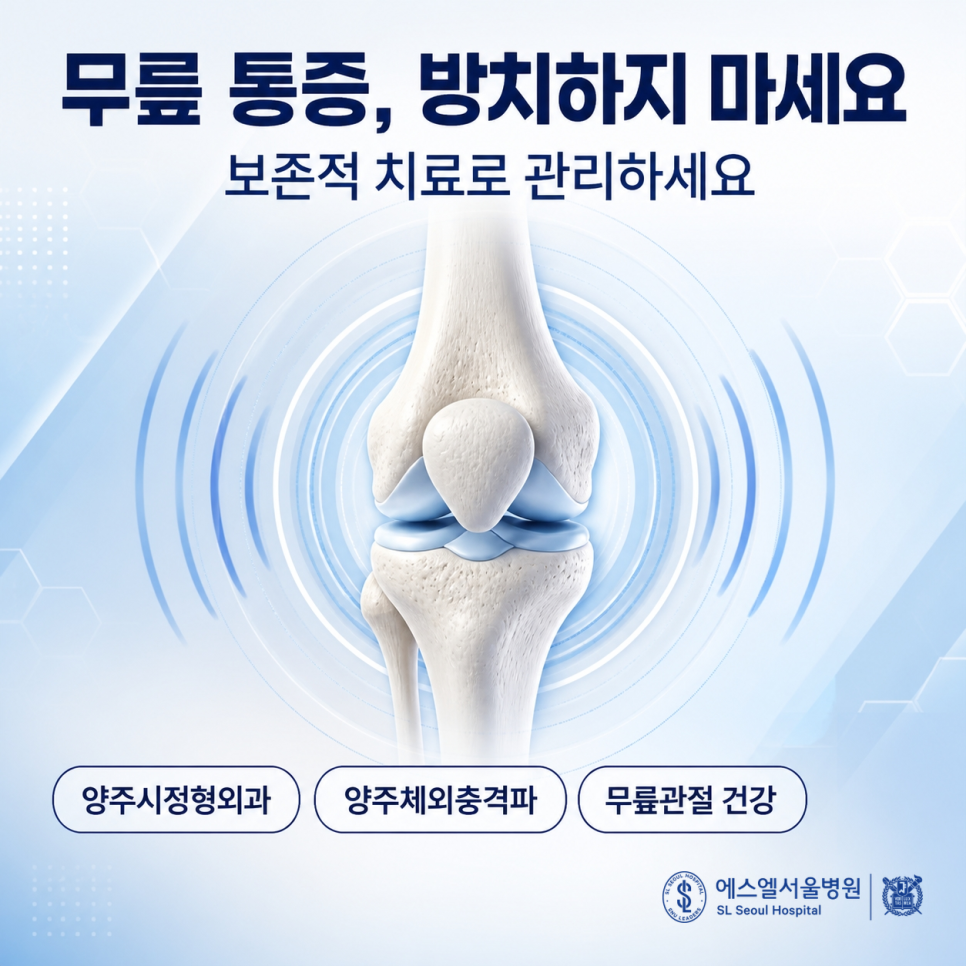
    Knee shockwave therapy is a conservative treatment that uses high-energy sound waves to support blood flow and tissue regeneration, without any incision or anesthesia.
    If symptoms last more than 2 weeks, it’s important to get a thorough exam to identify the underlying cause first.

    knee shockwave therapy

    Why Is It Risky to Ignore Knee Pain?

    The short answer: the longer you dismiss early pain as ordinary fatigue, the more your joint’s range of motion narrows, making it easier for the pain to become chronic.

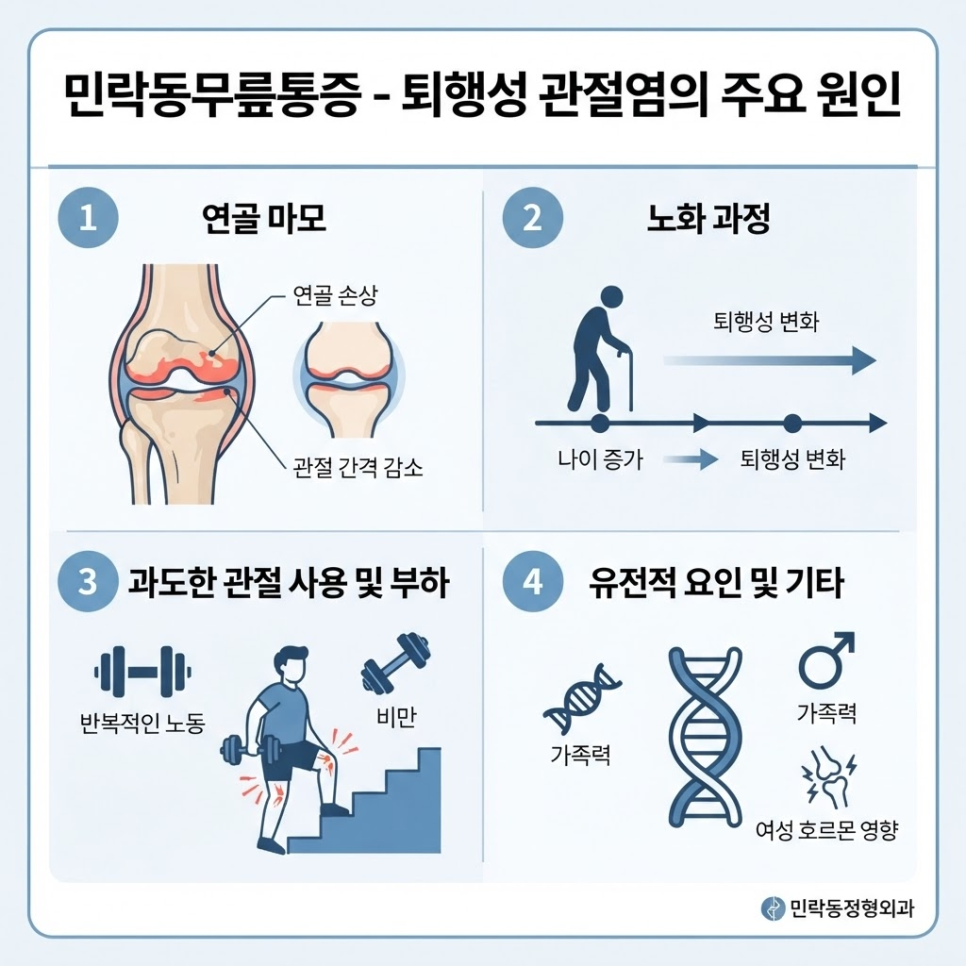
    Knee pain doesn’t only come from degenerative arthritis, where the cartilage wears down —
    it can also stem from tendinitis, ligament damage, and a range of other causes.

    The Korea Disease Control and Prevention Agency’s National Health Information Portal describes osteoarthritis this way.

    Osteoarthritis is a condition in which the cartilage that cushions the impact between the bones of a joint gradually deteriorates or undergoes degenerative change, causing secondary damage to the bone, joint capsule, and surrounding ligaments — resulting in pain, deformity, and functional impairment.

    The agency also notes that there is currently no treatment that can fully restore a joint that has already undergone degenerative change back to normal.

    That’s exactly why
    identifying and managing the cause of pain early matters so much.

    Knee shockwave therapy illustration 2

    Knee shockwave therapy illustration 3

    Cartilage, ligaments, and tendons all have limited blood supply, which gives them a relatively low capacity for self-repair.

    According to the same Newspim report, 82.3% of degenerative arthritis patients are age 60 or older, and the condition tends to become more common with age.

    Knee shockwave therapy illustration 4

    Checklist
    ✅ You feel a sharp twinge in the knee when climbing or descending stairs
    ✅ Your joint feels stiff when standing up after sitting for more than 30 minutes
    ✅ The area around the joint is frequently swollen or feels warm
    ✅ You hear a sound from your knee while walking, along with pain

    If even one of these applies to you, it’s worth seeing an orthopedic specialist to pinpoint the exact cause.

    Knee shockwave therapy illustration 5


    What Is Knee Shockwave Therapy and How Does It Work?

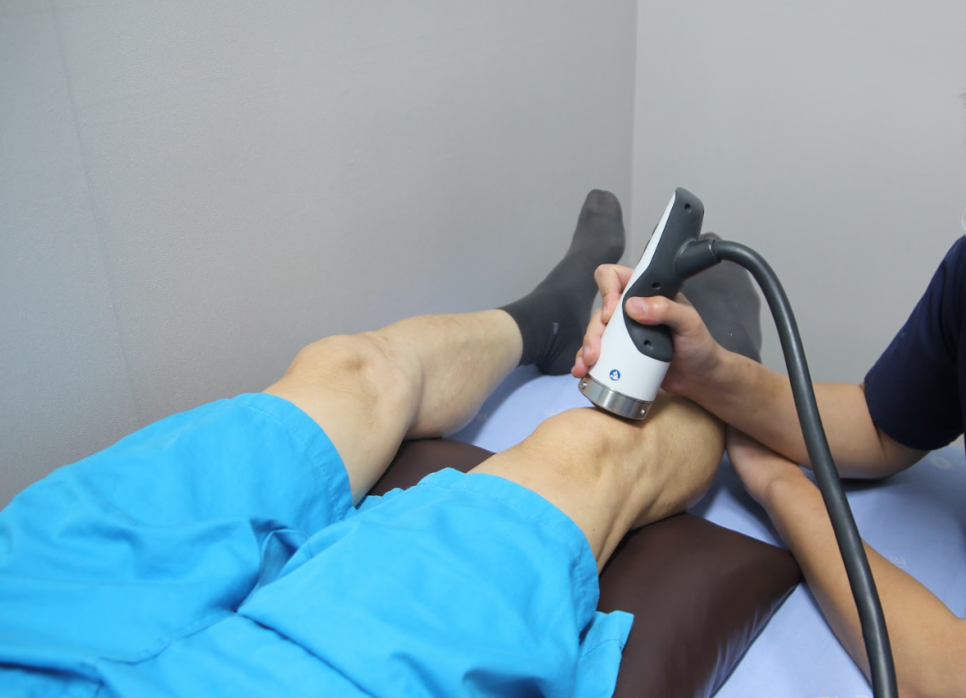
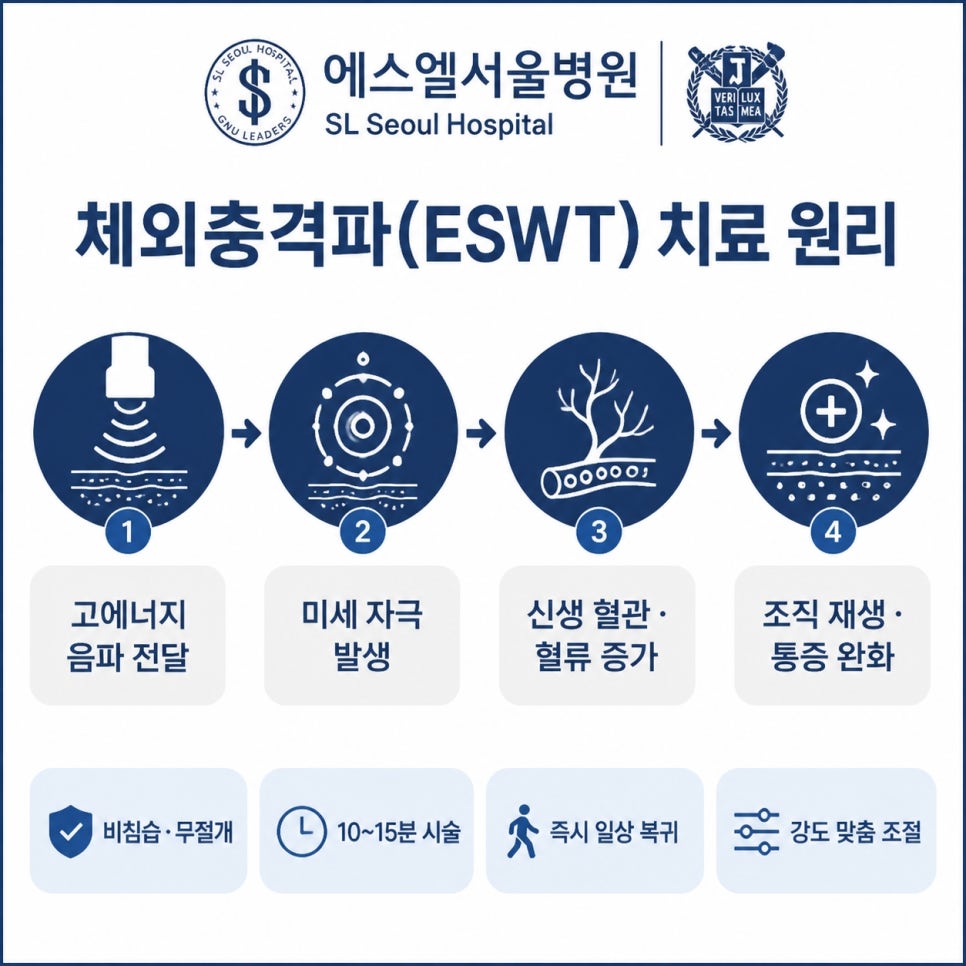
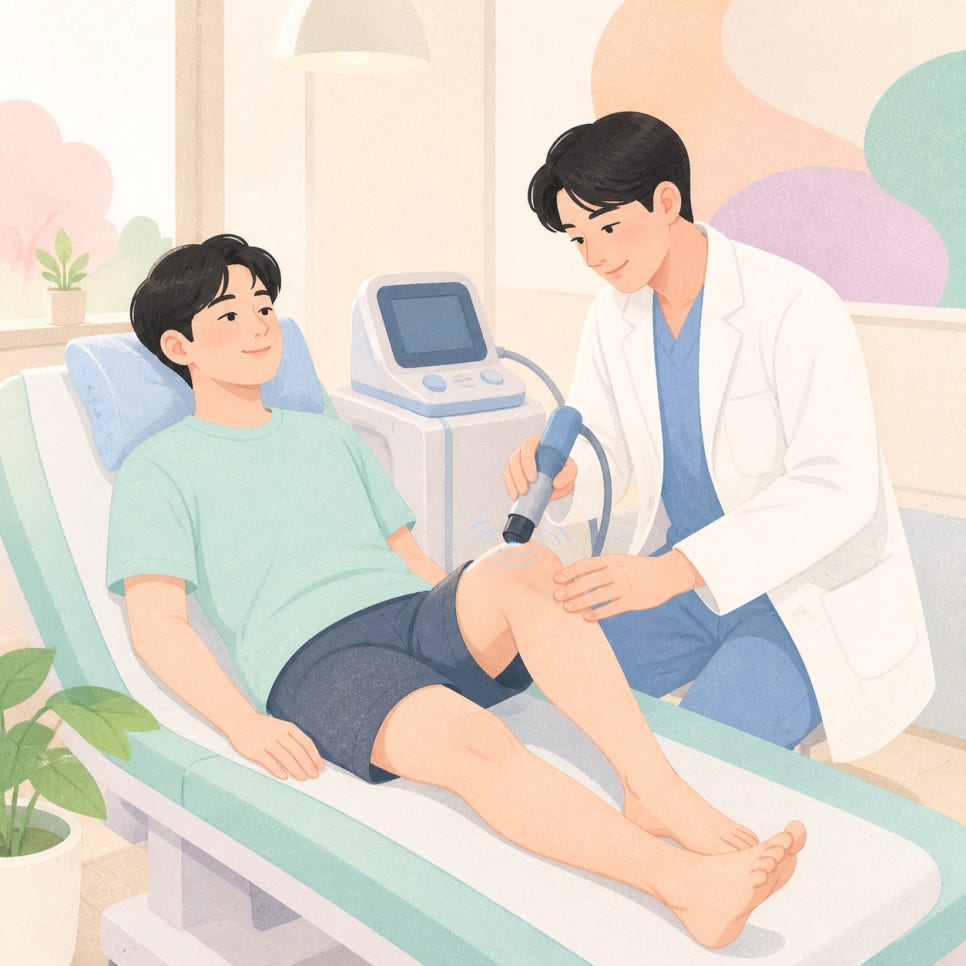
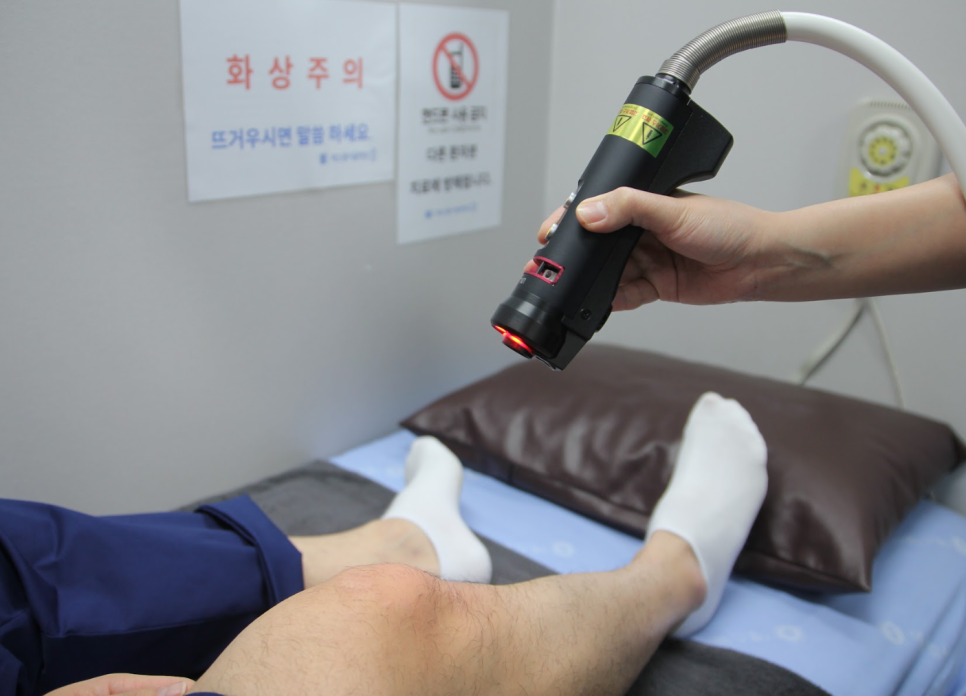
    Extracorporeal shock wave therapy (ESWT) is a non-surgical, conservative treatment that delivers high-energy sound waves to the affected area to help reactivate cells and improve blood flow.

    Because it’s a non-invasive method involving no incision or anesthesia, it places relatively little burden on the body.

    Knee shockwave therapy illustration 6

    A session typically takes only about 10 to 15 minutes,
    so even busy professionals can fit it into their schedule and return to normal activities right afterward.

    Because the depth of the affected tissue and each patient’s pain tolerance differ,
    it’s important for the shockwave intensity to be precisely adjusted on an individual basis.

    Key points
    ✔ A non-invasive treatment performed without incision or anesthesia
    ✔ A short procedure time, typically around 10 to 15 minutes
    ✔ Intensity can be adjusted based on tissue depth and pain tolerance

    Knee shockwave therapy illustration 7

    How shockwave therapy works
    High-energy sound waves are delivered to the affected area → this creates micro-stimulation → which is reported to promote new blood vessel formation and increase blood flow → helping support tissue regeneration and pain relief

    That said, shockwave therapy isn’t applied the same way to every area or every type of pain.

    According to a Nate News report, the body parts classified as eligible under the private supplemental insurance guidelines established in 2026 are listed below.

    Area Representative condition
    Shoulder Calcific tendinitis, rotator cuff tendinopathy
    Elbow Lateral epicondylitis, medial epicondylitis
    Hip Greater trochanteric pain syndrome
    Knee Patellar tendinitis
    Ankle Achilles tendinitis
    Foot Plantar fasciitis
    Spine Cervical/lumbar myofascial pain syndrome

    According to the same report, the guideline recommends up to 6 sessions per area and 12 sessions per year as the standard treatment frequency.

    It was also reported that a single session typically involves 2,000 or more shocks, administered in principle once a week — but it’s best to confirm the exact criteria with your treating medical institution.


    What Should You Check When Choosing a Yangju Orthopedic Clinic?

    Effectively improving knee pain takes more than just reducing the pain itself —
    it starts with a systematic diagnosis and a tailored management plan.

    Knee shockwave therapy illustration 8

    1. Thorough imaging evaluation — Even when symptoms look similar, the extent of internal joint damage varies from person to person, so check whether the clinic builds a tailored treatment plan based on an accurate diagnosis.
    2. Non-surgical, conservative treatment first — Look at whether the clinic combines shockwave therapy with other conservative options suited to your condition, such as medication or physical therapy.
    3. Follow-up care and lifestyle guidance — Proper knee stretching and posture correction after treatment are essential for preventing symptoms from coming back.

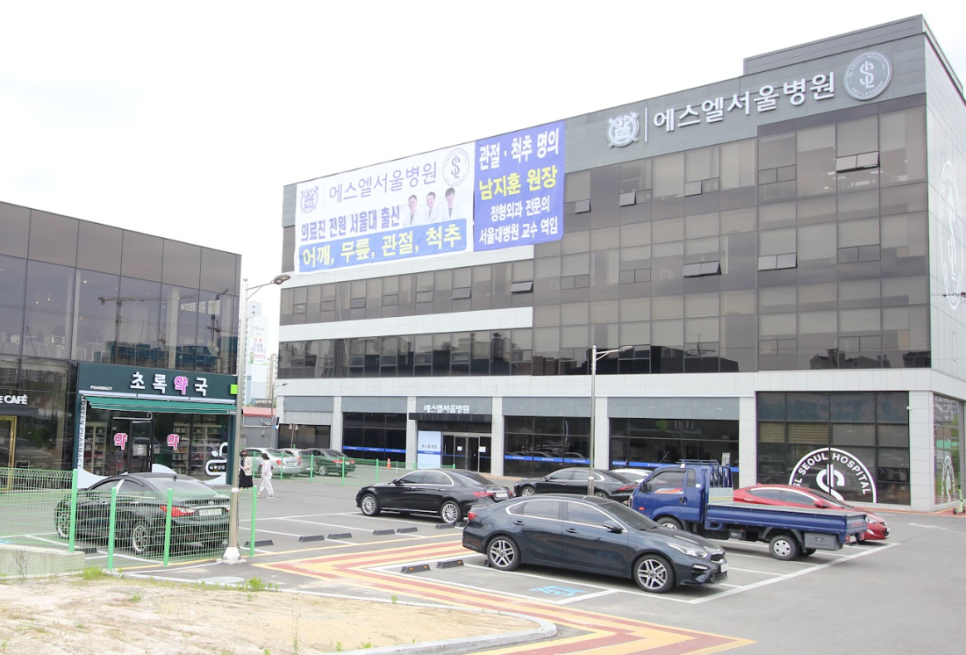
    If you’d like more detailed guidance on non-surgical treatment options, you can find more information on the SL Seoul Spine & Joint Hospital homepage.

    Knee shockwave therapy illustration 9

    Things to keep in mind
    After knee shockwave therapy, you may temporarily notice some stiffness or slightly increased soreness.
    This can be a normal part of the tissue-repair process, but if the pain continues, be sure to discuss it with your treating physician.

    Frequently Asked Questions

    1. Does knee shockwave therapy hurt a lot?
    Answer: Because the treatment stimulates the affected area directly, you may feel some mild soreness or discomfort. The intensity is adjusted to match each patient’s pain tolerance.

    2. How many sessions are needed, and how often?
    Answer: Treatment is generally given once or twice a week. Reports indicate that under the 2026 private supplemental insurance guidelines, up to 6 sessions per area and 12 sessions per year may be covered. It’s best to confirm the exact number of sessions and the latest coverage criteria with your medical provider.

    3. Can I return to daily activities right after the procedure?
    Answer: Because it’s a non-invasive treatment, you can typically go back to your normal routine immediately afterward. That said, it’s best to avoid intense exercise or excessive joint use on the day of the procedure.

    4. Are there cases where someone can’t receive shockwave therapy?
    Answer: Treatment may be limited for areas with severe acute inflammation or skin conditions, as well as for pregnant patients or those taking blood thinners, so a consultation beforehand is essential.

    5. Is the cost covered by supplemental insurance?
    Answer: Shockwave therapy is not covered by national health insurance and is billed as an out-of-pocket procedure. Reports indicate that under the 2026 guidelines, private supplemental insurance often only covers up to 6 sessions per area per year and 12 sessions total per year, so it’s worth checking your policy’s terms in advance.

    Knee shockwave therapy illustration 10

    Knee shockwave therapy illustration 11


    References

    · Korea Disease Control and Prevention Agency, “Osteoarthritis,” National Health Information Portal, 2026. Link
    · Newspim, “Degenerative Arthritis Patients Surpass 4 Million — Caution Advised as Winter Worsens Symptoms,” 2026. Link
    · Cheon Dong-il et al., “Recent Advances in Extracorporeal Shock Wave Therapy,” Journal of the Korean Orthopaedic Association, 2024. Link
    · Nate News, “Shockwave Therapy Recommended at Up to 6 Sessions per Area, 12 Sessions per Year — Exceeding the Limit Excludes Insurance Coverage,” 2026. Link

    This article is provided for general health information purposes only and is not a substitute for individual diagnosis or treatment. If you’re experiencing symptoms, please consult a medical professional.

  • Knee Pain Going Down Stairs: Why Cartilage Load May Reach 5x Body Weight

    Knee Pain Going Down Stairs: Why Cartilage Load May Reach 5x Body Weight

    SummaryThis orthopedic guide explains why knee pain going down stairs happens, the symptoms and causes of chondromalacia patella, plus lifestyle habits and quadriceps-strengthening exercises that help ease the load on your knee cartilage.

    Does the front of your knee ache only when you’re going down stairs, even though walking on flat ground feels perfectly fine?

    While everyone else strides down confidently, you’re gripping the handrail and stepping carefully, feeling a bit self-conscious about it.

    But this kind of symptom isn’t just ordinary muscle soreness — it could be a warning sign from your knee cartilage.

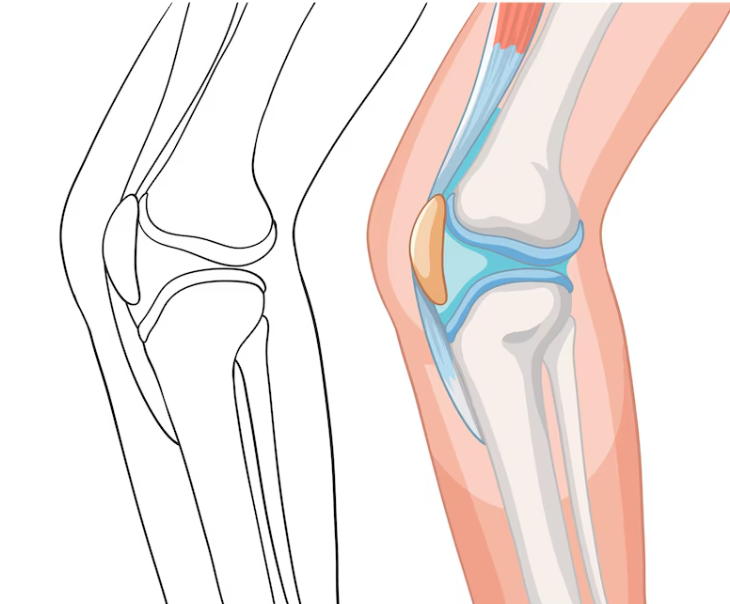
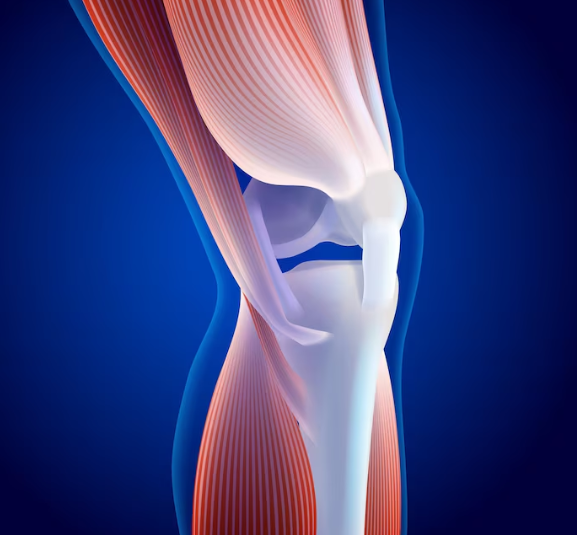
    knee pain going down stairs

    In most cases, this symptom isn’t simple muscle soreness — it can be a red flag from your knee cartilage.

    In orthopedics, this condition is known as chondromalacia patella.

    knee pain going down stairs illustration 2

    This article looks at why knee pain going down stairs becomes so much more intense, along with the underlying structural issue of chondromalacia patella.

    We’ve also covered lifestyle habits that reduce strain on the knee cartilage and answered frequently asked questions, so be sure to read through to the end.

    Why Does Knee Pain Get So Much Worse Going Down Stairs?

    That’s because going down stairs is estimated, according to sources such as Hidoc, to concentrate a load of roughly 3 to 5 times your body weight onto the kneecap and cartilage of a single leg.

    Knee pain when descending stairs refers to the pain caused by this sudden load concentrating on the kneecap and cartilage at the front of the knee.

    When walking on flat ground, the load is spread evenly across the feet and legs.

    But when descending stairs, the impact that needs to be absorbed concentrates on the knee cartilage and thigh muscles.

    If your lower body strength is lacking or your knee joint alignment is off, that impact isn’t absorbed properly, and the pain becomes even more noticeable.

    knee pain going down stairs illustration 3

    Key Point
    According to sources such as Hidoc, the load placed on the knee joint when going down stairs is estimated at about 3 to 5 times your normal body weight.
    Per the same source, a person weighing 60 kg (about 132 lb) could experience a momentary impact of nearly 180–300 kg (roughly 400–660 lb) on the knee.
    Movement Load on the Knee
    Walking on flat ground About 1–1.5x body weight
    Climbing stairs About 3x body weight
    Descending stairs About 3–5x body weight

    Figures above are estimates reported by sources such as Hidoc.


    What Is Chondromalacia Patella, the Condition Behind Cartilage Knee Pain?

    Chondromalacia patella refers to a condition in which the soft cartilage on the underside of the kneecap weakens or becomes damaged, causing pain.

    It’s commonly seen in young to middle-aged adults, particularly women.

    Friction that occurs when bending and straightening the knee produces a stiff sensation along with sharp, shooting pain.

    There’s a reason it shows up more often in women.

    Because women tend to have a wider pelvis, the thighbone angles inward more sharply than in men, which increases the outward pull the front thigh muscles exert on the kneecap.

    It typically starts as a dull ache, but if left unaddressed, the cartilage damage can spread and may eventually raise the risk of arthritis.

    knee pain going down stairs illustration 4

    Caution
    If you hear a popping sound in your knee when going down stairs, or feel stiffness at the front of the knee after standing up from prolonged sitting, this could signal cartilage damage and is worth monitoring closely.

    What Lifestyle Habits Help Protect Your Knee Cartilage?

    The first priority is reducing the friction and pressure placed on the knee joint.

    Protecting your knee cartilage means training the surrounding muscles to absorb impact on the cartilage’s behalf.

    Rather than simply enduring the discomfort when your knee feels achy, it’s worth adjusting your habits one at a time.

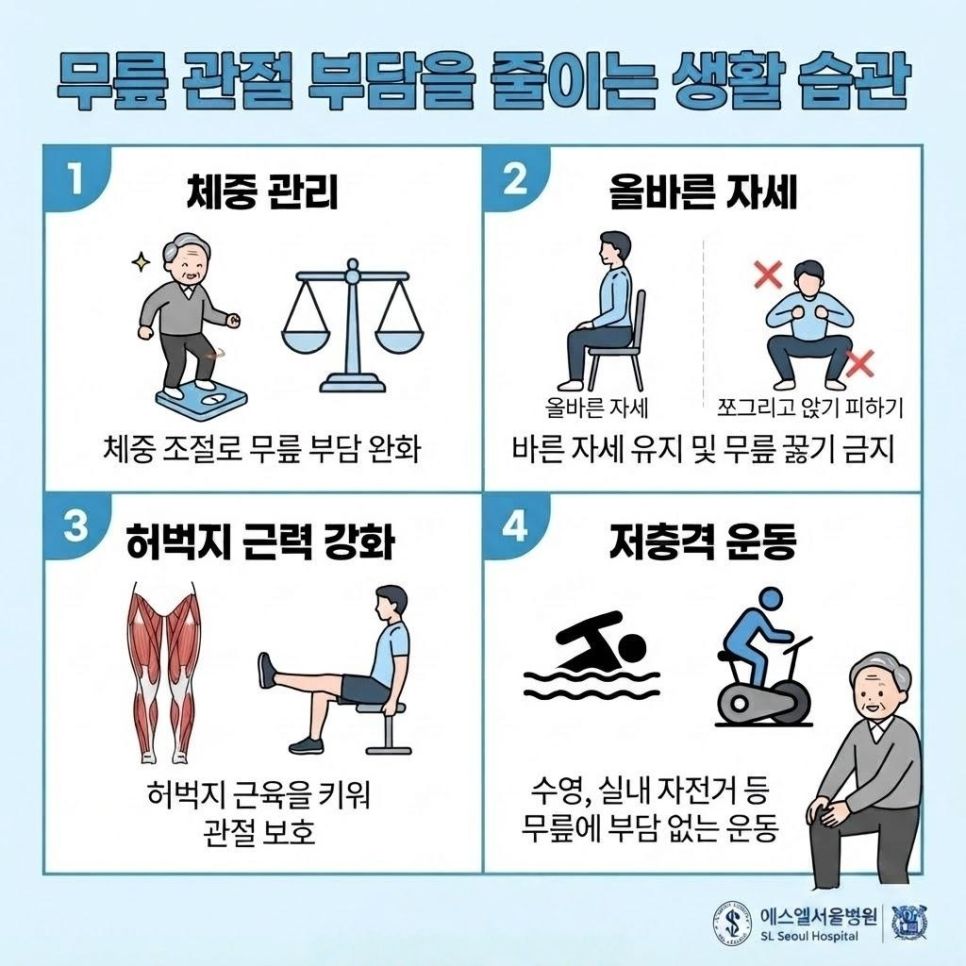
    Most importantly, strengthening the muscles around the knee — especially the quadriceps — helps those muscles absorb the impact that would otherwise hit the knee cartilage.

    knee pain going down stairs illustration 5

    Checklist
    ✅ Hold the handrail when going down stairs to distribute your body weight.
    ✅ Avoid high heels or flat shoes with little cushioning.
    ✅ Limit squatting or sitting cross-legged.
    ✅ Strengthen your quadriceps with flat-ground walking or stationary cycling.
    Takeaway
    Consistently strengthening your quadriceps and managing these habits may help ease the strain you feel on your knees when going down stairs.

    If it’s hard to manage on your own or the pain keeps recurring, seeing an orthopedic specialist is another option.

    You can find more information at the SL Seoul Hospital Spine & Joint Center homepage.


    Frequently Asked Questions

    1. My knee only hurts when going down stairs — is that okay?
    If the pain is concentrated during descent, it may signal that the cartilage behind the kneecap is being irritated, so it’s best to avoid strenuous exercise and monitor how it progresses.

    2. Is it okay to go hiking if I have knee cartilage pain?
    Because a large load hits the knee cartilage during the descent, it’s advisable to stick to flat-ground walks or stationary cycling instead of hiking while the pain persists.

    3. Should I use heat or ice to relieve the pain?
    Cold compresses are generally recommended for acute pain with swelling or warmth, while heat therapy is generally used for chronic, stiff discomfort by improving blood circulation.

    4. Is chondromalacia patella more common in women?
    Because of pelvic structure, women tend to have a larger Q-angle than men, which increases the pull on the kneecap — making this condition relatively common among younger and middle-aged women.

    knee pain going down stairs illustration 6


    References

    · Hidoc, “Pain in the Front of the Knee When Going Down Stairs May Signal Patellofemoral Syndrome, Not Simple Arthritis,” Hidoc. Link
    · Asan Medical Center, “Chondromalacia,” Asan Medical Center Disease Encyclopedia. Link
    · Seoul National University Hospital, “Chondromalacia of the Patella,” Seoul National University Hospital Medical Information. Link

    knee pain going down stairs illustration 7

    This article is intended for general health information purposes only and is not a substitute for individual diagnosis or treatment. If you’re experiencing symptoms, please consult a medical professional.

  • Elbow Pain Treatment: 3-Stage Care Guide for Tennis & Golfer’s Elbow

    Elbow Pain Treatment: 3-Stage Care Guide for Tennis & Golfer’s Elbow

    SummaryElbow pain that eases up isn’t necessarily fully healed. Here’s a full rundown of what causes tennis elbow and golfer’s elbow, how orthopedic doctors diagnose them, at-home elbow pain treatment stretches, and how to manage the recovery period.

    Ever felt fine after resting a few days,
    only to have the pain creep back?

    A marathon session of dishwashing,
    or hours spent at the computer,
    and suddenly your elbow starts throbbing — sound familiar?

    The truth is, when elbow pain eases up for a while,
    that doesn’t mean it’s fully resolved.

    Without proper care,
    the pain can return at any time.

    Elbow pain

    This article walks through why elbow pain keeps coming back,
    the difference between tennis elbow and golfer’s elbow,
    how orthopedic exams work, and at-home
    elbow pain treatment methods you can start today.

    Here’s why you shouldn’t let your guard down
    even after the pain fades.

    Why Does Elbow Pain Keep Coming Back?

    Elbow pain usually develops when repetitive arm movements cause tiny amounts of tendon damage to build up over time.
    It’s common not only among people who do a lot of dishwashing or cooking,
    but also office workers who spend long hours at a computer.

    The name depends on where the pain shows up.
    Pain on the outside of the elbow is called tennis elbow,
    while pain on the inside is called golfer’s elbow.

    Elbow pain image 2

    Tennis elbow involves tiny tears and inflammation in the wrist extensor tendon that attaches to the outer bony bump of the elbow (lateral epicondyle).
    The pain tends to worsen when you bend your wrist backward.

    Golfer’s elbow, on the other hand, involves degeneration of the tendon on the inside of the elbow,
    causing pain when you bend your wrist inward.

    Category Tennis Elbow (Lateral Epicondylitis) Golfer’s Elbow (Medial Epicondylitis)
    Pain location Outside of the elbow Inside of the elbow
    Movement that triggers pain Bending the wrist backward Bending the wrist inward
    Main cause Repeated use of wrist extensor muscles Repeated use of wrist flexor muscles
    Key Points
    ✔ Tennis elbow: pain on the outside of the elbow when bending the wrist back
    ✔ Golfer’s elbow: pain on the inside of the elbow when bending the wrist inward
    ✔ Both conditions stem from tendon damage caused by repetitive use
    Checklist
    ✅ The outside of your elbow hurts when you make a fist and bend your wrist back
    ✅ You struggle to grip when turning a doorknob or wringing out a towel
    ✅ Even lifting something light causes a sharp twinge in your elbow
    ✅ The pain eases after a few days of rest but returns once you use your arm again

    How Do Orthopedic Doctors Diagnose Elbow Pain?

    Orthopedic evaluation typically starts with a history and physical exam, then moves on to X-ray, ultrasound, and MRI as needed to pinpoint the cause.

    If symptoms last more than two weeks,
    it’s worth seeing an orthopedic specialist for an accurate assessment.

    The doctor will first take a history
    to understand the pattern and onset of your pain,
    then perform a physical exam to locate the affected area.

    Elbow pain image 3

    X-rays are routinely used to rule out fractures or degenerative bone changes.

    Elbow pain image 4

    To assess the extent of tendon or ligament damage in more detail, though,
    ultrasound or MRI is often used alongside X-ray.

    Ultrasound has the advantage of showing
    tendon tears and inflammation
    in real time.

    Elbow pain image 5

    Results and Care Direction
    Getting a thorough evaluation early can help prevent the condition from getting worse, and non-surgical treatment may help improve symptoms.

    What Elbow Pain Treatment Can You Do at Home?

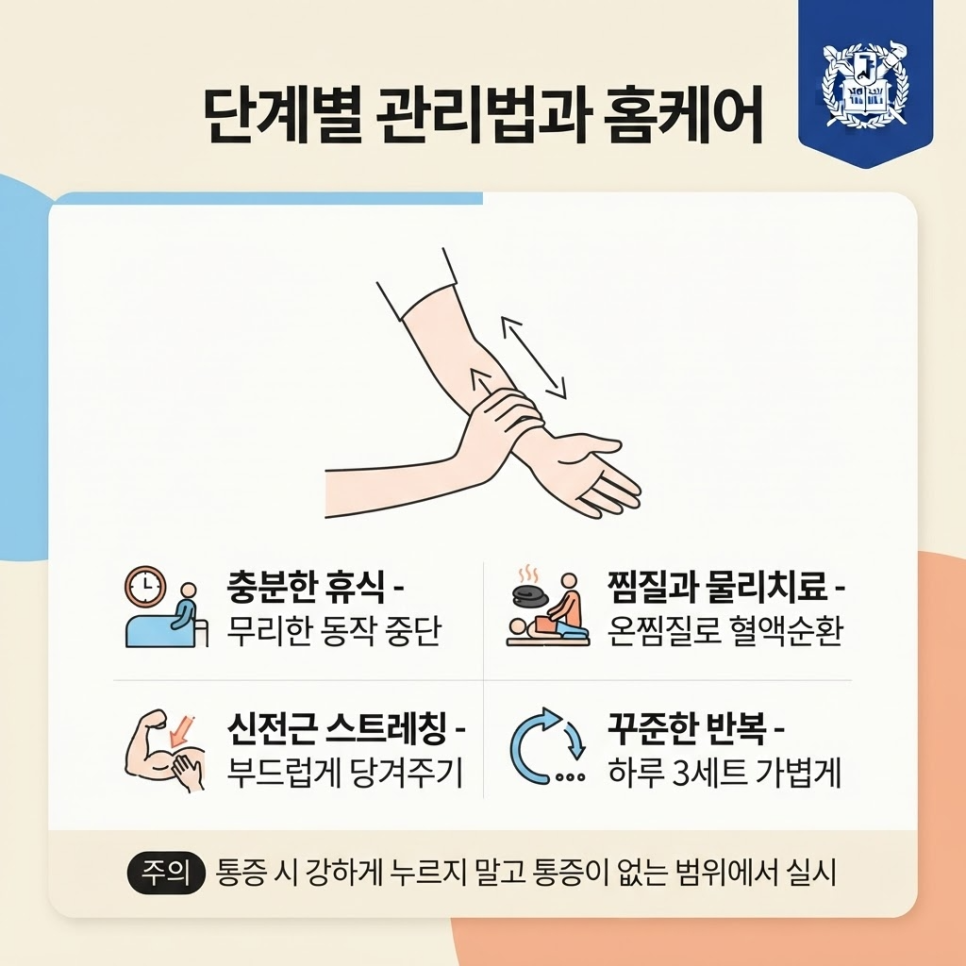
    In the early stage, rest and cold compresses come first; once the acute pain settles, heat therapy and stretching can gradually be added — that’s the basic framework of elbow pain treatment.

    When pain first starts,
    the elbow needs rest above all else.

    Stop movements that strain the joint,
    and pair this with compresses or physical therapy where helpful.

    In the early stage, when symptoms aren’t severe,
    consistent stretching can help.

    Elbow pain image 6

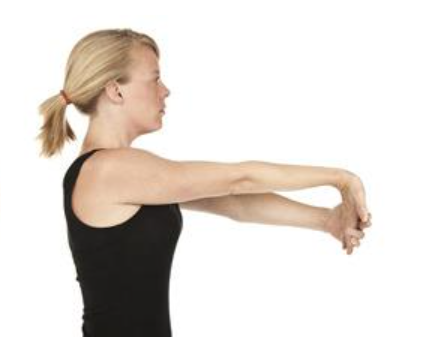
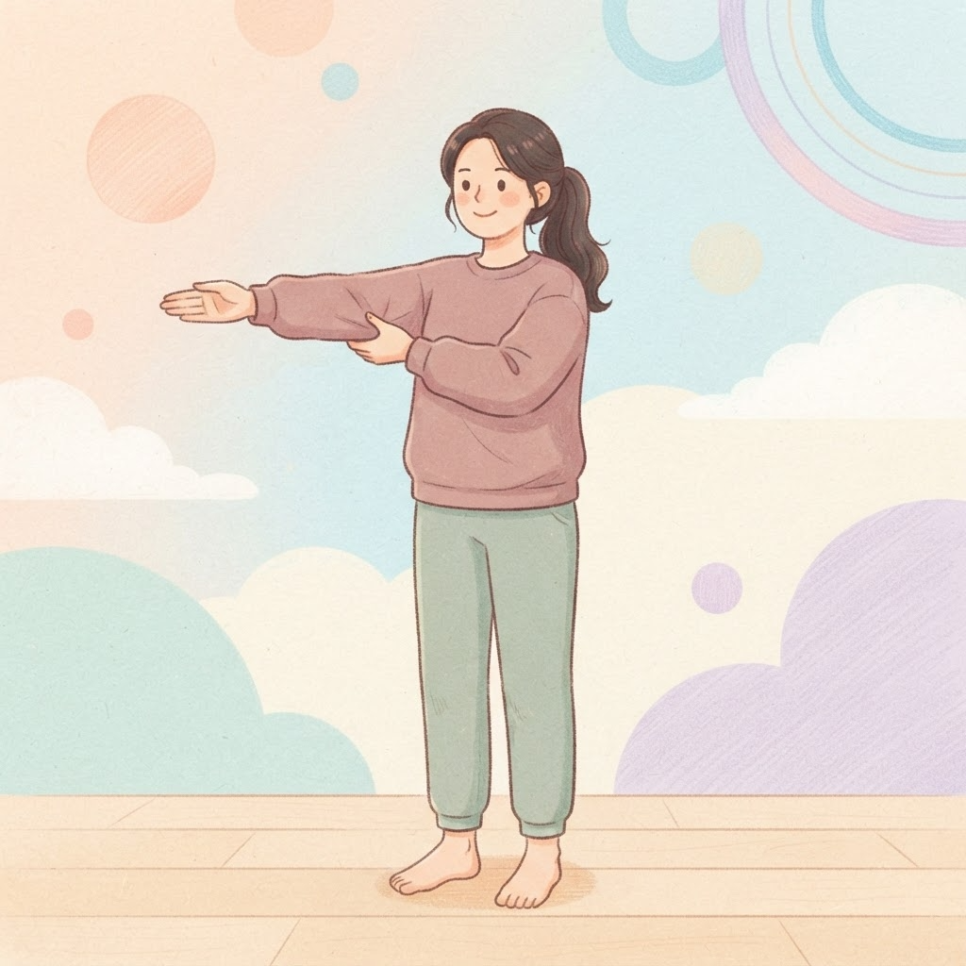
    How to Do a Wrist Extensor Stretch

    1. Extend your arm straight out in front of you with your palm facing down.
    2. With your other hand, grasp the back of your hand and gently pull the wrist downward.
    3. Hold for 15–30 seconds, feeling a stretch in the muscles around the elbow.
    4. Repeat 3 sets a day, every day, staying within a pain-free range.

    Elbow pain image 7

    This stretch may help relax tight muscles around the elbow.
    Rather than forcing it,
    pull gently and gradually.

    Stretching slowly and only within a pain-free range is safer,
    and doing it consistently may help sustain the benefits over time.

    Key Points
    ✔ During the most painful, acute phase, cold compresses and rest take priority over stretching
    ✔ Once the pain has eased, combine heat therapy with gentle stretching
    ✔ Aim for about 3 sets a day, staying within a pain-free range

    How Long Does Recovery Take, and How Do You Prevent Recurrence?

    Full recovery from elbow pain can take anywhere from several weeks to several months, and rushing back into activity too soon makes recurrence more likely.

    Elbow conditions can take
    longer to fully heal than most people expect.

    Depending on the individual,
    recovery generally takes several weeks to several months.

    If you push yourself to use your arm again too soon out of impatience,
    the pain is likely to come back.

    Elbow pain image 8

    Adjusting daily habits matters
    because it reduces the everyday strain placed on your arm.

    When lifting heavy objects,
    keep your palm facing up,
    and consider wearing an elbow brace for support.

    Remember that small changes in habit
    may support your recovery.

    Elbow pain image 9

    Caution
    Just because the pain is gone doesn’t mean it’s safe to jump straight into intense exercise or heavy housework. Loading the tendon again before it has fully healed can lead to chronic pain.

    If you’re unsure how to judge your own condition, or the pain keeps returning,
    it’s safest to consult a nearby orthopedic clinic.

    You can also check the SL Seoul Hospital homepage for information on appointments and care.

    If you’re considering an in-person visit,
    it may help to review the clinic’s location and visit information as well.

    Elbow pain image 10

    Elbow pain image 11


    Frequently Asked Questions

    1. Can elbow pain go away on its own?
    Mild pain in the early stage sometimes improves with rest alone. But if symptoms keep recurring, the condition can become chronic, so it’s worth paying attention.

    2. Is heat or cold therapy better?
    Cold compresses help when pain has just started or there’s noticeable warmth or swelling, while heat therapy can support blood flow when the area feels chronically stiff.

    3. Should I wear an elbow brace all day?
    It’s best worn only during daily activities or housework. Wearing it all day can actually weaken the surrounding muscles.

    4. Should I stretch even when it hurts?
    Avoid stretching during the most painful, acute phase. It’s safer to start with gentle stretching once the pain has eased somewhat.

    5. When should I see a doctor?
    If rest and self-care for more than two weeks don’t relieve the pain, or it gets worse, it’s a good idea to get a thorough evaluation at an orthopedic clinic.


    References

    · Korean Orthopaedic Association, “Tennis Elbow,” Orthopedic Health Information, Korean Orthopaedic Association. View source
    · St. Carollo Hospital, “Cold Compress vs. Heat Compress: When Should You Use Which?”, Health Information, St. Carollo Hospital. View source

    This article is for general health information purposes only and is not a substitute for individual diagnosis or treatment. If you have symptoms, please consult a medical professional.

  • Sharp Knee Pain: 2 Causes to Know Before Your Cartilage Wears Down

    Sharp Knee Pain: 2 Causes to Know Before Your Cartilage Wears Down

    SummaryHave you been brushing off that sharp knee pain as just a sign of getting older? Osteoarthritis and a meniscus tear show up in different places and in different ways. Here’s how to tell them apart, a self-check list, and everyday habits that may help ease the discomfort.

    Does the inside of your knee twinge every time you walk down the stairs?
    You’ve probably told yourself, “that’s just what happens as you get older,” and pushed through it again today.

    But while you’ve been pushing through it, your cartilage has been quietly wearing away.
    A joint is tissue that, once damaged, isn’t easy to restore.

    Before you brush off recurring sharp knee pain again,
    here’s how to tell the causes apart based on where it hurts and what it feels like.

    Sharp knee pain is a common early sign that stress has built up in the cartilage, ligaments, and muscles around the joint. The two main conditions behind knee pain — osteoarthritis and a meniscus tear — show up in different locations and in different ways. This article breaks down the difference between the two and shares everyday habits that may help prevent them.

    sharp knee pain

    Why Does Sharp Knee Pain Happen?

    Sharp knee pain usually starts as microscopic damage inside the joint.
    Sharp knee pain refers to the discomfort that appears when repeated weight-bearing causes stress to build up in the cartilage, ligaments, and muscles.

    It tends to flare up most during walking, when your full body weight is transferred straight through the knee.
    Because joint tissue doesn’t recover easily once it’s worn down, repeated poor posture or habits can raise pressure inside the joint and lead to inflammation.

    sharp knee pain illustration 2

    Carrying extra body weight or doing strenuous exercise puts noticeably more stress on the joint.
    If you’re frequently active, it’s worth checking your knee’s range of motion from time to time.

    Key Takeaways
    ✔ Sharp knee pain can be an early sign of damage to the cartilage, ligaments, or muscles.
    ✔ Pain tends to worsen during weight-bearing activities like climbing stairs or walking.

    sharp knee pain illustration 3


    How Do You Tell Osteoarthritis and a Meniscus Tear Apart?

    The two most common conditions behind knee pain are osteoarthritis and a meniscus tear, and each shows up differently.
    Osteoarthritis refers to a condition where the cartilage in the joint wears down with age, allowing bone to rub directly against bone.

    It tends to develop after age 50 and is typically marked by a dull, aching pain on the inside of the knee.
    In the early stages, rest tends to relieve it, but as it progresses even walking can become difficult.

    sharp knee pain illustration 4

    A meniscus tear refers to a rip or rupture of the cartilage structure that cushions impact inside the knee joint.
    It typically happens during sudden changes of direction or intense sports activity.

    If your knee swells, or you feel a catching sensation when bending or straightening it, a meniscus tear is worth ruling out.

    Category Osteoarthritis Meniscus Tear
    Typical age group 50 and older Any age, often during intense activity
    Pain location Dull ache on the inside of the knee Throughout the knee, with a catching feeling
    Main cause Gradual wear of the cartilage Sudden twisting or impact
    Other symptoms Stiffness, early relief with rest Swelling, limited bending/straightening
    Self-Check List
    ✅ You feel a sharp twinge on the inside of your knee going up or down stairs
    ✅ Your knee makes a popping sound when you stand up from sitting
    ✅ Your knee feels stiff and swollen when you wake up in the morning
    ✅ The pain is worse going downhill than on flat ground

    How Can You Care for Your Knees Every Day?

    Building muscle strength and maintaining a healthy weight are generally considered two key parts of joint care.
    Knee care means adopting habits that let your muscles share the load, reducing the pressure placed on the joint itself.

    That’s because strong muscles around the knee may help absorb some of the load the joint would otherwise carry on its own.

    sharp knee pain illustration 5

    1. Stick with low-impact aerobic exercise, such as walking or stationary cycling.
    2. Cut back on positions that raise pressure inside the knee, like squatting or sitting cross-legged.
    3. Get in the habit of sitting in a chair and keeping good posture.
    4. If pain lasts more than two weeks, see a specialist to find out the cause.

    If you’d like a precise diagnosis, you can also check the joint clinic information on the SL Seoul Hospital (Spine & Joint) homepage.

    Why It Helps
    Building the right habits early on may help support long-term joint health and keep you moving comfortably.

    sharp knee pain illustration 6

    A Note of Caution
    If pain lasts more than two weeks despite rest, or your knee won’t fully straighten, don’t ignore it — get a thorough evaluation.

    Frequently Asked Questions

    1. Can I still exercise if it hurts?
    If you’re in an acute flare-up, rest first. That said, light strength training within a pain-free range can support joint health.

    2. Should I use heat or ice?
    If your knee suddenly swells and feels warm, cold therapy is more appropriate. For chronic, ongoing stiffness, heat therapy to improve circulation tends to help more.

    3. When should I see a doctor?
    If pain lasts more than two weeks despite rest, or your knee won’t fully straighten and it’s affecting daily life, a thorough evaluation is recommended.

    4. What happens if a meniscus tear is left untreated?
    The tear can grow larger or lead to further cartilage damage, so if swelling or a catching feeling continues, it’s best to see a doctor early.


    References

    · Asan Medical Center, “Arthritis,” Disease Encyclopedia, Asan Medical Center Health Information. View source
    · Korea Disease Control and Prevention Agency, “Meniscus Tear,” National Health Information Portal. View source
    · Asan Medical Center, “Tear of Meniscus,” Disease Encyclopedia, Asan Medical Center Health Information. View source


    This article is intended for general health information purposes only and is not a substitute for individual diagnosis or treatment. If you’re experiencing symptoms, please consult a physician.

  • Knee Pain Causes: 3 Reasons Your Knee Hurts Going Down Stairs

    Knee Pain Causes: 3 Reasons Your Knee Hurts Going Down Stairs

    SummaryIf your knee aches when going down stairs, it may not be simple muscle soreness but a sign of cartilage damage. This article covers two common knee pain causes — osteoarthritis and chondromalacia patellae — along with stage-by-stage symptoms and everyday habits that can help.

    Does the front of your knee sting every time you go down the stairs?

    Most people brush it off as ordinary muscle soreness, but if left unaddressed, the discomfort can develop into throbbing pain that flares up at night.

    Failing to identify the knee pain causes in time can allow cartilage damage to progress quietly, so it’s worth paying attention early.

    knee pain causes

    Key Point
    This article breaks down the difference between osteoarthritis and chondromalacia patellae, two common knee pain causes.
    We’ll also look at symptoms by cartilage damage stage and everyday habits that can help ease the load on your knee joints.

    What Causes Knee Pain When Going Down Stairs?

    The reason pain concentrates in the front of the knee when going down stairs is that the joint bears far more weight-bearing load than when climbing up.

    Most knee pain causes come down to cartilage thinning out until bone starts rubbing against bone.

    The knee joint absorbs several times your body weight every single day.
    Because cartilage has no nerve cells, you barely feel anything during the early stages of wear.

    But once enough time passes and the cartilage thins to the point where bones make direct contact, the pain finally becomes noticeable.

    knee pain causes - related image 2

    The causes of knee pain can be grouped below according to which part of the joint is affected.

    Cause Description
    Osteoarthritis A condition in which cartilage gradually wears down due to aging or overuse
    Chondromalacia patellae A condition in which the cartilage behind the kneecap loses firmness and weakens
    Meniscus tear Damage to the cushioning structure inside the knee that absorbs shock

    knee pain causes - related image 3

    Because joints have a limited capacity to heal on their own once damaged, early management is key.
    If you feel pain, it’s safer to stop strenuous exercise right away and rest sufficiently.


    How Are Osteoarthritis and Chondromalacia Patellae Different?

    The two conditions differ in where the cartilage damage occurs and how quickly it progresses.

    Osteoarthritis is a condition in which the cartilage that protects the joint wears away due to aging or repeated stress.
    Chondromalacia patellae, on the other hand, can appear even in relatively younger people and begins when the cartilage behind the kneecap softens.

    According to Korea’s Disease Control and Prevention Agency, the prevalence of osteoarthritis among Korean adults aged 50 and older is around 12.5%, with women affected roughly 3.7 times more often than men.
    Middle-aged and older adults — women in particular — should pay extra attention to joint care.

    Key Point
    Cartilage is a tissue that does not regenerate on its own once it wears down.
    So even if the pain feels mild, if it keeps recurring, it’s best to have it checked early.

    What Stages Does Knee Cartilage Damage Go Through?

    Joint damage stages are a diagnostic framework based on the degree of cartilage wear.
    As the stage progresses, both the situations that trigger symptoms and their intensity change.

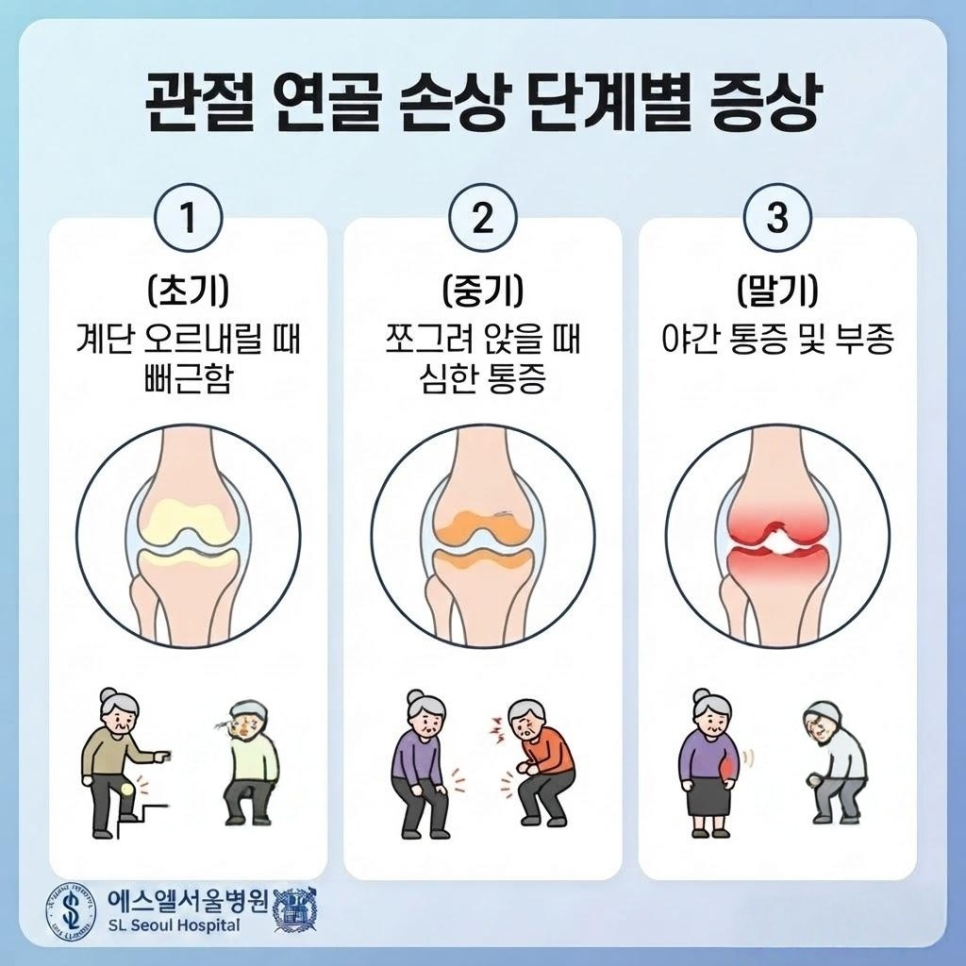
    1. Early stage — Walking on flat ground causes little discomfort, but stiffness appears when climbing or descending stairs.
    2. Moderate stage — Pain becomes noticeable when sitting cross-legged or squatting.
    3. Advanced stage — The joint aches and swells not only while walking but also at night during sleep.

    knee pain causes - related image 4

    knee pain causes - related image 5

    It is generally recommended to pair each stage with appropriate non-surgical, conservative care.

    Checklist
    ✅ The front of your knee feels stiff when using stairs
    ✅ You hear a sound along with pain when moving the joint
    ✅ Sitting cross-legged or squatting is uncomfortable
    ✅ Walking on flat ground is difficult, or you feel pain at night
    If two or more apply, it may be a sign that your knee is under excessive strain.

    What Lifestyle Habits Help Reduce Strain on the Knee Joint?

    Strengthening the thigh muscles and adopting habits that distribute body weight more evenly can help protect the joints.

    It’s estimated that for every 1 kg (about 2.2 lb) of body weight gained, the load on the knee joint increases by roughly 3 to 5 kg.
    Simply maintaining a healthy body weight can help reduce common knee pain causes.

    knee pain causes - related image 6

    Habits like squatting to do housework or sitting cross-legged sharply increase pressure on the joint.
    If possible, consider switching to a chair-based routine instead.

    Things to Keep in Mind
    · Avoid deep squatting positions that bend the knee more than 120 degrees
    · Refrain from strenuous hiking or repeated stair climbing while in pain
    · If pain lasts more than 2 weeks, prioritize seeing a doctor over self-care

    knee pain causes - related image 7

    Try to consistently do exercises like stationary cycling or walking on flat ground to strengthen the quadriceps (front thigh muscles).
    Stronger thigh muscles can help absorb some of the impact that would otherwise land directly on the joint.

    Bottom Line
    Combining consistent lower-body strength training with weight management may help reduce the load placed on your joints.
    However, if pain is already present, don’t rely on self-care alone — it’s recommended to also see an orthopedic specialist.

    If symptoms keep recurring, you can also check the SL Seoul Hospital Spine & Joint Center homepage for information on care options.


    Frequently Asked Questions

    1. If my knee makes noise but doesn’t hurt, do I still need treatment?
    Sound without pain is often just a natural result of friction. However, if pain or swelling is also present, it could indicate cartilage damage, so it’s worth getting checked.

    2. Is heat or ice better for knee pain?
    Ice is more suitable for sudden injuries or swelling accompanied by warmth. For dull, chronic pain, heat therapy that promotes blood circulation tends to work better.

    3. What exercises help prevent arthritis?
    Low-impact activities that put less weight on the knee — such as swimming, water walking, stationary cycling, and slow walking on flat ground — are commonly recommended.

    4. Do I always need to see a doctor for knee pain?
    If pain persists for more than 2 weeks despite rest, or if it’s accompanied by pain at night, it’s safer to get a thorough evaluation from an orthopedic specialist.

    knee pain causes - related image 8

    knee pain causes - related image 9


    References

    · Korea Disease Control and Prevention Agency, “Osteoarthritis,” National Health Information Portal. View source
    · Korea Disease Control and Prevention Agency, “Prevalence of Osteoarthritis Among Korean Adults Aged 50 and Older (2010-2013),” Weekly Health and Disease.View source
    · Hyundai Health Newspaper, “Obesity and Arthritis… Every 1kg of Weight Gain Adds 3-5kg of Knee Load,” 2023.View source
    · Ministry of Health and Welfare, Bokjiro, “Sore Knees in Summer and Monsoon Season… Ice or Heat?”.View source

    knee pain causes - related image 10

    knee pain causes - related image 11

    knee pain causes - related image 12

    This article does not promote any specific procedure and is intended to provide general health information only.
    It cannot replace individual diagnosis or treatment, so please consult a qualified physician if you are experiencing symptoms.

  • Carpal Tunnel Syndrome Self-Test: 5 Signs to Watch For

    Carpal Tunnel Syndrome Self-Test: 5 Signs to Watch For

    SummaryCarpal tunnel syndrome occurs when the carpal tunnel narrows and compresses the median nerve, causing pain and numbness. This guide covers a carpal tunnel syndrome self-test checklist, diagnostic methods like Tinel’s sign and Phalen’s test, treatment timing, and when to see an orthopedic doctor. It also looks at the common causes of wrist numbness.

    Many people worry that wrist numbness will eventually lead to surgery,
    and that fear alone keeps them from seeing a doctor.

    In reality, though, it’s often the opposite.
    In the early or moderate stages, medication and physical therapy alone are often enough to bring improvement.

    Ignoring carpal tunnel syndrome is actually the far riskier choice.

    This article covers the causes of carpal tunnel syndrome, a carpal tunnel syndrome self-test checklist, the exams performed at an orthopedic clinic, and stretches you can do at home to protect your wrists.
    Let’s look at what signs suggest it’s time to see a doctor when wrist numbness lingers.

    Carpal Tunnel Syndrome Self-Test Basics: What Exactly Is This Condition?

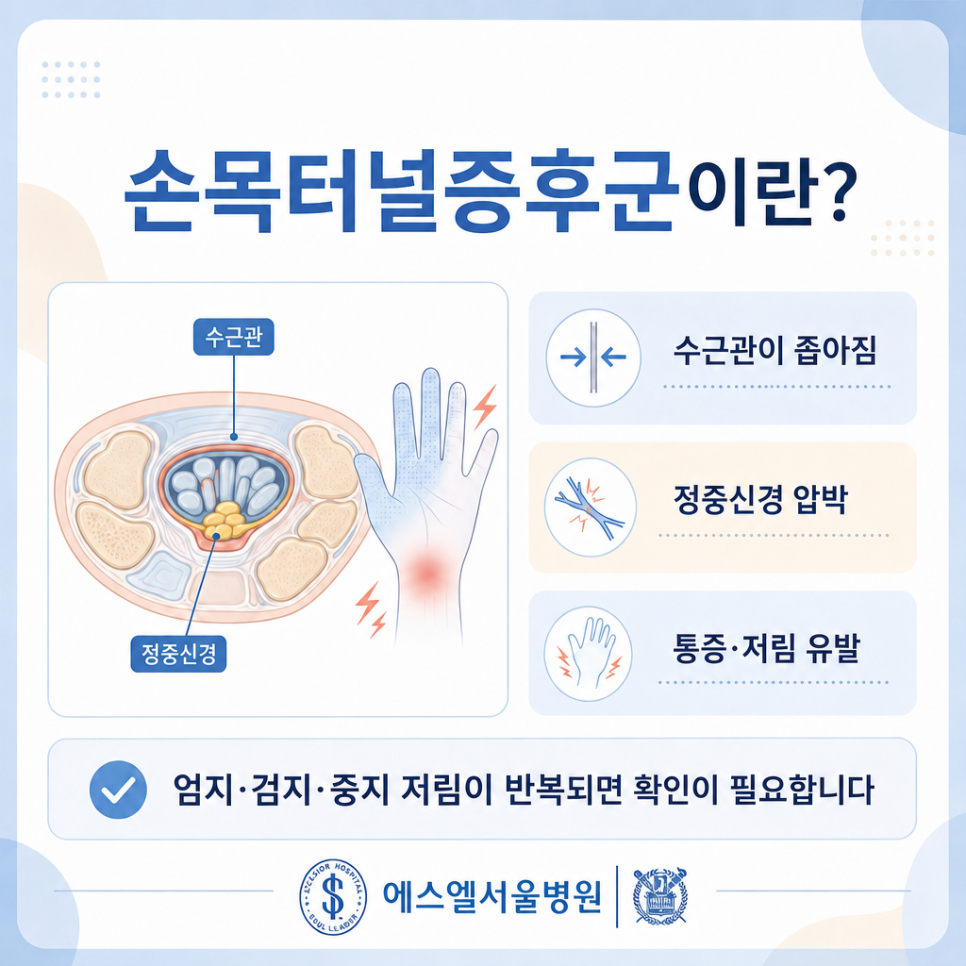
    Carpal tunnel syndrome is a condition in which the carpal tunnel, a narrow passage on the inside of the wrist, becomes compressed and puts pressure on the median nerve, causing pain and numbness.
    It’s also commonly referred to as median nerve compression, and a simple carpal tunnel syndrome self-test can help you spot it early.

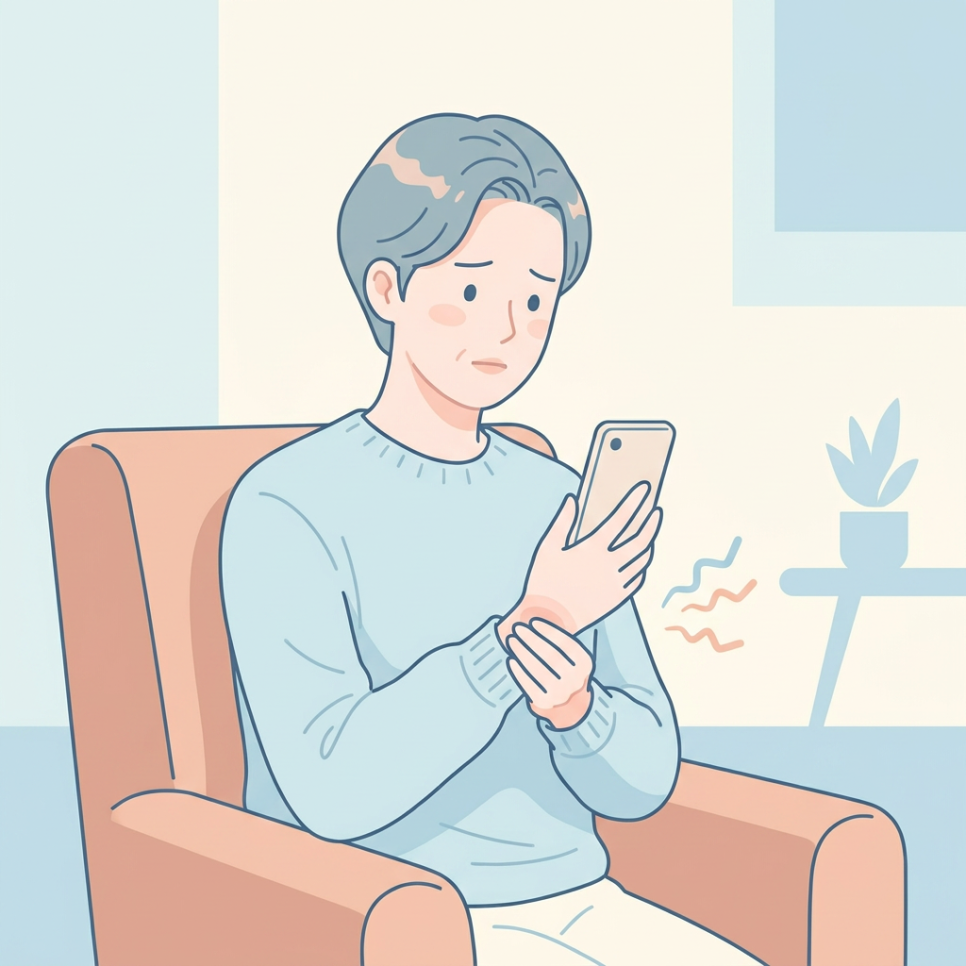
    Carpal tunnel syndrome self-test illustration

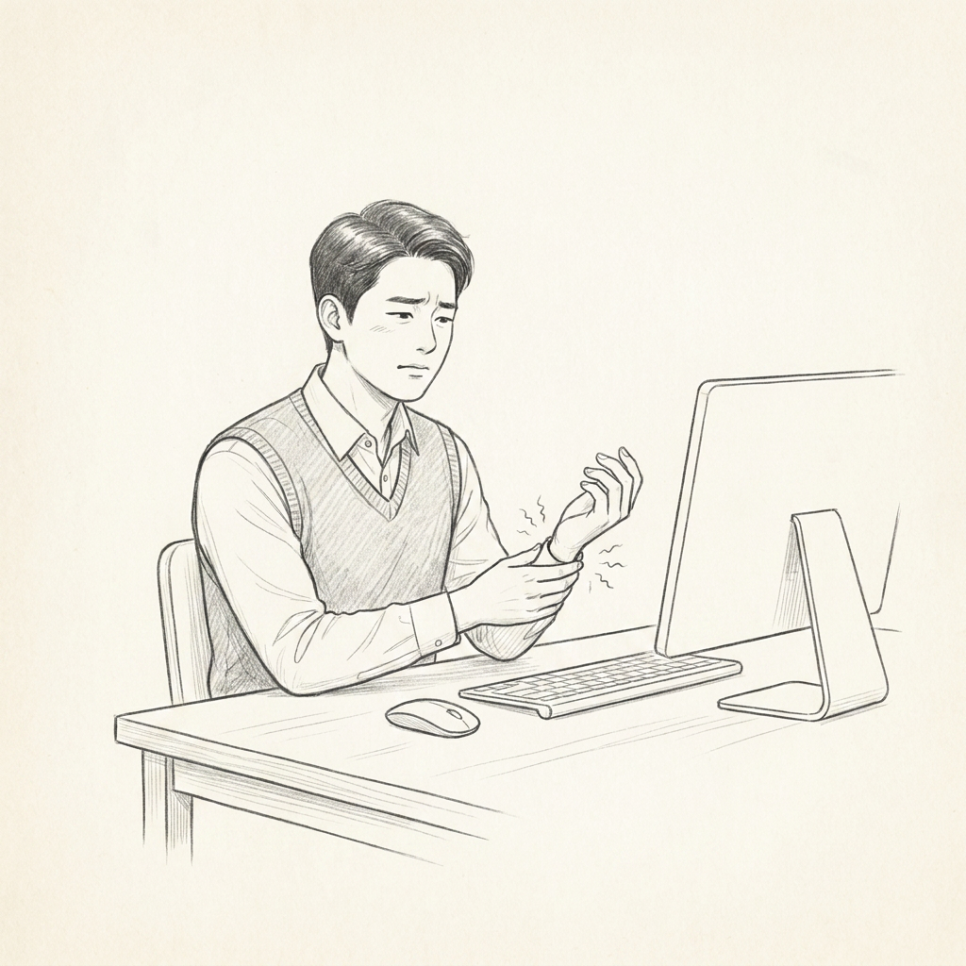
    With how often we use computer keyboards and smartphones these days, this is a genuinely common symptom.

    Brushing off a tingling fingertip as nothing serious can end up making the treatment period longer instead of shorter.

    If it’s dismissed as ordinary fatigue and left alone, the nerve can stay compressed long enough for sensation to become dulled.
    If your job involves repetitive wrist movements, it’s worth paying a little extra attention.

    Carpal tunnel syndrome related image 2

    The Areas the Median Nerve Controls

    Key Point
    The median nerve controls sensation in the thumb, index finger, middle finger, and half of the ring finger.
    If tingling is especially noticeable in these areas, it may be worth considering whether the carpal tunnel is compressed.

    How Do You Do a Carpal Tunnel Syndrome Self-Test? 5 Early Symptoms to Check

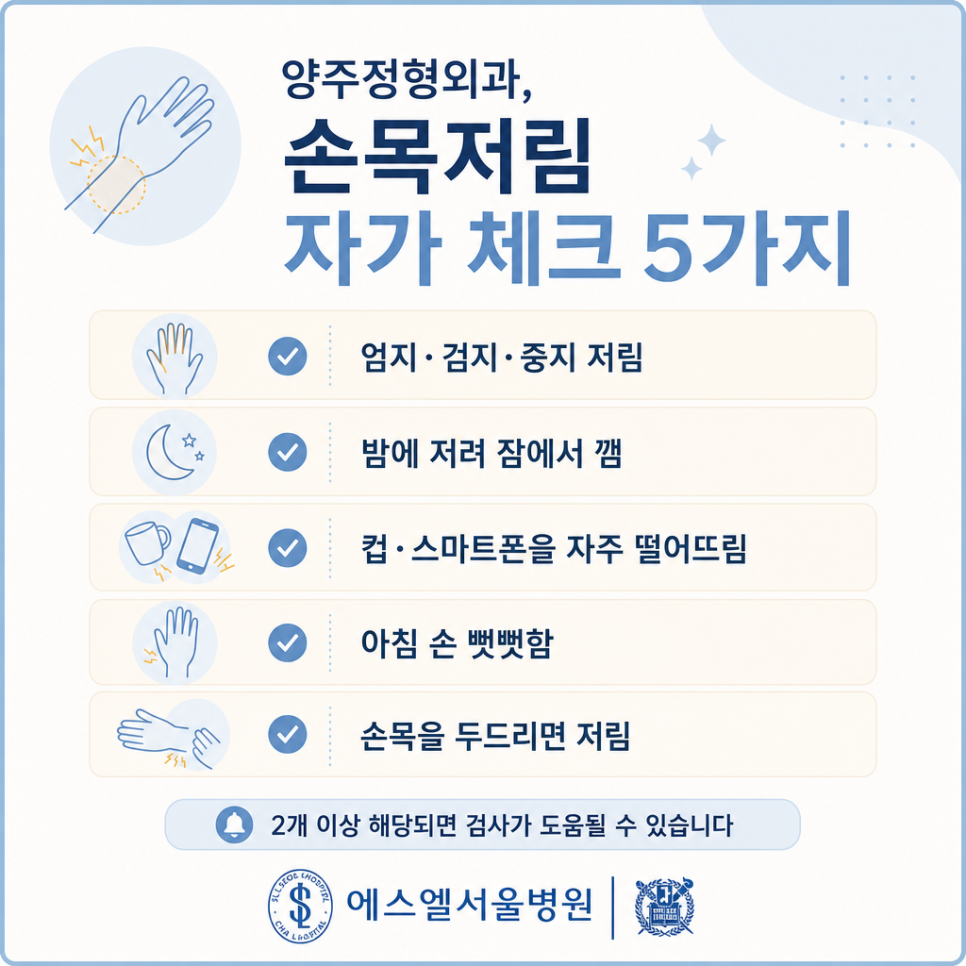
    If two or more of the five items in this carpal tunnel syndrome self-test apply to you, it’s a good idea to get examined.
    Go through them one by one below.

    Carpal tunnel syndrome related image 3

    Carpal Tunnel Syndrome Self-Test Checklist
    ✅ The tips of your thumb, index, and middle fingers feel tingly or numb
    ✅ You often wake up at night because your hand feels numb
    ✅ You’ve dropped a cup or your phone without meaning to
    ✅ Your hand feels stiff in the morning
    ✅ Tapping the inside of your wrist sends a tingling feeling outward

    Carpal tunnel syndrome related image 4

    Why a Carpal Tunnel Syndrome Self-Test Matters: Common Contributing Habits

    Overusing the wrist with repetitive motion, housework, and long hours on a smartphone are among the most common causes.

    It tends to show up especially often in jobs that involve working with the wrist bent for long stretches.
    Women, as well as people with diabetes or thyroid conditions, may also be relatively more prone to it.

    Carpal tunnel syndrome related image 5

    Caution
    The longer symptoms go untreated, the greater the risk of thumb muscle atrophy and permanent nerve damage.
    If numbness keeps recurring, it’s best not to put off getting checked.

    After a Carpal Tunnel Syndrome Self-Test: How Are Orthopedic Exams and Treatment Carried Out?

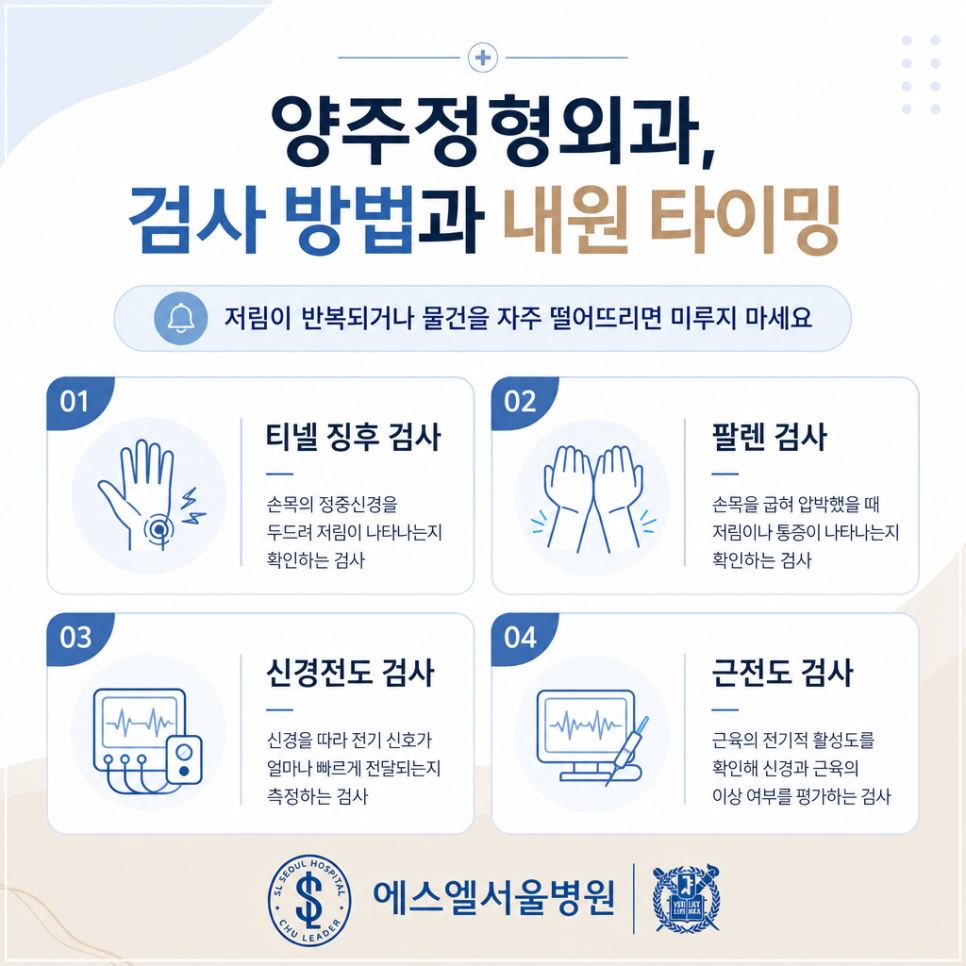
    If symptoms keep coming back, it’s a good idea not to just tough it out, especially when a carpal tunnel syndrome self-test raises concern, and instead get a thorough exam at an orthopedic clinic.
    Depending on your symptoms and condition, the exams below are typically carried out step by step.

    Carpal tunnel syndrome related image 6

    Test Method Purpose
    Tinel’s Sign Test Gently tapping the inside of the wrist Checks for a median nerve stimulation response
    Phalen’s Test Holding the wrist bent for about one minute Checks whether numbness is triggered
    Nerve Conduction / EMG Study Measuring the nerve’s response to electrical stimulation Evaluates the degree of nerve damage in detail
    Key Point
    When caught early, non-surgical options such as medication, physical therapy, or injection therapy are often enough to bring improvement.
    Checking the extent of nerve damage through testing comes first.

    Carpal tunnel syndrome related image 7

    If you’d like more information on diagnosis and treatment options, you can find details on the clinic page at SL Seoul Spine & Joint Hospital.


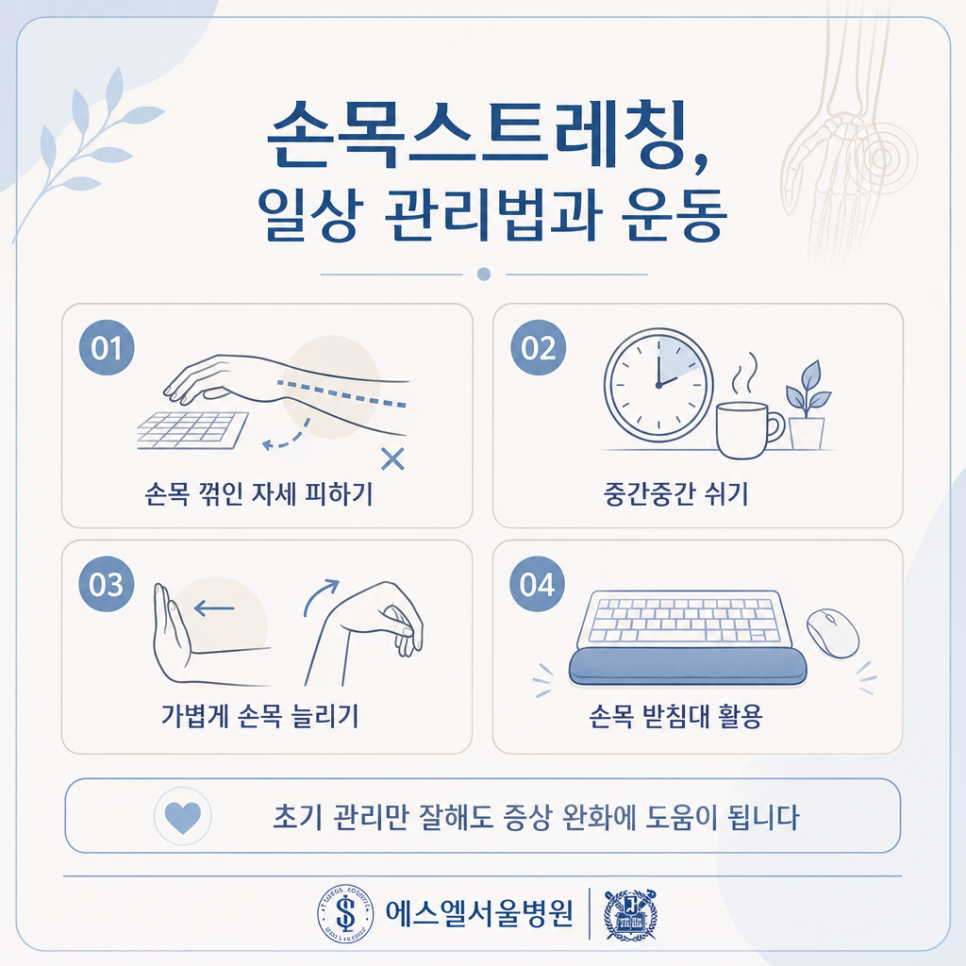
    How Can You Protect Your Wrists in Daily Life?

    Simply keeping up good daily habits can help ease symptoms.
    The key is reducing the strain placed on your wrists.

    When using a mouse or keyboard, use a wrist rest to keep your wrist from bending, and check your monitor height and chair position as well.

    Carpal tunnel syndrome related image 8

    4-Step Wrist Stretch

    1. Extend your arm straight out in front of you.
    2. Bend your wrist so your fingertips point toward the floor.
    3. With your other hand, gently pull the back of your hand and hold for about 15 seconds.
    4. Repeat 3 to 5 times on each wrist.
    Result
    Consistent stretching can help lower pressure inside the carpal tunnel and loosen tight ligaments and muscles.

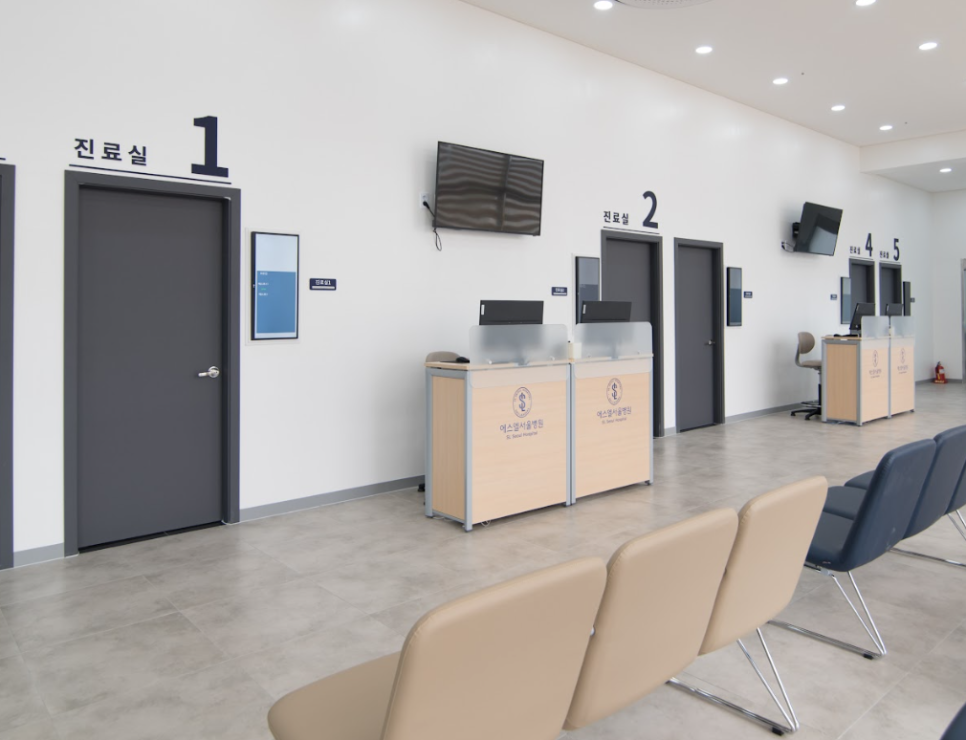
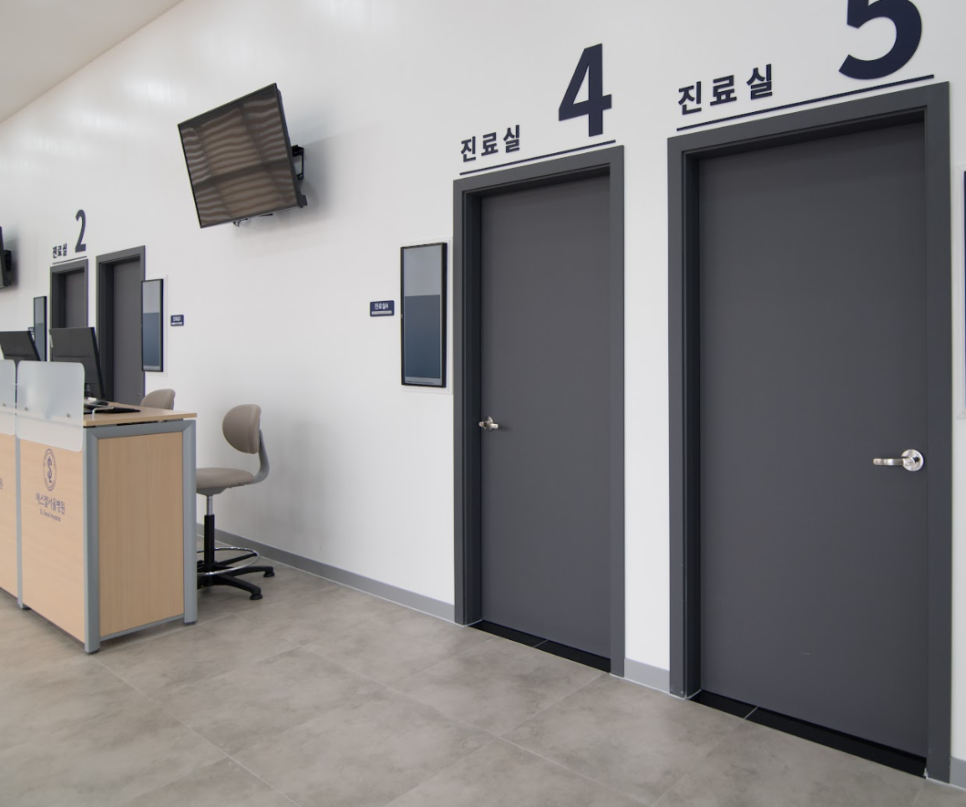
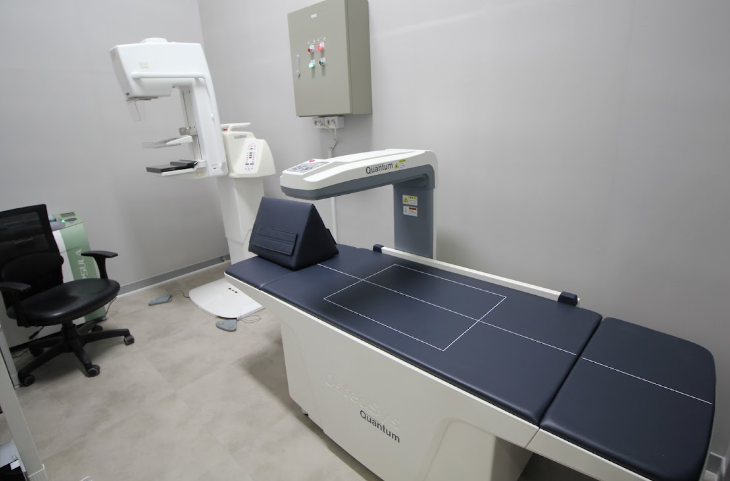
    For anyone curious about the treatment environment, here are a few photos of the clinic space.

    Carpal tunnel syndrome related image 9

    Carpal tunnel syndrome related image 10

    Carpal tunnel syndrome related image 11

    Carpal tunnel syndrome related image 12

    Carpal tunnel syndrome related image 13

    Carpal tunnel syndrome related image 14


    Frequently Asked Questions About the Carpal Tunnel Syndrome Self-Test

    1. Does wrist numbness always mean I’ll need surgery?
    Not necessarily. In the early or moderate stages, non-surgical options like physical therapy or injection therapy can often bring enough improvement.
    2. Does applying heat at home help?
    Heat can help with everyday stiffness, while a cold compress may help more when pain and swelling are severe.

    3. What should I watch out for to help prevent it?
    Avoid working with your wrist bent for long stretches, use a wrist rest when using a mouse or keyboard, and repeat a carpal tunnel syndrome self-test regularly to catch changes early.

    4. How long does recovery take?
    It varies from person to person, but consistent management often leads to improvement over time.

    5. Can carpal tunnel syndrome come back?
    If repetitive strain on the wrist continues, it can recur, which is why managing your posture and habits going forward matters.

    Carpal tunnel syndrome related image 15

    Carpal tunnel syndrome related image 16

    Carpal tunnel syndrome related image 17

    Carpal tunnel syndrome related image 18


    References

    · Korea Disease Control and Prevention Agency, “Carpal Tunnel Syndrome,” National Health Information Portal. View source
    · Asan Medical Center, “Carpal Tunnel Syndrome,” Disease Encyclopedia. View source

    This article is intended for general health information purposes only and is not a substitute for individual diagnosis or treatment. If you have symptoms, please consult a physician.