Does the inside of your knee twinge every time you walk down the stairs?
You’ve probably told yourself, “that’s just what happens as you get older,” and pushed through it again today.
But while you’ve been pushing through it, your cartilage has been quietly wearing away.
A joint is tissue that, once damaged, isn’t easy to restore.
Before you brush off recurring sharp knee pain again,
here’s how to tell the causes apart based on where it hurts and what it feels like.
Sharp knee pain is a common early sign that stress has built up in the cartilage, ligaments, and muscles around the joint. The two main conditions behind knee pain — osteoarthritis and a meniscus tear — show up in different locations and in different ways. This article breaks down the difference between the two and shares everyday habits that may help prevent them.
Why Does Sharp Knee Pain Happen?
Sharp knee pain usually starts as microscopic damage inside the joint.
Sharp knee pain refers to the discomfort that appears when repeated weight-bearing causes stress to build up in the cartilage, ligaments, and muscles.
It tends to flare up most during walking, when your full body weight is transferred straight through the knee.
Because joint tissue doesn’t recover easily once it’s worn down, repeated poor posture or habits can raise pressure inside the joint and lead to inflammation.
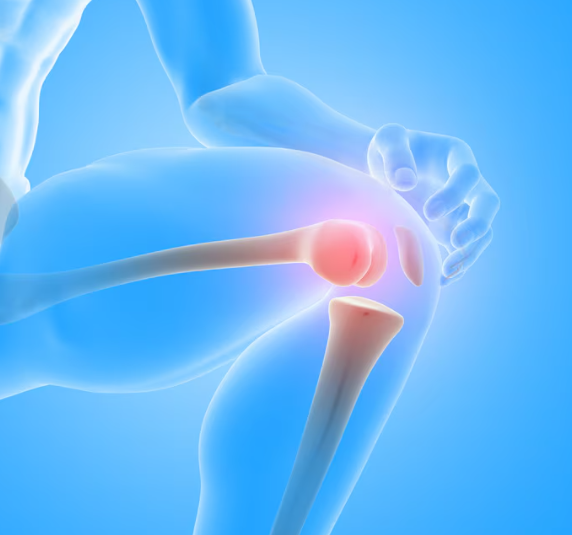
Carrying extra body weight or doing strenuous exercise puts noticeably more stress on the joint.
If you’re frequently active, it’s worth checking your knee’s range of motion from time to time.
✔ Sharp knee pain can be an early sign of damage to the cartilage, ligaments, or muscles.
✔ Pain tends to worsen during weight-bearing activities like climbing stairs or walking.

How Do You Tell Osteoarthritis and a Meniscus Tear Apart?
The two most common conditions behind knee pain are osteoarthritis and a meniscus tear, and each shows up differently.
Osteoarthritis refers to a condition where the cartilage in the joint wears down with age, allowing bone to rub directly against bone.
It tends to develop after age 50 and is typically marked by a dull, aching pain on the inside of the knee.
In the early stages, rest tends to relieve it, but as it progresses even walking can become difficult.
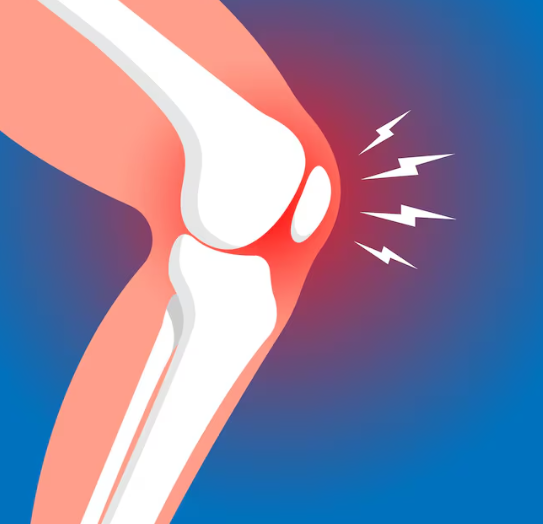
A meniscus tear refers to a rip or rupture of the cartilage structure that cushions impact inside the knee joint.
It typically happens during sudden changes of direction or intense sports activity.
If your knee swells, or you feel a catching sensation when bending or straightening it, a meniscus tear is worth ruling out.
| Category | Osteoarthritis | Meniscus Tear |
|---|---|---|
| Typical age group | 50 and older | Any age, often during intense activity |
| Pain location | Dull ache on the inside of the knee | Throughout the knee, with a catching feeling |
| Main cause | Gradual wear of the cartilage | Sudden twisting or impact |
| Other symptoms | Stiffness, early relief with rest | Swelling, limited bending/straightening |
✅ You feel a sharp twinge on the inside of your knee going up or down stairs
✅ Your knee makes a popping sound when you stand up from sitting
✅ Your knee feels stiff and swollen when you wake up in the morning
✅ The pain is worse going downhill than on flat ground
How Can You Care for Your Knees Every Day?
Building muscle strength and maintaining a healthy weight are generally considered two key parts of joint care.
Knee care means adopting habits that let your muscles share the load, reducing the pressure placed on the joint itself.
That’s because strong muscles around the knee may help absorb some of the load the joint would otherwise carry on its own.

- Stick with low-impact aerobic exercise, such as walking or stationary cycling.
- Cut back on positions that raise pressure inside the knee, like squatting or sitting cross-legged.
- Get in the habit of sitting in a chair and keeping good posture.
- If pain lasts more than two weeks, see a specialist to find out the cause.
If you’d like a precise diagnosis, you can also check the joint clinic information on the SL Seoul Hospital (Spine & Joint) homepage.
Building the right habits early on may help support long-term joint health and keep you moving comfortably.
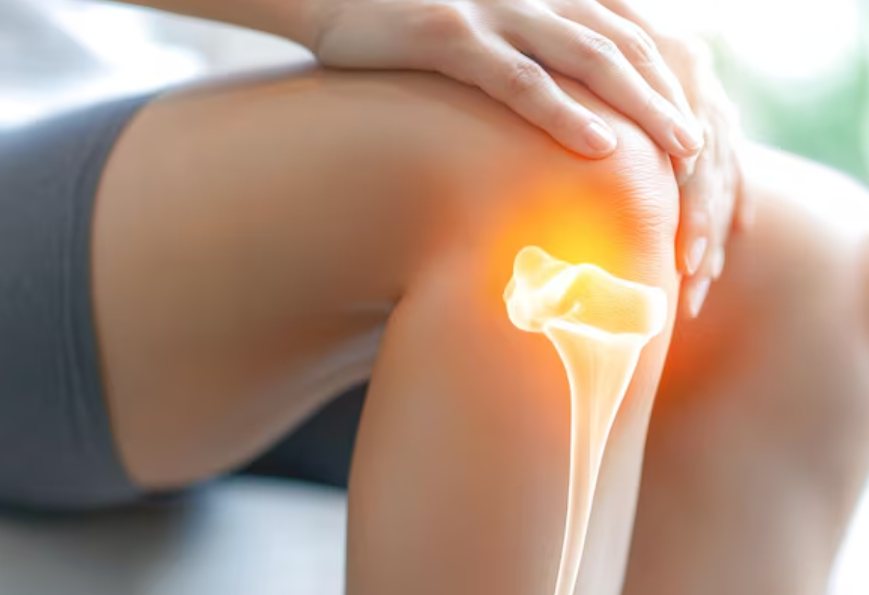
If pain lasts more than two weeks despite rest, or your knee won’t fully straighten, don’t ignore it — get a thorough evaluation.
Frequently Asked Questions
1. Can I still exercise if it hurts?
If you’re in an acute flare-up, rest first. That said, light strength training within a pain-free range can support joint health.
2. Should I use heat or ice?
If your knee suddenly swells and feels warm, cold therapy is more appropriate. For chronic, ongoing stiffness, heat therapy to improve circulation tends to help more.
3. When should I see a doctor?
If pain lasts more than two weeks despite rest, or your knee won’t fully straighten and it’s affecting daily life, a thorough evaluation is recommended.
4. What happens if a meniscus tear is left untreated?
The tear can grow larger or lead to further cartilage damage, so if swelling or a catching feeling continues, it’s best to see a doctor early.
References
· Asan Medical Center, “Arthritis,” Disease Encyclopedia, Asan Medical Center Health Information. View source
· Korea Disease Control and Prevention Agency, “Meniscus Tear,” National Health Information Portal. View source
· Asan Medical Center, “Tear of Meniscus,” Disease Encyclopedia, Asan Medical Center Health Information. View source
This article is intended for general health information purposes only and is not a substitute for individual diagnosis or treatment. If you’re experiencing symptoms, please consult a physician.
Leave a Reply